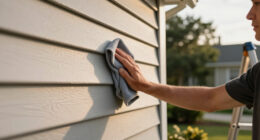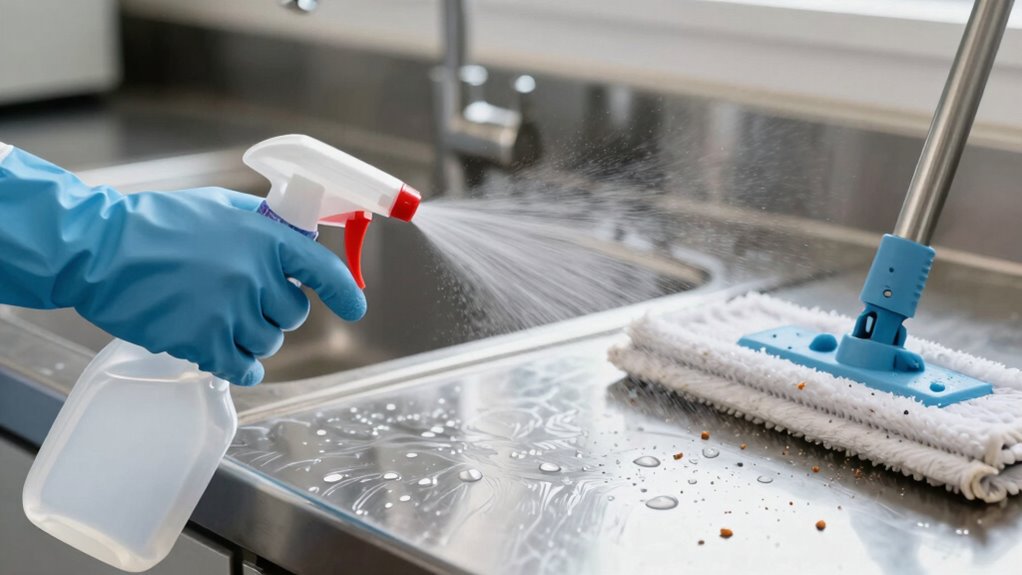
Regular cleaning removes dirt, dust, and surface grime, making your spaces look tidy and smell fresh, but it doesn’t kill germs. Disinfecting targets harmful microorganisms like bacteria and viruses, especially on high-touch surfaces, using stronger chemicals. To protect health, especially during outbreaks or in healthcare settings, disinfecting is essential. Understanding how both methods work together can greatly improve your hygiene practices—continue exploring for tips on effectively combining cleaning and disinfecting.

Get cleaning gear delivered free — and shop member deals
- Fast, free delivery on millions of items
- Access to Prime Big Deal Days deals on October 6–7
- Prime Video, Amazon Music and more included
Key Takeaways
- Regular cleaning removes dirt and surface bacteria but does not necessarily kill germs, whereas disinfecting actively destroys microorganisms.
- Disinfectants use chemicals like bleach or alcohol to target and eliminate pathogens, providing higher safety during outbreaks.
- Both cleaning and disinfecting are essential; cleaning prepares surfaces for effective disinfecting by removing debris.
- Regular cleaning maintains appearance and reduces bacterial load, while disinfecting prevents disease spread in high-touch and healthcare areas.
- Proper application techniques and contact time are crucial for disinfectants to be effective and safe.
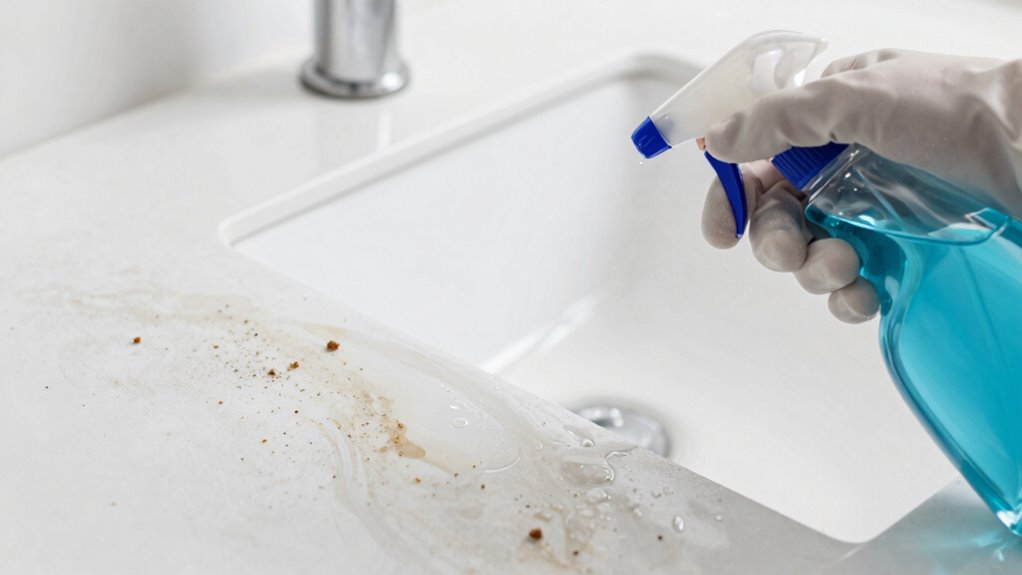
When it comes to maintaining a clean environment, understanding the difference between disinfecting and regular cleaning is essential. Regular cleaning involves removing dirt, dust, and surface grime, but it doesn’t necessarily kill germs. It typically uses water, soap, or general cleaning agents to wipe away visible debris, making surfaces look tidy and smell fresh. However, the primary goal isn’t always to eliminate microorganisms like bacteria or viruses. Instead, it’s to reduce surface bacteria and debris that can accumulate over time. This process is vital for everyday upkeep, especially in areas that aren’t high-touch zones, but it doesn’t guarantee the destruction of harmful germs.
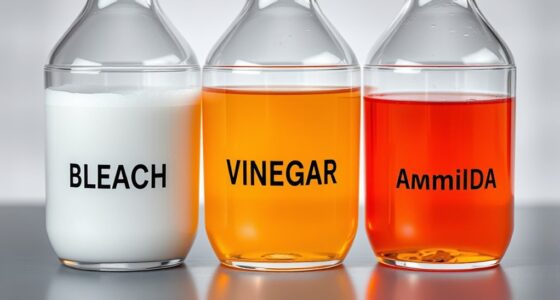
Disinfecting, on the other hand, targets microorganisms that can cause illness. When you disinfect, you use specific cleaning agents, often containing chemicals like bleach or alcohol, designed to kill bacteria, viruses, and fungi. This process is crucial during illness outbreaks or in environments where controlling the spread of germs is a top priority. While regular cleaning might remove surface bacteria, disinfecting actually destroys the microorganisms, providing a higher level of safety. You need to apply disinfectants properly, allowing enough contact time for the agents to work effectively. Simply wiping a surface isn’t enough; you have to ensure the disinfectant remains on the surface long enough to kill the germs. Proper application techniques are essential for maximum effectiveness. Additionally, understanding the effectiveness of disinfectants can help ensure proper safety protocols are followed. Using appropriate disinfectant solutions tailored to specific environments can further enhance germ control.
Understanding the role of cleaning agents is key. Regular cleaning agents are formulated to lift dirt and remove surface bacteria, making surfaces visibly cleaner. Disinfectants, however, contain active ingredients that penetrate and destroy microorganisms. Both methods are important, but they serve different purposes. Regular cleaning keeps your environment presentable and reduces the overall bacterial load, while disinfecting offers a more targeted approach to kill germs and prevent disease transmission. It’s especially important in high-touch areas like doorknobs, light switches, and countertops, where surface bacteria can thrive and spread easily. Additionally, disinfecting surfaces is particularly important in healthcare settings and during outbreaks to ensure a safer environment. Proper training on proper disinfectant application can significantly enhance its effectiveness and safety.
As an affiliate, we earn on qualifying purchases.
Frequently Asked Questions
How Long Do Disinfectants Remain Effective on Surfaces?
Disinfectants typically remain effective on surfaces for about 10 minutes, but this can vary based on the product and surface type. Surface longevity depends on factors like contact time and environmental conditions. Disinfectant durability is essential; always follow the label instructions to guarantee proper disinfection. To maintain protection, reapply disinfectants regularly, especially in high-touch areas, as their effectiveness diminishes over time.
Are There Health Risks Associated With Frequent Disinfectant Use?
You might think disinfectants are a magic shield, but frequent use can pose health risks. While most antiseptic myths suggest they’re completely safe, overuse can lead to disinfectant allergies and skin irritation. You should handle disinfectants carefully, using proper ventilation and protective gear. Staying informed helps you avoid potential dangers while keeping surfaces clean—remember, moderation is key to protecting your health without compromising cleanliness.
Can Regular Cleaning Eliminate All Germs and Bacteria?
Regular cleaning can ensure surface contamination is reduced and improve cleaning effectiveness, but it can’t eliminate all germs and bacteria. Some pathogens are particularly resilient and may require disinfecting to be fully eradicated. To guarantee a safer environment, combine thorough cleaning with disinfecting in high-touch areas. This approach helps minimize health risks, especially in spaces where germs can spread easily, providing you with a more extensive level of protection.
Which Disinfectants Are Safest for Children and Pets?
Choosing disinfectants is like walking a tightrope—you need safety and effectiveness. Look for child-safe disinfectants and pet-friendly cleaning agents, which are specifically designed to be gentle yet effective. These products often feature natural ingredients, like plant-based solutions, and avoid harsh chemicals like bleach or ammonia. Always read labels and follow instructions carefully to guarantee your home remains both clean and safe for your little ones and furry friends.
How Often Should High-Touch Surfaces Be Disinfected?
You should disinfect high-touch surfaces daily, especially in high-traffic areas. Surface materials like stainless steel, plastic, and wood can harbor germs, so using effective disinfection techniques is essential. For maximum safety, clean surfaces with soap and water first, then apply a suitable disinfectant. Regular disinfection helps prevent the spread of germs, keeping your home healthier for children and pets. Adjust frequency based on usage and exposure levels.
multi-surface disinfectant wipes
As an affiliate, we earn on qualifying purchases.
As an affiliate, we earn on qualifying purchases.
Conclusion
Now that you know the difference, remember that regular cleaning is your first defense—removing dirt and germs, but not killing them. Disinfecting steps in when you need to eliminate the stubborn bacteria and viruses lurking around. Think of cleaning as sweeping away shadows, while disinfecting is turning on the light. Both are essential, but understanding when to do each can protect your loved ones and give you peace of mind. Don’t settle for just cleaning—disinfect when it truly matters.
household disinfectant solutions
As an affiliate, we earn on qualifying purchases.
As an affiliate, we earn on qualifying purchases.
As an affiliate, we earn on qualifying purchases.
Halloween Picks
halloween
As an affiliate, we earn on qualifying purchases.