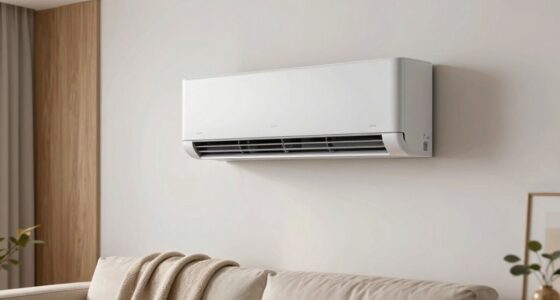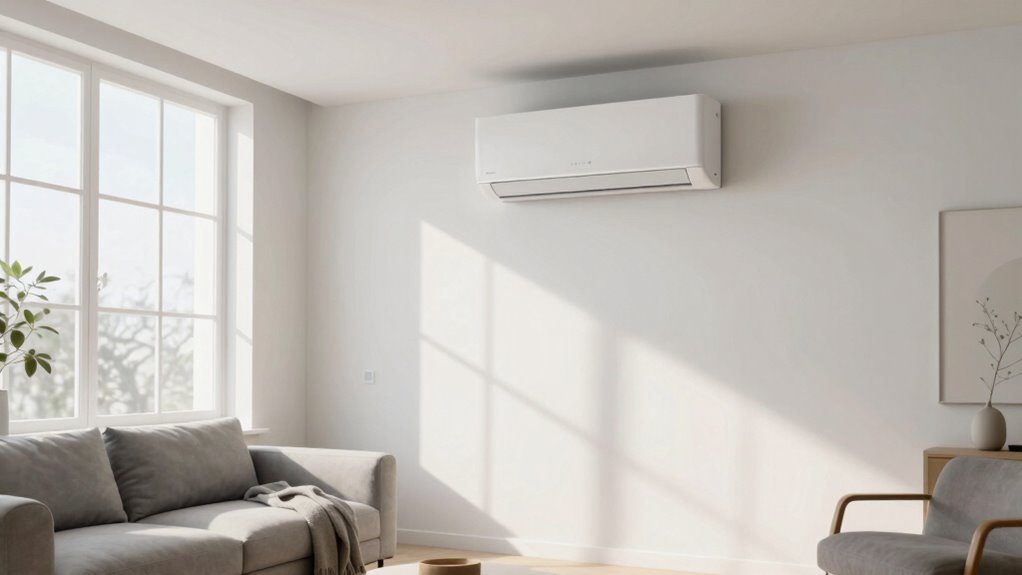

Mini splits are expanding beyond bonus rooms because they offer precise, energy-efficient climate control for any space. They target specific zones, saving energy and reducing costs, while their easy installation makes them a popular upgrade. Plus, smart features and flexible setups fit various homes, garages, or commercial areas. As technology advances, they’re becoming a versatile solution for whole-home comfort. If you want to discover how they can work in your space, keep exploring the options available.
Key Takeaways
- Their energy-efficient zone control makes mini splits suitable for whole-home cooling and heating, beyond just bonus rooms.
- Easy, cost-effective installation allows for seamless expansion into various living spaces.
- Smart controls and remote operation enhance convenience for multiple zones and larger areas.
- Their adaptability suits different home types, climates, and upgrade projects efficiently.
- High technology and flexibility support widespread use in residential, commercial, and renovation settings.
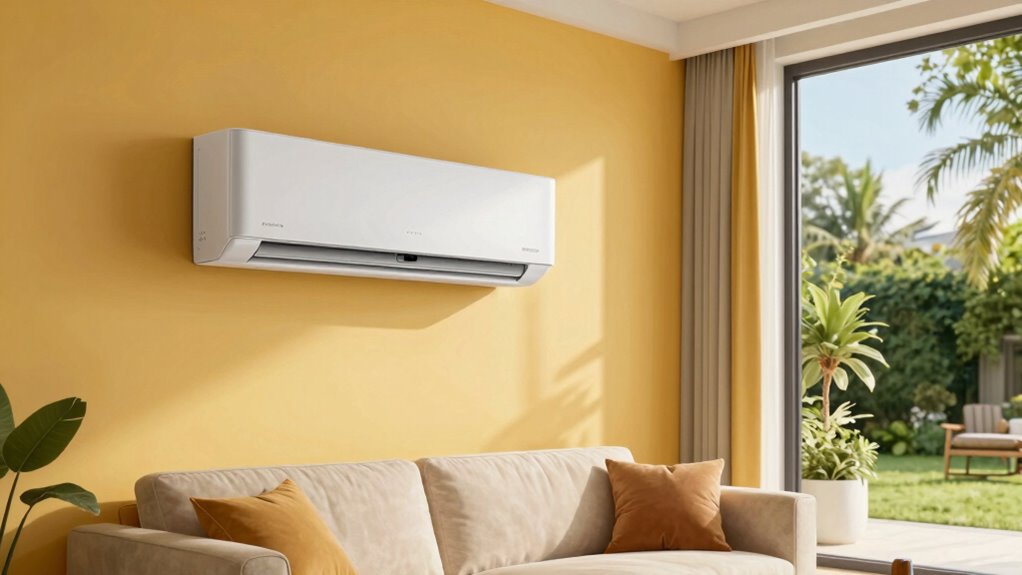
Are mini splits the right cooling and heating solution for your home? If you’re considering flexible, efficient climate control options, it’s worth understanding why mini splits are gaining popularity beyond just bonus rooms or small spaces. One of their main advantages is energy efficiency. Unlike traditional HVAC systems that often waste energy conditioning unoccupied or unused areas, mini splits allow you to target specific rooms or zones. This means you’re not cooling or heating your entire home when only a few spaces are in use. This targeted approach not only saves energy but also reduces wear and tear on the system, potentially extending its lifespan. Additionally, mini splits offer precise temperature control, so you can set each zone to your preferred comfort level without affecting the rest of your house. This precise control can also contribute to energy savings by avoiding unnecessary heating or cooling. Plus, mini splits are suitable for various climates and home types, making them a versatile choice for many households. They can also be a good solution for homes with limited space for ductwork or those seeking to upgrade from older, less efficient systems. As technology advances, many models now incorporate smart controls that further simplify operation and energy management, enhancing their appeal.
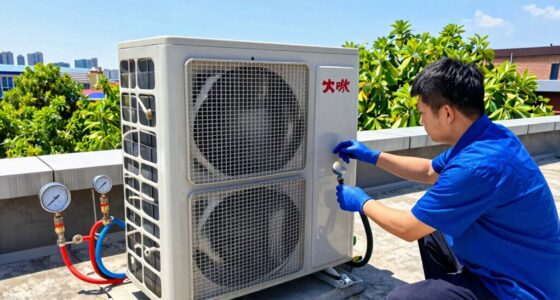
When it comes to installation costs, mini splits tend to be more affordable and less invasive than central air systems. Installing a traditional HVAC system often involves ductwork, which can be costly and disruptive to your home’s structure. In contrast, mini splits are ductless, requiring only a small hole to run the conduit from the outdoor unit to the indoor air handler. This streamlined process cuts down on labor and material costs, making the initial investment more manageable. Additionally, because mini splits are modular, you can install them gradually—adding units as needed without overhauling your entire system. This flexibility means you can enhance your home’s comfort without a hefty upfront expense. Over time, the savings in energy bills combined with lower installation costs make mini splits an economically savvy choice. Plus, their easy maintenance adds to their appeal for homeowners seeking hassle-free climate control. As climate zones vary across regions, mini splits’ ability to adapt to different conditions further supports their expanding use.
Beyond the financial aspects, mini splits are also easy to maintain and operate. They often come with smart controls, allowing you to program and monitor your heating and cooling remotely. This convenience makes it easier to optimize energy use and ensure your home stays comfortable year-round. As more homeowners recognize these benefits, mini splits are expanding beyond bonus rooms to serve entire homes, garages, and even commercial spaces. Their adaptability, combined with high energy efficiency and lower installation costs, makes them a compelling alternative to traditional HVAC systems. Whether you’re upgrading an existing setup or building a new home, considering mini splits could be a smart move that balances comfort, savings, and sustainability.

Rellytech Mini Split AC/Heating System, 12000 BTU, 19 SEER2 115V/110V
- Powerful 12,000 BTU Cooling & Heating: Covers up to 750 sq. ft.
- Multiple Operating Modes: Cooling, heating, fan, dry modes
- Energy-Efficient ECO Mode: Optimizes energy use for year-round comfort
As an affiliate, we earn on qualifying purchases.
As an affiliate, we earn on qualifying purchases.
Frequently Asked Questions
Are Mini Splits Suitable for Large Open-Concept Living Spaces?
Yes, mini splits are suitable for large open-concept living spaces. They offer excellent energy efficiency, helping you save on cooling and heating costs. With their zoned climate control, you can customize temperatures across different areas, enhancing comfort. Plus, they’re easy to install and maintain, making them a cost-effective choice. Overall, mini splits provide efficient, flexible climate control for spacious areas, ensuring you stay comfortable while enjoying significant cost savings.
How Noisy Are Mini Split Systems During Operation?
You might find mini split systems whisper softly during operation, thanks to their quiet design. Their noise levels are generally low, making them unobtrusive even in peaceful settings. Good sound insulation in your space helps minimize any residual hum, ensuring comfort. While some units produce faint sounds, they rarely disrupt your quiet moments or sleep, allowing you to enjoy efficient cooling or heating without feeling like you’re in a noisy environment.
Can Mini Splits Function Effectively in Extremely Cold Climates?
Yes, mini splits can function effectively in cold climates, especially with models designed for heating efficiency. Look for units with a cold climate capability, which use advanced technology to operate efficiently even when temperatures drop considerably. These systems provide reliable heating, saving you energy and money. Proper installation and choosing the right model guarantee your mini split maintains performance and keeps your space comfortably warm, regardless of the cold climate outside.
What Is the Typical Lifespan of a Mini Split Unit?
A mini split unit typically lasts 10 to 15 years, depending on usage, energy efficiency, and maintenance requirements. You can extend its lifespan by regularly cleaning filters, checking for refrigerant leaks, and scheduling professional tune-ups. Proper maintenance guarantees peak energy efficiency, reducing strain on the system and preventing costly repairs. With good care, your mini split can provide reliable heating and cooling for many years.
Do Mini Splits Require Professional Installation or Can They Be DIY?
You can try DIY installation, but it’s like attempting brain surgery with a butter knife—very risky. Mini splits require precise refrigerant handling, electrical wiring, and mounting that often demand professional assistance. Without proper expertise, you risk leaks, inefficiency, or damage. For safety and ideal performance, it’s best to hire a professional. They ensure your mini split works smoothly and lasts longer, saving you headaches and money in the long run.
Rellytech Mini Split AC/Heating System, 12000 BTU, 19 SEER2 115V/110V
- Powerful 12,000 BTU Cooling & Heating: Covers up to 750 sq. ft.
- Multiple Operating Modes: Cooling, heating, fan, dry modes
- Energy-Efficient ECO Mode: Optimizes energy use for year-round comfort
As an affiliate, we earn on qualifying purchases.
As an affiliate, we earn on qualifying purchases.
Conclusion
As mini splits continue to grow beyond just bonus rooms, they whisper a promise of comfort and efficiency. Like a trusted friend, they adapt seamlessly to your needs, transforming any space into a haven. With their expanding reach, it’s clear they’re not just a trend but a smart choice for modern living. So, why not embrace this quiet revolution, and let your home breathe easier—because, after all, comfort is the true measure of progress.

Albott 12,000 BTU Mini Split Air Conditioner and Heater SEER2 18, 115V
- All-in-One Comfort Control: Cooling, heating, dehumidifying, fan modes
- Customizable Settings: 24-hour timer and sleep mode
- Energy-Efficient Performance: SEER2 18 inverter heat pump
As an affiliate, we earn on qualifying purchases.
As an affiliate, we earn on qualifying purchases.

ROVSUN 3 Zone 28000 BTU (9K/9K/9K) Mini Split AC/Heating System, 20 SEER2 Tri Zone Ductless Wall Mounted Air Conditioner with Pre-Charged Condenser, Heat Pump & 25Ft Line Set, 208-230V
- All-in-One Multi-Room System: Multiple indoor units with individual controls
- Year-Round Climate Control: Cooling, heating, dehumidifying, fan functions
- Powerful Inverter Performance: Efficient heating and cooling in various temps
As an affiliate, we earn on qualifying purchases.
As an affiliate, we earn on qualifying purchases.