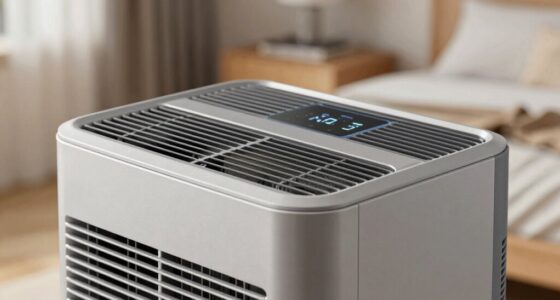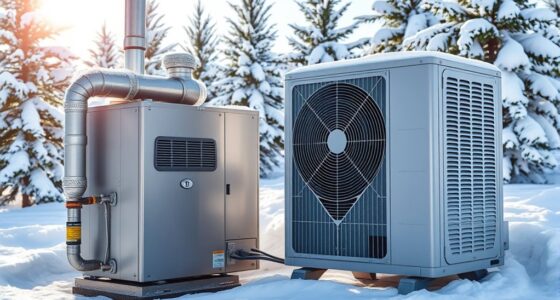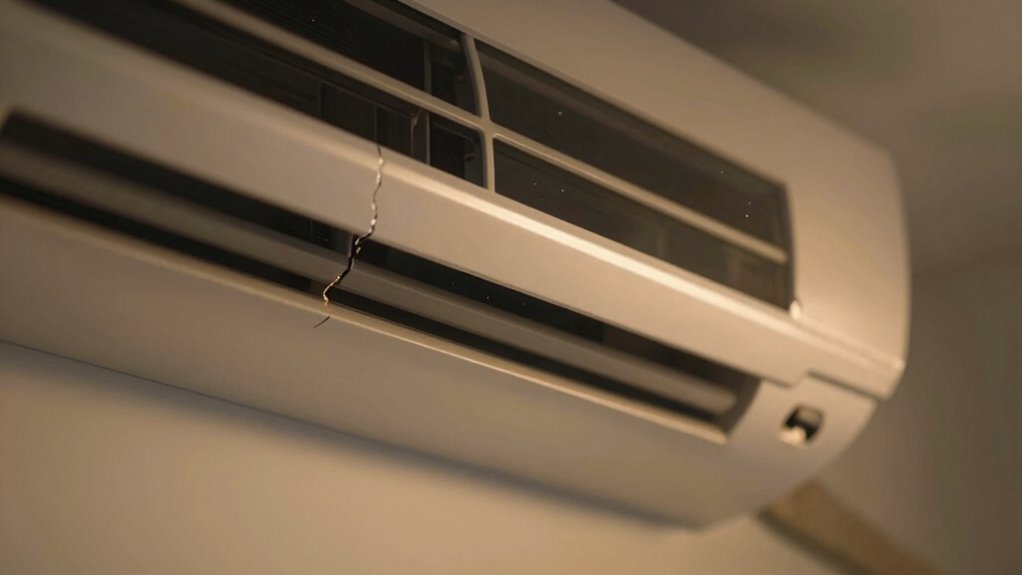

Air leaks cause cool air to escape and warm air to enter your home, making your AC work harder than it needs to. This extra effort increases energy bills and accelerates wear on your system. Gaps around windows, doors, or vents are common culprits. Sealing these leaks helps your cooling system run efficiently, saving you money and improving comfort. To discover more simple ways to cut costs and boost efficiency, keep exploring the solution.

Get cleaning gear delivered free with Prime
- Fast, free delivery on millions of items
- Prime Video, Amazon Music and more included
- Member-only deals all year
Key Takeaways
- Air leaks allow cool air to escape, causing the AC to work harder and increasing energy costs.
- Gaps around windows and doors reduce insulation effectiveness, leading to higher cooling expenses.
- Leaks cause uneven temperatures, prompting constant thermostat adjustments and increased energy use.
- Unsealed leaks lead to more frequent cycling of the HVAC system, shortening its lifespan and raising costs.
- Proper sealing minimizes outdoor pollutant entry, improves efficiency, and lowers overall cooling costs.
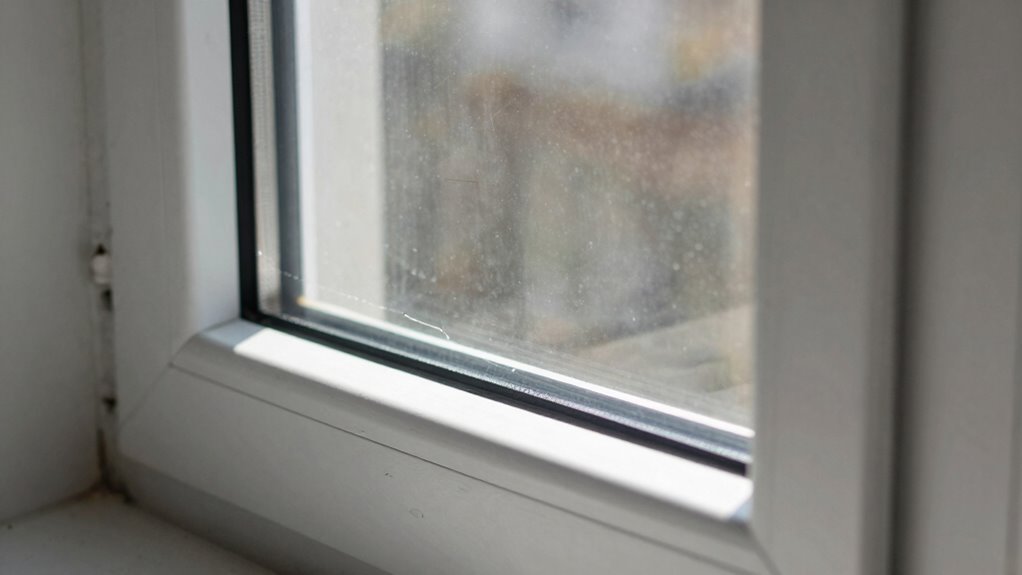
Air leaks in your home might seem like a minor issue, but they can considerably inflate your cooling costs. When cool air escapes and warm air sneaks in, your air conditioning system has to work harder to keep your home comfortable. This unnecessary strain not only increases your energy bills but also wears out your AC units faster. The root cause often lies in poor insulation efficiency, which directly impacts your home’s ability to maintain a stable indoor temperature. If your insulation isn’t doing its job well, even minor gaps around windows, doors, or vents can lead to significant air loss. Addressing air leaks is a vital step toward energy conservation. When you seal these gaps, you help your HVAC system operate more efficiently, reducing the energy it consumes. Proper sealing and insulation ensure that the cooled air inside your home stays put, rather than escaping through tiny cracks. This means your air conditioner doesn’t have to run as often or as long to compensate for the lost cooling. As a result, you see a noticeable reduction in your monthly energy bills and a smaller carbon footprint. Many homeowners overlook the importance of insulation efficiency in their efforts to save money. They might invest in a new, more powerful AC unit without fixing the leaks that make their current system inefficient. This approach is often ineffective because no matter how powerful your AC is, if cool air is constantly leaking out, the system has little choice but to work overtime. Sealing leaks around windows, doors, and other entry points enhances insulation efficiency, which is a cost-effective way to improve comfort and cut down on energy waste. Additionally, air leaks can also contribute to increased humidity levels inside your home, further reducing comfort and increasing energy use. Moreover, air leaks can cause uneven cooling, leading to hot spots and drafts that make your home less comfortable. When air escapes, you might find yourself constantly adjusting the thermostat, which only adds to your energy consumption. Sealing leaks creates a more consistent indoor temperature, so your cooling system can operate at optimal levels without unnecessary cycling. Proper air sealing can also prevent the entry of outdoor pollutants, improving indoor air quality. This not only saves you money but also prolongs the lifespan of your HVAC equipment. Improving your home’s insulation efficiency can also help reduce noise from outside, creating a quieter indoor environment. In the context of improving energy efficiency, sealing air leaks is one of the most straightforward and impactful strategies. In the end, tackling air leaks is one of the simplest yet most impactful ways to make your home more energy-efficient. It’s a smart investment that pays off through lower bills, increased comfort, and better insulation efficiency. When you focus on sealing those tiny gaps, you’re actively contributing to energy conservation while making your home a more pleasant place to be.
window and door weatherstripping kits
As an affiliate, we earn on qualifying purchases.
As an affiliate, we earn on qualifying purchases.
Frequently Asked Questions
How Can I Detect Hidden Air Leaks in My Home?
You can detect hidden air leaks by performing a simple visual inspection around windows, doors, and vents for gaps or cracks. Use a lit incense stick or candle near suspected areas—if the flame flickers, you’ve found a leak. Improve insulation effectiveness and guarantee proper ventilation balance to minimize leaks. Additionally, consider a professional blower door test for a thorough assessment of your home’s airtightness and hidden leaks.
Do All Air Leaks Significantly Impact Cooling Costs?
Not all air leaks are created equal—some are just tiny hiccups, while others scream for attention. You’ll find that certain air leak types, like around windows or doors, really jack up cooling costs, especially if your insulation effectiveness is lacking. Even small leaks can cause your AC to overwork, making your bills skyrocket. So, yes, some leaks matter much more than others, and sealing them saves you money.
Are There Affordable DIY Methods to Seal Air Leaks?
Yes, there are affordable DIY sealing methods that serve as cost-effective solutions to reduce air leaks. You can use weatherstripping tape around windows and doors, seal gaps with caulk, or add door sweeps to block drafts. These simple, budget-friendly fixes are easy to apply and can substantially cut cooling costs by preventing cool air from escaping and warm air from entering your home.
How Often Should I Check for Air Leaks?
Don’t wait for trouble to knock; check for air leaks every few months, especially during seasonal changes. Regular inspections help maintain insulation effectiveness and guarantee proper ventilation balance. Pay close attention to gaps around windows, doors, and vents. If you notice increased drafts or uneven temperatures, it’s time to seal those leaks. Staying proactive keeps your cooling system efficient, saving you money and energy in the long run.
What Are the Long-Term Savings of Sealing Air Leaks?
Sealing air leaks boosts your home’s energy efficiency, leading to significant long-term savings. You’ll spend less on cooling because your AC doesn’t have to work overtime to compensate for drafts. Additionally, investing in insulation upgrades further enhances these savings by maintaining consistent indoor temperatures. Over time, these improvements reduce your energy bills, extend your HVAC system’s lifespan, and create a more comfortable, cost-effective living environment.
As an affiliate, we earn on qualifying purchases.
Conclusion
You might think sealing leaks only saves on energy bills, but it’s actually about more than that. Some experts suggest that tiny air leaks could even influence your AC’s efficiency by disrupting airflow and causing your system to work harder. So, by fixing those leaks, you’re not just saving money—you’re enhancing the overall performance of your cooling system. It’s a small fix with the potential for big, lasting benefits, making your home more comfortable and energy-efficient.
As an affiliate, we earn on qualifying purchases.
As an affiliate, we earn on qualifying purchases.
Halloween Picks
halloween
As an affiliate, we earn on qualifying purchases.