
TL;DR

Get cleaning gear delivered free with Prime
- Fast, free delivery on millions of items
- Prime Video, Amazon Music and more included
- Member-only deals all year
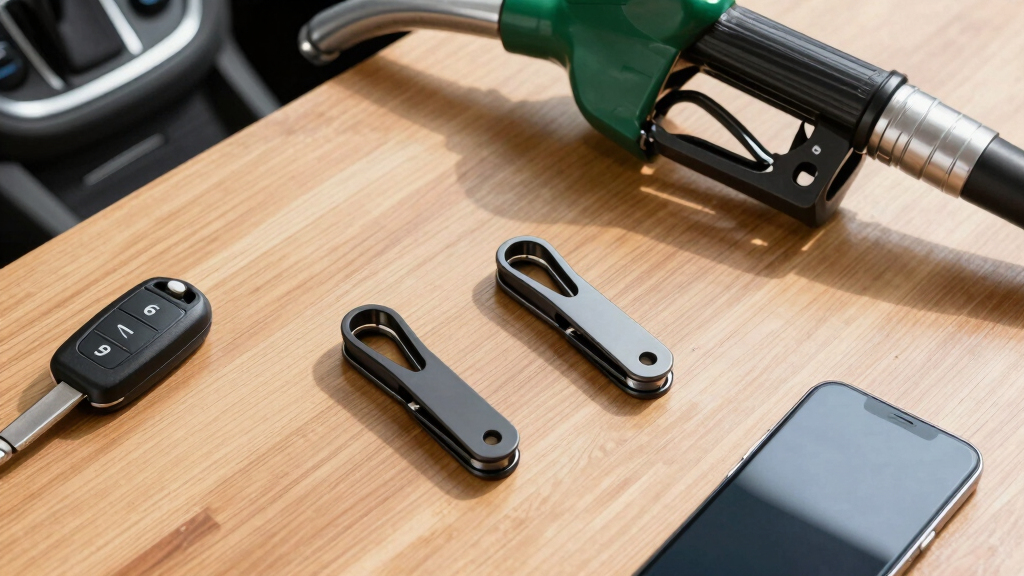
Rhode Island and New York remain the only states banning gas pump clips used for hands-free fueling, citing fire safety laws. Efforts to update these laws are ongoing, but no immediate changes are planned.
Rhode Island and New York are the only U.S. states that currently prohibit the use of gas pump clips for hands-free fueling, citing fire safety regulations. This restriction affects the availability of convenient fueling options for drivers and is rooted in longstanding safety laws.
According to reports, Rhode Island has maintained its ban on gas pump clips largely due to outdated laws that were originally enacted to address vapor recovery systems, which have since become redundant as vehicle technology evolved. The state has only allowed clips on specific vapor recovery nozzles, but the law remains largely unchanged since 1993, and no plans have been announced to update it.
In New York, the reluctance to adopt gas pump clips stems from complex fire suppression laws that have historically discouraged station owners from installing or permitting these devices. Although legislative efforts, such as Senate Bill 7418 introduced in 2025, aim to clarify and permit hands-free fueling, the law has yet to be fully revised. As a result, many gas stations in New York avoid installing clips, citing legal ambiguity and safety concerns.
Impacts of Gas Pump Clip Bans in Rhode Island and New York
The continued bans in these two states hinder the adoption of newer, safer fueling technologies that could reduce accidents and improve convenience for drivers. As other states modernize their laws, Rhode Island and New York’s restrictions may become increasingly outdated, potentially impacting safety standards and consumer experience. The bans also reflect broader challenges in updating legacy safety laws to match current technology and safety practices.
Products Worth Considering
Dyson Car+Boat Cordless Handheld Vacuum

LG 85-Inch QNED73B Mini LED 4K Smart TV (2026)

Arlo Pro Wireless Security Camera, 2K HDR, 6th Generation, 4-Camera Kit
As an affiliate, we earn on qualifying purchases.
Historical and Legislative Background of Gas Pump Regulations
Most U.S. states permit gas pump clips for hands-free fueling, which enhances safety and convenience. Rhode Island’s laws, enacted in the early 1990s, were originally designed to regulate vapor recovery nozzles, which are now largely obsolete due to advances in vehicle technology. Similarly, New York’s fire suppression laws have historically been complex, leading to hesitancy among station owners to adopt new fueling devices. Legislative efforts in recent years aim to clarify these restrictions, but legislative change remains pending.
“Rhode Island’s laws haven’t been updated since the 1990s, and the safety concerns that justified the ban are no longer as relevant.”
— an anonymous researcher
Unclear Timeline for Law Revisions in Both States
It is not yet clear when Rhode Island and New York will update their laws to permit gas pump clips for hands-free fueling. Although legislative efforts are in progress, no specific dates or legislative outcomes have been confirmed, and the process remains uncertain.
Next Steps in Legal and Regulatory Changes
Legislative proposals in New York, such as Senate Bill 7418, continue to be discussed, with potential for law revisions in the coming legislative sessions. Rhode Island has shown little movement, but advocacy and technological safety improvements could prompt future updates. Industry stakeholders and safety advocates are watching these developments closely.
Key Questions
Why are gas pump clips banned in Rhode Island and New York?
The bans are primarily based on fire safety laws, which were originally designed to address vapor recovery systems and fire suppression concerns. These laws are considered outdated by many, but they remain in effect.
Are there efforts to change these laws?
Yes, legislative efforts are underway in New York to clarify and potentially permit hands-free fueling devices. Rhode Island has not yet announced any plans for law updates.
Could these bans be lifted soon?
It is uncertain. While legislative proposals exist, no specific timeline or certainty about law changes has been confirmed as of now.
What are the safety concerns related to gas pump clips?
The primary concern is fire risk, especially if clips malfunction or are improperly used. However, modern safety technology has reduced these risks, prompting calls for law updates.
How might these laws change in the future?
If safety concerns are addressed through technological advances and regulatory updates, Rhode Island and New York could revise their laws to permit hands-free fueling devices, aligning with most other states.
Source: Family Handyman