The best home insulation products depend on where you are insulating and whether you need broad coverage, a reflective barrier, or foam that fills irregular gaps. I rank Owens Corning R-19 Fiberglass Batts as the best overall for conventional framed cavities, while US Energy Products’ 48-inch-by-100-foot Double Bubble Reflective Foil stands out for large reflective-barrier projects and Reflectix BP24025 is a manageable option for smaller jobs. The main tradeoffs are insulation type, installation complexity, coverage, and whether a product suits the assembly you have. Reflective rolls are not a direct substitute for cavity insulation, and their performance depends on the surrounding air space and installation. Read on for the full comparison and guidance on matching a product to your project.

Get cleaning gear delivered free with Prime
- Fast, free delivery on millions of items
- Prime Video, Amazon Music and more included
- Member-only deals all year
Complete the kit


Key Takeaways
- Owens Corning R-19 batts lead for conventional cavities: their listed R-value and familiar batt format make them the clearest fit here for framed spaces, though they require accurate cutting and protective handling.
- Large reflective projects favor the 100-foot US Energy Products roll: it offers far more material per roll than the 10-foot options, but buyers need a suitable installation and room for the required air space.
- Reflectix BP24025 suits smaller, more controlled jobs: its 24-inch width and 25-foot length are easier to plan around than a 100-foot roll, while the narrower coverage can mean more seams on broad surfaces.
- The two 10-foot FONUNO and LSGCQ rolls are small-project choices: their similar size makes project fit and product documentation more relevant than assuming one is a whole-home solution.
- BEEST’s 240-board-foot spray foam kit has a different role: it is aimed at sealing and insulating irregular areas, but application skill, protective measures, and careful yield planning matter more than with batts or rolls.
| US Energy Products Reflective Foam Core Insulation Shield, R-8, 1/4-Inch Thick, 1 ft x 10 ft |  | Best for Small Targeted Areas | Brand: US Energy Products | Material: Foam core with double-sided metalized film | R-value: R-8 | VIEW LATEST PRICE | See Our Full Breakdown |
| Reflectix BP24025 Reflective Bubble Pack Insulation, 24 in. x 25 ft. |  | Best for Versatile Reflective Coverage | Brand: Reflectix | Model: BP24025 | Dimensions: 300 in L x 24 in W | VIEW LATEST PRICE | See Our Full Breakdown |
| FONUNO Reflective Bubble Insulation Roll, 23.6 in x 10 ft |  | Best for Window and RV DIY Projects | Brand: FONUNO | Material: Reflective aluminum film and polyethylene | Dimensions: 120 in L x 23.6 in W | VIEW LATEST PRICE | See Our Full Breakdown |
| LSGCQ Double-Reflective Bubble Insulation Roll, 23.6 in x 10 ft |  | Best for Easy-Cut Reflective Patches | Brand: LSGCQ | Material: Aluminum | Dimensions: 120 in L x 23.6 in W | VIEW LATEST PRICE | See Our Full Breakdown |
| Owens Corning R-19 Unfaced Fiberglass Insulation Batts, 15 x 93 in, 77.5 sq ft |  | Best for Framed Wall and Floor Cavities | Brand: Owens Corning | Material: Fiberglass | R-value: R-19 | VIEW LATEST PRICE | See Our Full Breakdown |
| SEALTECH 10 mm Reflective Foam Insulation Roll, 48 in × 20 ft |  | Best for Moisture-Prone Areas | Brand: SEALTECH | Thickness: 10 mm | Listed dimensions: 48 in × 20 ft | VIEW LATEST PRICE | See Our Full Breakdown |
| US Energy Products Double Bubble Reflective Foil Insulation, 48 in x 100 ft, R-8 |  | Best for Large Reflective-Insulation Runs | Brand: US Energy Products | Product type: Double-bubble reflective insulation | Dimensions: 48 in × 100 ft | VIEW LATEST PRICE | See Our Full Breakdown |
| BEEST FullStop Spray Foam Insulation Kit, 240 Board Feet |  | Best for Sealing Gaps and Irregular Openings | Brand / manufacturer: BEEST / Petra | Model: B-BNDL-SFI-12PK | Kit contents: 12 foam cans, applicator gun, foam cleaner, glasses, coverall, and gloves | VIEW LATEST PRICE | See Our Full Breakdown |
| home insulation product | Brand | Material | Coverage | Thickness |
|---|---|---|---|---|
| US Energy Products Reflective | US Energy Products | Foam core with double-sided metalized film | 10 sq ft | 0.25 inches |
| Reflectix BP24025 Reflective B | Reflectix | Aluminum foil, polyethylene, and insulating bubbles | 7,200 sq in | 0.31 in (5/16 in) |
| FONUNO Reflective Bubble Insul | FONUNO | Reflective aluminum film and polyethylene | 2,832 sq in | 3 mm |
| LSGCQ Double-Reflective Bubble | LSGCQ | Aluminum | 23.6 in x 120 in | — |
| Owens Corning R-19 Unfaced Fib | Owens Corning | Fiberglass | 77.5 sq ft | 6.5 inches |
| SEALTECH 10 mm Reflective Foam | SEALTECH | — | — | 10 mm |
| US Energy Products Double Bubb | US Energy Products | — | — | — |
| BEEST FullStop Spray Foam Insu | — | Moisture-cured polyurethane foam | Up to 240 board feet | — |
More Details on Our Top Picks
US Energy Products Reflective Foam Core Insulation Shield, R-8, 1/4-Inch Thick, 1 ft x 10 ft
This narrow roll suits small insulation jobs where a waterproof layer and vapor barrier matter as much as reflective coverage. Its foam core and metalized film on both sides give it a different purpose from Owens Corning’s R-19 fiberglass batts: the batts fill deeper framing cavities, while this thin shield is easier to handle around limited areas. The listed R-8 rating is appealing, but the 1/4-inch profile and just 10 square feet per pack make it a poor match for insulating a whole room. Compared with Reflectix BP24025, this option has less coverage and a narrower format, but it may be more convenient for a small patch or barrier application. Check the intended assembly and installation requirements before treating reflective material as a standalone insulation solution.
Pros:- Double-sided metalized film over a lightweight foam core
- Provides a vapor barrier
- Described as waterproof
- Class 1/Class A fire rating is specified
Cons:- Only 10 square feet of coverage per pack
- At 1/4 inch thick, it is not a deep cavity-fill product
Best for: Homeowners handling a small, measured repair who want a lightweight reflective sheet with a vapor barrier.
Not ideal for: Anyone insulating broad attic, wall, or floor areas; its 10-square-foot coverage would require many packs.
- Brand:US Energy Products
- Material:Foam core with double-sided metalized film
- R-value:R-8
- Thickness:0.25 inches
- Dimensions:1 ft x 10 ft
- Coverage:10 sq ft
- Vapor barrier:Yes
- Waterproof:Yes
Our verdict“Choose this shield for a small, specific area needing a thin reflective vapor barrier, not for whole-room insulation.”
Reflectix BP24025 Reflective Bubble Pack Insulation, 24 in. x 25 ft.
Reflectix is the most adaptable reflective roll in this group for buyers working across several areas, from crawl spaces to metal buildings. Its seven-layer construction combines foil, polyethylene, and insulating bubbles, and the listed 97% radiant heat reflection gives a specific reason to consider it where radiant heat is a concern. At 24 inches wide and 25 feet long, it covers far more area than the 10-foot FONUNO and LSGCQ rolls, though its width can mean seams or multiple runs on larger surfaces. Unlike Owens Corning’s R-19 batts, Reflectix is lightweight and fiber-free but does not provide the same thick cavity-fill format. The installation and performance depend on the surrounding assembly, so I would match it to the application rather than assume the reflective layer replaces conventional insulation everywhere.
Pros:- Seven-layer foil, polyethylene, and bubble construction
- 25-foot length covers more area than the shorter FONUNO and LSGCQ rolls
- Lightweight and fiber-free
- Listed for several uses, including crawl spaces, attics, and metal buildings
Cons:- The 24-inch width may require multiple sections on wider surfaces
- Its thin reflective format is not a substitute for deep cavity-fill batts in every assembly
Best for: DIYers covering long, relatively narrow runs in crawl spaces, attics, or metal buildings who want a lightweight, fiber-free roll.
Not ideal for: Buyers who need thick insulation batts for framed cavities or a single wide sheet with fewer seams.
- Brand:Reflectix
- Model:BP24025
- Dimensions:300 in L x 24 in W
- Thickness:0.31 in (5/16 in)
- Coverage:7,200 sq in
- Material:Aluminum foil, polyethylene, and insulating bubbles
- Construction:Seven layers
- Radiant heat reflection:97%
Our verdict“Pick Reflectix for longer, varied reflective-insulation runs, but choose Owens Corning batts when a framed cavity needs substantial thickness.”
FONUNO Reflective Bubble Insulation Roll, 23.6 in x 10 ft
FONUNO is aimed at small, cut-to-fit projects rather than broad building insulation: its 23.6-inch-wide, 10-foot roll can be trimmed for windows, RVs, or garage doors, and its waterproof surface is easy to wipe clean. Double-sided reflective film around a polyethylene bubble layer gives it a practical, flexible format for seasonal or localized use. Compared with the longer Reflectix BP24025, this roll offers less coverage, so it makes more sense for a few windows or a compact vehicle project than repeated long runs. The tradeoff is installation work: the sheet needs cutting and the included double-sided tape, and the narrow width can create seams on larger surfaces. I would not choose it over Owens Corning R-19 batts for framed walls or floors that need thick cavity insulation.
Pros:- Double-sided reflective film with a polyethylene air-bubble layer
- Waterproof and easy to wipe clean
- Can be cut to fit windows, RVs, and garage doors
- Includes double-sided tape for installation
Cons:- Only 10 feet long, giving it less coverage than Reflectix BP24025
- Requires cutting and tape-based installation
- The 23.6-inch width can mean seams on larger surfaces
Best for: RV owners and homeowners making removable or cut-to-size window coverings and small reflective barriers.
Not ideal for: People insulating large walls, attics, or floors who need substantial coverage or cavity-fill material.
- Brand:FONUNO
- Material:Reflective aluminum film and polyethylene
- Dimensions:120 in L x 23.6 in W
- Thickness:3 mm
- Coverage:2,832 sq in
- Recommended uses:Windows, RVs, roofs, garage doors, and outdoor use
- Installation:Cut to size; double-sided tape provided
Our verdict“Choose FONUNO for compact, cut-to-fit window or RV projects rather than full-scale home insulation.”
LSGCQ Double-Reflective Bubble Insulation Roll, 23.6 in x 10 ft
LSGCQ fills a similar niche to FONUNO: a short reflective roll for targeted areas such as windows, sheds, garages, or vehicles. Its clearest practical advantage is the scissors-and-tape installation; the included double-sided tape means buyers do not need to source an adhesive separately. The roll is described as waterproof, foldable, and easy to clean, which suits temporary or exposed applications better than Owens Corning’s thick fiberglass batts. But the shared 23.6-inch width and 10-foot length limit coverage, and the product data does not give an R-value or thickness. Compared with FONUNO, LSGCQ lists more varied use locations, including greenhouses and cars, while FONUNO specifies a polyethylene bubble layer and 3 mm thickness. I would choose this for simple reflective patching, not when a defined thermal rating is needed.
Pros:- Can be cut with scissors to fit specific areas
- Double-sided tape is included
- Waterproof and described as easy to clean
- Listed for varied uses, including greenhouses, sheds, and cars
Cons:- The 23.6-inch width and 10-foot length limit coverage
- Installation depends on the included double-sided tape
- Product data does not specify an R-value or thickness
Best for: DIYers making small reflective covers for windows, sheds, garages, or vehicles who value straightforward cutting and included tape.
Not ideal for: Buyers who need a stated R-value, measured thickness, or enough material for large walls and attic areas.
- Brand:LSGCQ
- Material:Aluminum
- Dimensions:120 in L x 23.6 in W
- Coverage:23.6 in x 120 in
- Quantity:1 roll
- Model number:QPM00
- Recommended uses:Windows, RVs, garages, attics, sheds, greenhouses, and cars
- Installation:Cut with scissors; double-sided tape included
Our verdict“Choose LSGCQ for small, easy-to-cut reflective patches, but use a product with a stated R-value when rated thermal performance is required.”
Owens Corning R-19 Unfaced Fiberglass Insulation Batts, 15 x 93 in, 77.5 sq ft
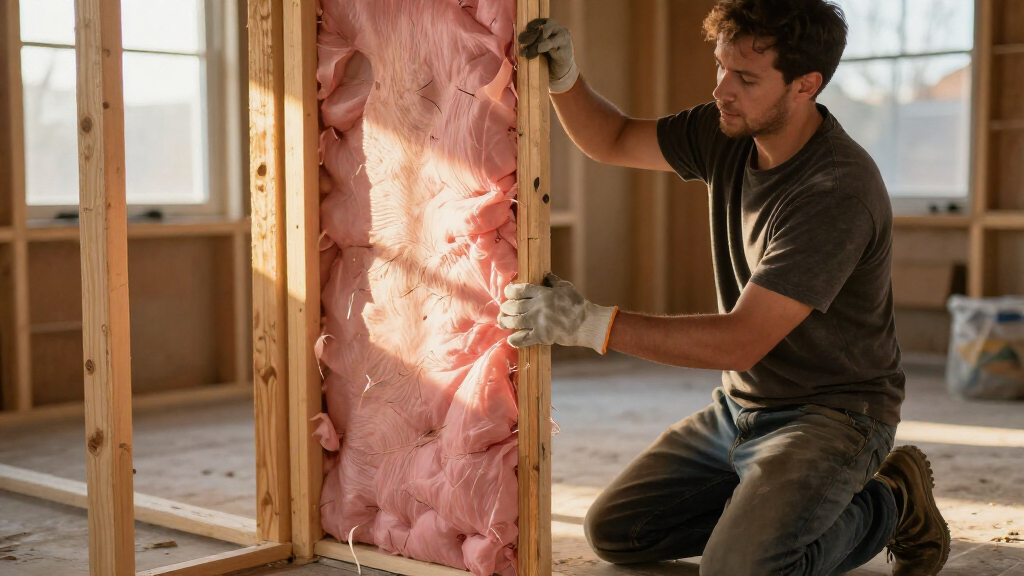
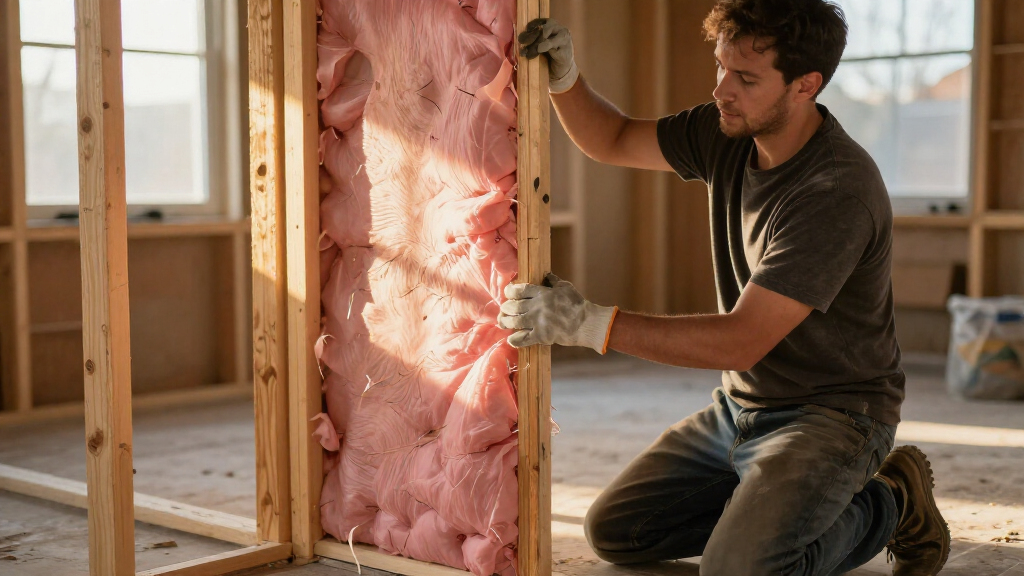
For buyers insulating conventional framing, these batts are the most direct cavity-fill option in this group. The R-19 rating and 6.5-inch thickness suit deeper framing, while eight 15-by-93-inch batts cover 77.5 square feet. That makes this a more appropriate choice for walls, floors, or attics needing substantial material than the thin reflective rolls from Reflectix, FONUNO, or LSGCQ. The unfaced design leaves out a vapor barrier, so the assembly may need a separate, correctly specified vapor-control layer; this is not a detail to guess at. Fiberglass also takes more care to handle and fit than a wipe-clean reflective sheet. I would favor these batts for planned cavity insulation, but not for shallow spaces or a project seeking a reflective surface.
Pros:- R-19 thermal resistance for deeper framing applications
- 77.5 square feet of coverage per bag
- Batts are described as easy to cut and able to recover quickly
- Can help reduce sound transmission
Cons:- Unfaced construction has no vapor barrier
- The 6.5-inch thickness does not suit shallow framing
- Fiberglass batts require a different fit and handling approach than reflective rolls
Best for: Renovators insulating 2×6 wall or floor framing, or deeper attic cavities, who need a substantial stated R-value.
Not ideal for: DIYers filling shallow cavities, seeking a built-in vapor barrier, or wanting a thin, wipe-clean reflective covering.
- Brand:Owens Corning
- Material:Fiberglass
- R-value:R-19
- Thickness:6.5 inches
- Batt dimensions:93 x 15 inches
- Coverage:77.5 sq ft
- Batts per bag:8
- Facing:Unfaced; no vapor barrier
Our verdict“Choose Owens Corning R-19 batts for deep framed cavities needing substantial thermal resistance, provided the assembly’s vapor-control needs are handled separately.”
SEALTECH 10 mm Reflective Foam Insulation Roll, 48 in × 20 ft
The SEALTECH roll pairs a 10 mm polyethylene foam core with reflective foil layers, making it a flexible choice for garages, roofs, and other areas where moisture resistance matters. Its stated coverage is more limited than the 100-foot US Energy Products Double Bubble roll, so it suits smaller jobs rather than broad coverage. The lightweight roll can also be used for sound dampening, although no sound-reduction figure is supplied; buyers should treat that benefit as qualitative. SEALTECH lists reflection of up to 95% of radiant energy, while the US Energy Products roll claims up to 97% and lists an R-8 value. Neither figure alone establishes performance in every installation, and SEALTECH provides no specific thermal rating. A further wrinkle is the conflicting width information: the listing says 48 inches, while item dimensions also state 12.6 inches.
Pros:- 10 mm virgin polyethylene foam core with reflective foil layers
- Moisture-resistant construction is suited to areas exposed to damp conditions
- Lightweight roll can be used across indoor or outdoor applications
- Designed to provide sound dampening as well as radiant-heat reflection
Cons:- Conflicting width details list both 48 inches and 12.6 inches
- No specific R-value or sound-reduction rating is provided
- Shorter listed length limits its usefulness for large insulation projects
Best for: DIYers insulating a modest garage, roof, or wall area who want a lightweight, moisture-resistant reflective roll and can verify the product width before ordering.
Not ideal for: Buyers covering large areas or choosing insulation by documented R-value; the roll’s listed coverage is limited, and its thermal rating is not specified.
- Brand:SEALTECH
- Thickness:10 mm
- Listed dimensions:48 in × 20 ft
- Listed coverage:960 sq ft
- Core material:100% virgin polyethylene foam
- Radiant energy reflection:Up to 95%
- Features:Moisture resistant; fire retardant; sound dampening
- Model number:ST-302-48X20
Our verdict“Choose SEALTECH for a smaller moisture-prone project where lightweight handling matters, but confirm the roll’s actual width and do not rely on it for a documented thermal rating.”
US Energy Products Double Bubble Reflective Foil Insulation, 48 in x 100 ft, R-8
For long runs across a garage, crawl space, roof, or ceiling, the US Energy Products roll stands out for its 48-inch width and 100-foot length. That format is much better suited to covering a broad area than the shorter SEALTECH roll, though the listed coverage figure of 400 square feet does not appear to match the stated dimensions, so I would verify usable coverage before planning a job. Its double-bubble construction, foil face, and waterproof white vinyl face offer a different setup from the BEEST spray foam kit: this is a cut-to-fit sheet product, not a gap-filling material. The listing states R-8 and up to 97% radiant-heat reflection, but does not give the test conditions or installation details behind the R-value. Installation still requires careful measuring, cutting, and fitting.
Pros:- Long 100-foot roll is suited to extended runs across broad surfaces
- Double-bubble construction adds cushioning alongside reflective layers
- Foil face and waterproof white vinyl face offer two different surface finishes
- Flexible material is designed to be cut and fitted for multiple building areas
Cons:- Listed 400-square-foot coverage conflicts with the stated 48-inch by 100-foot dimensions
- R-8 value is provided without test conditions or installation requirements
- Requires measuring, cutting, and fitting rather than simply filling irregular gaps
Best for: Homeowners lining large, accessible areas such as garages, crawl spaces, or roof sections who want a flexible reflective roll and are comfortable cutting and fitting it.
Not ideal for: People filling narrow gaps or needing a clearly documented installed R-value; the listed R-8 lacks test and installation context, and the coverage details conflict with the dimensions.
- Brand:US Energy Products
- Product type:Double-bubble reflective insulation
- Dimensions:48 in × 100 ft
- Listed coverage:400 sq ft
- Faces:Foil on one side; waterproof white vinyl on the other
- Radiant heat reflection:Up to 97%
- R-value:R-8; test conditions and installation requirements not specified
- Pack count:1
Our verdict“Pick this roll for broad, accessible surfaces where a long reflective sheet is practical, but verify its coverage and treat the stated R-8 as installation-dependent.”
BEEST FullStop Spray Foam Insulation Kit, 240 Board Feet
Unlike the SEALTECH and US Energy Products rolls, the BEEST kit is built to fill gaps and irregular spaces, where a sheet of reflective insulation may be difficult to fit. It includes 12 foam cans, an applicator gun, cleaner, gloves, goggles, and a coverall, giving a DIYer more of the equipment needed for a contained sealing job. The stated R-value is 8.24 at 2-inch thickness, and the foam bonds to common materials including wood, metal, drywall, concrete, and brick. Its application window is narrow, however: the specified temperature is 68–77°F, and accurate, controlled application matters. The kit also calls for protective gear and careful cleanup. With a listed capacity of up to 240 board feet, it is more appropriate for targeted air-sealing work than insulating large open surfaces.
Pros:- Kit includes 12 foam cans, applicator gun, cleaner, gloves, goggles, and coverall
- R-value of 8.24 is specified at a 2-inch thickness
- Foam is compatible with wood, metal, drywall, concrete, and brick
- Moisture-cured foam is described as helping resist water absorption
Cons:- Application temperature is limited to 68–77°F
- Spray foam application requires protective equipment, control, and careful cleanup
- Better suited to targeted gaps than broad surfaces that can be covered with a roll
Best for: DIYers sealing gaps around framing, utility penetrations, or mixed-material surfaces who can work within the 68–77°F application range and follow careful safety and cleanup steps.
Not ideal for: Homeowners covering broad walls, roofs, or other open surfaces, or anyone unable to control application temperature and use protective gear; a reflective roll is easier to fit across larger areas.
- Brand / manufacturer:BEEST / Petra
- Model:B-BNDL-SFI-12PK
- Kit contents:12 foam cans, applicator gun, foam cleaner, glasses, coverall, and gloves
- Coverage:Up to 240 board feet
- R-value:8.24 at 2-inch thickness
- Application temperature:68–77°F
- Material:Moisture-cured polyurethane foam
- Compatible surfaces:Wood, metal, drywall, concrete, and brick
- ASTM E84 indices:Flame Spread Index 0; Smoke Developed Index 120
Our verdict“Choose BEEST for targeted gap-filling on compatible surfaces when you can meet its temperature and safety requirements, rather than for covering large open areas.”
How We Picked
I compared the eight products by intended application, stated insulation information, coverage, dimensions, and installation demands. Those factors shape whether a product can do the job in a framed cavity, on a broad surface, or around awkward gaps. I also looked at practical project fit: roll length and width, batt dimensions, kit yield, and the amount of cutting or application control a buyer may need.
The ranking favors products with a clearer role and a better match between format and likely project, rather than treating every reflective roll as equivalent to cavity insulation. Owens Corning ranks first for its specified R-19 batt format; the large US Energy Products roll ranks well for extensive reflective-barrier work, while Reflectix offers a more manageable roll size. The spray foam kit and smaller reflective rolls can suit narrower needs, but their installation demands or limited coverage keep them from being universal picks. I do not treat an R-value or coverage figure as proof that a product is right for every wall, attic, or climate; assembly design and local requirements still matter.
| home insulation product | Brand | Material |
|---|---|---|
| US Energy Products Reflective | US Energy Products | Foam core with double-sided metalized film |
| Reflectix BP24025 Reflective B | Reflectix | Aluminum foil, polyethylene, and insulating bubbles |
| FONUNO Reflective Bubble Insul | FONUNO | Reflective aluminum film and polyethylene |
| LSGCQ Double-Reflective Bubble | LSGCQ | Aluminum |
| Owens Corning R-19 Unfaced Fib | Owens Corning | Fiberglass |
| SEALTECH 10 mm Reflective Foam | SEALTECH | — |
| US Energy Products Double Bubb | US Energy Products | — |
| BEEST FullStop Spray Foam Insu | — | Moisture-cured polyurethane foam |
Factors to Consider When Choosing Best Home Insulation Products
Before choosing among these products, start with the location and assembly you plan to insulate. A material that fits an open framed cavity may be unsuitable for a roof surface or a retrofit where access is limited. These checks can prevent wasted material, poor fit, and a mismatch between the product’s stated performance and how it is installed.
Match the Material to the Assembly
Identify whether the job is a framed wall or ceiling cavity, an exposed surface, or a set of irregular gaps. Fiberglass batts are sized for cavities, while reflective products depend on their placement and adjacent air space to perform as intended. Spray foam can suit uneven openings, but its application and curing requirements differ from placing a batt or fastening a roll. A frequent mistake is choosing by product name alone without checking whether the assembly supports that material. If the location is enclosed, damp, or part of a roof or wall system, check compatibility with the existing layers before buying. For a large renovation, local building guidance can help clarify required thermal performance and safe installation details.
Compare R-Value in Context
R-value describes resistance to heat flow, but a listed number does not make two different product types interchangeable. Check whether the figure applies to the material by itself, a particular thickness, or a tested installation arrangement. Reflective insulation commonly relies on a facing and an air space, so compressing it against another surface can change its usefulness. For batts, fit matters too: gaps, compression, and uncovered edges can reduce the benefit of the installed insulation. Compare the product documentation with the performance target for the specific part of the home, not just with another number on a package. When the listing does not clearly explain the test conditions, avoid assuming the highest-looking figure will deliver the best result in your assembly.
Calculate Coverage and Seams Before Ordering
Measure the surface area and account for framing, openings, overlaps, and offcuts before selecting roll length or batt quantity. A long, wide roll can reduce joins across a broad area, but it may be awkward to handle in a small room or through a narrow access point. Short rolls are easier to manage and can limit leftover material on small projects, though they may create more seams on larger surfaces. For batts, cavity dimensions matter more than a rough wall-area estimate; incorrectly sized pieces can leave gaps or require extra trimming. Spray foam yield is also a planning figure, not a promise that every project will use exactly the advertised board feet. Keep a modest allowance for cuts and layout, while avoiding an oversized order that is hard to store or use safely.
Plan for Installation Skill and Safety
Installation effort ranges from fitting batts to applying a two-part spray foam kit, and that difference should influence the purchase. Fiberglass handling calls for suitable protective clothing and careful cleanup, while reflective rolls need secure fastening and neat seam treatment. Spray foam demands close attention to the kit instructions, protective equipment, ventilation, temperature limits, and curing conditions. Do not assume a do-it-yourself label means the material is low-risk or forgiving of mistakes. If the work involves a large area, restricted ventilation, or a location where an error could be difficult to correct, professional installation may be the safer choice. Factor tools, preparation, and cleanup into the project plan, not only the insulation material.
Check Moisture, Fire, and Building Requirements
Insulation affects more than heat loss: it can alter how moisture moves through a wall or roof and may need protection from fire exposure. Confirm the product’s approved uses, facing requirements, and any needed barriers for the intended location. Avoid covering a damp assembly or blocking a ventilation path without understanding the consequences for the building. Product descriptions may not answer every question about vapor control, ignition barriers, or local code, especially for unusual assemblies. If you are insulating a basement, roof, garage, or area near heat-producing equipment, verify the requirements before installation. Resolving these details first is less costly than removing material after it has concealed a moisture or safety problem.
Decide When a Higher-Skill Option Is Worth It
Paying for a more involved format makes sense when its strengths solve a real project problem, not simply because it sounds more advanced. Spray foam may be worth the added care where irregular gaps make rigid or batt materials hard to fit, while batts can be a more straightforward choice for accessible, regularly spaced cavities. Reflective rolls can suit broad surfaces where the assembly allows the necessary air space and the product is installed as directed. A premium-sized roll is not automatically better if the project is small or the material is difficult to position. Compare total usable coverage, waste, preparation, and likely installation help alongside the product specification. For a simple, accessible cavity, spending on a complicated application method may add work without solving a meaningful fit issue.
Frequently Asked Questions
Can reflective bubble insulation replace fiberglass batts in a wall?
Not automatically. Reflective bubble products and fiberglass batts work differently, and their stated performance may depend on the installation conditions, including an adjacent air space. A batt labeled for a framed cavity is a more direct match for that use than a reflective roll unless the roll’s instructions and the wall assembly support that application. Check the product documentation and local requirements before substituting one type for another. If the wall is already closed, also consider access, moisture control, and how the new layer will connect to the existing assembly.
Which product makes the most sense for a small DIY project?
For a small, straightforward framed cavity, the Owens Corning batts are the clearest fit in this lineup, provided the cavity dimensions match and you can follow safe handling guidance. For a small reflective-barrier job, Reflectix BP24025 offers a shorter roll than the 100-foot US Energy Products option, which can make planning and handling easier. The FONUNO and LSGCQ rolls are also short-format options, but their listed 10-foot lengths limit how much area they cover. Choose based on the surface and installation method first, then compare how much material the measured job requires.
How much insulation should I buy for my project?
Measure the actual cavities or surfaces rather than relying only on the room’s floor area. For batts, count the spaces and check their width and depth; for rolls, calculate the surface area while allowing for seams, overlaps, and cutoffs. The spray foam kit’s stated board-foot yield should be treated as a planning estimate that depends on application thickness and conditions. Review the package dimensions and coverage details carefully, since roll width and length can make two products with similar names very different for a particular job. If the project has many irregular areas, ask the manufacturer or installer how to estimate material needs before ordering.
Is the BEEST spray foam kit a good choice for a first-time installer?
It may not be the easiest starting point for someone unfamiliar with spray foam. A kit requires careful preparation, protective equipment, ventilation, correct temperature and application conditions, and attention to curing instructions. Mistakes can leave uneven coverage or create cleanup problems that are harder to correct than a poorly cut batt. For a small, accessible cavity, a simpler material may be easier to control. If you still prefer the kit, read all instructions in advance and consider professional help for a large or enclosed application.
What should I verify before using reflective insulation in an attic or roof?
Check whether the exact product is approved for that location and how it must be installed, including any required air space, fastening method, and seam treatment. Do not assume that a reflective roll can be laid directly against every roof surface or used to replace existing cavity insulation. Attics also involve ventilation, moisture, and fire-safety details that vary by assembly and local rules. Confirm that the installation will not block vents or trap moisture before covering the area. If the roof construction is unfamiliar, consult a qualified building professional before proceeding.
Conclusion
For most buyers insulating a conventional, accessible framed cavity, I would start with Owens Corning R-19 Fiberglass Batts as the best overall choice in this lineup. For a large reflective-barrier project with a suitable installation, the US Energy Products 48-inch-by-100-foot roll is my best value-style pick for coverage, while Reflectix BP24025 is a more manageable option for smaller reflective jobs. Beginners should favor a material that matches a simple, accessible assembly and be cautious with the BEEST spray foam kit, which asks more of the installer. For irregular gaps where foam’s application format fits the job, BEEST is the specialized pick; for short-run reflective work, compare the FONUNO and LSGCQ rolls by documentation and measured coverage. My final recommendation is to verify the assembly, required performance, and installation conditions before choosing—no single product here suits every part of a home.