TL;DR
A home advice article recommends opening windows for around 10 minutes in the morning to replace humid indoor air and help reduce condensation. A surveyor says the method can help, alongside extractor fans and clear trickle vents; condensation between double-glazed panes may signal a failed seal instead.
A home advice article recommends opening bedroom windows for about 10 minutes each morning to let humid indoor air out and reduce condensation during winter. The routine, described by the writer as “burping” the home, is supported by a surveyor’s explanation of how ventilation can lower indoor moisture, but it is not a fix for every cause of damp or window condensation.

Get cleaning gear delivered free with Prime
- Fast, free delivery on millions of items
- Prime Video, Amazon Music and more included
- Member-only deals all year
The writer says condensation becomes more noticeable in winter, when windows are kept shut because of the cold. Indoor moisture comes from ordinary activities including cooking, showering, breathing and drying laundry. When that moisture remains indoors, it can settle as water droplets on cold surfaces such as window glass or external walls.
Elliot Anderson-Evans, an RICS surveyor at Elliot & Hill, says opening windows briefly can clear moisture-heavy air. He recommends the approach once or twice a day, ideally after cooking or showering, as well as in the morning. He says the room’s walls, floors and furniture retain heat while the air is changed, unlike leaving a window open for a prolonged period, which allows more heat to escape.
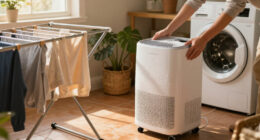
The article also recommends using extractor fans while cooking or showering and checking that window trickle vents are open and not blocked. Other options mentioned include dehumidifiers and removing water from the glass. These measures are presented as ways to manage moisture; the source does not provide test results or quantify how much condensation the routine prevents.
Tackle bedroom window condensation with a short morning air-out
A brief air change can help lower indoor moisture in winter. Pair it with ventilation habits, and check where condensation is forming.
A simple daily routine
The article recommends airing rooms once or twice a day, especially after activities that add moisture.
Air the room for about 10 minutes in the morning.
Repeat after cooking or showering to clear moisture-heavy air.
Use extractor fans and keep trickle vents open and clear.
Where indoor moisture comes from
Everyday activities add water vapour to the air, which can settle on cold surfaces.
Cooking and showering
Steam adds moisture indoors; extractor fans can help remove it.
Breathing and laundry
Breathing and drying washing indoors also add moisture to the air.
Droplets form
Moist air meeting cold glass or external walls can form condensation.
Short airing or prolonged venting?
A surveyor says a quick air change can clear humid air while room surfaces retain heat.
- Can help clear moisture-heavy air.
- Recommended in the morning and after steam-producing activities.
- Allows more heat to escape over time.
- Does not guarantee a fix for every cause of condensation.
Check where the condensation is
The location can point to different causes and next steps.
| Where it appears | What the article says |
|---|---|
| Room-facing glass | May be related to indoor moisture and cold surfaces; ventilation can help manage it. |
| Between double-glazed panes | Usually indicates a failed sealed unit; opening windows will not resolve it. |
Reducing Moisture Without Prolonged Venting
Condensation is not just a matter of wet glass: persistent moisture can contribute to damp and mould. Short periods of ventilation offer a simple step households can try, particularly when windows are otherwise kept closed for warmth. The advice also distinguishes a quick air change from leaving windows open all day, which the surveyor says can lead to greater heat loss.
The routine is not a guaranteed remedy. Its usefulness depends on the source of the moisture, the home’s ventilation and the condition of its windows. The practical takeaway is to combine ventilation with moisture control, and to investigate recurring or unusual condensation rather than assuming one habit will resolve it.
Products Worth Considering

Dyson Airwrap i.d. Multi-Styler with Bluetooth Connectivity

Arlo Pro Wireless Security Camera, 2K HDR, 6th Generation, 4-Camera Set

iRobot Roomba 105 Combo Robot Vacuum and Mop with AutoEmpty Dock
As an affiliate, we earn on qualifying purchases.
How Indoor Moisture Reaches Windows
Condensation forms when warm, moist air meets a colder surface. Water vapour in the air then turns into droplets, often visible on bedroom windows on cold mornings. Winter can make the problem more apparent because people tend to keep windows closed, while daily household activities continue adding moisture indoors.
The source describes the practice using the German terms Lüften and Stoßlüften, referring to airing rooms by opening windows and doors for a short period. The writer’s “burping” label is a personal description, not a formal technical term. The supplied article provides no independent study or measured results for the routine.
“Cooking, showering, breathing and drying washing indoors all add water to the air, and a lot of it builds up over a day. Burping gets that moisture out quickly.”
— Elliot Anderson-Evans, RICS surveyor at Elliot & Hill
When Ventilation Will Not Be Enough
The source does not give comparative measurements, a study period or a quantified estimate of how much the routine reduces condensation. Its advice is based on the writer’s experience and comments from two named industry experts, so results may vary between homes.
It is also not clear from the article whether recurring condensation in a particular home is caused mainly by limited ventilation, high moisture production, cold surfaces or another building issue. Coates says moisture between the panes of double glazing usually indicates a failed sealed unit; that condition is different from droplets on the room-facing glass and will not be resolved simply by opening windows.
Check Vents and Track Recurrence
The advice is to try short ventilation periods once or twice daily, particularly in the morning and after activities that produce steam, while using extractor fans and keeping trickle vents clear. Residents can observe where and when condensation appears to help distinguish a recurring surface-moisture problem from condensation trapped inside glazing.
If the moisture persists despite ventilation, or appears between double-glazed panes, the article suggests that further investigation may be needed. It does not set out a formal inspection process or identify a specific next step for individual households.
Key Questions
How long should I open the windows?
The article recommends opening windows for about 10 minutes in the morning. The surveyor says the approach can be used once or twice a day, ideally after cooking or showering as well.
Why can opening a window reduce condensation?
It can replace humid indoor air with outdoor air that contains less moisture. With less water vapour indoors, there may be less moisture to form droplets on cold windows.
What else can help control indoor moisture?
The article recommends running extractor fans while cooking or showering, keeping trickle vents open and unobstructed, and considering a dehumidifier. These steps manage moisture but may not address every underlying cause.
What does condensation between double-glazed panes mean?
Window expert Darren Coates says it usually indicates that the sealed unit has failed. Opening the windows will not fix moisture trapped between the panes.
Source: idealhome.co.uk