
Climate-adaptive thermostats automatically tailor your home’s temperature by analyzing real-time weather data, outdoor conditions, and your routines. They pre-heat or cool your home ahead of weather changes, helping you stay comfortable while saving energy. These smart devices learn your preferences over time and adjust settings accordingly, reducing manual effort. By anticipating weather patterns, they guarantee reliable comfort during extreme events. Keep exploring to discover how these intelligent systems can transform your home climate management.
Key Takeaways
- Automatically adjust indoor temperature settings based on real-time weather forecasts and outdoor climate conditions.
- Pre-heat or pre-cool your home ahead of changing weather patterns to maintain comfort and energy efficiency.
- Use adaptive algorithms to learn your routines and optimize climate control accordingly.
- Respond proactively to weather changes like cold fronts or heatwaves to ensure consistent indoor comfort.
- Provide remote access and user-friendly controls for personalized climate management from anywhere.
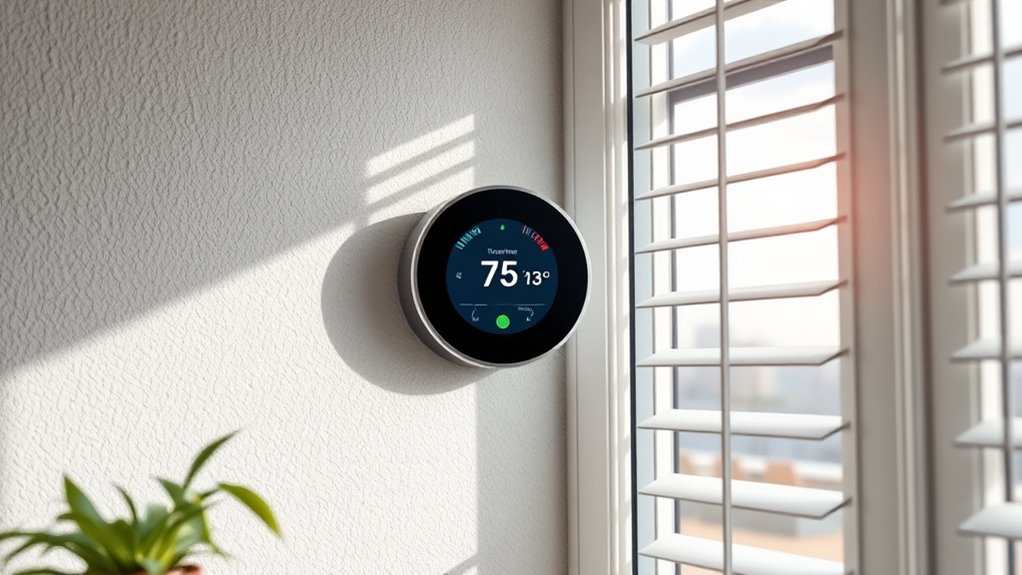
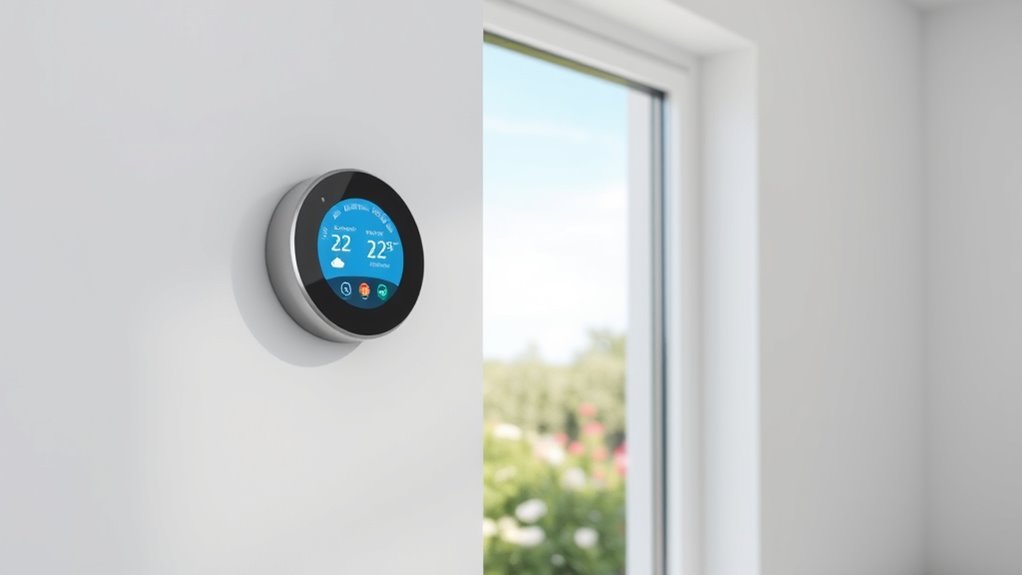
As climate change accelerates, traditional thermostats no longer suffice for efficient home heating and cooling. You need smarter solutions that adapt to fluctuating weather patterns, ensuring your home stays comfortable while conserving energy. Climate-adaptive thermostats are designed to do just that—they automatically adjust their settings based on real-time weather data and your daily routines. This means you won’t have to manually tweak your temperature controls, saving you time and effort while optimizing energy efficiency and maintaining user comfort. These devices connect to weather forecasts and local climate information, allowing them to anticipate changes and respond proactively. For example, if a cold front is approaching, your thermostat can pre-heat your home, preventing discomfort and reducing the need for sudden, energy-intensive heating later. Conversely, if a warm spell is forecasted, it can lower cooling efforts, preventing unnecessary energy consumption.
By analyzing data such as outdoor temperature, humidity, and even sunlight levels, climate-adaptive thermostats create a more personalized environment. You benefit from consistent comfort because your home’s climate responds to actual conditions rather than fixed schedules or manual adjustments. This dynamic approach also extends to understanding your habits—if you typically leave for work at a certain time, the thermostat can gradually adjust temperatures to save energy while you’re away, then return to comfort levels before you arrive home. Over time, these intelligent systems learn your preferences, further refining their responses to maximize efficiency without sacrificing user comfort.
Implementing climate-adaptive thermostats also contributes to significant energy savings. By avoiding unnecessary heating or cooling, you cut down on energy bills and reduce your carbon footprint. This is especially important as extreme weather events become more common, making traditional thermostats less reliable and less efficient. You gain peace of mind knowing your home adapts seamlessly to changing conditions, ensuring comfort during heatwaves or cold snaps without excessive energy use. Plus, many of these thermostats are user-friendly, offering intuitive controls and remote access via smartphones, so you can manage your home climate from anywhere.

Aqara Smart Thermostat W200 with Apple Adaptive Temperature & Clean Energy Guidance, 4" Touchscreen, Matter Controller, Built-in Radar Sensor, Works with Apple Home, Siri, Google Assistant, Alexa
Apple Adaptive Temperature – With the Apple Home app, Adaptive Temperature uses your iPhone to adjust the thermostat…
As an affiliate, we earn on qualifying purchases.
As an affiliate, we earn on qualifying purchases.
Frequently Asked Questions
Do Climate-Adaptive Thermostats Require Professional Installation?
You don’t always need a professional for installing climate-adaptive thermostats; many models support DIY installation. However, you should perform compatibility checks beforehand to verify the thermostat works with your heating and cooling system. While some users find it straightforward, if you’re unsure about wiring or system compatibility, hiring a professional can save you time and prevent potential issues. Always follow manufacturer instructions for a safe, successful setup.
How Do These Thermostats Handle Sudden Weather Changes?
You might think sudden weather changes can throw off climate-adaptive thermostats, but they actually handle them well. They use weather prediction data and rely on sensor accuracy to adjust settings quickly. When a storm hits or temperatures drop unexpectedly, these thermostats react in real-time, ensuring your home stays comfortable. Their smart algorithms constantly update, so you don’t have to manually intervene, keeping your environment consistent despite unpredictable weather shifts.
Are Climate-Adaptive Thermostats Compatible With All HVAC Systems?
Yes, climate-adaptive thermostats are compatible with most HVAC systems, especially when integrated into your smart home setup. They adjust settings automatically based on weather patterns, which helps you save energy and lower utility bills. To verify compatibility, check the thermostat’s specifications and your system’s requirements. With smart home integration, you can control and monitor your system remotely, maximizing energy savings and comfort effortlessly.
What Is the Cost Difference Compared to Traditional Thermostats?
Think of switching from a traditional thermostat to a climate-adaptive one as upgrading from a bicycle to a sports car. The cost comparison shows climate-adaptive thermostats generally cost more, with a price range between $100 to $250, depending on features. This investment offers smarter, weather-responsive control, saving you energy and money long-term. While pricier upfront, the enhanced comfort and efficiency make it a worthwhile upgrade.
Can These Thermostats Learn User Preferences Over Time?
Yes, climate-adaptive thermostats learn your preferences over time. They use learning capabilities to track your schedule and comfort levels, automatically adjusting settings for ideal comfort and energy savings. As you use them, they become better at predicting your needs, reducing the need for manual adjustments. This personalized approach helps you save energy and maintain a comfortable environment, making your home more efficient and tailored to your lifestyle.

ecobee Smart Thermostat Essential – Energy Star Certified programmable Wi-Fi Thermostat – Works with Siri, Alexa, and Google Assistant
Save up to 23% every year on heating and cooling costs, adjusts to your set schedule to save…
As an affiliate, we earn on qualifying purchases.
As an affiliate, we earn on qualifying purchases.
Conclusion
By using climate-adaptive thermostats, you can save energy and stay comfortable year-round. These smart devices adjust settings based on weather, helping you reduce costs and your carbon footprint. Did you know that homes with climate-adaptive thermostats can cut energy bills by up to 15%? Embracing this technology not only benefits your wallet but also supports a healthier planet. So, consider upgrading your thermostat today and enjoy smarter, more efficient climate control.
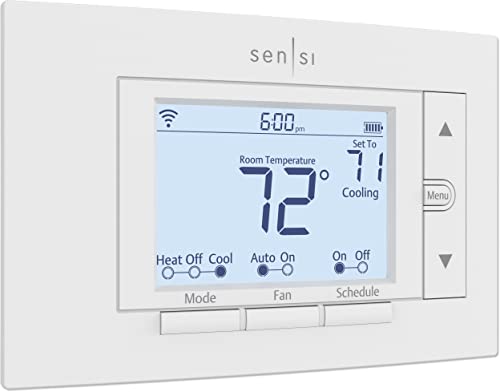
Emerson Sensi Wi-Fi Smart Thermostat for Smart Home, DIY, Works With Alexa, Energy Star Certified, ST55
PRIVACY PROTECTION*: Sensi won’t sell your personal information to third parties
As an affiliate, we earn on qualifying purchases.
As an affiliate, we earn on qualifying purchases.

Amazon Smart Thermostat – Save money and energy – Works with Alexa and Ring – C-wire required
An Alexa thermostat – Amazon Smart Thermostat is an easy way to switch from a traditional thermostats for…
As an affiliate, we earn on qualifying purchases.
As an affiliate, we earn on qualifying purchases.