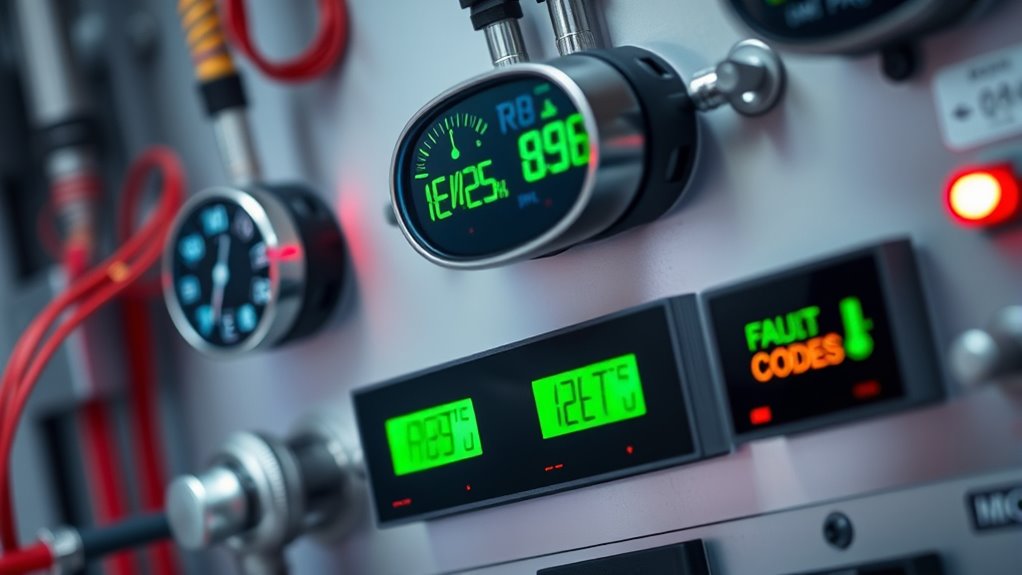

Smart sensors in HVAC systems actively monitor pressures, temperatures, and fault codes to guarantee ideal performance. They provide real-time data that helps you respond quickly to changing conditions, improve energy efficiency, and catch issues early. By continuously calibrating and detecting minor fluctuations, these sensors prevent costly repairs and maintain system reliability. If you want to discover how these advanced sensors can enhance your HVAC efficiency and sustainability, there’s more to learn ahead.

Get cleaning gear delivered free — and shop member deals
- Fast, free delivery on millions of items
- Access to Prime Big Deal Days deals on October 6–7
- Prime Video, Amazon Music and more included
Key Takeaways
- Smart sensors continuously track pressures, temperatures, and fault codes to optimize HVAC system performance.
- They provide real-time data that enables immediate adjustments for better climate control.
- Proper calibration maintains sensor accuracy, preventing measurement drift and system inefficiencies.
- Fault detection through sensor data helps identify issues early, reducing maintenance costs and downtime.
- Overall, smart sensors improve energy efficiency, system reliability, and environmental comfort in HVAC systems.
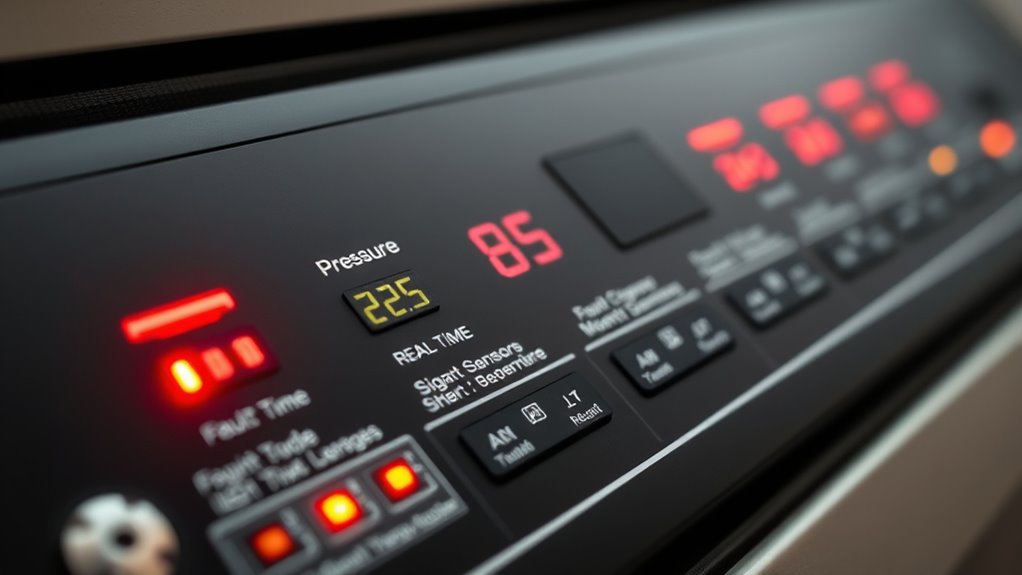
Have you ever wondered how modern HVAC systems optimize comfort and efficiency? The answer lies in smart sensors that continuously monitor pressures, temperatures, and fault codes. These sensors are the backbone of advanced climate control, enabling your system to respond instantly to changing conditions. When functioning properly, they help maximize energy efficiency, reducing your energy bills and environmental impact. But to do this effectively, sensor calibration is essential. Proper calibration ensures that sensors provide accurate readings, which in turn allows the system to make precise adjustments. Without it, readings can drift over time, leading to inefficiencies or even system failures. That’s why regular calibration checks are necessary, especially as sensors age or experience environmental shifts.
Smart sensors are designed to detect even minor fluctuations in temperature and pressure. They send real-time data to the HVAC control unit, which processes this information to optimize operation. For example, if a sensor detects that a room is warmer than desired, it signals the system to increase cooling or heating accordingly. This responsiveness not only enhances comfort but also prevents energy waste caused by overcompensation. By accurately sensing the environment, the system avoids running unnecessarily, conserving energy and lowering costs. This is particularly important in large or complex systems where small inefficiencies can add up quickly.
Smart sensors detect minor temperature and pressure changes to optimize HVAC efficiency and comfort.
Fault detection is another key advantage of these sensors. When a fault code appears, it indicates an issue that needs attention, such as a clogged filter, refrigerant leak, or malfunctioning component. The sensor’s ability to identify these problems early prevents larger breakdowns and costly repairs down the line. It also helps maintenance teams quickly pinpoint the source of the problem, saving time and minimizing downtime. Regular sensor calibration enhances this fault detection capability because it ensures that error signals are based on accurate data. When sensors are calibrated correctly, false alarms decrease, and genuine issues are flagged more reliably, leading to better maintenance planning.
In essence, smart sensors in HVAC systems do more than just monitor; they actively improve system performance through precise measurements and timely alerts. Their role in maintaining energy efficiency cannot be overstated, especially when combined with diligent sensor calibration. Properly calibrated sensors guarantee that your system responds accurately to the environment, delivering ideal comfort while using energy wisely. This synergy between sensor accuracy and smart technology helps you enjoy a more comfortable indoor climate, lower energy bills, and a more sustainable operation overall. The future of HVAC is smarter, and it hinges on the continual precision and calibration of these essential sensors.
As an affiliate, we earn on qualifying purchases.
Frequently Asked Questions
How Do Smart Sensors Improve HVAC Energy Efficiency?
Smart sensors improve your HVAC energy efficiency by constantly monitoring energy consumption, allowing you to identify and reduce waste. They automatically calibrate themselves for accurate readings, ensuring ideal system performance. With real-time data on pressures and temperatures, you can make informed adjustments, preventing overuse. This proactive approach minimizes energy use, lowers utility bills, and extends equipment lifespan, making your HVAC system more efficient and environmentally friendly.
Can Smart Sensors Detect System Leaks Automatically?
Yes, smart sensors can detect system leaks automatically. They use advanced leak detection methods, such as monitoring pressure drops or unusual temperature changes, to identify leaks early. Regular sensor calibration guarantees accuracy, helping you catch small leaks before they become major issues. By continuously monitoring system performance, these sensors provide real-time alerts, allowing you to act quickly and prevent costly damage or energy loss.
What Is the Typical Lifespan of HVAC Smart Sensors?
You can expect your HVAC smart sensors to last around 5 to 10 years, depending on factors like sensor calibration and placement. Proper calibration ensures accurate readings, while correct placement reduces wear and tear. Regular maintenance and timely calibration can extend their lifespan. Keep an eye on performance, and if readings become inconsistent, consider replacing sensors sooner to maintain ideal system efficiency.
Are Smart Sensors Compatible With All HVAC Brands?
Think of smart sensors as puzzle pieces—each designed to fit perfectly. You might encounter compatibility issues with some HVAC brands, as sensor integration isn’t universal. Not all systems support every smart sensor, so you’ll need to verify compatibility before installation. To guarantee seamless operation, check manufacturer specifications and choose sensors specifically designed for your HVAC brand, avoiding frustrating mismatches and ensuring ideal performance.
How Secure Is Data Collected by HVAC Smart Sensors?
The data collected by your HVAC smart sensors is generally secure thanks to data encryption, which protects your information from unauthorized access. However, you should be aware of privacy concerns, especially if the system connects to the internet. To keep your data safe, verify the manufacturer uses strong encryption standards and updates their security protocols regularly. Being proactive helps prevent potential breaches and keeps your system secure.
HVAC pressure temperature sensor
As an affiliate, we earn on qualifying purchases.
As an affiliate, we earn on qualifying purchases.
Conclusion
By now, you see how smart sensors revolutionize HVAC systems, enabling real-time monitoring of pressures, temperatures, and fault codes. They make your system smarter, more efficient, and easier to maintain—like having your own personal butler for your climate control. Embracing this technology today guarantees comfort and savings tomorrow, proving that even in this digital age, a touch of Victorian ingenuity still has its place in modern innovation. Stay ahead and enjoy a smarter, more reliable HVAC experience.
As an affiliate, we earn on qualifying purchases.
As an affiliate, we earn on qualifying purchases.
Evergreen bestsellers Picks
bestsellers
As an affiliate, we earn on qualifying purchases.