
To understand tax incentives and rebates for energy-efficient HVAC upgrades, start by exploring federal, state, and local programs that offer credits or deductions. Many utility companies also provide rebates or discounts when you install ENERGY STAR-certified systems. Keep track of documentation like receipts and certification to claim these benefits. Since incentives can change, staying informed helps maximize savings. Keep going to discover how you can take full advantage of these financial perks.

Get cleaning gear delivered free — and shop member deals
- Fast, free delivery on millions of items
- Access to Prime Big Deal Days deals on October 6–7
- Prime Video, Amazon Music and more included
Key Takeaways
- Tax incentives can significantly reduce the overall cost of upgrading to energy-efficient HVAC systems through credits that lower your tax liability.
- Utility rebates and incentives often complement tax credits, offering immediate savings or discounts during installation.
- Documentation such as receipts and certification is essential for claiming federal or state tax credits for HVAC upgrades.
- Incentive programs vary by location and change periodically; staying informed ensures you maximize available benefits.
- Consulting with certified HVAC contractors helps identify eligible incentives and guides you through the application process.
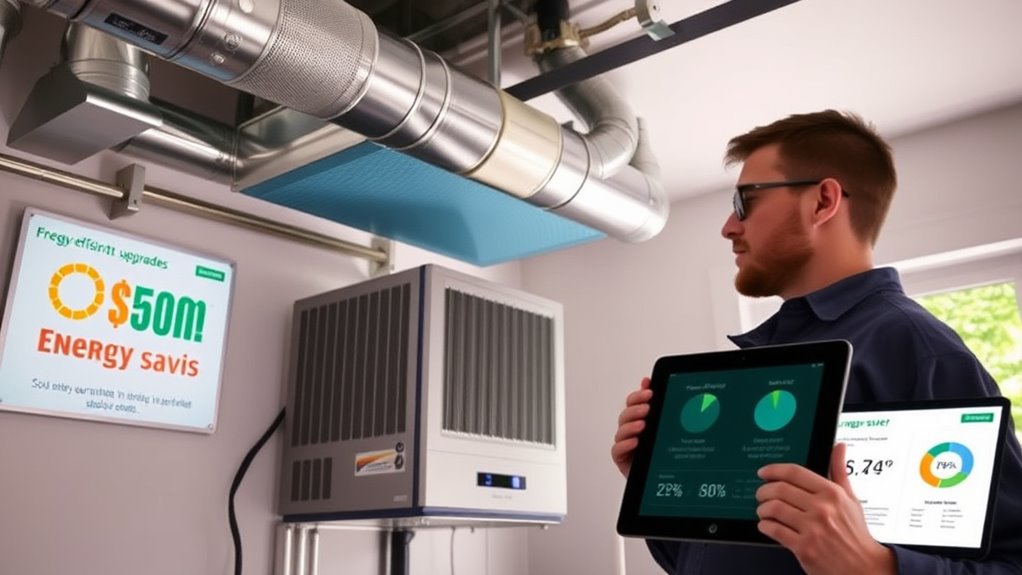
Upgrading to energy-efficient HVAC systems not only reduces your carbon footprint but can also lead to significant savings through various tax incentives and rebates. When you choose to modernize your heating, ventilation, and air conditioning, you’re not just making an eco-friendly decision—you’re also unlocking financial benefits that can make the upgrade more affordable. One of the main advantages is the potential for substantial cost savings over time. Energy-efficient systems consume less power, which lowers your monthly utility bills. Although the upfront investment might seem hefty, the long-term savings on energy costs can outweigh the initial expense, especially when combined with available incentives.
Many government programs and local utility companies offer installation incentives designed to encourage homeowners to adopt greener technologies. These incentives can come in the form of rebates, discounts, or direct financial incentives that reduce the overall cost of your HVAC upgrade. For example, utility companies often provide rebates for installing ENERGY STAR-rated equipment, which is known for its high efficiency and environmental benefits. These incentives are typically easy to access—once you’ve selected an eligible system and work with certified installers, you can apply for these rebates through simple online forms or mail-in applications. This effectively lowers your initial investment, making energy-efficient HVAC upgrades more financially feasible.
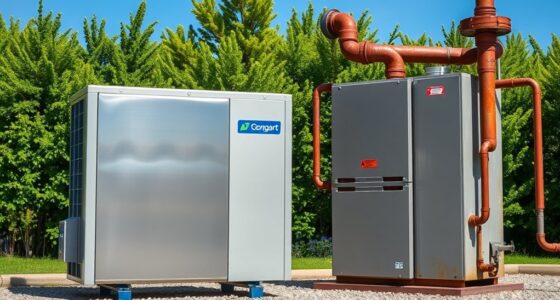
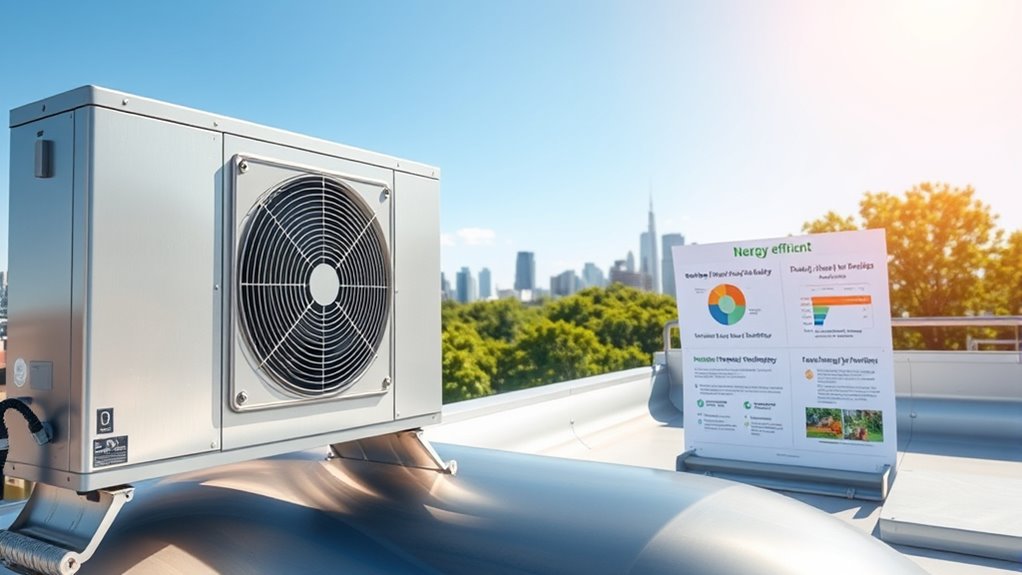
Many utility companies offer rebates for ENERGY STAR HVAC systems, making upgrades more affordable and accessible.
Tax incentives are another essential aspect. Depending on your location and the specifics of your upgrade, you might qualify for federal, state, or local tax credits. These credits directly reduce your tax liability, sometimes by a significant percentage of the installation costs. The federal government, for example, has periodically offered tax credits for energy-efficient home improvements, including HVAC systems. To take advantage of these, you’ll want to keep detailed records of your purchase and installation, including receipts and certification documentation. When tax season arrives, you can claim these credits, which directly decrease your tax bill, providing further cost savings.
Additionally, understanding policy incentives can help you maximize your benefits, as these incentives often change based on new regulations and energy goals. It’s important to stay informed about current programs, as incentives and rebates often change year to year. Consulting with certified HVAC contractors familiar with local rebate programs can help you identify the best options available in your area. By leveraging these incentives and rebates, you’re not only making an environmentally responsible choice but also making your investment more economical. These financial perks are designed to offset the upfront costs, making it easier for you to afford a modern, energy-efficient HVAC system that saves you money in the long run.
As an affiliate, we earn on qualifying purchases.
Frequently Asked Questions
Are Tax Incentives Available for Commercial HVAC Systems?
Yes, tax incentives are available for commercial HVAC systems that promote renewable energy and energy efficiency. You can take advantage of federal and state programs designed to encourage businesses to upgrade to more sustainable, energy-efficient equipment. These incentives often include tax credits, rebates, or deductions, helping you reduce upfront costs while supporting environmentally friendly practices. Make sure to check local regulations and eligibility requirements to maximize your benefits.
How Do I Apply for HVAC Upgrade Rebates?
Think of the rebate application process as steering through a labyrinth like Daedalus’s maze. First, check your eligibility criteria—ensure your HVAC upgrade qualifies for rebates. Then, gather necessary documents like receipts and proof of energy efficiency. Fill out the application form carefully, submitting it through your utility provider or local government portal. Keep copies for your records, and monitor your application status until you receive your rebate.
What Documentation Is Required for Tax Incentive Claims?
For tax incentive claims, you need to gather documentation requirements like receipts, proof of purchase, and certification of energy-efficient upgrades. The claim submission process usually involves filling out IRS forms and attaching these documents. Make certain to keep copies of all paperwork, including manufacturer certifications and invoices, to support your claim. Double-check specific program guidelines to verify you’ve met all documentation requirements for a smooth and successful tax incentive claim.
Do Incentives Cover Partial or Full HVAC Replacement Costs?
Incentives can cover both partial and full HVAC replacement costs, depending on the program and your eligibility. When planning financially, consider how incentives impact your overall costs and benefits. It’s essential to select a qualified contractor who understands these programs to maximize your savings. Proper contractor selection ensures you receive accurate estimates and necessary documentation, making your financial planning smoother and helping you capitalize on available rebates and incentives effectively.
Are There Regional Differences in Available HVAC Energy Incentives?
Regional variations and incentive disparities definitely influence your options. Different regions deliver diverse incentives, depending on local policies, climate needs, and budgets. Some areas offer substantial rebates and tax credits, while others provide limited or no support. You should research your specific location’s programs because these regional differences can markedly impact your decision-making process. Tailoring your upgrade strategy to local incentives ensures you maximize savings and benefits.
As an affiliate, we earn on qualifying purchases.
Conclusion
Think of tax incentives and rebates as your guiding stars, lighting the path toward a more energy-efficient home. When you upgrade your HVAC system, you’re planting seeds that grow into savings and sustainability. Embrace these financial boosts like a gentle breeze, clearing your skies of costly clouds. With every step, you’re shaping a greener future—turning your home into a fortress of comfort and eco-friendly living, all while keeping your wallet happy.
As an affiliate, we earn on qualifying purchases.
As an affiliate, we earn on qualifying purchases.
Evergreen bestsellers Picks
bestsellers
As an affiliate, we earn on qualifying purchases.