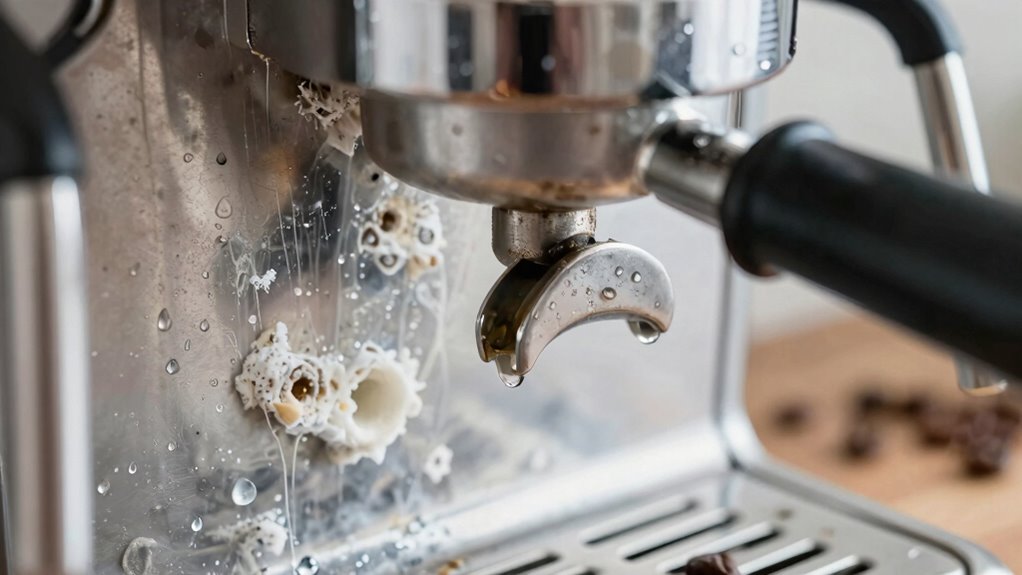

Ignoring proper descaling, using harsh or incorrect products, or skipping thorough rinsing can silently damage your espresso machine over time. Mineral buildup from hard water causes internal corrosion, clogs, and seals to wear out prematurely. Descaling too often or infrequently also harms internal parts. Extreme temperatures and neglecting maintenance accelerate internal deterioration. If you wanna keep your machine running smoothly and avoid costly repairs, you’ll want to learn how to avoid these common mistakes before they cause serious damage.
Key Takeaways
- Using improper or harsh descaling chemicals can corrode internal parts and void warranties.
- Skipping or delaying regular descaling allows mineral buildup to cause internal clogs and damage over time.
- Inadequate rinsing after descaling leaves residues that accelerate corrosion and internal deterioration.
- Descaling during extreme temperatures or inactivity without proper precautions promotes mineral deposits and internal wear.
- Neglecting water quality and using unfiltered or hard water increases mineral buildup, stressing and damaging the machine internally.

Tillbrook Breville Espresso Machine Compatible Descaler – 1 YEAR SUPPLY – Concentrated Descaler for Breville – 16 oz Coffee Maker Cleaner for Breville, Nespresso, Delonghi, Espresso Machine – 4 Uses
EXCEPTIONAL RESULTS: Introducing Tillbrook Coffee Machine Descaler specifically formulated for Breville—the best choice for removing hard water buildup,…
As an affiliate, we earn on qualifying purchases.
As an affiliate, we earn on qualifying purchases.
Why Ignoring Regular Descaling Can Damage Your Espresso Machine
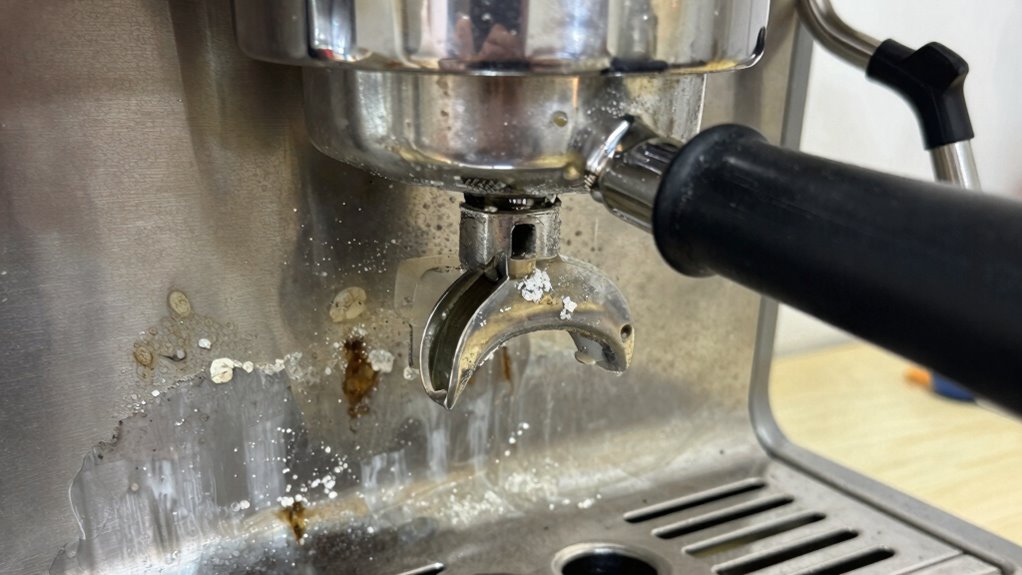
If you neglect to descale your espresso machine regularly, mineral buildup from water can cause serious damage over time. Water hardness varies by location, and harder water contains more minerals that accumulate quickly. Ignoring proper descaling frequency allows these minerals to deposit inside the machine’s components, leading to clogs and reduced efficiency. Over time, this buildup can cause parts to wear out prematurely or even fail completely. Not descaling often enough means your machine has to work harder, which increases energy use and shortens its lifespan. Regular descaling removes these mineral deposits, ensuring your machine runs smoothly and lasts longer. Additionally, using smart cleaning technology can help monitor and remind you when descaling is necessary, making maintenance even easier. Implementing a descaling schedule based on your water hardness can prevent unexpected breakdowns and costly repairs by maintaining optimal performance. Being aware of water mineral content can help you better tailor your descaling routine to preserve your espresso machine’s longevity. Paying attention to water quality and making adjustments with water softeners or filters can further reduce mineral buildup and extend the life of your machine.

Possiave 12-Pack Charcoal Water Filters Compatible with Breville BWF100 Machines, Breville Espresso Machine Water Filter Replacement
SUITABLE FOR MOST OF BREVILLE MACHINES – Well -designed for all Breville machine models: BES980XL, BES920XL, BES900XL, BES860XL,…
As an affiliate, we earn on qualifying purchases.
As an affiliate, we earn on qualifying purchases.
How Often Should You Descale Your Espresso Machine?
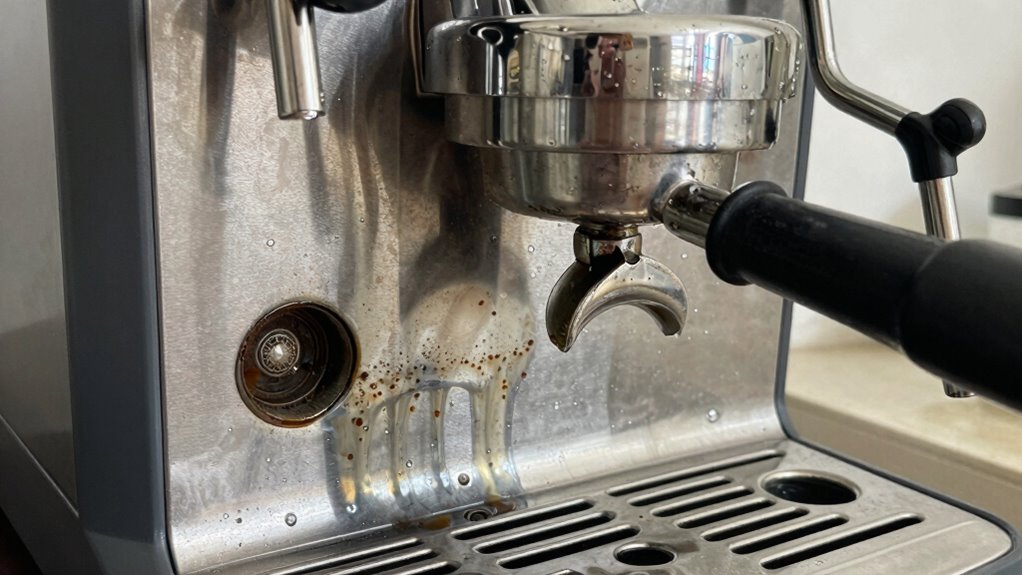
Determining how often to descale your espresso machine depends largely on your water quality and how frequently you use it. If you have hard water with high mineral content, you’ll need to descale more often—typically every 1 to 3 months. For softer water, every 3 to 6 months may suffice. Regularly monitoring your machine’s performance can also guide your descaling frequency; signs like slower water flow or reduced steam power indicate it’s time. Using bottled or filtered water can extend the time between descales, reducing mineral buildup. Ultimately, understanding your water quality helps prevent damage caused by mineral deposits. Adjust your descaling routine based on these factors to keep your espresso machine running smoothly and prolong its lifespan.

Meiwlong 14 PCS Coffee Grinder Cleaning Brush Set,Espresso Machine Cleaning Brush Kit, Multifunctional Burr Cleaner Brushes Bristle Tools for Barista Home Kitchen Commercial Use
14-pack: Various Size Stainless Steel Straw Brush*10, Coffee Brush*1,long grip handle brush with spoon*1, short original cleaning tool…
As an affiliate, we earn on qualifying purchases.
As an affiliate, we earn on qualifying purchases.
Common Descaling Mistakes That Can Harm Your Coffee Maker
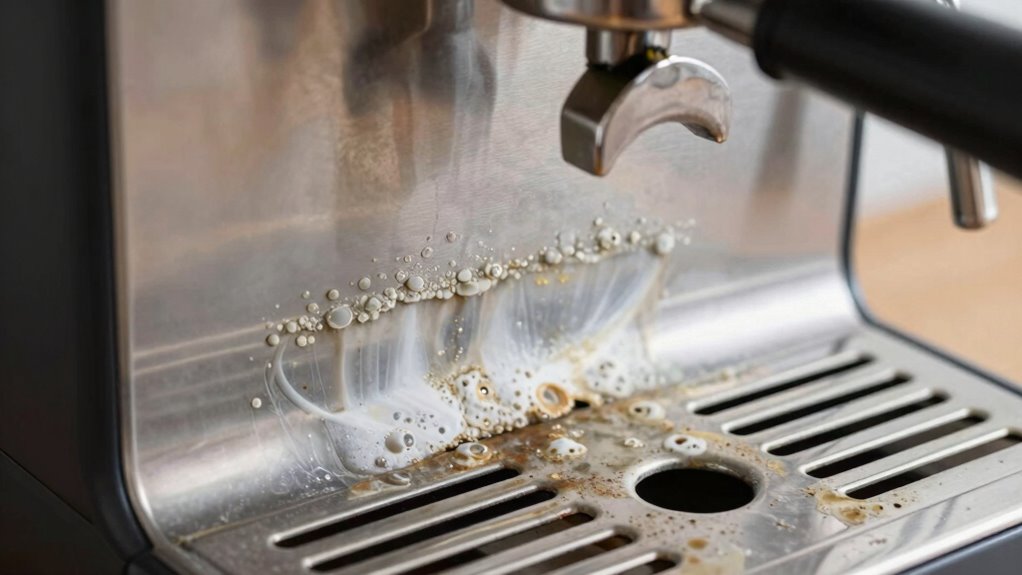
Even though descaling is essential for maintaining your coffee maker, doing it incorrectly can cause more harm than good. One common mistake is ignoring water quality; using hard water without proper filtration leads to mineral buildup, which can damage internal components. Additionally, incorrect descaling frequency—either too often or not enough—can harm your machine. Over-descaling may wear out seals and gaskets, while infrequent descaling allows limescale to accumulate, clogging nozzles and reducing performance. Always tailor your descaling routine to your water’s mineral content and your machine’s needs. Rushing through the process or rushing to skip steps can leave residues that corrode parts over time. Be attentive to your water quality and follow recommended descaling schedules for ideal machine health. Understanding the effects of mineral deposits can help you better assess when and how often to descale your espresso machine. Regularly inspecting and maintaining your machine can prevent damage from mineral buildup and extend its lifespan. Recognizing proper descaling techniques is key to avoiding unintended harm to your coffee maker. Incorporating preventive maintenance practices can further safeguard your appliance and ensure consistent performance.

Descaler (2 Pack, 2 Uses Per Bottle) – Made in the USA – Universal Descaling Solution for Keurig, Nespresso, Delonghi and All Single Use Coffee and Espresso Machines
2-Pack Coffee Descaler and Cleaner – Clean and rinse away residue and oil buildup in your coffee maker…
As an affiliate, we earn on qualifying purchases.
As an affiliate, we earn on qualifying purchases.
Why Using the Wrong Descaling Products Could Cost You
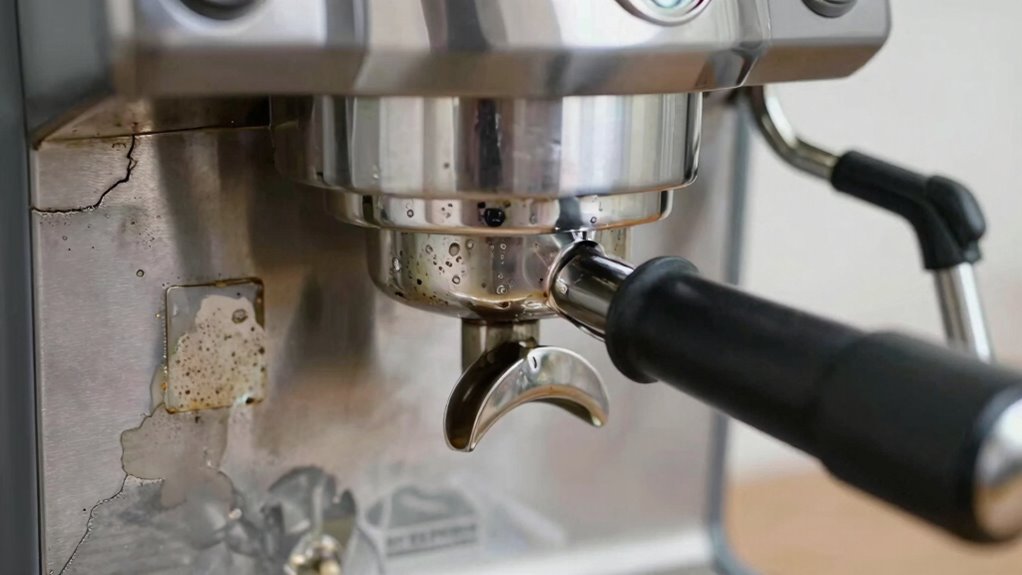
Using the wrong descaling products can cause serious damage to your coffee maker and lead to costly repairs. Many store-bought descaling chemicals contain harsh acids or ingredients incompatible with your machine’s materials. Using these inappropriate chemicals can corrode internal parts, damage seals, and weaken the boiler, ultimately reducing your coffee machine’s longevity. Always check that the descaling product is specifically designed for espresso machines or coffee makers. Using generic or harsh chemicals might seem effective at removing mineral buildup, but they can do more harm than good over time. Proper descaling chemicals ensure thorough cleaning without compromising your machine’s integrity. Additionally, regional flavors and chicory blends can influence the choice of descaling agents, as some ingredients may interact negatively with certain coffee components. Protect your investment by choosing the right products, and remember that using the wrong descaling agents can silently damage your coffee maker, leading to costly replacements.
The Importance of Proper Flushing After Descaling
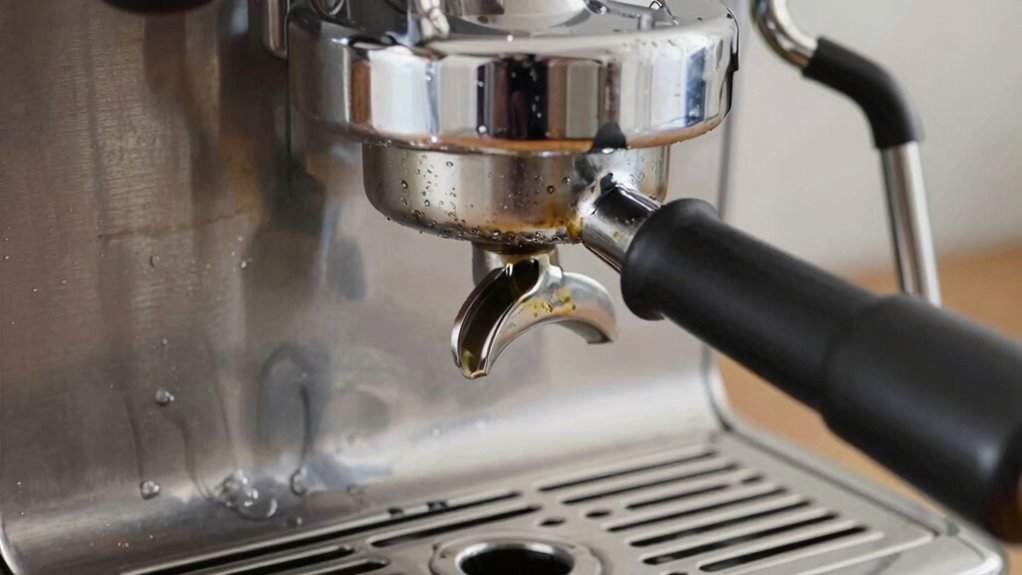
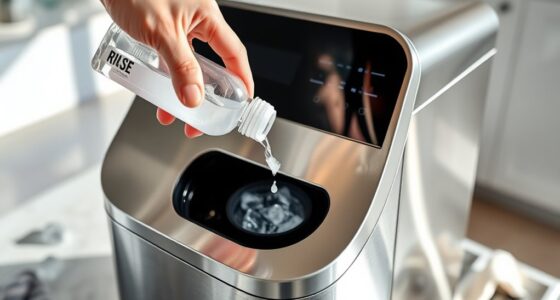
After choosing the right descaling product, thorough flushing becomes essential to guarantee your coffee maker functions properly. Proper flushing procedures remove residual descaling solution and mineral buildup, preventing damage and ensuring great-tasting coffee. Skipping or rushing this step can leave harmful residues that corrode internal parts over time. Use the right technique—run clean water through the machine to clear leftover chemicals. Incorporating regular maintenance routines in your maintenance routine helps extend the lifespan of your espresso machine and maintains optimal performance.
Running multiple rinse cycles ensures that all traces of descaling agents are eliminated, safeguarding your machine’s internal components.
Descaling in Extreme Temperatures or When Your Machine Isn’t Used Often

When your coffee machine is stored or exposed to extreme temperatures, descaling becomes especially important to prevent damage and maintain performance. Temperature risks, like freezing or overheating, can cause mineral buildup or internal component damage if not addressed. In addition, temperature fluctuations can accelerate the deterioration of internal seals and gaskets, leading to leaks or malfunctions. Exposure to temperature extremes can also cause certain materials within the machine to expand or contract, increasing the risk of internal damage over time. Infrequent use further complicates this, as mineral deposits can settle and harden without regular cleaning. If your machine isn’t used often, you might think descaling isn’t urgent, but neglecting it can lead to clogs or corrosion over time. Proper descaling procedures during storage or after long periods of disuse are crucial for preventing mineral buildup, which can impair machine function. Additionally, proper cleaning routines help eliminate residual minerals and contaminants that could cause issues when the machine is next used. Always follow appropriate descaling routines before storage or after long periods of disuse, especially if the machine has been exposed to temperature swings. Proper maintenance and descaling in extreme conditions helps preserve your espresso machine’s efficiency and longevity, avoiding costly repairs down the line.
Tips for Safe and Effective Espresso Machine Descaling
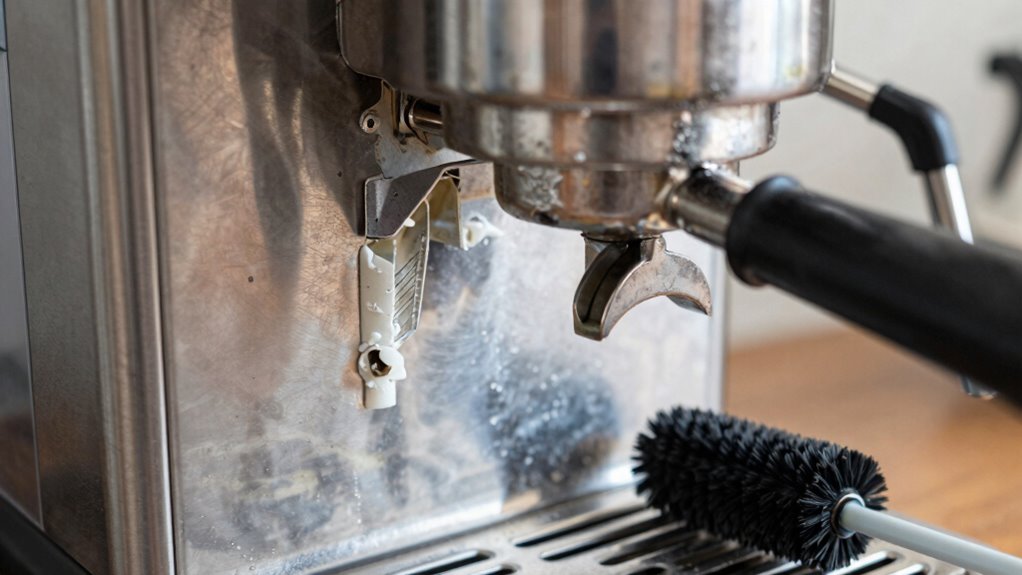
To descale safely and effectively, you need to use the right solutions designed for your machine. Always follow the manufacturer’s instructions to avoid damage or poor results. Keeping a regular maintenance schedule guarantees your espresso machine stays in top condition and prevents costly issues down the line. Incorporating energy-saving tips can also help extend the lifespan of your equipment and reduce operational costs. For example, using efficient appliances like electric bikes or energy-efficient generators can contribute to overall savings and sustainability. Additionally, understanding Free Floating design principles can help in optimizing your machine’s placement and airflow, contributing to better performance and longevity. Practicing calm and clear decision-making during maintenance can also reduce errors and improve overall machine care. Being aware of common descaling mistakes can prevent silent damage that may not be immediately obvious but can significantly reduce your espresso machine’s lifespan.
Use Proper Descaling Solutions
Are you using the right descaling solution for your espresso machine? Choosing the proper solution guarantees both effective descaling and chemical safety. Commercial descaling products are formulated specifically for espresso machines, so always follow the manufacturer’s recommendations. If you prefer alternatives, vinegar can work but should be used cautiously to avoid damage or lingering odors. Avoid harsh chemicals that aren’t designed for coffee equipment, as they can harm internal parts. Always read labels carefully to ensure the solution is safe for your machine and effective at removing mineral buildup. Using the wrong or unsafe solutions can lead to corrosion, costly repairs, and compromised flavor. Prioritize safety and compatibility to keep your espresso machine running smoothly and producing great-tasting coffee.
Follow Manufacturer Guidelines
Following your espresso machine’s manufacturer guidelines guarantees you descale safely and effectively. These instructions are tailored to your machine’s specific components and water quality, guaranteeing peak performance. Always check recommended descaling frequency—some machines need it every few months, while others may require less frequent attention. Ignoring these guidelines can lead to over- or under-descaling, which risks damage or mineral buildup. Using the proper descaling agents and techniques specified by the manufacturer helps maintain water flow and prevents costly repairs. Be sure to follow any precautions or specific steps outlined in your user manual. Staying within the manufacturer’s recommended practices ensures your machine stays in peak condition and prolongs its lifespan, saving you time and money in the long run. Proper maintenance is essential for preserving optimal espresso quality and ensuring consistent brewing results.
Regular Maintenance Schedule
Establishing a regular maintenance schedule guarantees your espresso machine stays in top shape and performs reliably. Consistent cleaning frequency is essential to prevent mineral buildup and assure peak performance. You should develop maintenance routines that include descaling at recommended intervals, typically every 1-3 months, depending on your water hardness. Regularly check and clean removable parts, like filters and drip trays, to avoid clogs and mold. Following a set schedule helps you catch issues early and reduces the risk of costly repairs. Keep a maintenance log to track when descaling and cleaning routines are completed. By sticking to a routine, you’ll maintain the machine’s longevity and keep every shot of espresso tasting fresh and delicious.
How to Keep Your Espresso Machine Running Smoothly for Years
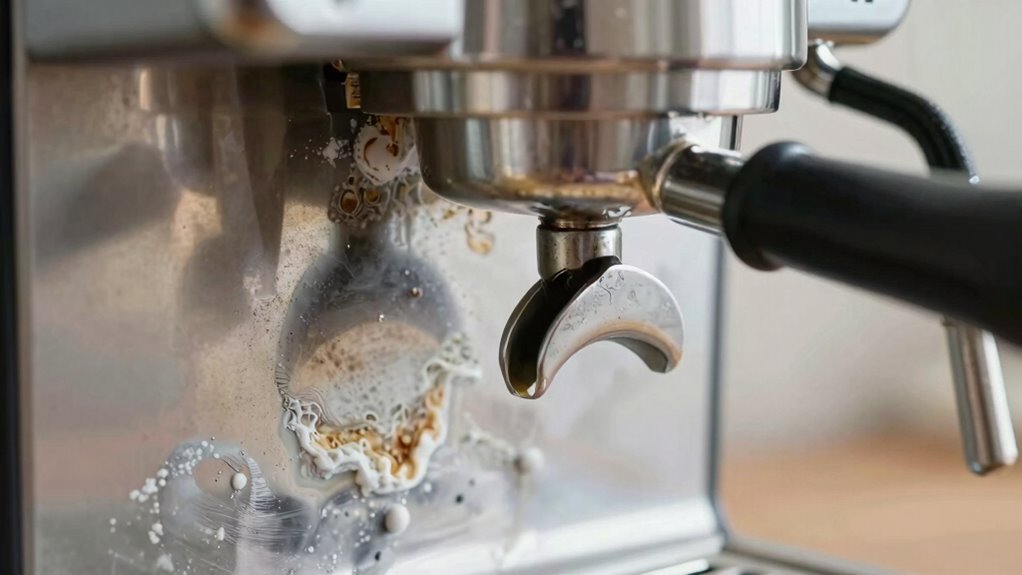
To keep your espresso machine running smoothly for years, regular maintenance is essential. Start by using the proper coffee grind; too fine or coarse can strain the machine and cause buildup. Pay attention to water hardness, as hard water leads to mineral deposits that hinder performance. Consider installing a water softener if your water is very hard. Clean the portafilter and brew head regularly to prevent coffee oils and residue from accumulating. Descale your machine at recommended intervals to remove mineral buildup, especially if you notice slower extraction or changes in taste. Using filtered water can reduce mineral deposits and prolong the life of your equipment. Consistent maintenance ensures your espresso machine continues to operate efficiently, producing great-tasting coffee for years to come.
Frequently Asked Questions
Can Descaling Void My Espresso Machine’s Warranty?
Descaling can void your espresso machine’s warranty if you don’t follow the manufacturer’s descaling procedures properly. Warranty concerns arise when improper or unauthorized descaling methods cause damage. Always check your user manual and use recommended descaling products and techniques. If you adhere to the correct procedures, you won’t risk nullifying your warranty. Being cautious and following guidelines ensures your machine stays protected while keeping it clean and functioning well.
Are There Eco-Friendly Descaling Alternatives Available?
Yes, eco-friendly solutions for descaling your espresso machine are available. You can use natural descaling methods like vinegar or citric acid, which are effective and environmentally safe. These natural descaling options help maintain your machine without harmful chemicals, and they’re better for the planet. Just guarantee you follow proper instructions to avoid any damage, and your machine stays in top shape while also being eco-conscious.
How Do I Know if My Machine Needs Descaling Urgently?
Think of your espresso machine like a car engine; if you ignore warning signs, it’ll break down. If you notice longer brewing times, weak coffee, or uneven extraction, it’s a sign scale buildup from hard water is affecting performance. Water hardness accelerates this process, so if you see these signs, it’s time to descale urgently. Regular maintenance keeps your machine running smoothly and tasting great.
Is Manual Descaling Safer Than Using Commercial Products?
Manual descaling can be safer if you use proper techniques and homemade solutions, but commercial products are designed specifically for espresso machines and often easier to use. You should carefully follow instructions with either method to prevent damage. If you prefer control, manual cleaning with homemade solutions allows you to customize the process, but make certain you’re thorough to avoid residue buildup that could harm your machine over time.
What Are Signs of Internal Damage From Improper Descaling?
Think of your espresso machine as a delicate garden; internal damage from improper descaling is like unnoticed weeds choking your plants. Signs include inconsistent brew pressure, strange noises, or leaks—these point to scale buildup causing corrosion risk. You might also notice a bitter taste or reduced flow. If ignored, these issues can silently damage internal components, diminishing your machine’s lifespan and brewing quality over time.
Conclusion
Keep your espresso machine humming like a well-tuned orchestra, free from the silent wreckage of neglect. Regular descaling, gentle rinses, and the right products are your tools to maintain its vibrant heartbeat. Picture your machine as a trusted partner, pouring rich, velvety espresso with each brew. Treat it with care, avoid costly mistakes, and watch it serve you flawless cups for years to come—your daily ritual deserves nothing less.