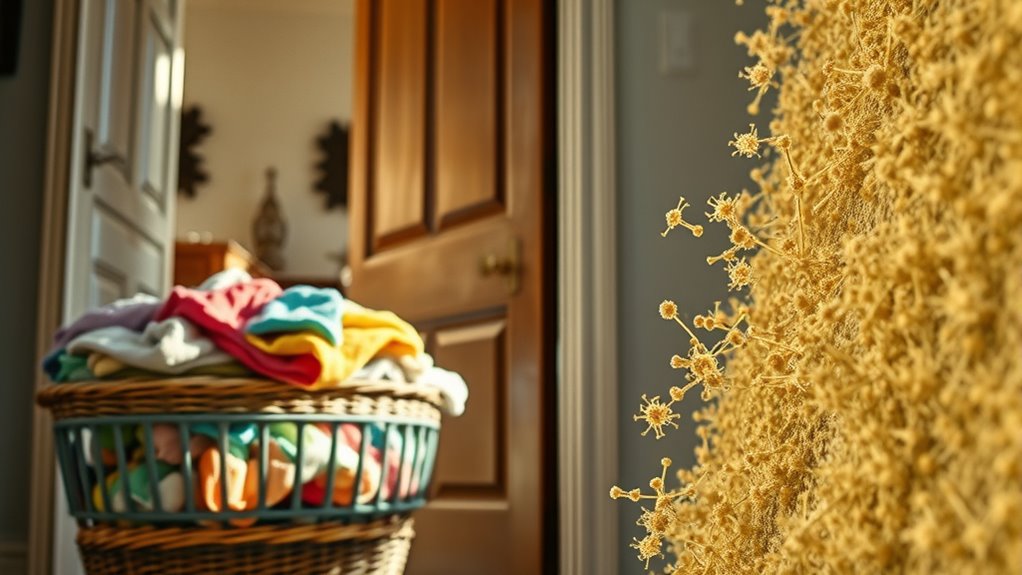

To prevent pollen from entering your home, seal gaps around doors with weather stripping and install snug-fitting screens to block airborne particles when ventilating. Be mindful of laundry practices—shake out clothes and consider using a dryer to reduce pollen buildup. Keep your filters maintained; replace HVAC and air purifier filters regularly to trap pollen effectively. If you’re curious about more simple ways to keep pollen out, keep exploring to find additional tips.

Get cleaning gear delivered free — and shop member deals
- Fast, free delivery on millions of items
- Access to Prime Big Deal Days deals on October 6–7
- Prime Video, Amazon Music and more included
Key Takeaways
- Properly sealed doors and weather stripping prevent outdoor pollen from entering the home.
- High-quality screens and snug-fitting doors reduce pollen infiltration during ventilation.
- Washing or drying clothes indoors minimizes pollen carried inside from outdoor laundry.
- Regularly replacing HVAC and air purifier filters ensures effective pollen removal from indoor air.
- Routine cleaning and dusting help eliminate settled pollen particles and maintain indoor air quality.
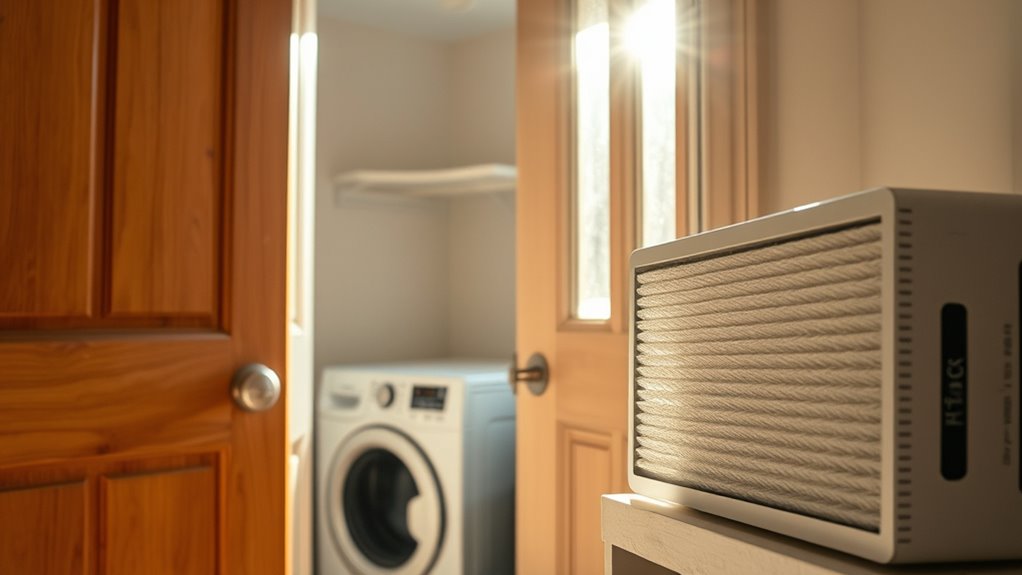
Pollen can enter your home through various entry points, often unnoticed until allergy symptoms worsen. These tiny particles can profoundly impact your indoor air quality, making it harder to breathe comfortably and increasing allergy symptoms. Understanding how pollen sneaks inside and taking steps for allergy prevention can help you breathe easier and reduce discomfort. One of the most common ways pollen gets inside is through open or improperly sealed doors. When you come in or go out, pollen clinging to your clothing, shoes, or belongings can hitch a ride inside. Even if you think you’re careful, small gaps around door frames or screens can allow airborne pollen to drift into your living space. To minimize this, make sure your doors have tight seals, and consider installing weather stripping or door sweeps. Using high-quality screens that fit snugly can also help keep pollen at bay when you need to open doors for ventilation. Additionally, ensuring proper air filtration in your home can significantly reduce pollen intrusion. Laundry is another overlooked entry point. If you hang your clothes or bedding outside during high pollen seasons, those items can collect pollen particles. When you bring them inside, the pollen can become an indoor air quality concern, aggravating allergies. To prevent this, try to avoid air-drying laundry outdoors during peak pollen times. If you must dry clothes outside, shake them vigorously before bringing them inside or run them through a dryer to remove residual pollen. Washing bedding and curtains regularly also helps reduce indoor pollen levels, creating a cleaner environment that supports allergy prevention. Filters are essential in controlling indoor air quality, especially when it comes to pollen. Your HVAC system, air purifiers, and vacuum cleaners all play a role. Using high-efficiency particulate air (HEPA) filters can trap pollen particles effectively, preventing them from circulating throughout your home. Regularly changing these filters ensures they work at peak efficiency. Don’t forget to clean or replace vacuum filters and dust surfaces often, as pollen can settle on furniture and floors. Properly maintained filters and diligent cleaning routines considerably cut down indoor pollen levels, making your home a sanctuary during allergy season.
As an affiliate, we earn on qualifying purchases.
Frequently Asked Questions
How Can I Identify Hidden Pollen Entry Points in My Home?
To spot hidden pollen entry points, check for air duct leaks and worn window seals around your home. Feel for drafts near windows and doors, especially during windy days. Inspect your air ducts for gaps or cracks, as these can let pollen blow inside. Also, examine window seals for cracks or gaps that might allow pollen in. Sealing these leaks helps keep pollen, dust, and allergens out effectively.
Are There Specific Door Types More Prone to Pollen Ingress?
Certain door types, like older wooden or screen doors, are more prone to pollen ingress due to compromised door seal integrity. Doors with poor seal maintenance or gaps around the frame allow pollen to enter easily. Additionally, the window frame design can influence pollen entry; poorly fitted or worn weatherstripping on doors and adjacent windows creates gaps. Upgrading seals and choosing doors with tight-fitting frames help minimize pollen intrusion.
Can Laundry Practices Reduce Pollen Entering My Living Space?
Yes, your laundry practices can help reduce airborne pollen from outdoor activities. Washing clothes promptly and using the dryer instead of air drying minimizes pollen transfer from outdoor to indoor spaces. Additionally, shaking out laundry outside before bringing it inside can cut down on pollen entry. These simple steps make a big difference in keeping airborne pollen levels lower, helping you breathe easier and maintain a healthier home environment.
Which Filters Are Most Effective at Blocking Pollen Particles?
HEPA filters are your best choice for blocking pollen particles, as they trap particles as small as 0.3 microns effectively. For added odor control and allergen absorption, use filters with activated carbon. Make sure your HVAC system has a HEPA filter installed, and replace it regularly to maintain efficiency. Combining HEPA and activated carbon filters helps reduce pollen and other allergens, creating a cleaner, healthier living environment for you.
How Often Should I Replace or Clean Air Filters for Optimal Pollen Defense?
You should replace or clean your air filters every 30 to 60 days for maximum pollen defense, depending on your environment and filter quality. Regular pollen filter maintenance extends the air filter lifespan and keeps pollen particles out of your indoor air. If you notice increased dust or allergies, consider more frequent changes. Staying consistent with filter upkeep helps ensure your home remains a pollen-free haven.
high-quality window screens for pollen
As an affiliate, we earn on qualifying purchases.
As an affiliate, we earn on qualifying purchases.
Conclusion
Now that you know the main entry points like doors, laundry, and filters, you can take smarter steps to block pollen. Did you know that during peak pollen season, outdoor pollen counts can reach over 1000 grains per cubic meter? By sealing entry points and maintaining filters, you drastically reduce indoor pollen levels. Stay vigilant, and you’ll breathe easier inside, even when pollen outside is at its worst.
As an affiliate, we earn on qualifying purchases.
As an affiliate, we earn on qualifying purchases.
Fall Picks
fall essentials
As an affiliate, we earn on qualifying purchases.