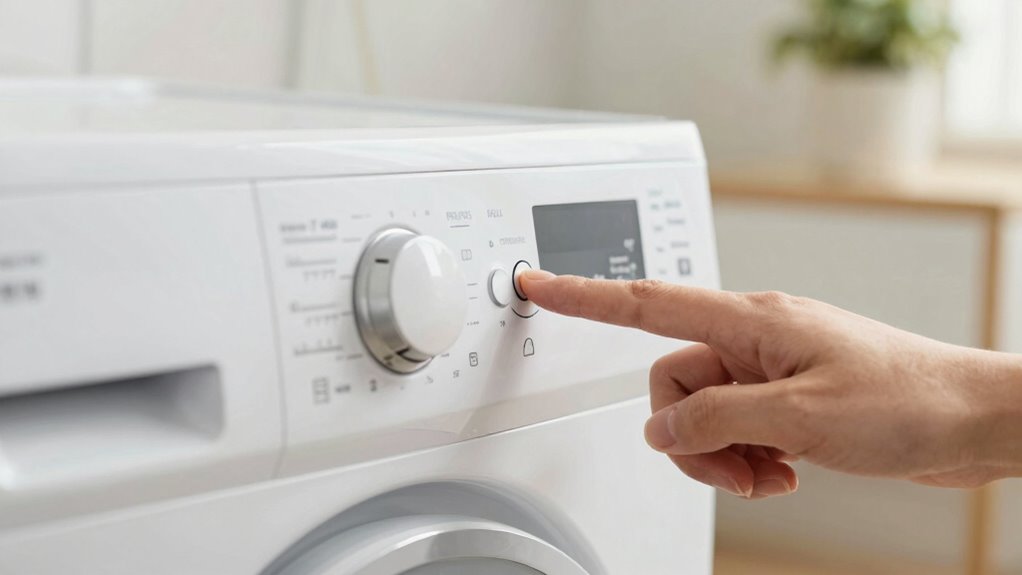

Resetting your household appliances is a simple trick that often solves a wide range of problems. By unplugging the appliance, waiting a few moments, and plugging it back in, you can clear glitches, recalibrate sensors, and improve performance. This quick step can fix unresponsive controls, irregular operation, and minor electronic issues without professional help. If you want to discover more ways to keep your appliances running smoothly, keep going—you’re about to learn some valuable tips.

Get cleaning gear delivered free — and shop member deals
- Fast, free delivery on millions of items
- Access to Prime Big Deal Days deals on October 6–7
- Prime Video, Amazon Music and more included
Key Takeaways
- Resetting clears temporary glitches, often restoring appliance functionality without professional repair.
- Regular resets improve energy efficiency by recalibrating sensors and timers.
- Many issues, like unresponsive controls or faulty displays, are resolved through a simple reset.
- Follow specific reset procedures from manuals to ensure effective troubleshooting.
- Persistent problems after resets may require professional diagnosis or repair.
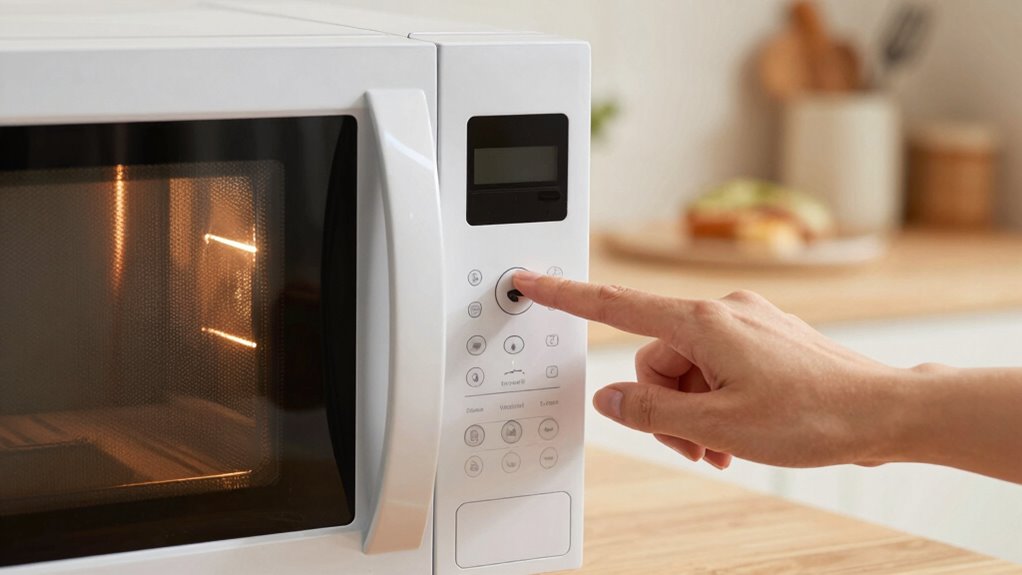
When your household appliances start acting up, the simplest fix might just be resetting them. It’s a quick move that can often clear glitches, restore normal functioning, and even improve energy efficiency. Instead of immediately calling a repair technician or replacing an appliance, try unplugging it, waiting a few moments, then plugging it back in. This simple troubleshooting tip can resolve many common issues, from unresponsive microwaves to glitchy refrigerators. Resetting fundamentally gives your appliance a fresh start, clearing minor electronic or software hiccups that can cause inefficiencies or malfunctions. Regular resets can also help maintain appliance health by preventing small issues from escalating. You might be surprised how often this trick works, especially with modern appliances that rely heavily on digital displays and electronic controls. Many appliances have a dedicated reset button or a specific sequence of buttons to press, so it’s worth consulting your user manual for precise instructions. Sometimes, a reset can recalibrate sensors or reset internal timers, which can directly impact energy efficiency. For example, resetting a thermostat can help it better regulate temperature and reduce unnecessary energy use. If a washing machine is stuck in a cycle or a dishwasher isn’t draining properly, resetting can resolve these issues and prevent unnecessary energy consumption. Additionally, digital controls are more prone to glitches, making resets an essential troubleshooting step. When appliances aren’t functioning at their best, they tend to use more power than needed, so resetting can be a simple way to make sure they’re running at peak efficiency.
Understanding common appliance issues can help you identify when a reset might be the right solution, saving you time and money. Recognizing the signs of electronic glitches can help you troubleshoot more effectively and avoid unnecessary repairs. Troubleshooting tips like this aren’t just about fixing faults; they’re also about preventing costly repairs** and maintaining your appliances’ longevity and performance. Regular resets can help prevent small issues from escalating into costly repairs. Plus, they can help you identify whether a problem is persistent or just a temporary glitch. If resetting doesn’t fix the problem, then you’ll know it’s time to dive deeper or seek professional help**. But often, a quick reset is all you need to get things back on track.
As an affiliate, we earn on qualifying purchases.
Frequently Asked Questions
Can All Appliances Be Reset Using This Trick?
Not all appliances can be reset using this trick. While many electronics and appliances benefit from a reset to improve appliance longevity and resolve minor issues, some devices, like refrigerators or ovens, require specific reset procedures or professional servicing. You should also consider reset frequency to prevent potential damage. Always check the manufacturer’s instructions before attempting a reset to make sure you’re not harming your appliance or voiding the warranty.
How Often Should I Perform a Reset?
Think of resetting as tending a garden—done too often, it loses its essentiality; too infrequently, weeds take over. You should perform resets only when troubleshooting tips indicate a problem or when your appliance isn’t performing efficiently. Regular resets aren’t necessary for energy efficiency, but occasional ones can clear minor glitches. Use your judgment, and don’t overdo it; this keeps your appliances running smoothly and conserving energy.
Will Resetting Erase My Appliance Settings?
Resetting your appliance generally won’t erase your settings if it’s compatible, but it can vary. During reset troubleshooting, check if your appliance’s manual mentions preserving settings. Most modern devices retain your preferences, but some older models might reset to default. To avoid losing data, always review your appliance’s instructions or contact support before resetting. This way, you guarantee your settings stay intact while resolving issues effectively.
Is This Reset Method Safe for All Models?
You might worry that this reset method isn’t safe for all models, but in most cases, it’s a quick fix that won’t harm your appliance. However, firmware updates can sometimes be affected, and resetting could impact your warranty if not done correctly. Always check your appliance’s manual or manufacturer’s advice before proceeding, especially for newer or specialized models, to avoid unintended issues.
What Should I Do if the Reset Doesn’t Work?
If the reset doesn’t work, first check your appliance’s warranty coverage, as it might need professional repairs. You should also verify the reset’s effectiveness by following the instructions carefully or trying again. If issues persist, contact the manufacturer or a certified technician. Avoid attempting more resets repeatedly, as it could void your warranty or cause further damage. Always prioritize professional advice when resets fail to resolve the problem.
As an affiliate, we earn on qualifying purchases.
Conclusion
Next time your appliance acts up, remember the reset trick—it’s like hitting the pause button on a busy day, giving everything a fresh start. I once had a fridge that refused to cool, and a simple reset brought it back to life, saving a costly repair. Think of it as a reset button for life’s little frustrations—sometimes, all it takes is a quick restart to turn things around. Don’t underestimate this small trick; it could save you time and money.
household appliance troubleshooting kit
As an affiliate, we earn on qualifying purchases.
As an affiliate, we earn on qualifying purchases.
appliance sensor calibration device
As an affiliate, we earn on qualifying purchases.
As an affiliate, we earn on qualifying purchases.
Fall Picks
fall essentials
As an affiliate, we earn on qualifying purchases.