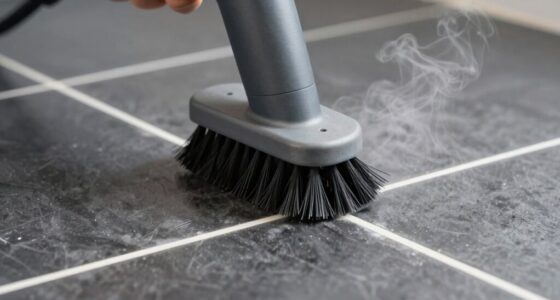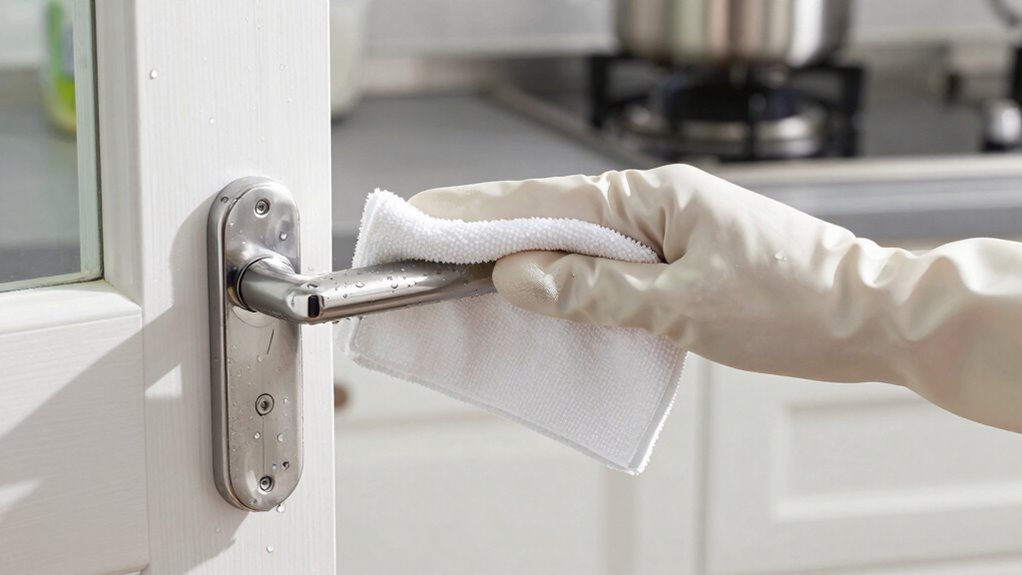

To clean high-touch surfaces without overdoing it, use gentle cleaning methods suited to each material. For non-porous surfaces like glass and metal, disinfect with wipes or sprays, but avoid excessive use or harsh chemicals that could cause damage. Soft or porous materials need milder approaches like vacuuming or damp cloths. Pay attention to manufacturer recommendations to protect delicate surfaces and extend their lifespan. Keep these tips in mind, and you’ll maintain hygiene without risking harm—more details are ahead.

Get cleaning gear delivered free — and shop member deals
- Fast, free delivery on millions of items
- Access to Prime Big Deal Days deals on October 6–7
- Prime Video, Amazon Music and more included
Key Takeaways
- Use gentle cleaning products suitable for the surface material to prevent damage.
- Clean high-touch areas daily or every few days, avoiding excessive frequency.
- Follow manufacturer guidelines for cleaning methods and disinfectant use.
- Focus on visible dirt and germs without over-saturating surfaces.
- Incorporate regular maintenance routines that balance hygiene and material preservation.
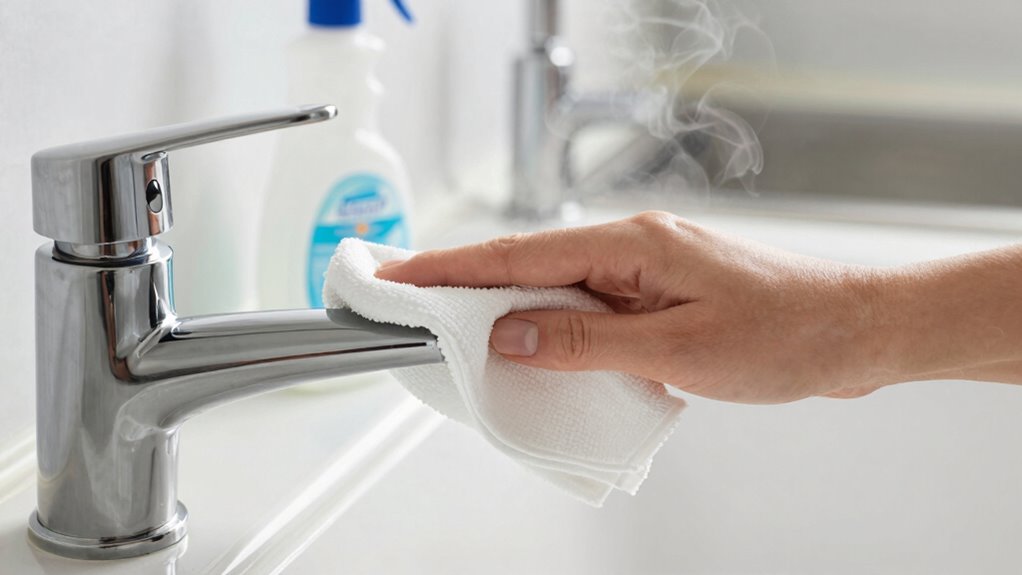
Have you ever wondered how often you should clean the surfaces you touch most? Knowing the right cleaning frequency depends on a few key factors, especially the surface materials involved. Different materials require different care to keep germs at bay without damaging them. For example, stainless steel and plastic surfaces handle frequent cleaning well, but delicate materials like wood or marble need gentler approaches to avoid scratches or deterioration. Recognizing these differences helps you strike the right balance between cleanliness and preservation.
When it comes to high-touch surfaces like doorknobs, light switches, or smartphone screens, you should clean them regularly—ideally daily or every couple of days—especially if multiple people are using them. This routine prevents the buildup of germs and reduces the risk of spreading illnesses. However, the exact cleaning frequency can vary based on your household’s health situation or if someone is sick. In such cases, increasing the frequency makes sense. Conversely, if the area is less trafficked, cleaning a few times a week might be sufficient.
Surface materials greatly influence your cleaning approach. Hard, non-porous surfaces like glass, metal, or plastic are easier to disinfect and can withstand harsher cleaning agents. You can use disinfectant wipes or sprays on these materials without concern. Soft, porous materials like fabric or wood require gentler methods. For fabric, regular vacuuming and spot cleaning are often enough, while wood surfaces should be cleaned with damp cloths and mild cleaners to prevent warping or staining. Additionally, understanding the material properties of surfaces helps prevent damage during cleaning. It’s also beneficial to consider how surface porosity affects cleaning effectiveness and longevity. Proper cleaning techniques can also help maintain the appearance and lifespan of your surfaces. Being aware of cleaning product compatibility ensures you do not accidentally damage or discolor your surfaces, which is especially important for delicate or sensitive materials.
It’s important not to overdo it, especially with delicate materials. Excessive cleaning or using overly harsh chemicals can damage surfaces, cause discoloration, or lead to warping. Always check the manufacturer’s instructions for cleaning recommendations—this helps you choose suitable cleaners and frequencies. For example, marble surfaces might need special pH-neutral cleaners, and excessive scrubbing can scratch the surface. Being mindful of surface materials ensures you’re maintaining cleanliness without risking damage.
Ultimately, your goal is to find a cleaning routine that keeps high-touch surfaces hygienic while respecting their material properties. Regular, thoughtful cleaning tailored to each surface’s needs prevents germs from spreading while extending the life of your belongings. By understanding the best cleaning frequency and methods for different materials, you avoid the pitfalls of over-cleaning or neglecting important areas, creating a healthier, safer environment for everyone.
disinfectant wipes for high-touch surfaces
As an affiliate, we earn on qualifying purchases.
As an affiliate, we earn on qualifying purchases.
Frequently Asked Questions
How Often Should High-Touch Surfaces Be Cleaned?
You should clean high-touch surfaces daily, especially in busy environments, to prevent germs from spreading. The cleaning frequency depends on the surface material—smooth surfaces like doorknobs and countertops need regular attention, while less frequently touched items can be cleaned less often. Always assess usage and environment to determine the right schedule, and use appropriate cleaning methods to keep surfaces sanitized without overdoing it.
What Cleaning Products Are Safest for High-Touch Surfaces?
You should choose eco-friendly disinfectants and commercial cleaning agents that are safe yet effective for high-touch surfaces. Look for products labeled as EPA-registered or approved for household use, ensuring they contain ingredients like hydrogen peroxide or alcohol. Avoid harsh chemicals that can damage surfaces or cause health issues. Always follow the instructions on the label for proper use, and wear gloves if needed to protect your skin.
Can Natural Cleaning Solutions Effectively Disinfect High-Touch Areas?
Natural disinfectants like vinegar, hydrogen peroxide, and tea tree oil can effectively disinfect high-touch areas as chemical alternatives. You should use these solutions properly—apply them directly to surfaces and let them sit for several minutes to kill germs. While they may not be as powerful as commercial disinfectants, they’re safe for regular use and reduce chemical exposure. Just make certain you follow proper dilution guidelines for safe, effective cleaning.
How Do I Prevent Cross-Contamination During Cleaning?
You prevent cross-contamination by following strict cleaning protocols and hygiene practices. Use separate cloths or disposable wipes for each surface, avoiding reusing dirty tools. Always wash your hands before and after cleaning, and disinfect your cleaning tools regularly. Keep high-touch areas isolated during cleaning, and work from the cleanest to the dirtiest surfaces. This disciplined approach guarantees you minimize the spread of germs and maintain effective hygiene.
Are There Any Tools That Make Cleaning High-Touch Surfaces Easier?
Yes, tools like microfiber cloths and disposable wipes make cleaning high-touch surfaces easier and more effective. Microfiber cloths are gentle on different surface materials and trap germs better, reducing the need for harsh chemicals. Incorporate cleaning schedules to stay consistent, and choose tools suited for the specific surface material to avoid damage. These tools help you maintain cleanliness without overdoing it, ensuring safety and efficiency.
gentle surface cleaner for glass and metal
As an affiliate, we earn on qualifying purchases.
As an affiliate, we earn on qualifying purchases.
Conclusion
Remember, cleaning high-touch surfaces regularly is key to reducing germs without overdoing it. Just 30 seconds of proper disinfecting can make a big difference in keeping your environment safe. Did you know that surfaces like doorknobs and smartphones can harbor more bacteria than toilet seats? So, don’t skip your daily wipe-downs, but also avoid excessive cleaning that could cause wear. Balance is essential—clean wisely to protect yourself and those around you.
vacuum cleaner for upholstery and fabric
As an affiliate, we earn on qualifying purchases.
As an affiliate, we earn on qualifying purchases.
pH-neutral cleaner for marble surfaces
As an affiliate, we earn on qualifying purchases.
As an affiliate, we earn on qualifying purchases.
Fall Picks
fall essentials
As an affiliate, we earn on qualifying purchases.