
Chimney backdrafting is an invisible hazard that can occur in tightly sealed homes, causing smoke and dangerous gases like carbon monoxide to spill back inside instead of venting outside. This often happens when venting systems are blocked, poorly installed, or when pressure imbalances develop due to home modifications. If not addressed, it can pose serious health risks. To guarantee your safety, it’s important to understand how backdrafting occurs and how to prevent it—this guide explains more.

Get cleaning gear delivered free — and shop member deals
- Fast, free delivery on millions of items
- Access to Prime Big Deal Days deals on October 6–7
- Prime Video, Amazon Music and more included
Key Takeaways
- Backdrafting occurs when combustion gases, including carbon monoxide, spill back into the home instead of venting outside.
- Tightly sealed homes reduce natural airflow, increasing the risk of pressure imbalances that cause backdrafting.
- Blockages, improper venting design, or obstructions in chimneys can impair exhaust flow, leading to backdrafting.
- Signs include smoke or fumes entering living spaces, bad odors, and difficulty venting appliances properly.
- Regular inspections and proper venting maintenance are essential to prevent this invisible, hazardous backdrafting in tight homes.
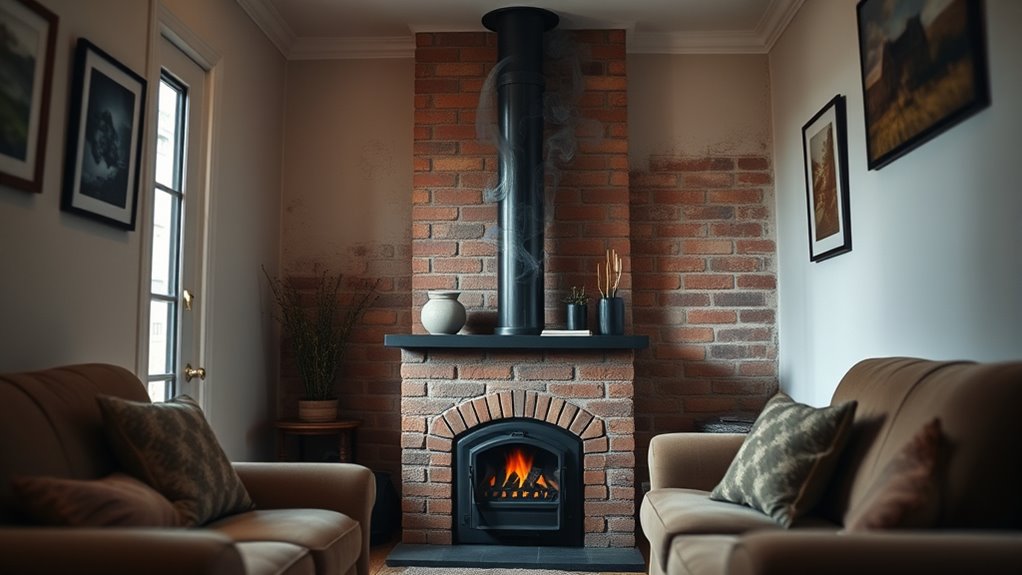
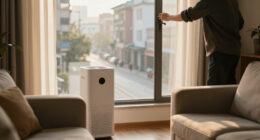
Have you ever noticed smoke or fumes spilling back into your home instead of rising out of the chimney? If so, you’re experiencing a common problem called backdrafting, which can pose serious safety risks. Backdrafting occurs when combustion gases, including dangerous carbon monoxide, don’t vent properly but instead flow back into your living space. This issue often happens in tightly sealed homes where air pressure imbalances disrupt the natural flow of air and combustion gases. Because these homes are built to conserve energy, they tend to have less natural airflow, making venting issues more prevalent and harder to detect. You might not immediately notice the danger, but the effects can be severe, impacting both your health and safety.
Tightly sealed homes can cause backdrafting, leading to dangerous indoor fumes and health risks.
Venting issues are at the core of backdrafting problems. Proper venting ensures that harmful fumes and smoke are directed safely outside your house, maintaining good indoor air quality. When venting fails or is obstructed, pressure differences develop between the interior and exterior of your home. These differences can cause exhaust gases to flow backward through your chimney or vent pipe rather than out. In tight homes, this problem is exacerbated because the reduced air exchange means there’s less fresh air entering to replace the exhaust gases. As a result, smoke and fumes are more likely to spill back into your living space, creating an unsafe environment.
Indoor air quality takes a hit when backdrafting occurs. Not only do you risk exposure to carbon monoxide, a colorless, odorless gas that’s deadly in high concentrations, but you also introduce other pollutants and irritants into your home. Over time, these can cause respiratory issues, headaches, dizziness, and other health problems. The smell of fumes in your living area isn’t just unpleasant—it’s a warning sign that your venting system isn’t functioning properly. If you notice an odor of smoke or chemical fumes, it’s essential to investigate and address the problem immediately.
Preventing backdrafting requires understanding and fixing venting issues. Ensuring your chimney and vents are clear, properly installed, and functioning correctly is imperative. Regular inspections by professionals can identify potential blockages or design flaws that lead to poor venting. You should also check that your home’s pressure balance is maintained, especially if you’ve recently added new windows, doors, or appliances that could alter airflow. Maintaining proper venting and airflow is essential not only for comfort but also for preventing dangerous backdrafting and protecting your household from invisible hazards lurking within your home’s sealed environment.
carbon monoxide detector for home
As an affiliate, we earn on qualifying purchases.
As an affiliate, we earn on qualifying purchases.
Frequently Asked Questions
Can Backdrafting Affect Indoor Air Quality Long-Term?
Yes, backdrafting can harm your indoor air quality long-term. When it happens, indoor pollutants like carbon monoxide and other harmful gases can accumulate, posing health risks. To prevent this, you should improve your ventilation strategies, ensuring proper airflow and venting. Regular maintenance and installing carbon monoxide detectors help protect you from the silent dangers of backdrafting, keeping your indoor environment safe and healthy over time.
Are Certain Home Layouts More Prone to Chimney Backdrafting?
Certain home layouts act like open invitations for chimney backdrafting. If your home has poor ventilation efficiency or chimney placement that’s too close to other vents or windows, you’re at higher risk. Narrow spaces or homes with tight seals trap air, making it easier for hazardous gases to sneak back into your living space. To prevent this, guarantee proper ventilation and strategic chimney placement, safeguarding your indoor air quality.
How Quickly Can Backdrafting Issues Develop After Home Sealing?
Backdrafting issues can develop within hours after sealing your home, especially if ventilation delay occurs. When you seal your home tightly, the sealing impact reduces airflow, which can trap combustion gases and cause backdrafting sooner. Without proper ventilation, these gases don’t dissipate, increasing the risk of backdrafting quickly. It’s essential to guarantee adequate ventilation and monitor for signs of backdrafting to prevent hazards.
What Signs Indicate a Chimney Backdraft Is Occurring?
Your home’s safety depends on recognizing signs of a chimney backdraft. If you notice smoke spillage around the fireplace or vents, it’s a clear warning. A flickering pilot light can also signal dangerous airflow issues. These signs are like a siren’s call, alerting you to potential carbon monoxide buildup. Pay attention, act quickly, and guarantee proper venting—your home’s safety depends on catching these subtle but critical indicators early.
Do All Types of Fireplaces Pose the Same Backdrafting Risk?
Not all fireplaces pose the same backdrafting risk, as it depends on their materials and venting techniques. Metal chimneys with proper venting are less prone to backdrafting, while older brick or poorly vented fireplaces are more vulnerable. You should verify your fireplace has appropriate venting and consider upgrades if you have concerns. Regular inspections and maintenance help prevent dangerous backdrafts, keeping your home safer.
As an affiliate, we earn on qualifying purchases.
Conclusion
To keep your home a safe haven, remember that chimney backdrafting is like an uninvited guest quietly slipping in through the cracks. It’s a subtle shift that can turn a cozy space into a hidden hazard. Stay vigilant and guarantee proper ventilation—think of it as gently guiding fresh air to flow freely, gently steering away unseen dangers. With a little awareness, you can keep your home warm, safe, and inviting for everyone inside.
As an affiliate, we earn on qualifying purchases.
home chimney backdraft prevention
As an affiliate, we earn on qualifying purchases.
As an affiliate, we earn on qualifying purchases.
Fall Picks
fall essentials
As an affiliate, we earn on qualifying purchases.