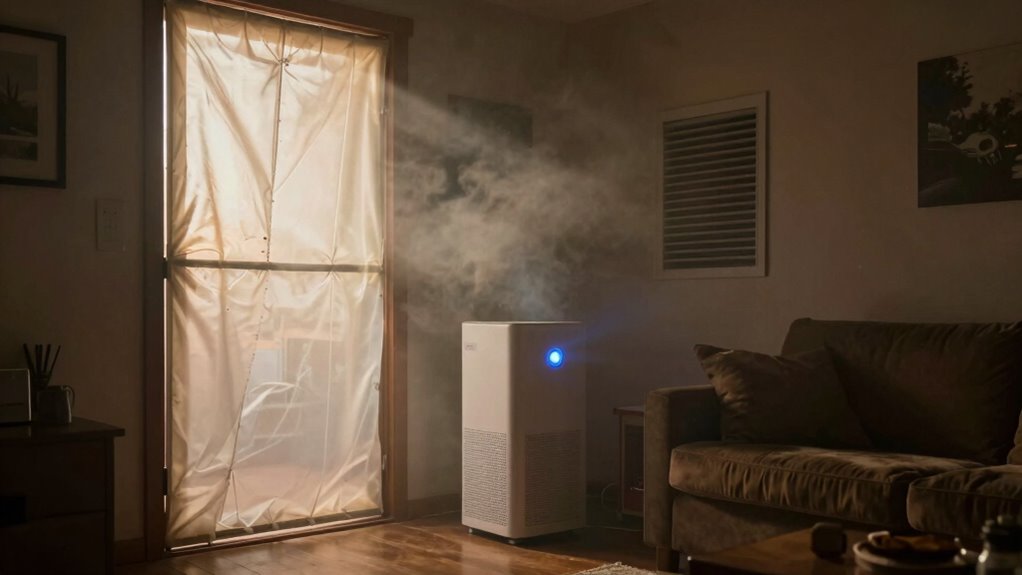
To protect your home from wildfire smoke indoors, adopt the 3-layer defense plan. First, seal gaps around windows and vents to prevent smoke from entering. Second, use high-quality HEPA air purifiers and filters in your HVAC system to capture fine particles. Third, monitor indoor air quality and maintain filters regularly. This all-encompassing approach effectively reduces smoke exposure—if you want to know how to implement each step successfully, there’s more to learn.

Get cleaning gear delivered free — and shop member deals
- Fast, free delivery on millions of items
- Access to Prime Big Deal Days deals on October 6–7
- Prime Video, Amazon Music and more included
Key Takeaways
- Implement sealing and ventilation controls to prevent smoke entry into indoor spaces.
- Use high-quality HEPA air filters and portable purifiers to capture fine wildfire smoke particles.
- Maintain filters regularly, keep windows and vents closed, and monitor indoor air quality with sensors.
- Create a designated safe room with filtered air and develop a wildfire response plan.
- Regularly inspect and maintain the building envelope and filtration systems for optimal protection.
HEPA air purifier for wildfire smoke
As an affiliate, we earn on qualifying purchases.
As an affiliate, we earn on qualifying purchases.
Why Wildfire Smoke Indoors Is Dangerous and What You Can Do About It
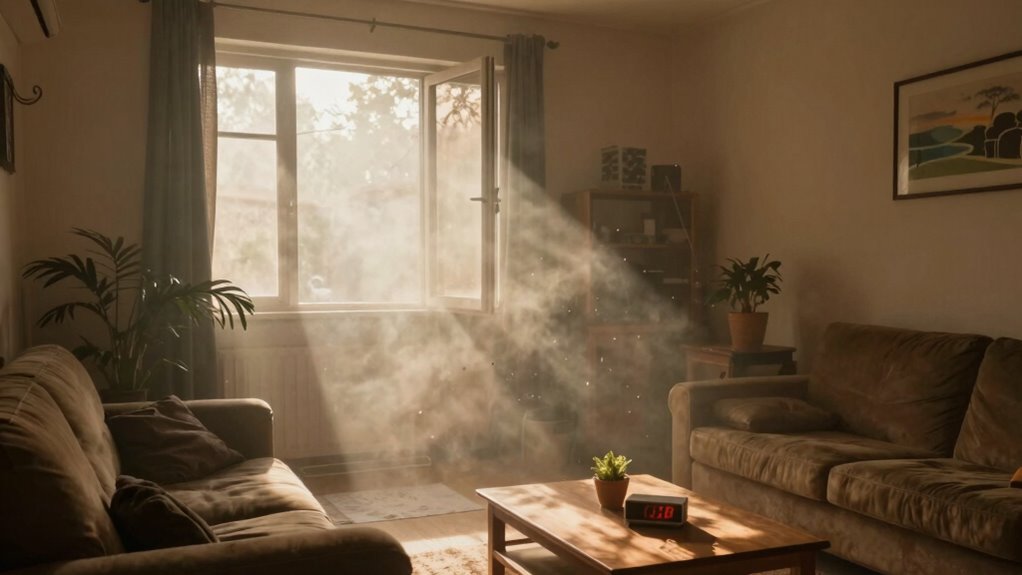
Wildfire smoke indoors is dangerous because it contains tiny particles and toxic chemicals that can harm your lungs and overall health. Poor air quality indoors, especially during wildfires, increases the risk of respiratory problems, allergies, and other health issues. When smoke seeps inside, these microscopic particles can penetrate deep into your lungs and even enter your bloodstream, posing serious health risks. Long-term exposure can lead to chronic respiratory conditions and cardiovascular problems. To protect yourself, guarantee proper ventilation, use high-quality air filters, and keep windows and doors closed during smoke events. Being proactive about indoor air quality helps reduce your exposure, safeguarding your health and minimizing the risks associated with wildfire smoke. Maintaining indoor air quality is a crucial part of your wildfire preparedness plan. Additionally, understanding how to effectively filter out microplastics in dust can further improve your indoor environment during smoke events. Implementing air cleaning strategies, such as using HEPA filters and air purifiers, can significantly reduce airborne contaminants and enhance your indoor safety. Regularly checking and replacing air filters ensures ongoing effectiveness and reduces indoor pollutants, including microplastics and other particulates. Incorporating proper ventilation practices can also help prevent the buildup of indoor pollutants and improve overall air quality.
air sealing kit for windows and vents
As an affiliate, we earn on qualifying purchases.
As an affiliate, we earn on qualifying purchases.
Introducing the 3‑Layer Defense Plan for Indoor Wildfire Smoke Protection
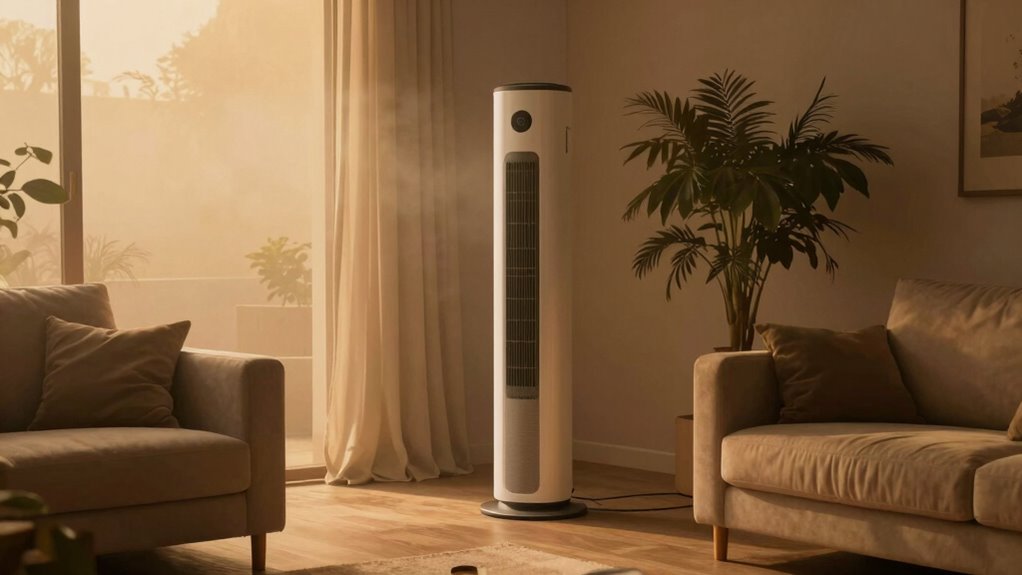
To effectively protect yourself from wildfire smoke indoors, adopting a structured approach can make a significant difference. That’s where the 3‑Layer Defense Plan comes in. This plan combines essential wildfire preparedness steps with targeted indoor air filtration strategies to minimize smoke exposure. The first layer focuses on reducing smoke entry by sealing gaps and controlling ventilation, which helps prevent outdoor smoke from infiltrating your living space. Incorporating tight building envelopes can significantly improve indoor air quality during wildfire events. Additionally, implementing air sealing techniques can further reduce unwanted air infiltration. The second emphasizes improving indoor air quality through air filtration devices designed to capture fine particles. The third layer involves maintaining a clean environment with regular house cleaning and proper ventilation practices. Incorporating Free Floating elements like portable air purifiers can enhance filtration efficiency. By implementing this multi-layered approach, you create a robust barrier against wildfire smoke, ensuring your indoor air stays cleaner and safer during wildfire events. This plan empowers you to stay protected with proactive, effective measures.
As an affiliate, we earn on qualifying purchases.
Seal Gaps and Control Ventilation to Block Smoke Entry
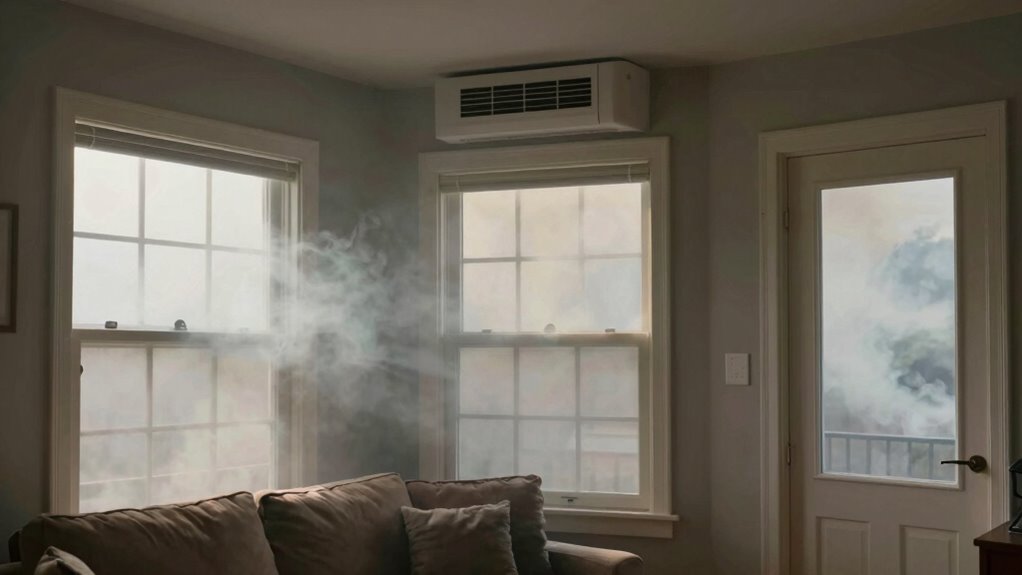
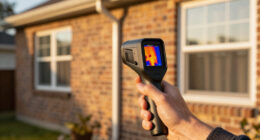
Have you considered how much gaps and openings in your home can admit smoke during a wildfire? These small cracks and leaks undermine your efforts to keep indoor air clean. To strengthen your defense, focus on air leak prevention by sealing gaps around windows, doors, and vents with weatherstripping or caulk. Proper ventilation control is equally important; avoid unnecessary air exchange with the outside during smoky conditions. Use exhaust fans to vent indoor pollutants outward, but keep fresh air intake closed if your home has a ventilation system. Ensuring the integrity of your home’s air barrier can greatly reduce smoke infiltration. Additionally, maintaining effective home sealing helps prevent harmful particles from entering. Regularly inspecting your home’s building envelope ensures that all leaks and gaps are identified and sealed promptly. Maintaining proper ventilation management ensures that indoor air quality is preserved without allowing smoke entry. By sealing gaps and managing airflow, you substantially reduce the risk of wildfire smoke entering your home, creating a safer indoor environment. This simple step forms an essential part of your overall smoke mitigation plan.
portable air purifier for wildfire smoke
As an affiliate, we earn on qualifying purchases.
As an affiliate, we earn on qualifying purchases.
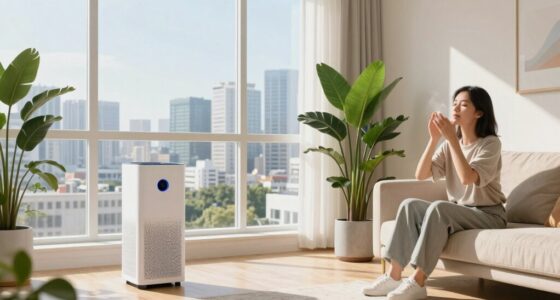
Choose the Best Air Purifiers and Filters for Wildfire Smoke
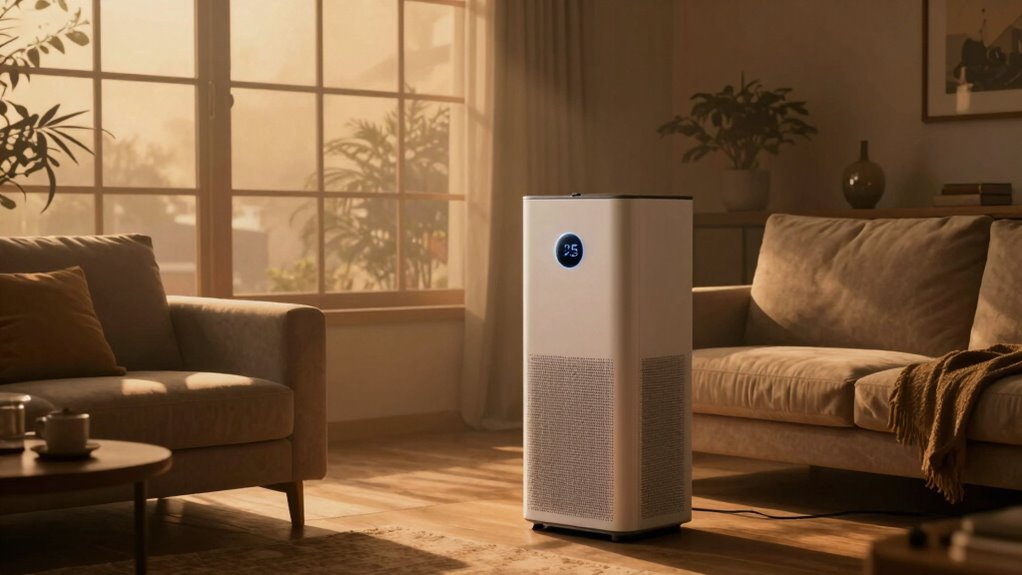
Choosing the right air purifier or filter can make a significant difference in protecting your indoor air during wildfire smoke events. Look for air purifier ratings, such as CADR (Clean Air Delivery Rate), to guarantee the device effectively removes smoke particles. HEPA filters are your best choice, as they capture 99.97% of airborne particles, including fine smoke particles. When selecting filters, consider ease of filter maintenance; filters that are easy to replace encourage consistent use and peak performance. Avoid units with low CADR ratings or those not designed for smoke removal. Regular filter maintenance is essential to keep your purifier functioning properly and maintaining indoor air quality. Proper piercing care and hygiene are also vital for maintaining a healthy indoor environment during smoke events. Additionally, ensure proper airflow around the unit to maximize its performance and efficiency. Selecting the appropriate air filtration methods can significantly improve indoor air quality during wildfire seasons. Staying informed about air quality monitoring can help you decide when to operate your purifier at optimal levels. By choosing an effective purifier and staying on top of filter upkeep, you’re better equipped to safeguard your home from wildfire smoke. Incorporating trusted brands known for quality air purifiers can further ensure optimal protection.
Monitor and Maintain Indoor Air Quality During Wildfire Season
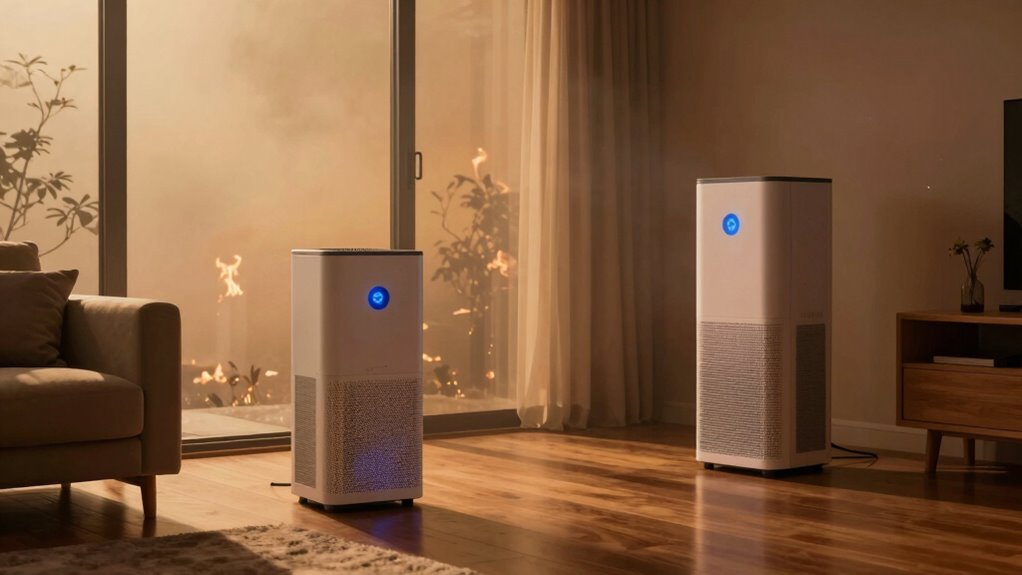
To maintain your indoor air safe during wildfire season, you need to regularly check air quality levels. Use your air purifiers correctly to maximize their effectiveness and seal any gaps around windows and doors to prevent smoke infiltration. Staying proactive ensures your indoor environment remains healthy and reduces smoke exposure. Regularly replacing filters in your air purification systems can also significantly improve indoor air quality filter maintenance. Additionally, monitoring indoor air quality with smart sensors can help you make timely adjustments to your ventilation practices air quality sensors. Incorporating vehicle protection gear, such as high-quality air filtration systems, can further enhance your protective measures and ensure your indoor environment stays safe. Understanding the indoor air quality gear needed for wildfire smoke can further enhance your protective measures and ensure your indoor environment stays safe. Recognizing the difference between indoor pollutants like smoke and other spiritual connection influences can help you better tailor your air quality management strategies.
Regular Air Quality Checks
During wildfire season, maintaining good indoor air quality is vital for health and comfort. Regular air quality checks help you stay ahead of smoke infiltration and guarantee your home’s environment remains safe. Use air quality monitors to track pollutant levels inside your space, alerting you when levels rise. This real-time data guides your actions, like increasing ventilation or adjusting filtration strategies. Don’t forget to perform regular filter maintenance on your HVAC system or air purifiers; clean filters are essential for removing pollutants effectively. Consistent monitoring and timely filter care keep indoor air safe, reducing smoke’s impact on your health. Staying vigilant during wildfire season ensures you create a healthier, more comfortable environment indoors. Additionally, understanding the trends in disposable vapes can help you make informed choices about alternative air quality solutions during prolonged smoke events.
Use Air Purifiers Effectively
Effective use of air purifiers can substantially reduce indoor smoke levels during wildfire season, but only if you monitor their performance and maintain them properly. Proper air purifier placement ensures ideal airflow and filtration efficiency—place units in central locations away from walls and obstructions. Regular filter maintenance is vital; check filters frequently and replace when dirty to keep purifiers working effectively. Keep an eye on air quality indicators to know when to adjust or upgrade your units. Use the table below to guide your air purifier management:
| Aspect | Action | Tips |
|---|---|---|
| Placement | Position centrally, avoid obstructions | Keep away from walls and furniture |
| Filter Maintenance | Replace filters regularly | Follow manufacturer’s recommendations |
| Air Quality Checks | Monitor indoor air quality | Use air quality monitors |
| Performance Monitoring | Confirm units operate properly | Listen for unusual noises or reduced airflow |
Seal Indoor Gaps
Sealing indoor gaps is a practical step to improve air quality during wildfire season. Indoor air sealing prevents smoky outdoor air from infiltrating your home, reducing indoor pollution. Start by inspecting windows, doors, and utility penetrations for gaps. Use weatherstripping and door sweeps to close these openings tightly. Additionally, applying gap insulation around electrical outlets and vents helps block unseen leaks. Properly sealing these gaps minimizes the entry of wildfire smoke and enhances the effectiveness of air purifiers. Regularly monitor your home’s indoor air quality to identify new leaks or gaps that may develop over time. By maintaining good indoor air sealing practices, you create a healthier indoor environment and better protect your family from wildfire smoke.
Extra Tips to Reduce Indoor Smoke Exposure When Wildfires Rage
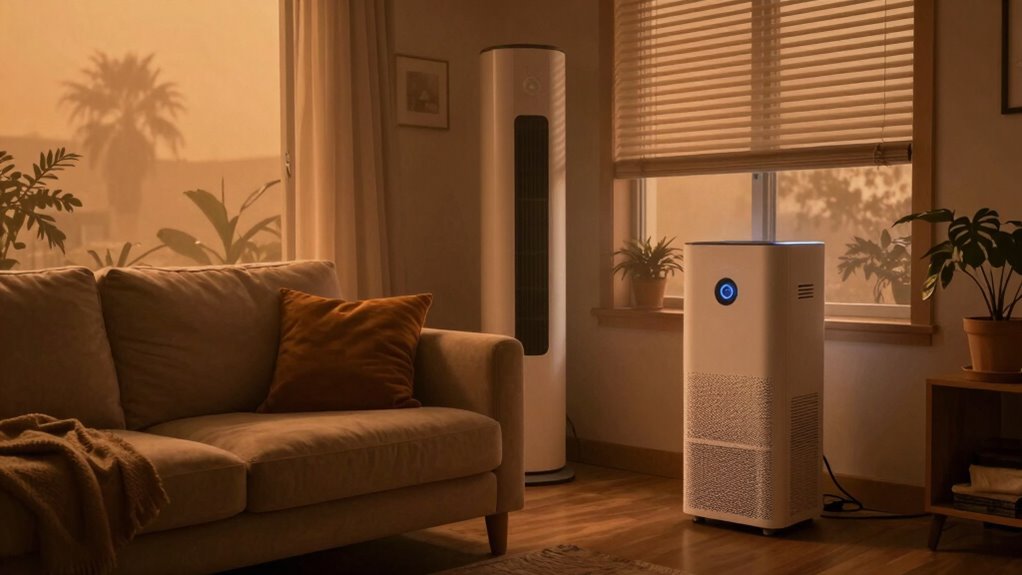
Are you looking for practical ways to minimize indoor smoke exposure when wildfires are nearby? Improving indoor air quality is key during wildfire events. Keep windows and exterior vents closed to prevent smoke from seeping inside. Use fans sparingly, as they can pull in outdoor air if not filtered properly. Enhance wildfire preparedness by creating a clean room—preferably with a filtered air system—to retreat to during heavy smoke. Regularly replace HVAC filters with high-efficiency models to catch airborne particles. Consider investing in an air purifier designed for wildfire smoke. Stay informed about local air quality reports and adjust your activities accordingly. These extra tips help you better control indoor air quality and reduce health risks during wildfire seasons.
How to Select the Right Equipment for Your Wildfire Smoke Defense
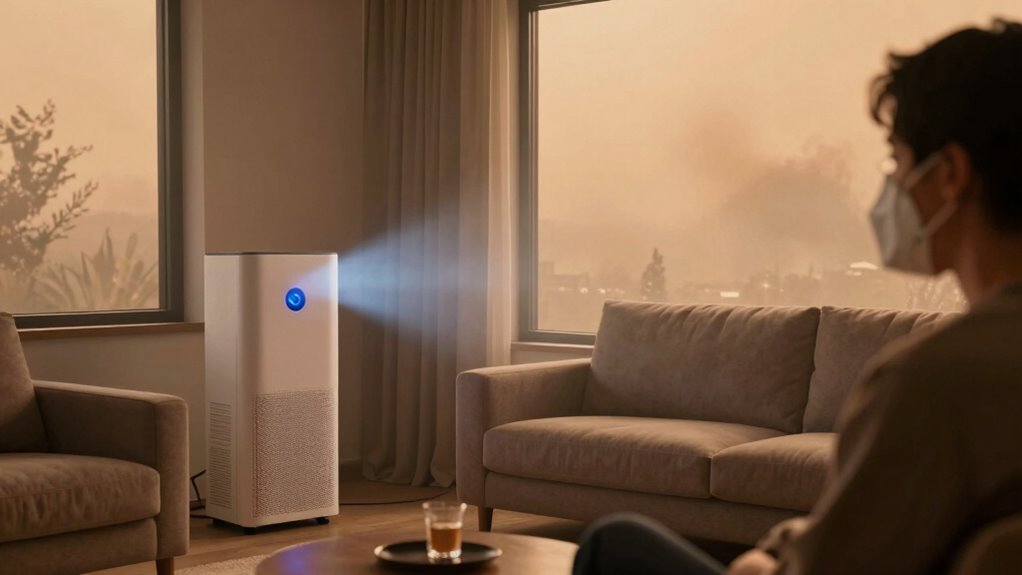
Choosing the right equipment to defend against wildfire smoke can make a significant difference in indoor air quality. Start with filter selection—look for HEPA filters, which capture fine smoke particles effectively. Verify your filters are rated for the size of the space you want to protect. Proper equipment placement is equally important; position air purifiers in central locations, away from obstructions, to maximize airflow and coverage. Avoid placing purifiers near windows or doors where smoke can seep in, and keep filters clean and replaced regularly for ideal performance. Selecting equipment tailored to your home’s size and layout ensures efficient filtration and better protection against smoke infiltration. This strategic approach helps maintain healthier indoor air during wildfire events.
Common Mistakes to Avoid When Protecting Your Home From Wildfire Smoke
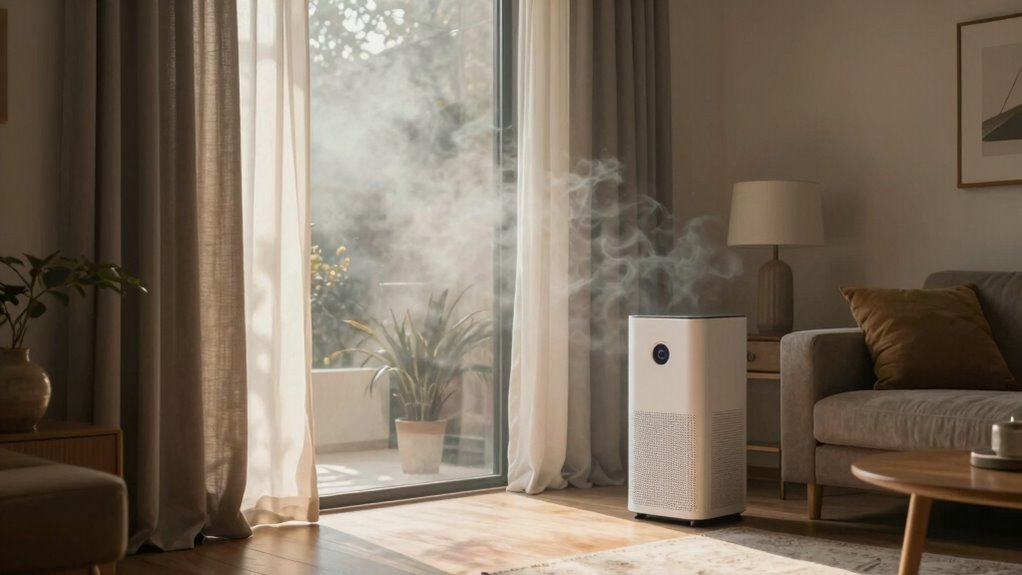
Many homeowners make the mistake of relying solely on air purifiers without considering proper placement or maintenance, which can substantially reduce their effectiveness during wildfire events. Effective smoke mitigation techniques go beyond just running a purifier; you need to implement fireproofing strategies like sealing gaps and using high-quality filters. Avoid neglecting regular filter changes or placing purifiers in areas with poor airflow, as these mistakes weaken your defense. Don’t overlook the importance of proper ventilation and draft prevention to minimize smoke infiltration. Relying only on one method leaves gaps in your protection. Instead, combine multiple strategies, including sealing, filtering, and proper device placement, to create a thorough defense against wildfire smoke indoors. This layered approach ensures you’re better protected when smoke levels rise.
Prepare Your Home and Family for Wildfire Smoke Seasons
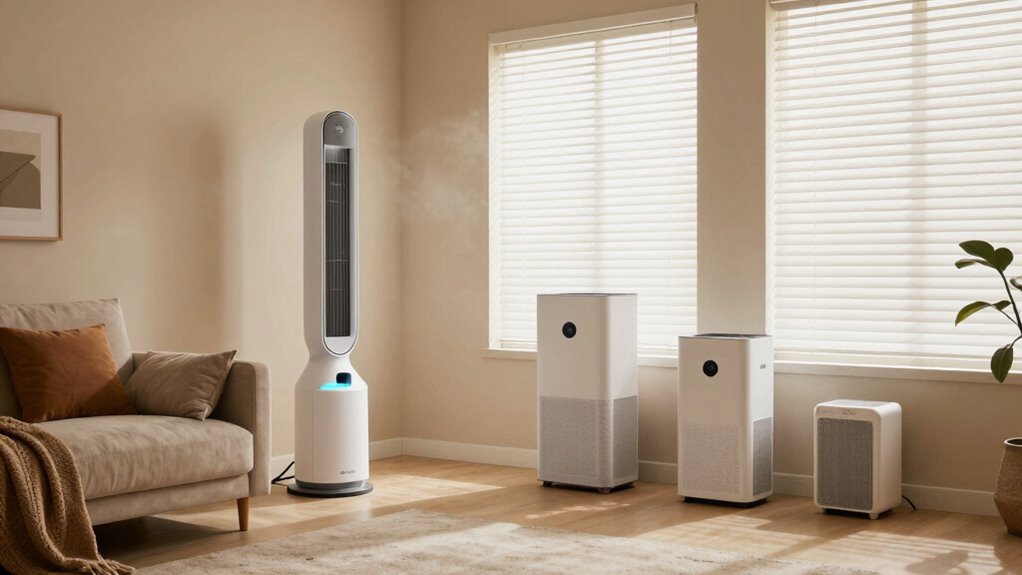
To protect your home during wildfire smoke seasons, start by sealing gaps and vents to prevent smoke from entering. Use air purifiers correctly to keep indoor air clean and safe. Additionally, create designated indoor spaces where your family can stay comfortable and protected from smoky air.
Seal Gaps and Vents
Have you ever considered how even small gaps and vents can let wildfire smoke seep into your home? Gaps sealing is essential for reducing indoor smoke infiltration. Check around windows, doors, electrical outlets, and utility penetrations for cracks or openings. Seal these with weatherstripping, caulking, or foam to block smoke entry points. Ventilation control is equally important—cover vents, louvers, and attic openings with airtight covers or filters during wildfire season. This prevents smoke from entering through intentional ventilation routes. Remember, even tiny gaps can substantially impact indoor air quality, so take the time to thoroughly seal and control ventilation pathways. Doing so creates a stronger barrier against wildfire smoke, protecting your home and family when it matters most.
Use Air Purifiers Effectively
Using air purifiers effectively can considerably improve indoor air quality during wildfire smoke seasons. To maximize their benefits, you must choose the right unit and maintain it properly. Regular air purifier maintenance and timely filter replacements ensure ideal performance. Keep filters clean and replace them as recommended by the manufacturer to prevent airflow restrictions. Position purifiers in high-traffic areas or rooms where you spend most of your time for best results.
| Tip | Explanation |
|---|---|
| Use HEPA filters | Capture tiny smoke particles effectively. |
| Replace filters regularly | Maintain air purifier efficiency. |
| Keep units in central locations | Distribute clean air evenly. |
Create Safe Indoor Spaces
Preparing your home and family for wildfire smoke seasons is essential for maintaining health and safety. Creating safe indoor spaces improves indoor air quality and strengthens your wildfire preparedness. Start by sealing gaps around windows and doors to prevent smoke infiltration. Use high-efficiency filters in your HVAC system and consider portable air purifiers. Limit activities that generate indoor pollution, like smoking or burning candles. Keep your home clean to reduce dust and allergens that can worsen air quality. Establish a designated safe room with a filtration system where family members can retreat during smoky conditions. Regularly check air quality reports and be ready to adjust your plans. These steps help you build a resilient environment that safeguards your loved ones during wildfire seasons.
Frequently Asked Questions
How Often Should I Replace Air Filters During Wildfire Season?
You should replace your air filters every 1 to 2 months during wildfire season. The air filter lifespan shortens with increased smoke, so filter replacement frequency needs to be more frequent to maintain air quality. Check your filters regularly, especially if you notice reduced airflow or a visible buildup of soot. Staying on top of filter changes helps guarantee your indoor air remains as clean as possible during smoky conditions.
Can Indoor Plants Help Filter Wildfire Smoke Effectively?
Indoor plants can act like green filters, helping to improve air quality during wildfire season. While they won’t completely clear wildfire smoke, plant filtration offers some relief. Choose plants with broad, leafy foliage like pothos or spider plants, which are known for their air-purifying properties. Remember, plants are a helpful addition but should complement other measures in your wildfire defense plan.
Are There Specific Window Types Better for Sealing Out Smoke?
If you want to seal out smoke effectively, choose windows with tight window seals and high-quality window materials like double-pane or triple-pane glass. These options provide better insulation and reduce gaps where smoke can seep in. Avoid older windows with worn-out seals or single-pane glass, as they’re less effective at keeping smoke out. Upgrading your window seals and selecting durable window materials enhances your home’s defense against wildfire smoke.
What Are the Signs of Poor Indoor Air Quality Caused by Wildfire Smoke?
Your indoor air quality might be suffering if you notice persistent odors that cling like a shadow, or if you experience health symptoms like coughing, throat irritation, or headaches. These signs signal that smoke particles are sneaking in, turning your home into a smoky cloud. Pay attention to these clues, and act quickly to improve ventilation and filtration, so your home becomes a gust of fresh air again.
How Can I Test Indoor Air Quality Quickly and Accurately?
You can test your indoor air quality quickly and accurately with portable air quality testing devices that measure particulate matter and pollutants. Make certain to calibrate your smoke detector regularly to guarantee it detects smoke levels effectively. Using these tools together helps you identify poor air quality swiftly, so you can take necessary actions like ventilating the space or using air purifiers to improve indoor air safety during wildfire events.
Conclusion
Did you know that indoor wildfire smoke can be up to 5 times more harmful than outdoor air? By following the 3-layer defense plan—sealing gaps, choosing the right filters, and monitoring air quality—you can dramatically reduce your exposure. Staying proactive during wildfire season is essential to protect your health and home. Don’t wait for smoke to seep in; take these steps now to breathe easier and stay safe when it matters most.
Fall Picks
fall essentials
As an affiliate, we earn on qualifying purchases.