Switching from gas to electric heat pumps helps you reduce your home’s carbon footprint and lower energy bills. These systems are highly efficient, transferring heat to keep you comfortable while drawing less power. With ongoing advances, they perform well even in colder climates and work seamlessly with cleaner renewable energy sources. This change supports a sustainable future and less reliance on fossil fuels. To discover how this switch can benefit your home and environment, keep exploring the details.
Key Takeaways
- Switching to electric heat pumps reduces carbon emissions and supports renewable energy integration.
- Heat pumps are highly energy-efficient, lowering utility bills compared to gas systems.
- Technological advancements enable better performance in colder climates.
- They require less maintenance and are environmentally safer than fossil fuel systems.
- Electrification promotes a more sustainable and resilient energy future.
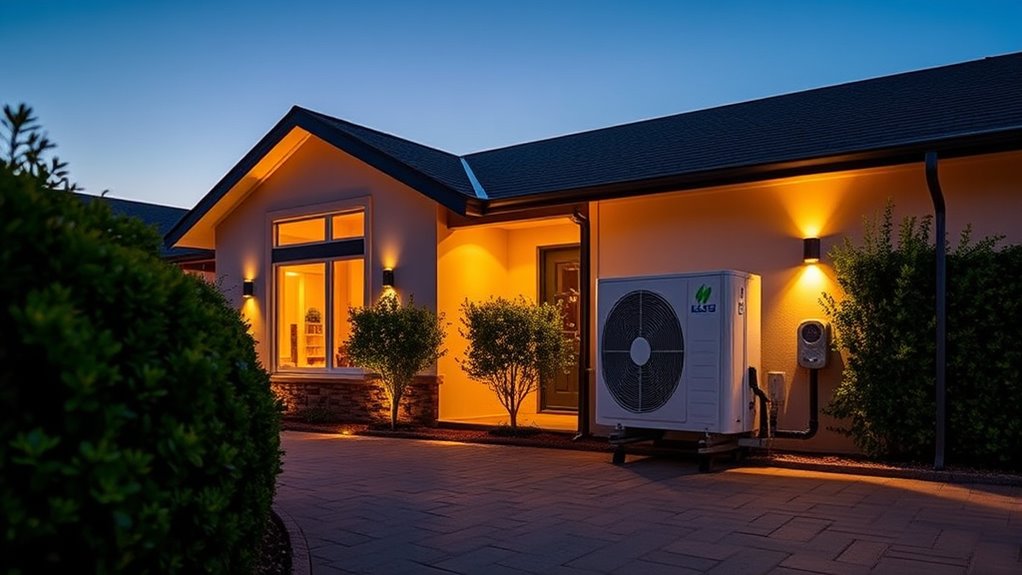
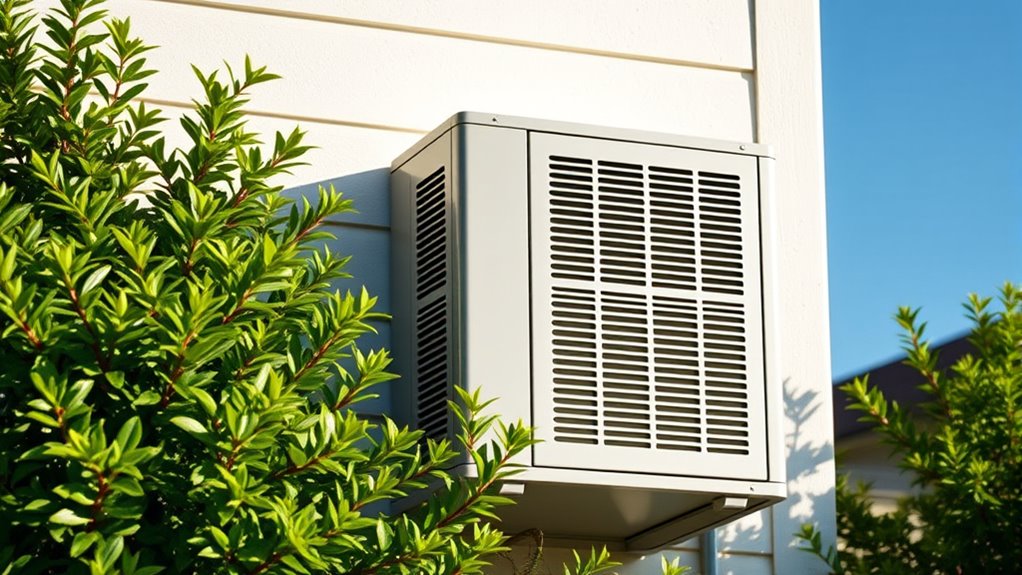
As concerns about climate change grow, switching from gas to electric heat pumps has become a practical and efficient way to reduce your carbon footprint. Heat pumps are designed to harness renewable energy sources, making them a key component in renewable integration efforts. Unlike traditional gas furnaces, which burn fossil fuels, electric heat pumps draw power from the grid, especially when paired with renewable energy sources like wind or solar. This change not only reduces greenhouse gas emissions but also aligns your home with a cleaner energy future. By transitioning to electric heat pumps, you actively participate in the move toward a more sustainable energy system, helping to decrease reliance on carbon-heavy fuels. Additionally, antioxidants found in some foods have been shown to support overall health and reduce inflammation, complementing the benefits of energy-efficient living. Energy efficiency plays a significant role in why switching makes sense. Modern electric heat pumps are highly efficient, often delivering two to three times more heating or cooling output per unit of electricity compared to conventional systems. This means you’ll consume less energy to maintain comfort throughout your home, leading to lower utility bills and a smaller environmental impact. Because they operate by transferring heat rather than generating it through combustion, heat pumps leverage advanced technology that maximizes energy use. The efficiency gains are especially noticeable in moderate climates, but advancements continue to improve their performance even in colder regions, making them a versatile choice for many households. When you choose an electric heat pump, you’re also supporting a more resilient and adaptable energy infrastructure. As renewable energy becomes more integrated into the grid, your heat pump can take advantage of cleaner power sources, further reducing your carbon footprint. Many regions are now investing in smart grid technology, which enables your heat pump to operate during times of excess renewable generation. This not only optimizes energy use but also helps stabilize the grid, making your home a part of a larger sustainable network. Additionally, electric heat pumps often require less maintenance than traditional gas systems, reducing long-term costs and minimizing environmental hazards associated with fossil fuel extraction and combustion.
Frequently Asked Questions
What Are the Initial Costs of Installing Electric Heat Pumps?
The initial costs of installing electric heat pumps typically range from $3,000 to $8,000, depending on the system size and complexity. When you compare the cost to traditional heating systems, you’ll find a favorable cost comparison over time. The installation process is straightforward but may involve upgrades to your electrical system, which can add to the upfront expenses. Overall, investing now can lead to energy savings and environmental benefits.
How Long Do Electric Heat Pumps Typically Last?
You can expect your electric heat pump to last around 10 to 15 years, depending on heat pump longevity and lifespan factors like maintenance, usage, and climate conditions. Regularly servicing your unit helps extend its lifespan, ensuring it operates efficiently for years. Keep an eye on performance issues and schedule professional check-ups, as proper care reduces wear and tear, maximizing your investment’s longevity.
Are Electric Heat Pumps Suitable for Very Cold Climates?
Yes, electric heat pumps can be suitable for very cold climates if they have proper cold climate adaptation features. Modern models are designed to maintain heat pump efficiency even in low temperatures, ensuring reliable heating during harsh winters. Look for units with enhanced defrosting capabilities and low-temperature performance ratings. With the right choice, you’ll enjoy efficient, eco-friendly heating, even when the weather gets extremely cold.
What Maintenance Is Required for Electric Heat Pumps?
Think of your electric heat pump as a finely tuned instrument that needs regular tune-ups. You should change filters every 1-3 months to maintain system efficiency, keep outdoor coils clear of debris, and schedule annual professional inspections. These steps help reduce noise levels and ensure your system runs smoothly. Regular maintenance keeps your heat pump performing at its best, saving energy and extending its lifespan.
Can Electric Heat Pumps Replace Both Heating and Cooling Systems?
Yes, electric heat pumps can replace both your heating and cooling systems, offering zoning flexibility and energy efficiency. They work year-round, providing warmth in winter and cooling in summer. While they operate quietly, some models may produce moderate noise levels during operation. You should consider your home’s size and insulation to guarantee peak performance. Overall, heat pumps are a versatile, eco-friendly choice for replacing traditional HVAC systems.
Conclusion
Switching to electric heat pumps isn’t just a choice; it’s a game-changer that transforms your home into a powerhouse of efficiency and sustainability. Imagine never worrying about gas leaks or rising fuel costs again—your comfort skyrockets while your carbon footprint plummets! Embrace this electrified revolution and watch your energy bills shrink faster than you can blink. It’s not just an upgrade; it’s a leap into the future, where your home leads the charge for a cleaner, greener world!