To prevent control board failure, it’s essential to use proper surge protection for your HVAC system. Start by installing surge protection devices (SPDs) at the main panel or directly on the unit to divert voltage spikes. Make certain your system is well grounded to safely dissipate excess electricity. Regularly inspect wiring and protection setups to catch issues early. Taking these steps helps protect your equipment and prolongs its lifespan; keep going to discover more ways to shield your system effectively.
Key Takeaways
- Install surge protection devices (SPDs) at the main panel or directly on the HVAC unit to divert voltage spikes.
- Ensure proper grounding of HVAC systems to safely channel excess electrical energy away from sensitive components.
- Regularly inspect and maintain grounding wires and surge protectors to ensure their effectiveness.
- Use components rated specifically for HVAC systems to provide reliable surge suppression.
- Combine grounding techniques with SPDs for comprehensive protection against power surges and control board damage.

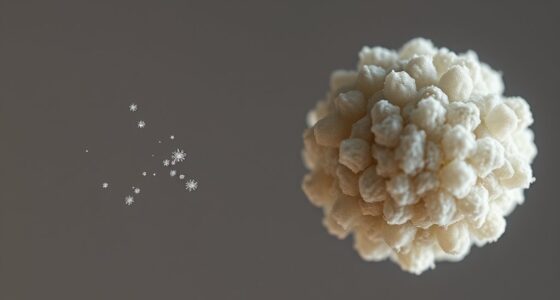
Your HVAC system is a crucial component of your home comfort, but it’s vulnerable to power surges that can cause costly damage or sudden failures. Power surges are sudden increases in electrical voltage, often caused by lightning strikes, grid switching, or other electrical issues. When a surge occurs, it can overload sensitive components within your HVAC system, especially the control board, which is vital for operating your unit. Protecting this part of your system isn’t just about preventing inconvenience; it’s about avoiding expensive repairs or replacements.
One of the most effective ways to safeguard your HVAC system is through proper grounding techniques. Grounding involves connecting electrical systems to the earth, providing a safe pathway for excess voltage to dissipate. When grounding is correctly implemented, it helps to prevent dangerous voltage buildup that could pass through your HVAC’s wiring and damage internal components. Ensuring your system has a solid grounding connection is crucial—this might involve inspecting existing grounding wires or installing new grounding rods as needed. Proper grounding reduces the risk of control board failure by diverting unexpected electrical currents away from sensitive electronic parts.
In addition to grounding, surge protection devices (SPDs) play a key role in defending your HVAC system against power surges. These devices are designed to detect sudden voltage spikes and quickly divert excess energy away from your system’s electrical components. Installing surge protection devices at critical points—such as your main electrical panel or directly on the HVAC unit—can significantly reduce the likelihood of damage. Some surge protection devices are designed specifically for HVAC systems, offering dedicated protection for the control board and other electronic parts. When choosing SPDs, look for ones that meet industry standards and are rated for the electrical load of your system to ensure effective protection.
Combining proper grounding techniques with high-quality surge protection devices creates a robust defense against power surges. It’s a proactive approach that not only safeguards your HVAC system but also extends its lifespan. Regular inspections of your electrical connections and surge protection setup help ensure everything remains in good condition. Remember, electrical issues can be unpredictable, but with these preventative measures in place, you can minimize the risk of control board failure caused by power surges. Protecting your HVAC system isn’t just about avoiding repairs; it’s about maintaining reliable comfort in your home year-round. Additionally, understanding electrical safety best practices can further reduce risks associated with power surges and electrical faults.
Frequently Asked Questions
How Often Should Surge Protectors Be Replaced on HVAC Systems?
You should replace surge protectors on your HVAC system every 3 to 5 years, following maintenance schedules. Regular checks make sure they remain effective, especially for component compatibility with new systems. If you notice frequent power surges or the protector has been exposed to lightning strikes, replace it sooner. Staying proactive helps prevent control board failures, saving you money and avoiding system downtime.
Can Surge Protection Prevent All Types of Electrical Damage?
Did you know that surge protectors can prevent up to 80% of electrical damage? While they’re effective, surge protector limitations mean they can’t prevent all types of electrical damage, especially from direct lightning strikes or internal faults. You should understand that electrical damage prevention isn’t absolute; surge protectors mainly guard against voltage spikes. For thorough protection, consider additional measures like proper grounding and regular maintenance of your HVAC system.
What Are Signs of a Failing Surge Protector in HVAC Units?
You might notice visual indicators like a burnt smell, corrosion, or a burnt smell on the surge protector. Troubleshooting steps include inspecting the surge protector for any visible damage, testing outlets with a multimeter, and replacing it if you see signs of failure. If your HVAC control board isn’t functioning properly, check the surge protector’s status and replace it promptly to prevent further electrical damage.
Are There Specific Surge Protectors Recommended for Different HVAC Brands?
Imagine your HVAC system throwing a tantrum, refusing to cool or heat—turns out, a compatible surge protector might be the hero. Yes, specific surge protectors are recommended for different HVAC brands, ensuring brand compatibility. Choose the right type—whole-house or point-of-use—to match your system’s needs. This way, you prevent control board failure and keep your system running smoothly, avoiding costly repairs and unnecessary drama.
How Does Lightning Increase the Risk of HVAC Control Board Failure?
Lightning strikes can cause electrical surges, markedly increasing your HVAC control board failure risk. When lightning hits nearby, it creates sudden voltage spikes that travel through power lines and electrical systems. If your HVAC isn’t protected, these surges can overload the control board, damaging sensitive components. To avoid costly repairs, install surge protectors that specifically guard against lightning-induced surges, ensuring your system stays safe during thunderstorms.
Conclusion
So, after all this talk about surge protection preventing control board failures, it’s almost funny how often we neglect it until a storm or power spike hits. You’d think safeguarding your HVAC system would be a no-brainer, but many wait until it’s too late. Ironically, a simple surge protector could save you hundreds in repairs—yet it’s the last thing on your mind until everything suddenly stops working. Don’t wait; protect now before irony strikes again.