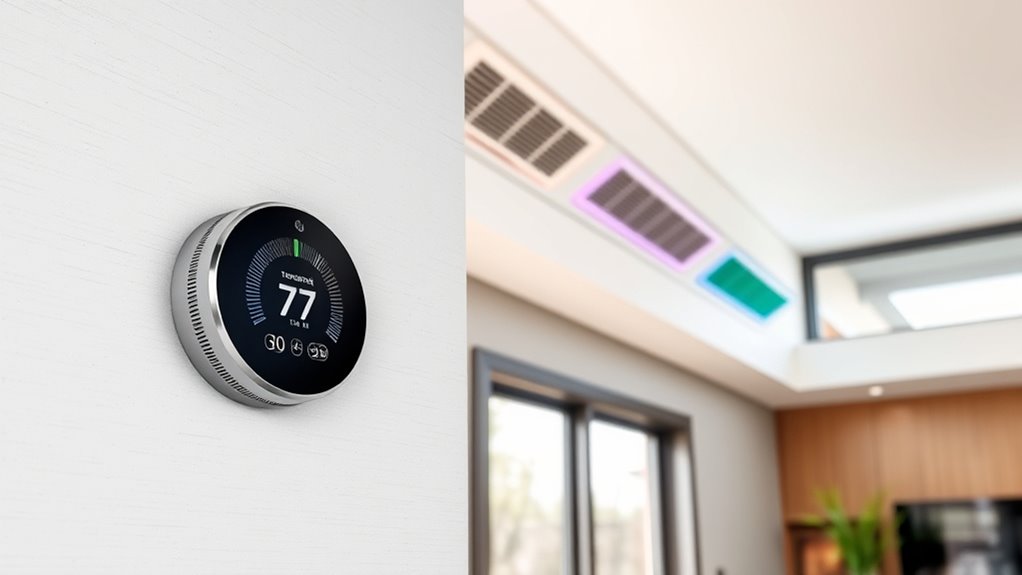

Zoning your HVAC system lets you control the temperature in different areas of your home for maximum comfort and efficiency. By installing dampers within your ductwork and using multiple thermostats, you can customize airflow and climate settings for each zone. This approach prevents hot or cold spots, reduces energy bills, and extends your system’s lifespan. To discover how to get started and optimize your home’s comfort, keep exploring the key components and benefits.
Key Takeaways
- Install dampers in ductwork to direct airflow to designated zones for targeted climate control.
- Use multiple thermostats to independently manage temperature settings in each zone.
- Ensure proper sealing and professional installation to optimize damper and thermostat performance.
- Zoning reduces energy waste by heating or cooling only occupied areas, lowering utility bills.
- Personalized comfort is achieved by customizing temperature settings for different rooms or zones.

Zoning your HVAC system can considerably improve your home’s comfort and energy efficiency by allowing different areas to be heated or cooled independently. When you set up zones, you can customize temperature settings based on your preferences, guaranteeing each part of your home feels just right. This setup not only enhances comfort but also helps reduce energy bills by avoiding unnecessary heating or cooling of unoccupied spaces.
Zoning your HVAC system boosts comfort and saves energy by heating or cooling areas independently.
To achieve effective zoning, one of the key components you’ll need is dampers installation. Dampers are devices installed within your ductwork that control airflow to specific zones. When you activate a zone, the dampers open to allow conditioned air into that area, and close to restrict airflow to others. Installing dampers correctly ensures that each zone receives the right amount of airflow, preventing hot or cold spots and maintaining consistent temperatures throughout your home. The installation process involves integrating these dampers into your existing duct system, which may require some professional assistance to ensure proper sealing and operation.
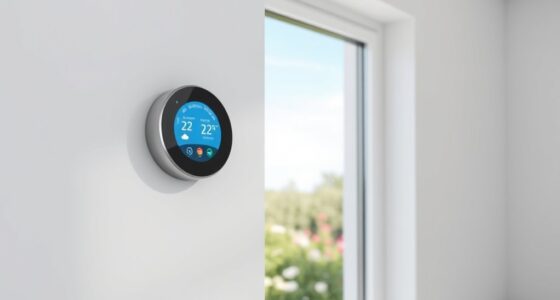
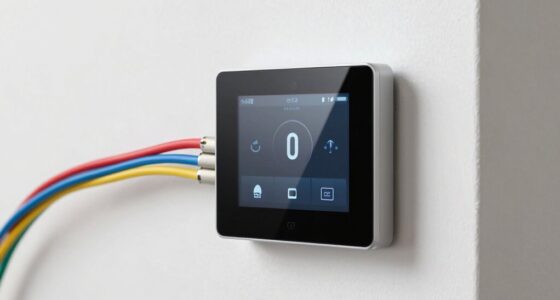
Along with dampers, thermostat controls play a crucial role in zoning. Instead of a single thermostat controlling your entire home, you’ll have multiple thermostats, each dedicated to a specific zone. These thermostats communicate with your HVAC system and dampers to regulate temperature precisely. When a zone’s temperature deviates from the set point, the corresponding thermostat signals the dampers to open or close, adjusting airflow accordingly. This setup gives you the flexibility to set different temperatures for your living room, bedrooms, or basement, aligning your comfort with your daily routines and preferences.
Integrating dampers and multiple thermostat controls can seem complex at first, but the benefits are worth it. You gain better control over your environment, improved energy efficiency, and potential savings on your utility bills. Additionally, zoning helps your HVAC system operate more smoothly, reducing wear and tear and extending its lifespan. You’ll notice that rooms stay more comfortable, and you won’t have to crank up the heat or AC to compensate for uneven temperatures.
In essence, zoning your HVAC system combines carefully installed dampers with smart thermostat controls, giving you power over your home’s climate. It’s a practical upgrade that transforms your space into a more comfortable, energy-efficient haven. Whether you’re looking to save money or simply enjoy more personalized comfort, zoning is a smart solution that adapts your HVAC system to meet your specific needs.
Frequently Asked Questions
Can Zoning Be Added to an Existing HVAC System?
Yes, you can add zoning to an existing HVAC system. First, check if your current thermostat is compatible with zoning control panels. If not, upgrading or replacing it is necessary. Then, install zoning control panels and motorized dampers in your ductwork. This allows you to control different zones independently, improving comfort and efficiency. A professional HVAC technician can help guarantee proper integration and ideal performance.
What Are the Initial Costs of Zoning a Home?
The initial costs of zoning your home typically range from $2,000 to $5,000, depending on your home’s size and complexity. While zoning benefits include personalized comfort and energy savings, zoning drawbacks involve higher upfront expenses and potential maintenance issues. You’ll need to weigh these costs against long-term comfort and energy efficiency, but investing now can lead to significant savings and improved comfort over time.
How Long Does Installation of a Zoning System Take?
Sure, you can probably DIY installation, but don’t expect it to be quick. Installing a zoning system usually takes a few hours to a day, depending on your home’s zoning compatibility and your experience. If you’re confident and prepared, you might speed things up, but rushing could lead to mistakes. For the best results, consider consulting a professional to guarantee everything’s done right and efficiently.
Are There Energy Savings With Zoning?
Yes, zoning your HVAC system can boost your energy efficiency and lead to significant cost savings. By directing conditioned air only to the areas you use most, you reduce energy waste and lower utility bills. You’ll enjoy more consistent comfort, too. With proper zoning, your system runs more efficiently, so you save money over time while maintaining ideal temperatures throughout your home.
What Maintenance Is Required for a Zoned HVAC System?
Did you know that improper maintenance can reduce a zoned HVAC system’s efficiency by up to 20%? To keep your system running smoothly, regularly check and replace filters, inspect zone dampers for proper operation, and ensure thermostats are compatible with your system. For DIY troubleshooting, verify system compatibility before making adjustments, and consult your manual or a professional if you encounter persistent issues. Proper maintenance guarantees peak comfort and energy savings.
Conclusion
Think of your HVAC zoning as a symphony conductor, guiding each room to its perfect temperature. When you customize your system, you’re orchestrating comfort like a maestro, ensuring every space hits the right note. With zoning, your home becomes a harmonious concert of coziness, where no room is left out of tune. Embrace this approach, and you’ll enjoy a personalized comfort experience that’s truly music to your ears.