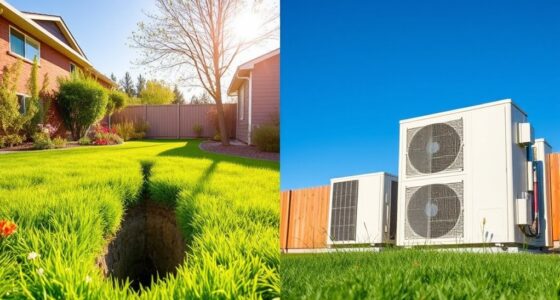

The real reason IAQ and HVAC topics keep merging is that recent advances focus on protecting health rather than just comfort. You’ll see smarter systems that monitor and automatically adjust airflow based on real-time air quality sensors. This shift is driven by the need to reduce indoor pollutants and improve wellbeing. As technology evolves, these systems become more efficient and adaptable, combining energy savings with healthier environments. Keep exploring, and you’ll discover how these innovations are shaping the future of indoor air management.

Get cleaning gear delivered free — and shop member deals
- Fast, free delivery on millions of items
- Access to Prime Big Deal Days deals on October 6–7
- Prime Video, Amazon Music and more included
Key Takeaways
- Rising health concerns prioritize indoor air quality, prompting integration with HVAC systems for better health protection.
- Technological advancements enable smarter, adaptive ventilation and filtration solutions that combine IAQ and HVAC functions.
- Indoor pollutants pose health risks, driving the need for comprehensive IAQ management within HVAC design.
- Real-time sensors and automation allow HVAC systems to respond proactively to changing indoor air conditions.
- The shift aims to improve indoor environments by balancing health, energy efficiency, and occupant comfort.
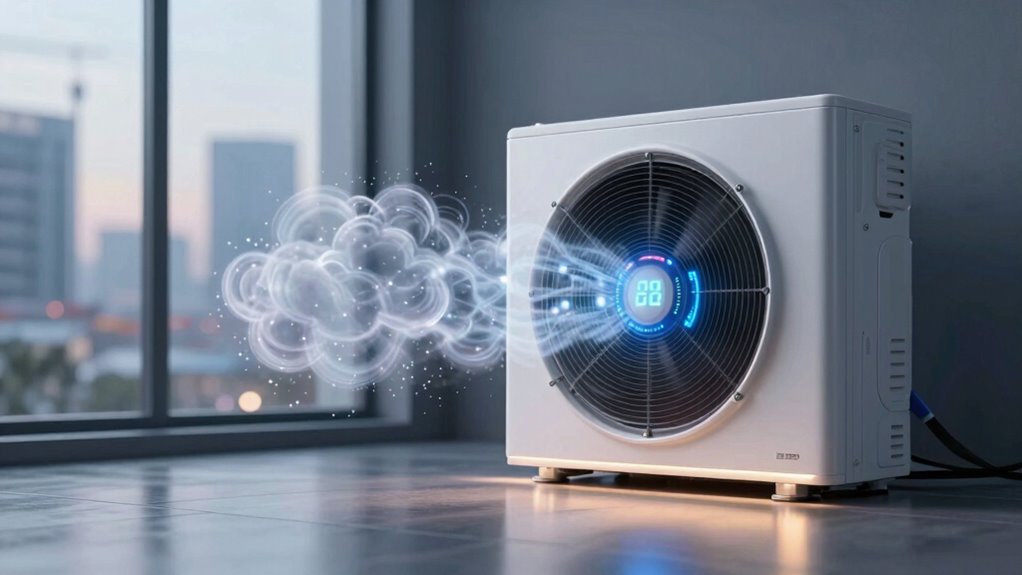
As indoor air quality (IAQ) becomes an increasingly critical concern, HVAC professionals are recognizing the importance of integrating IAQ strategies into their systems. You might not realize it, but your HVAC system plays an essential role in maintaining healthy indoor air. The focus on IAQ isn’t just about comfort anymore; it’s about safeguarding your health and wellbeing. That’s why ventilation systems are now a central part of conversations around HVAC. They’re no longer just about heating or cooling but about exchanging indoor air for fresh, filtered outdoor air efficiently and effectively.
The reason these topics keep merging is simple: indoor air quality directly impacts the effectiveness of your ventilation systems. When indoor air is stale or contaminated, even the best HVAC setup can’t deliver the clean, fresh air you need. Modern ventilation systems are designed to work hand-in-hand with filtration and air purification technologies, creating an all-encompassing approach to IAQ. As a result, HVAC professionals are moving beyond traditional air exchange methods to incorporate advanced filtration, humidity control, and even sensors that monitor air quality in real time. Technological advancements are at the heart of this evolution, enabling smarter and more adaptable systems.
You need to understand that indoor air can carry pollutants—dust, allergens, volatile organic compounds—that impact your health. Ventilation systems are your frontline defense in reducing these airborne contaminants. They help remove pollutants from indoor air and replace it with cleaner outdoor air, maintaining a balanced and healthy environment. This isn’t just about comfort; it’s about preventing health issues that can arise from prolonged exposure to poor IAQ. Indoor air pollutants are a significant concern, emphasizing the importance of effective ventilation strategies. As technology advances, the integration of sensor technology further enhances the ability of HVAC systems to respond proactively to changing air quality conditions. Additionally, ventilation efficiency plays a crucial role in optimizing both air quality and energy consumption, making it a key focus for modern systems.
Moreover, the implementation of energy-efficient ventilation methods helps reduce environmental impact while maintaining indoor air standards. That’s why integrating IAQ strategies into HVAC systems is more than a trend; it’s a necessity.
The merging of IAQ and HVAC topics is driven by technological advancements. New innovations allow ventilation systems to adapt dynamically based on real-time air quality data. You can now have systems that automatically increase ventilation when pollutant levels rise or reduce airflow when indoor air is sufficiently clean. This intelligent control helps optimize energy use while ensuring the air you breathe stays healthy. HVAC professionals see this integration as a way to create smarter, more responsive systems that prioritize health without sacrificing efficiency or comfort.
Ultimately, the merging of IAQ and HVAC topics reflects a broader shift toward healthier indoor environments. It’s about understanding that your indoor air should be as clean and safe as possible. As HVAC professionals continue to develop and implement these integrated systems, you’ll notice improvements in air quality, energy efficiency, and overall comfort. The connection between IAQ and ventilation systems is no longer an afterthought; it’s the core of modern HVAC design aimed at protecting your health every day.
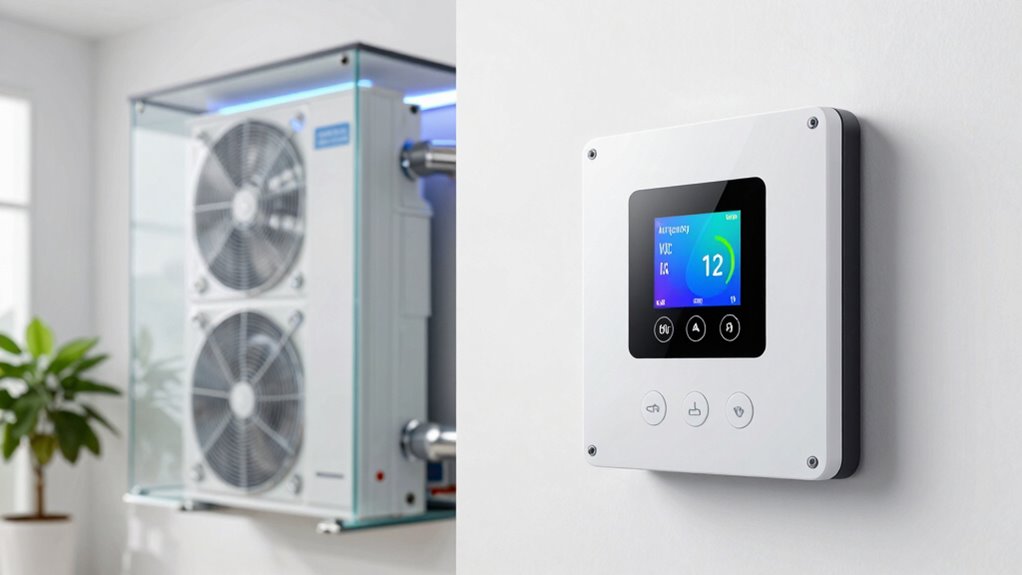
air quality monitor with HVAC integration
As an affiliate, we earn on qualifying purchases.
As an affiliate, we earn on qualifying purchases.
Frequently Asked Questions
How Does IAQ Impact Overall HVAC System Efficiency?
Improving air quality directly boosts your HVAC system’s efficiency because cleaner air reduces strain on filters and components. When ventilation efficiency is high, the system doesn’t need to work as hard to circulate fresh air, saving energy. You’ll notice better indoor air quality, fewer system breakdowns, and lower energy bills. Ultimately, prioritizing IAQ helps your HVAC run smoothly, extending its lifespan and maintaining peak performance.
What Are the Latest Technologies Connecting IAQ and HVAC?
You’ll find that the latest technologies connecting IAQ and HVAC include smart sensors and advanced air purification systems. Smart sensors monitor air quality in real-time, providing data that helps optimize HVAC operations to maintain healthy indoor environments. Meanwhile, air purification integrates directly with HVAC systems, removing pollutants and allergens more effectively. Together, these innovations enhance indoor air quality, improve energy efficiency, and create healthier, more comfortable indoor spaces.
How Can Homeowners Identify IAQ Issues Through HVAC Systems?
You can spot air quality issues by paying close attention to your HVAC system’s performance. Look out for musty odors, excessive dust, or allergies acting up indoors. Regularly check your system’s filters and airflow. Make sure your home meets ventilation standards, which helps maintain healthy air. If you notice persistent problems, it’s a sign to have an HVAC professional evaluate your system’s ability to keep indoor air quality high.
Are There Industry Standards for Integrating IAQ With HVAC Design?
Yes, industry standards exist for integrating indoor air quality (IAQ) with HVAC design, focusing on ventilation standards like ASHRAE 62.1 and 62.2. These standards guide you to guarantee proper indoor air exchange, humidity control, and filtration, helping you create healthier indoor environments. By following these guidelines, you can optimize ventilation systems, improve indoor air, and effectively address IAQ concerns within your HVAC design.
What Training Is Required for Technicians Working on Both IAQ and HVAC?
Are you prepared to manage indoor air quality and ventilation strategies effectively? You’ll need specialized training covering indoor air fundamentals, ventilation techniques, and HVAC system integration. Technicians should pursue certifications like EPA 608, HVAC Excellence, or NATE, along with ongoing education in IAQ topics. This guarantees you understand how to optimize indoor air quality, troubleshoot issues, and implement sustainable ventilation solutions that protect occupant health.
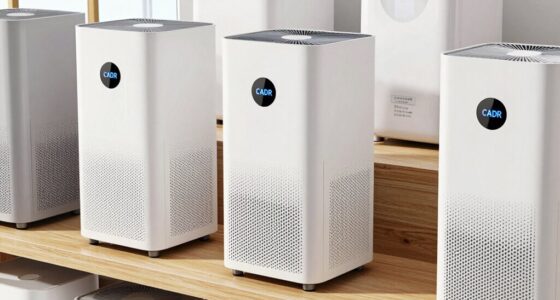
smart air purifier with real-time sensors
As an affiliate, we earn on qualifying purchases.
As an affiliate, we earn on qualifying purchases.
Conclusion
Think of IAQ and HVAC as dancers in a carefully choreographed ballet, each move influencing the other’s rhythm. As their steps become more intertwined, it’s clear they’re no longer solo performers but parts of a unified performance. Embracing this harmony means you’re ensuring a seamless flow of comfort and safety. When you recognize their dance as one, you’re not just observing—you’re guiding the performance toward a healthier, more balanced environment.
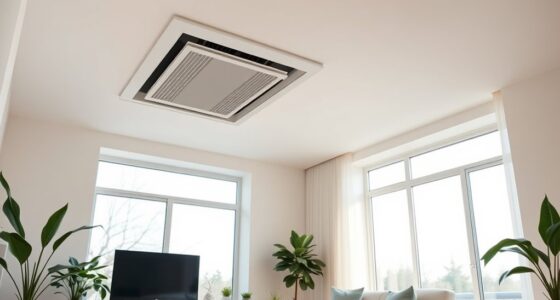
energy-efficient ventilation system
As an affiliate, we earn on qualifying purchases.
As an affiliate, we earn on qualifying purchases.
As an affiliate, we earn on qualifying purchases.
Fall Picks
fall essentials
As an affiliate, we earn on qualifying purchases.