To improve indoor air quality, you should use effective filtration like HEPA filters to trap airborne particles, incorporate UV-C sterilization to eliminate bacteria and viruses, and maintain proper humidity levels between 40-60%. Regularly clean and replace filters, monitor humidity, and consider dehumidifiers or humidifiers as needed. Combining these strategies enhances air safety and comfort. Keep exploring how these methods work together for a healthier indoor environment.
Key Takeaways
- Use high-efficiency HEPA filters and air purifiers to remove airborne allergens, bacteria, and pollutants effectively.
- Incorporate UV-C sterilization within HVAC or air purifiers to kill bacteria, viruses, and mold spores.
- Maintain indoor humidity levels between 40-60% with humidifiers or dehumidifiers to prevent mold and dust mite growth.
- Regularly clean and replace filters, and monitor humidity for optimal indoor air quality.
- Combine filtration, UV-C sterilization, and humidity control for comprehensive indoor air quality improvement.
Are you aware of how much indoor air quality impacts your health and comfort? Many people underestimate how the air inside their homes or workplaces can affect their wellbeing. Poor air quality can lead to allergies, respiratory issues, and general discomfort. Fortunately, there are effective ways to improve the air you breathe daily, starting with proper air purification and humidity regulation. These two strategies work together to create a healthier, more comfortable environment.
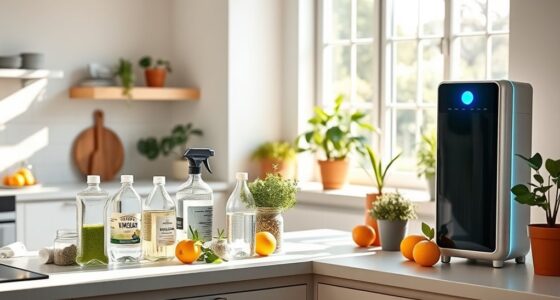
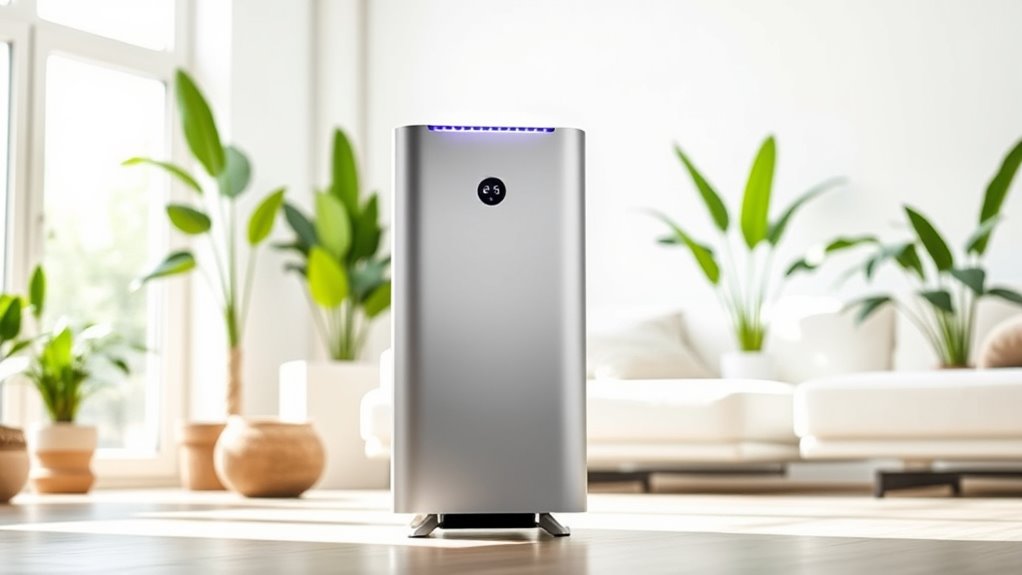
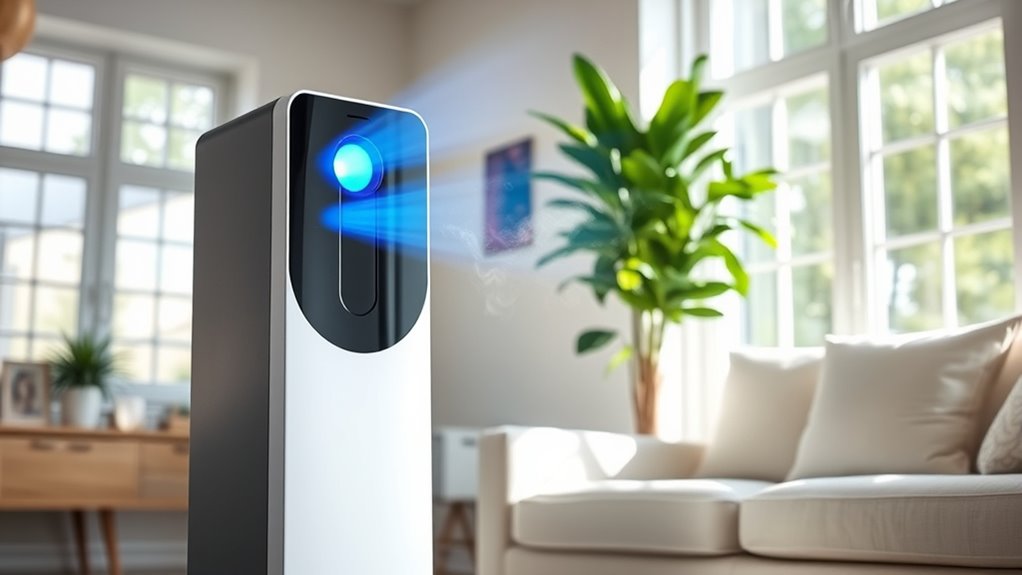
Air purification is essential in removing pollutants from indoor air. Modern filtration systems, such as HEPA filters, trap airborne particles like dust, pollen, pet dander, and even some bacteria. When you install an air purifier, you’re actively reducing the presence of allergens and irritants that can trigger asthma or allergy symptoms. Regularly maintaining and changing filters guarantees ideal performance, so you continue to breathe cleaner air. Pairing air purification with your existing ventilation helps prevent the buildup of pollutants and keeps the air fresh.
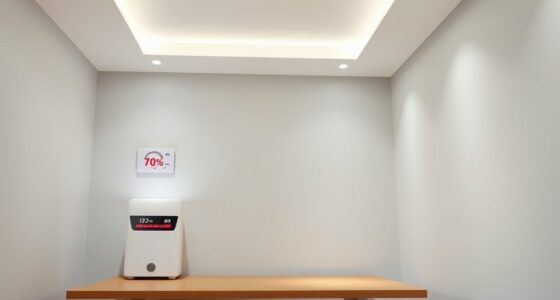
Humidity regulation is equally important. Too much moisture creates a breeding ground for mold, bacteria, and dust mites, which can worsen allergies and respiratory problems. Conversely, low humidity can dry out your skin, throat, and nasal passages, making you more vulnerable to infections. Keeping humidity levels balanced—ideally between 40% and 60%—helps maintain a comfortable and healthy indoor climate. Using humidifiers or dehumidifiers based on your specific needs can make a significant difference. Proper humidity levels not only improve your comfort but also support the effectiveness of your air purification efforts, as many airborne contaminants thrive in overly humid or dry environments.
Advanced techniques, like UV-C sterilization, can complement your filtration and humidity strategies. UV-C light destroys bacteria, viruses, and mold spores that might bypass filters. Installing UV-C systems within your HVAC or air purifiers ensures continuous sterilization, further reducing health risks. This technology is especially useful during flu seasons or in environments where airborne pathogens are a concern. Additionally, understanding the importance of indoor air quality can motivate you to adopt these strategies and protect your health.
Incorporating these measures into your indoor space requires some planning, but the benefits are well worth the effort. Regularly cleaning and maintaining your filtration systems, monitoring humidity levels, and using UV-C sterilization can drastically improve the air quality you breathe every day. This proactive approach helps protect your health, boosts your comfort, and creates a safer living or working environment. Remember, cleaner air isn’t just a luxury—it’s a crucial part of your overall health and well-being.
Frequently Asked Questions
How Often Should Air Filters Be Replaced for Optimal Performance?
You should replace your air filters every 1 to 3 months for maximum performance, depending on the filter lifespan and your home’s air quality. Check your filters regularly, especially if you have pets or allergies. Following a consistent replacement schedule helps maintain good indoor air quality, prevents strain on your HVAC system, and guarantees your filtration system works effectively. Don’t wait too long—regular changes keep your air clean and healthy.
Are UV-C Lights Safe for Continuous Indoor Use?
UV-C lights are generally safe for continuous indoor use when installed properly and maintained correctly. UV-C safety depends on avoiding direct exposure to your skin and eyes, so guarantee the lights are enclosed within HVAC systems or fixtures. When used as recommended, continuous UV-C use effectively reduces airborne pathogens without risking health. Always follow manufacturer guidelines and consult professionals to maximize safety and benefits.
What Is the Ideal Humidity Level for Indoor Air Quality?
You should aim for a humidity balance of 30-50% for ideal indoor air quality. Maintaining proper moisture levels helps prevent mold growth, reduces dust mites, and minimizes respiratory issues. If the air is too dry, it can cause dry skin and irritation. Conversely, excessive humidity encourages mold and bacteria. Use a hygrometer to monitor moisture levels and adjust humidifiers or dehumidifiers accordingly to keep your indoor environment comfortable and healthy.
Can Air Purifiers Eliminate All Indoor Airborne Pollutants?
Oh, absolutely, air purifiers can wipe out every single airborne pollutant—except they can’t. With pollutant complexity and filtration limitations, they only reduce certain particles, like dust, pollen, and some bacteria. Tiny gases, chemicals, and viruses often slip through filters. So, while they improve air quality, expecting total elimination is an overreach. You’ll still need ventilation, humidity control, and sometimes specialized filters for exhaustive protection.
How Do I Determine the Right Size of Filtration System for My Space?
To determine the right size of filtration system, start with a space assessment to understand your room’s size and air quality needs. Use filter sizing guidelines based on your room’s square footage and desired air changes per hour. Measure your space accurately, then select a unit that matches these specifications. Proper filter sizing guarantees effective air cleaning without overburdening your system, improving indoor air quality efficiently.
Conclusion
By combining effective filtration, UV-C sterilization, and humidity control, you can truly breathe easier indoors. Remember, a chain is only as strong as its weakest link, so don’t overlook any aspect of air quality. Regularly maintain your systems and stay vigilant. When you prioritize clean air, you’re not just improving comfort—you’re safeguarding your health. After all, an ounce of prevention is worth a pound of cure, so take action today for a healthier tomorrow.