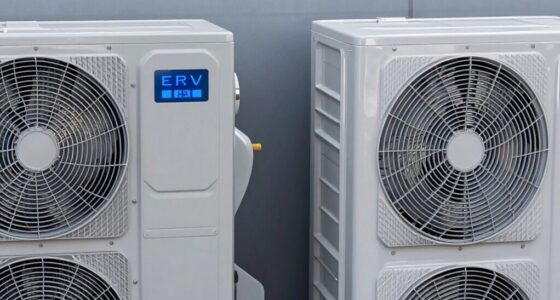

In 2026, low-GWP refrigerants are transforming the HVAC industry by promoting eco-friendly practices and helping you stay compliant with strict regulations. They reduce greenhouse gas emissions, improve system efficiency, and minimize environmental impact. Industry advancements make switching easier, allowing you to adopt sustainable solutions without sacrificing performance. By understanding these shifts, you can stay ahead in eco-conscious HVAC design—if you want to explore how this evolution impacts your work, there’s more to discover.

Get cleaning gear delivered free with Prime
- Fast, free delivery on millions of items
- Prime Video, Amazon Music and more included
- Member-only deals all year
Key Takeaways
- Regulatory bans and environmental concerns drive the shift towards low-GWP refrigerants in HVAC content.
- Industry focus on sustainability emphasizes the advantages of eco-friendly refrigerants.
- Technological advancements facilitate seamless integration and efficient performance of low-GWP options.
- Adoption of low-GWP refrigerants enhances compliance, reputation, and long-term operational savings.
- Content now highlights industry leadership in environmental responsibility and future-proof solutions.
As concerns over climate change intensify, low-GWP refrigerants are transforming the HVAC industry in 2026. You’re likely noticing a shift toward these eco-friendly options, driven by both regulatory pressures and a growing awareness of the environmental impact of traditional refrigerants. These refrigerant alternatives are designed to substantially reduce global warming potential, making them a crucial part of efforts to lower greenhouse gas emissions from cooling systems. This evolution isn’t just about compliance; it’s about future-proofing your HVAC systems and aligning with sustainable practices that matter to consumers and stakeholders alike.
Low-GWP refrigerants are revolutionizing HVAC in 2026, driven by regulations and sustainability goals.
You might wonder why this change is so significant. Traditional refrigerants, such as hydrofluorocarbons (HFCs), have high GWP values, meaning they trap heat in the atmosphere far more effectively than natural or low-GWP alternatives. As a result, they contribute substantially to global warming. Switching to low-GWP refrigerants minimizes this impact, helping you reduce your carbon footprint. These refrigerant alternatives often include natural options like hydrocarbon-based refrigerants, or synthetic ones with lower GWPs, such as HFOs (hydrofluoroolefins). Not only do they lessen your environmental impact, but they also often improve energy efficiency, which can translate into lower operational costs over time.
You’ll find that adopting low-GWP refrigerants also aligns with evolving regulations around refrigerant use. Governments worldwide are phasing out high-GWP substances, pushing HVAC professionals to adopt cleaner, more sustainable options. This proactive move guarantees that your systems stay compliant and avoids costly retrofits or penalties down the line. Additionally, the use of environmentally friendly refrigerant alternatives can enhance your reputation, showing your commitment to sustainability and environmental responsibility, which consumers increasingly prioritize. Staying informed about industry standards related to refrigerants can help you navigate these changes more effectively. Moreover, advancements in refrigerant technology are making the transition smoother and more cost-effective for many businesses. As the industry moves toward sustainable refrigerant solutions, the transition is becoming more accessible and beneficial for all involved.
In practical terms, switching to low-GWP refrigerants might seem complex initially, but advancements in technology and training make it more accessible than ever. Equipment designed for these refrigerants often operates more efficiently, and many modern systems are engineered to work seamlessly with them. The industry’s shift toward environmentally friendly refrigerants is accelerating rapidly, making adoption easier for professionals at all levels. The increasing availability of compatible equipment and the growing body of training resources further simplify this transition. The key is staying informed about the latest developments and understanding the benefits not just in terms of regulatory compliance, but also in long-term environmental and operational gains.
Ultimately, your choice to embrace low-GWP refrigerants demonstrates leadership in the HVAC industry. It’s about actively reducing the environmental impact of cooling systems while ensuring efficiency and compliance. As the industry continues to evolve, your ability to adopt refrigerant alternatives will position you at the forefront of sustainable HVAC practices, helping you contribute to a healthier planet in 2026 and beyond.
low-GWP refrigerant recovery machine
As an affiliate, we earn on qualifying purchases.
As an affiliate, we earn on qualifying purchases.
Frequently Asked Questions
How Do Low-Gwp Refrigerants Compare in Cost to Traditional Options?
You’ll find that low-GWP refrigerants are often more expensive upfront than traditional options, but market adoption is gradually improving their cost competitiveness. As manufacturers produce more eco-friendly refrigerants, prices tend to decrease, making them a more viable choice. While initial costs may be higher, the long-term benefits, such as reduced environmental impact and compliance with regulations, make low-GWP refrigerants increasingly attractive and cost-effective over time.
What Are the Long-Term Environmental Impacts of Low-Gwp Refrigerants?
You’ll see that low-GWP refrigerants offer significant environmental benefits by reducing ozone depletion and global warming potential. Their long-term impacts are positive, as continued technological innovations make them safer and more efficient. These advances help lower greenhouse gas emissions, protect ecosystems, and support sustainable HVAC solutions. By adopting low-GWP refrigerants, you contribute to a healthier planet while benefiting from improved system performance and compliance with evolving environmental regulations.
Are Low-Gwp Refrigerants Compatible With Existing HVAC Systems?
You might think it’s a tall order, but low-GWP refrigerants can be compatible with existing HVAC systems if you check system compatibility and refrigerant compatibility first. Many systems are designed to handle these newer refrigerants, but some may need adjustments or upgrades. Always consult with a professional to verify your equipment can safely and efficiently work with low-GWP refrigerants, avoiding future headaches.
What Safety Considerations Are Associated With New Refrigerants?
You need to follow strict safety protocols and handling procedures when working with new refrigerants. These substances may have different flammability, toxicity, or pressure characteristics, requiring updated safety measures. Always wear appropriate protective gear, guarantee proper ventilation, and handle refrigerants with care. Proper training is essential to prevent leaks or accidents, and always follow manufacturer guidelines to maintain safety during installation, maintenance, and disposal.
How Will Regulations Influence Adoption of Low-Gwp Refrigerants?
Regulations will greatly influence your adoption of low-GWP refrigerants by enforcing stricter standards on environmental impact and safety. You’ll need to guarantee regulatory compliance, which might involve upgrading equipment or modifying procedures. Policy incentives, such as tax credits or rebates, can encourage your switch to eco-friendly options. Staying informed about evolving policies helps you leverage these incentives, making the shift smoother and more cost-effective for your HVAC systems.
As an affiliate, we earn on qualifying purchases.
Conclusion
As low-GWP refrigerants take center stage, you’re entering a new era where HVAC systems breathe easier, like a forest clearing after a storm. This shift clears the air, making your environment cleaner and more sustainable. Embrace these changes, and you’ll be riding the wave of innovation—your future comfort, and the planet’s health, flourishing side by side. It’s a fresh chapter where technology and nature harmonize, creating a brighter, greener horizon for all.
As an affiliate, we earn on qualifying purchases.
refrigerant charging manifold set
As an affiliate, we earn on qualifying purchases.
As an affiliate, we earn on qualifying purchases.
Fall Picks
fall essentials
As an affiliate, we earn on qualifying purchases.