
To properly tune your old-school thermostat’s heat anticipator, start by locating the dial or resistor inside it. Make small adjustments toward higher or lower settings, then observe how your heating system responds. This fine-tuning helps prevent short cycling and ensures stable temperatures while saving energy. Regular calibration keeps your system running efficiently and extends its lifespan. Keep going to discover simple steps and tips to optimize your thermostat’s performance even further.
Key Takeaways
- The heat anticipator is a small component in older thermostats that controls when the heater turns off.
- Proper calibration prevents early shutoff or prolonged heating, ensuring energy efficiency and consistent comfort.
- To tune it, locate the anticipator dial or resistor inside the thermostat and make small adjustments.
- Mark the original setting before adjusting, then observe system response and fine-tune for optimal performance.
- Regular maintenance and proper calibration extend your heating system’s lifespan and improve overall efficiency.
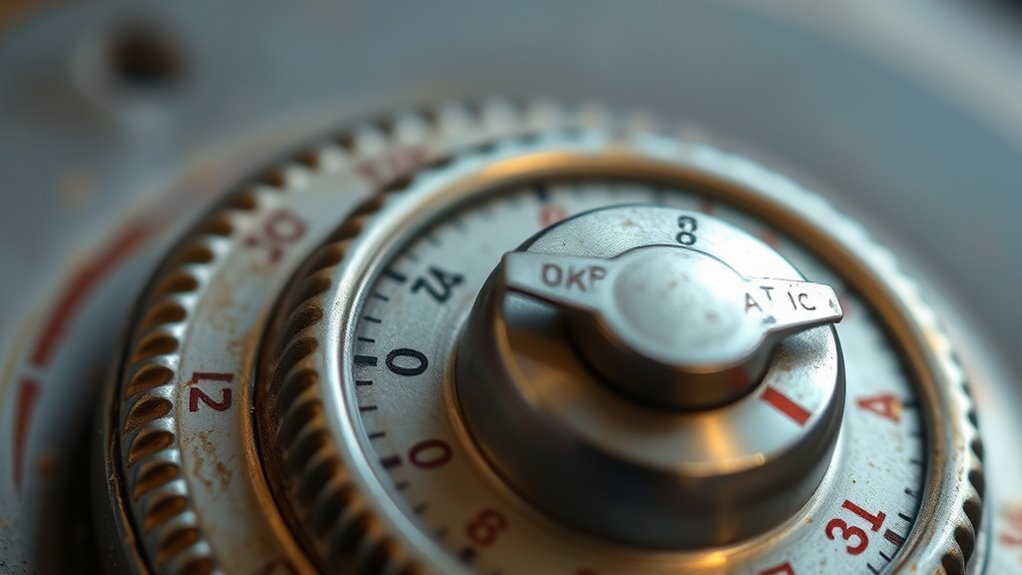
If your thermostat repeatedly cycles on and off or the temperature overshoots your set point, the heat anticipator might be to blame. This small but vital component in older thermostats helps control how your heating system responds, directly impacting your comfort and energy efficiency. When the heat anticipator isn’t properly calibrated, it causes your furnace or boiler to turn on or off at the wrong times, leading to wasted energy and inconsistent temperatures. Correctly adjusting it can improve your system’s performance and help you save on energy costs.
Thermostat calibration is key to ensuring your heating system operates smoothly. The heat anticipator functions by sending a small electrical current that simulates the expected heat output, telling your thermostat when to shut off the heat. If it’s set too high, your system will shut off too early, causing the temperature to drop below your desired setting. Conversely, if it’s set too low, your heater will run longer than necessary, wasting energy and increasing utility bills. Proper calibration balances these issues, ensuring your system runs efficiently and maintains a consistent temperature.
Proper thermostat calibration ensures efficient heating and consistent comfort by balancing heat output and cycle timing.
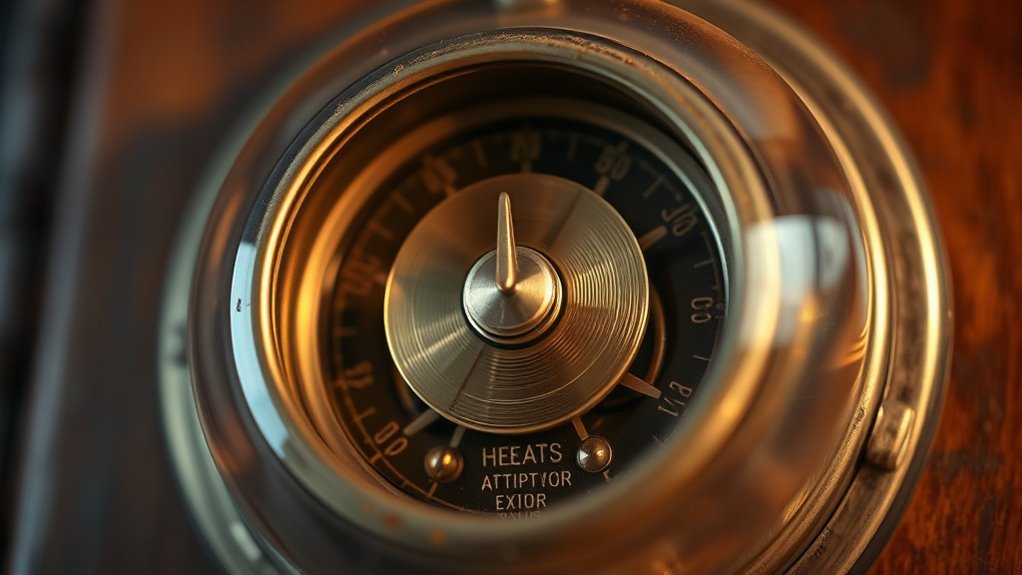
Adjusting the heat anticipator isn’t complicated, but it does require a careful approach. First, locate the heat anticipator, which is typically a small, adjustable dial or a resistor inside your thermostat. It’s usually marked with numbers indicating the current setting. To optimize energy efficiency, you want to set the anticipator so that your thermostat turns off just as the room reaches the desired temperature. This often involves turning the dial slightly toward the higher or lower end, depending on whether your system tends to overshoot or undershoot the set point.
When calibrating, pay attention to how your system behaves after adjustments. If your home heats up quickly and then cycles off too early, the anticipator might be set too high. If it runs constantly or the temperature keeps climbing past your set point, it could be too low. Keep making small adjustments until your thermostat maintains a steady temperature without excessive cycling. This fine-tuning not only improves comfort but also enhances energy efficiency, reducing unnecessary heating. Regular maintenance and proper calibration help ensure your system functions optimally, saving you money and extending the lifespan of your equipment.
Frequently Asked Questions
How Often Should I Check or Replace My Thermostat’s Heat Anticipator?
You should check or replace your thermostat’s heat anticipator annually to guarantee proper thermostat calibration and maintain your heating system’s efficiency. Over time, the anticipator can drift, causing temperature inaccuracies and wasted energy. Regularly inspecting it, especially before winter, helps keep your system running smoothly. If you notice uneven heating or your thermostat isn’t reaching the set temperature, it’s time to replace or adjust the anticipator for peak performance.
Can a Faulty Heat Anticipator Cause Uneven Heating?
A faulty heat anticipator can definitely cause uneven heating by disrupting thermostat calibration. When it’s not functioning properly, it throws off heat cycle balance, leading to short or long heating cycles. This means your system might turn on or off too early or late, resulting in inconsistent temperatures. To avoid this, regularly check and adjust the anticipator to guarantee your thermostat maintains proper heat cycle balance for even, comfortable warmth.
Is Adjusting the Heat Anticipator a DIY or Professional Task?
Adjusting the heat anticipator isn’t a task you should tackle alone; it’s like trying to fix a watch without knowing the mechanics. While DIY maintenance can seem tempting, this adjustment requires precise knowledge of your thermostat’s settings. For safety and accuracy, it’s best to call a professional service. They have the tools and expertise to ensure your heating system runs smoothly without risking further issues.
What Signs Indicate My Heat Anticipator Needs Adjustment?
You’ll notice your heat anticipator may need adjustment if your thermostat calibration seems off, causing uneven temperatures or short cycling. Look for frequent on/off cycling or your furnace running longer than usual. These heat cycle issues suggest the anticipator isn’t set correctly. Adjusting it can improve comfort and efficiency, but if you’re unsure or uncomfortable, it’s best to call a professional to guarantee proper calibration and avoid potential problems.
Does the Type of Furnace Affect How the Heat Anticipator Functions?
Imagine your furnace as a symphony conductor; its type—gas, electric, or oil—shapes how the thermostat settings and heat anticipator work together. Different furnace compatibilities mean adjustments may vary, like tuning an instrument. You’ll notice that some models need more precise calibration for peak comfort. So, understanding your furnace type helps you fine-tune the heat anticipator, ensuring your system responds smoothly and keeps your home cozy.
Conclusion
Now that you understand the heat anticipator’s role, you realize it’s more than just a simple component. Its precise adjustment could mean the difference between cozy comfort and unexpected cold snaps. But what if your thermostat’s true potential remains hidden, waiting to be accessed? Don’t stop here—delve deeper, fine-tune your system, and uncover the secrets that keep your home perfectly warm. The next step could transform your entire heating experience.