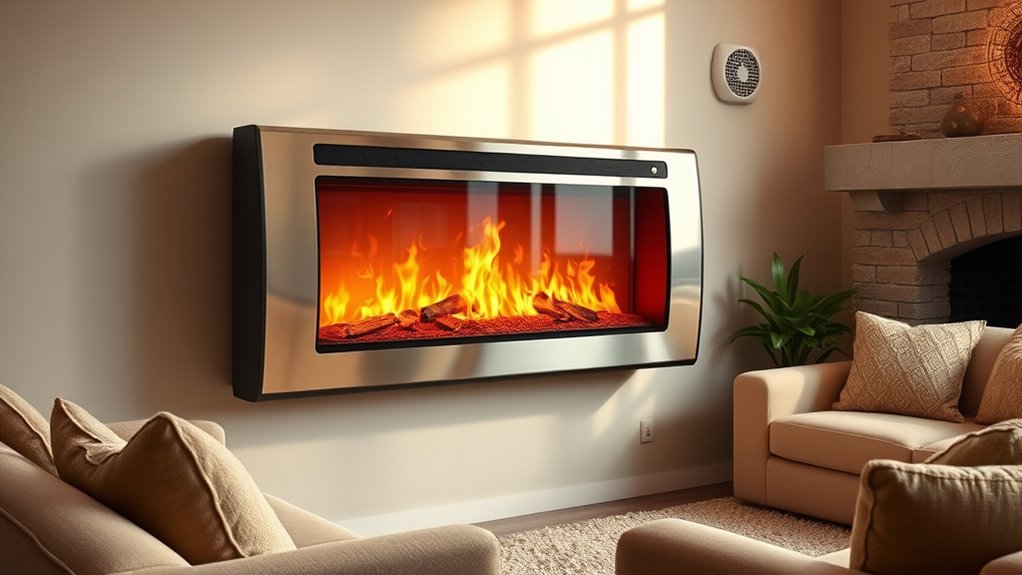

Ventless gas heaters are convenient but come with notable comfort trade-offs and safety risks. They release combustion byproducts like carbon monoxide, nitrogen dioxide, and water vapor directly into your living space, which can lower indoor air quality and pose health concerns. Proper installation, ventilation, and monitoring are vital to minimize dangers such as gas leaks or buildup. To guarantee safe and effective use, it’s important to understand the limitations and precautions—continuing will reveal essential details you need to know.
Key Takeaways
- Ventless gas heaters release combustion byproducts indoors, potentially impacting air quality and posing health risks, especially in poorly ventilated spaces.
- Proper installation and ventilation are critical to prevent dangerous gas buildup and ensure safe operation.
- These heaters are often restricted by building codes and may require professional installation to meet safety standards.
- Adequate airflow and regular airing are necessary to reduce moisture and pollutant accumulation in the room.
- While space-saving and convenient, ventless heaters involve safety trade-offs that demand careful monitoring and proper usage.
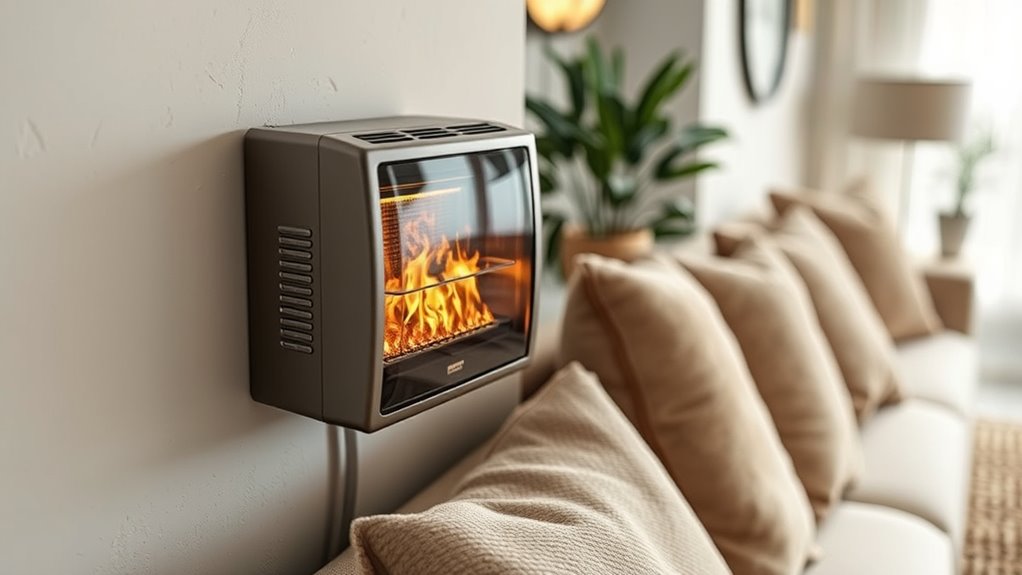
Are ventless gas heaters a practical choice for heating your home? These heaters might seem appealing because they’re easy to install and don’t require venting through the roof or walls. But before you decide, it’s important to contemplate how they can impact indoor air quality and what installation challenges you might face. Because ventless models burn gas directly in your living space, they release combustion byproducts like carbon monoxide, nitrogen dioxide, and water vapor into the room. This means your indoor air quality could suffer if the heater isn’t used correctly or if your space isn’t adequately ventilated. While some models come with safety features to monitor gas levels, you still need to be aware of potential health risks, especially if anyone in your household has respiratory issues or allergies.
Installation challenges are another critical factor. Although ventless gas heaters are marketed as easy to set up, they still require careful planning. You need to ensure your room has proper clearance, adequate ventilation, and appropriate gas supply connections. In some cases, your home’s layout or existing heating system might complicate installation, leading to potential safety concerns. If the room lacks enough fresh air circulation, you risk buildup of harmful gases, which can be dangerous over time. Additionally, improper installation can cause leaks or inefficient operation, increasing the risk of carbon monoxide exposure. It’s often recommended to have a professional handle installation to address these challenges properly and to guarantee your heater complies with local safety codes. Furthermore, understanding ventilation requirements is essential to prevent dangerous accumulations of combustion byproducts.
Another aspect to consider is whether your space can effectively contain the emissions and moisture generated by ventless heaters. In smaller rooms or poorly ventilated areas, the accumulation of combustion byproducts can quickly become problematic. You might find yourself needing to open windows or doors regularly, which defeats the purpose of a convenient, space-saving heater. It’s also worth noting that some building codes or regulations restrict the use of ventless gas appliances in certain settings, so checking with local authorities beforehand can save you trouble.
Frequently Asked Questions
Can Ventless Gas Heaters Be Used Safely Indoors Long-Term?
You can use ventless gas heaters indoors long-term, but you need to be cautious. They can impact indoor humidity levels and produce carbon monoxide, which is dangerous. Make sure to keep the area well-ventilated, install a carbon monoxide detector, and monitor humidity to avoid risks. Regular maintenance and safety checks are essential to guarantee safe, long-term use of these heaters in your home.
What Are the Best Ventilation Practices for Ventless Gas Heaters?
Did you know that poor indoor air circulation can lead to a 20% increase in CO buildup? To keep safe with ventless gas heaters, guarantee proper ventilation by regularly airing out the space and maintaining good indoor air circulation. Install CO detectors near the heater and throughout your home, and check them frequently. These steps help prevent dangerous CO accumulation and promote safe, comfortable heating.
How Do Ventless Heaters Impact Indoor Air Quality Over Time?
You might notice that ventless heaters can gradually impact your indoor air quality, especially if used frequently. They release combustion byproducts like carbon monoxide and nitrogen dioxide, which can affect your health over time. Poor air quality may lead to respiratory issues, headaches, or fatigue. To minimize health effects, guarantee proper ventilation, use detectors, and limit heater use. Regular air quality checks help keep your indoor environment safe and healthy.
Are There Specific Safety Certifications for Ventless Gas Heaters?
Sure, ventless gas heaters come with safety certifications—think of them as the “secret handshake” for peace of mind. They must meet certification standards and emission regulations to guarantee safety and air quality. These standards, like UL or CSA, verify the heater’s safety features and emissions. So, before you cozy up, check that your heater’s certified—otherwise, it’s a bit like trusting a chef who skipped the health inspection.
What Maintenance Is Required to Ensure Safety With Ventless Models?
You need to regularly inspect and clean your ventless gas heater to guarantee safety. Check for carbon monoxide and carbon dioxide leaks using detectors, and keep vents clear of dust and debris. Schedule annual professional maintenance to verify proper operation, gas connections, and combustion efficiency. These steps help prevent dangerous buildup and ensure your heater operates safely, minimizing the risk of carbon monoxide poisoning and other hazards.
Conclusion
While ventless gas heaters offer cozy warmth and easy installation, they come with safety risks and comfort trade-offs. You get instant heat, but it may come at the cost of indoor air quality and carbon monoxide exposure. The convenience feels inviting, yet the potential hazards remind you that safety should never be overlooked. Ultimately, the comfort of a warm home must be balanced with the responsibility of keeping your space safe and healthy.