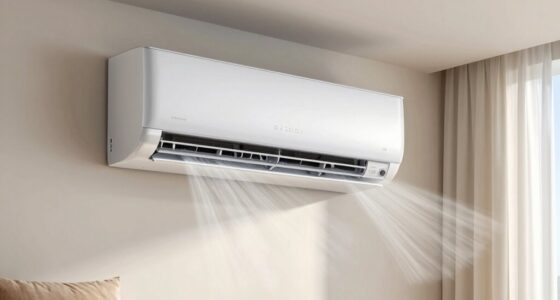

This year, more homeowners are asking about heat pumps because they offer a flexible, energy-efficient way to heat and cool your home all year round. They transfer heat instead of creating it, which means lower utility bills and better environmental impact. Advances in technology make them more reliable and affordable, especially in colder climates. If you’re interested in saving money and reducing your carbon footprint, keep going to discover how heat pumps can work for you.
Open a free Amazon Business account
Business pricing, bulk buying and tax-exempt orders.
As an affiliate, we earn on qualifying purchases.
Key Takeaways
- Rising energy costs prompt homeowners to seek energy-efficient heating and cooling options like heat pumps.
- Technological improvements make heat pumps more reliable and effective in colder climates.
- Increased awareness of environmental benefits drives interest in sustainable HVAC solutions.
- Incentives and rebates lower the financial barrier to adopting heat pump systems.
- Growing demand for all-in-one climate control solutions boosts homeowner inquiries about heat pumps.
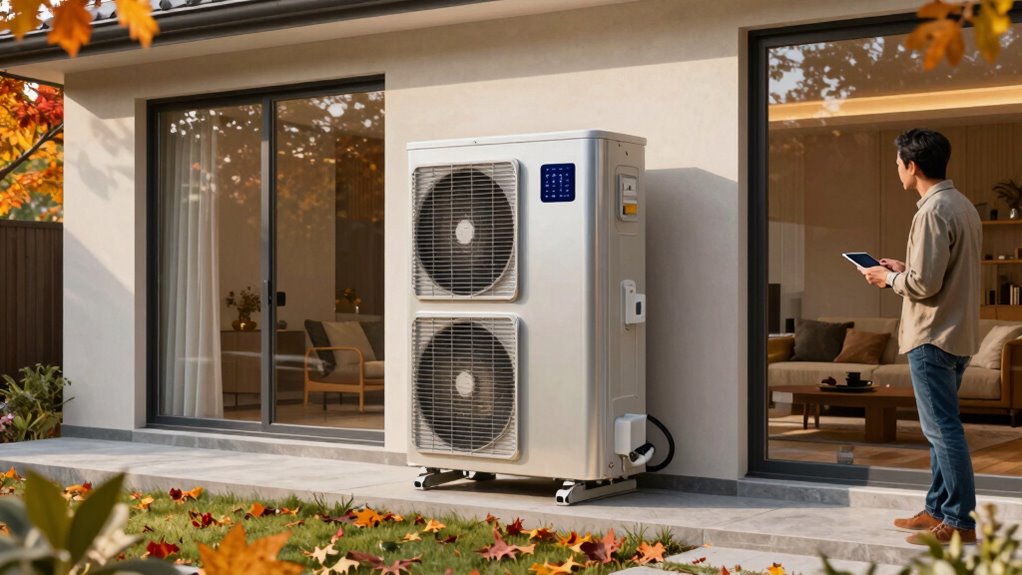
If you’re considering a more efficient way to heat and cool your home, heat pumps offer a compelling solution. More homeowners are asking about them this year because they provide a versatile and energy-efficient alternative to traditional heating and cooling systems. Unlike furnaces or air conditioners that rely solely on burning fuel or refrigerant cycles, heat pumps transfer heat between your indoor space and the outside environment, making them a smart choice for those aiming to reduce energy consumption.
One of the main reasons people are interested in heat pumps is their impressive energy efficiency. Because they move heat rather than generate it, they require less electricity to operate, which can substantially lower your utility bills over time. During winter, a heat pump extracts heat from the outside air—even when it’s cold—and brings it inside, providing effective heating. In the summer, it reverses the process to cool your home, making it a year-round climate control solution. This dual functionality not only saves space but also reduces the complexity of managing separate systems. With rising energy costs, homeowners see heat pumps as a way to cut expenses without sacrificing comfort.
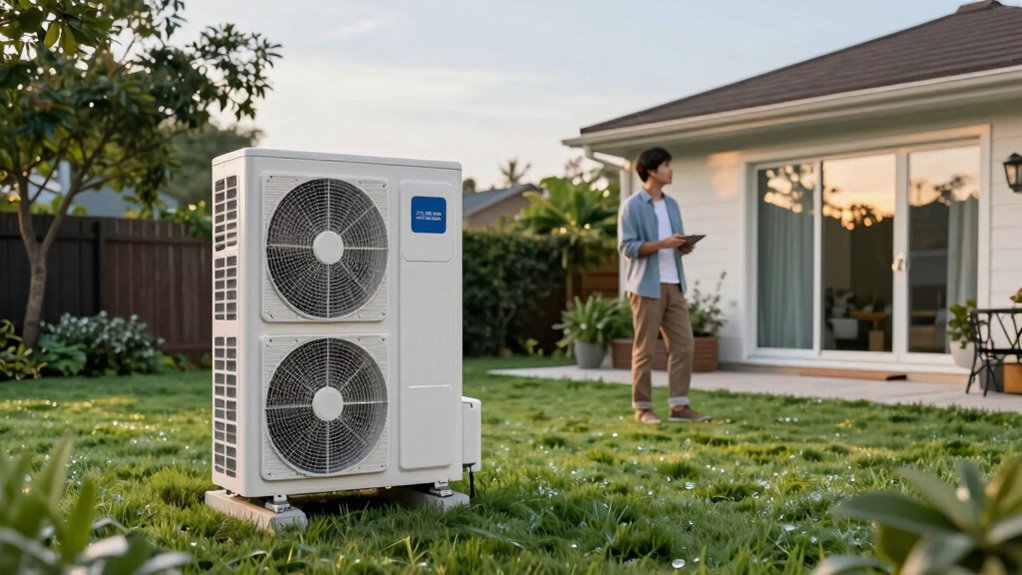
Heat pumps provide efficient, year-round heating and cooling, lowering energy costs by moving heat rather than generating it.
However, understanding the installation costs associated with heat pumps is essential before making a decision. While the initial investment can be higher compared to traditional systems, many find that the long-term savings on energy bills offset these upfront expenses. Installation costs vary depending on the type of heat pump you choose, the size of your home, and existing infrastructure. For example, ductless mini-split systems tend to have lower installation costs and are ideal for retrofitting older homes, while central heat pump systems may require more extensive setup. It’s important to factor in the costs of any necessary upgrades, such as electrical work or duct modifications, when calculating your overall investment.
Recent advances in technology have improved the reliability and affordability of heat pumps, encouraging more homeowners to explore their benefits. As a result, more homeowners are asking about their benefits, especially how they can improve energy efficiency and reduce long-term costs. Additionally, innovations in refrigerant technology have contributed to making heat pumps more effective in colder climates, broadening their appeal. While the initial installation costs might seem steep, the potential savings and environmental benefits make them an appealing choice for many. Plus, with rebates and incentives available in some regions, the financial barrier is becoming even lower. Overall, if you’re looking for a system that offers efficiency, versatility, and sustainability, heat pumps are gaining popularity because they deliver on all these fronts, making them a smart investment for your home.
energy efficient heat pump for home
As an affiliate, we earn on qualifying purchases.
As an affiliate, we earn on qualifying purchases.
Frequently Asked Questions
Are Heat Pumps Suitable for Extreme Cold Climates?
Heat pumps can be suitable for extreme cold climates, especially newer models designed for climate adaptability. They provide excellent energy efficiency by efficiently heating your home even in low temperatures. While traditional heat pumps might struggle in severe cold, modern cold-weather variants are built to operate effectively in extreme conditions, making them a reliable choice for homes in colder regions. Always choose a model rated for your specific climate.
How Long Does a Heat Pump Typically Last?
A heat pump typically lasts about 10 to 15 years, depending on usage and maintenance. Its high energy efficiency helps you save on energy bills over its lifespan, making it a cost-effective choice. Regular servicing can extend its longevity, ensuring you get the most out of your investment. Ultimately, a well-maintained heat pump provides reliable heating and cooling, offering ongoing cost savings and energy efficiency benefits for your home.
What Is the Average Installation Cost?
The average installation cost for a heat pump ranges from $4,000 to $8,000, depending on your home’s size and the system type. During the installation process, professionals guarantee energy savings by properly sizing and placing the unit. While upfront costs might seem high, heat pumps offer long-term savings on energy bills, making them a smart investment for your comfort and efficiency.
Do Heat Pumps Require Regular Maintenance?
Yes, heat pumps do require regular maintenance to keep them running efficiently. You should schedule annual tune-ups, clean or replace filters, and check for any refrigerant leaks. Proper maintenance enhances energy efficiency, saving you money on energy bills. Follow simple maintenance tips like clearing debris around the unit and inspecting ducts. Regular upkeep guarantees your heat pump operates smoothly, prolonging its lifespan and maximizing its energy-saving benefits.
Can Heat Pumps Replace Traditional HVAC Systems Completely?
Yes, heat pumps can replace traditional HVAC systems completely, especially for heating and cooling your home efficiently. They offer high energy efficiency, reducing your energy bills and environmental impact. Modern heat pumps are designed to handle year-round climate needs, making them a versatile option. You’ll benefit from a cleaner, eco-friendly system that minimizes your carbon footprint while providing reliable comfort throughout the seasons.
As an affiliate, we earn on qualifying purchases.
Conclusion
As more homeowners ask about heat pumps, it’s clear they’re becoming the heart of modern, eco-friendly homes. Think of them as the Swiss Army knife of climate control—versatile, efficient, and ready for any season. By embracing this technology, you’re not just upgrading your comfort but also planting seeds for a greener future. So, take the leap; your home and the planet will thank you for it.
As an affiliate, we earn on qualifying purchases.
As an affiliate, we earn on qualifying purchases.
NFL season / tailgating Picks
team gear
As an affiliate, we earn on qualifying purchases.