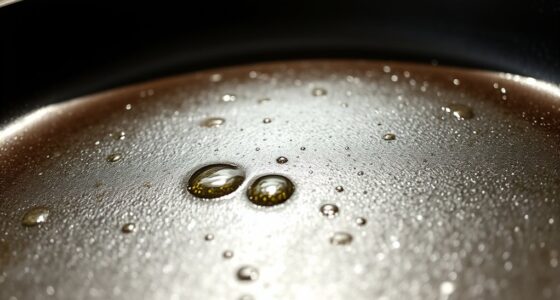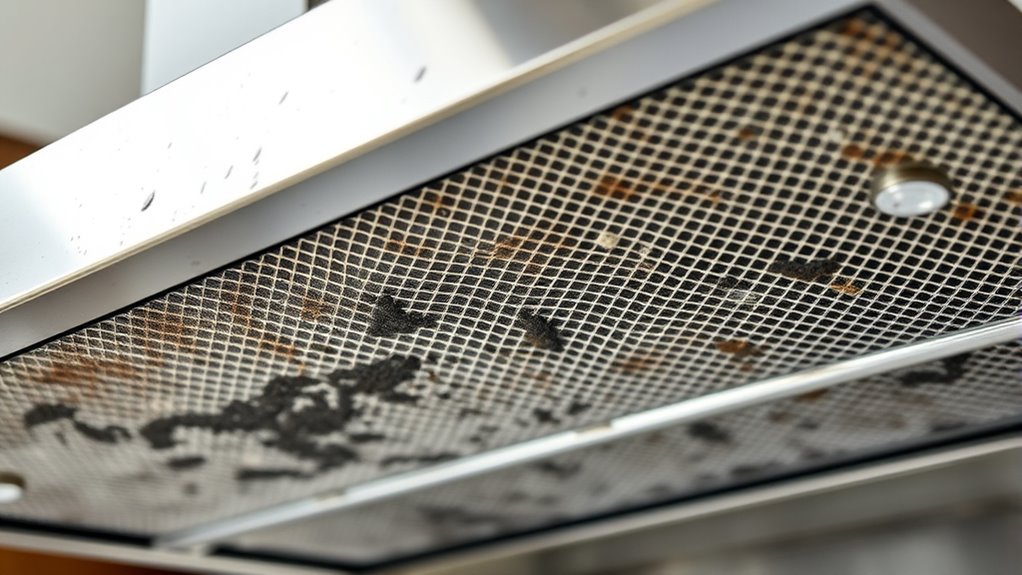

To degrease greasy range hood filters without warping, avoid harsh chemicals and abrasive tools. Instead, soak the filters in warm water mixed with mild degreasing agents or vinegar, which breaks down grease gently. Use a soft brush or cloth to wipe away residues, then rinse thoroughly and let them air dry completely before reinstalling. Proper cleaning preserves filter integrity and airflow. If you keep exploring, you’ll discover more tips to keep your filters in top shape.

Get cleaning gear delivered free — and shop member deals
- Fast, free delivery on millions of items
- Access to Prime Big Deal Days deals on October 6–7
- Prime Video, Amazon Music and more included
Key Takeaways
- Use warm water with gentle degreasers or vinegar, avoiding hot water that can warp filters.
- Soak filters briefly to loosen grease before gently wiping with soft brushes or cloths.
- Choose filters made from heat-resistant, durable materials designed to resist warping after cleaning.
- Avoid abrasive scrubbers and harsh chemicals to prevent damaging or warping the filter material.
- Allow filters to air dry completely before reinstalling to maintain shape and prevent warping.
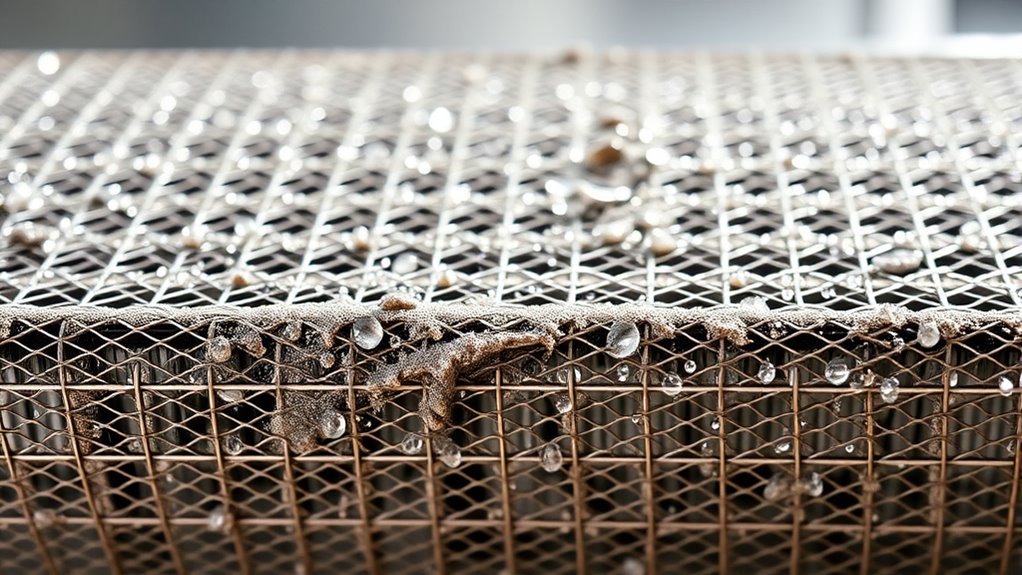
Greasy range hood filters are essential for maintaining a clean and healthy kitchen environment. They trap grease, smoke, and odors, preventing these particles from settling on your cabinets, walls, and appliances. But cleaning these filters can sometimes be a hassle, especially if they warp or degrade after multiple washes. That’s why understanding how to keep them degreased without warping is vital to preserving their efficiency and longevity.
One of the key factors in effective cleaning is airflow optimization. When your filters are clogged with grease, airflow is restricted, making your range hood work harder and less efficiently. Regularly cleaning and maintaining your filters ensures ideal airflow, which not only improves air quality but also reduces energy consumption. To maximize airflow, you should choose filters that are designed with proper ventilation in mind and clean them frequently. This prevents grease buildup from becoming stubborn and difficult to remove, helping you avoid the temptation to scrub aggressively, which can cause warping.
In addition to airflow, filter material innovation plays a significant role in how well your filters withstand cleaning. Modern filter materials are designed to resist warping and deterioration, even after multiple washings. For example, some filters incorporate durable, heat-resistant materials that maintain their shape and structural integrity. Others feature non-stick coatings that make removing grease easier without the need for harsh scrubbing. These innovations mean you can clean your filters more thoroughly and more often, without worrying about damaging them or reducing their effectiveness.
When it comes to degreasing, avoid aggressive scrubbing with abrasive tools or strong chemicals that can warp or weaken the filter material. Instead, opt for warm water mixed with a gentle degreasing agent or vinegar solution. Soak the filters for a few minutes, then wipe away grease with a soft brush or cloth. Rinsing thoroughly and allowing them to air dry completely before reinstalling helps preserve the filter’s structure and extends its lifespan. Additionally, incorporating AI-driven cleaning tips can optimize your maintenance routine by providing personalized advice based on your specific filter type and kitchen conditions.
Investing in filters made with innovative materials can make your cleaning routine more effective and less stressful. These filters are designed to resist warping, even after frequent washing, so you get more use out of each one. Coupled with proper airflow management, these advancements ensure your range hood keeps your kitchen fresh and odor-free without the constant worry of damaging your filters. With consistent maintenance and the right filter choices, you’ll enjoy a cleaner, healthier kitchen environment that stays efficient and safe for years to come.
range hood filter degreasing cleaner
As an affiliate, we earn on qualifying purchases.
As an affiliate, we earn on qualifying purchases.
Frequently Asked Questions
How Often Should I Replace My Range Hood Filters?
You should replace your range hood filters every 6 to 12 months, depending on your filter replacement frequency and maintenance schedule. Regularly check for grease buildup or damage, and clean or replace filters as needed to maintain peak performance. If you cook frequently or notice decreased airflow, consider replacing filters sooner. Staying on top of your maintenance schedule ensures your range hood works efficiently and keeps your kitchen air clean.
Can I Use Regular Dish Soap to Clean Greasy Filters?
Yes, you can use regular dish soap to clean greasy filters. Dish soap effectiveness comes from its ability to break down grease and grime, making it a simple, affordable option. For tougher buildup, consider alternative cleaning solutions like baking soda or vinegar mixed with water. Just soak the filters in soapy water, scrub gently, and rinse well. This method helps degrease without warping or damaging your filters.
Are There Specific Cleaning Products That Prevent Warping?
Did you know that using the right cleaning products can extend your filter’s lifespan by up to 20%? To prevent warping, you should opt for non-abrasive cleaners and heat-resistant solutions specifically designed for range hoods. These products gently remove grease without damaging the filter material. Avoid harsh chemicals, and always follow manufacturer instructions to keep your filters clean and in good shape without risking warping.
How Do I Know if My Filter Is Damaged Beyond Cleaning?
You’ll know your filter is damaged beyond cleaning if you notice significant discoloration or physical damage like warping, cracks, or broken edges. Discoloration indicates buildup or deterioration, while warping or cracks compromise its effectiveness. If cleaning doesn’t restore its appearance or if damage is visible, it’s time to replace the filter. Don’t risk poor ventilation; a damaged filter won’t do its job properly.
Can I Clean Filters While They’Re Still Installed in the Hood?
Cleaning filters while they’re still installed can be tricky. While you *can* attempt cleaning in place, it’s often more effective to remove the filter first to thoroughly degrease and inspect for damage. Removing the filter allows you to access all surfaces, avoid warping, and ensure a deep clean. If you prefer to leave it in, use a gentle scrub and avoid soaking to prevent damage, but removal is usually best for a proper clean.
heat-resistant range hood filters
As an affiliate, we earn on qualifying purchases.
As an affiliate, we earn on qualifying purchases.
Conclusion
Keeping your range hood filters greasy-free doesn’t have to be a hassle, and avoiding warping is easier than you think. Regular degreasing not only prolongs your filter’s lifespan but also ensures your kitchen stays fresh and safe. Did you know that a clean filter can improve your kitchen’s air quality by up to 30%? So, make degreasing a routine—you’ll enjoy a cleaner, healthier space without the worry of warping or damage.
non-warping grease filters for range hood
As an affiliate, we earn on qualifying purchases.
As an affiliate, we earn on qualifying purchases.
easy-to-clean kitchen range hood filters
As an affiliate, we earn on qualifying purchases.
As an affiliate, we earn on qualifying purchases.
Fall Picks
fall essentials
As an affiliate, we earn on qualifying purchases.