To create the best cleaning schedule for homes with allergies, clean your bedrooms, living rooms, and pet areas weekly by vacuuming with HEPA filters and dusting surfaces with a damp cloth. Wash bedding and pet bedding regularly in hot water, and mop hard floors often. Maintain proper humidity and air circulation, and replace filters on air purifiers every few months. Following consistent routines like these helps reduce allergens — keep going to discover even more effective tips.

Get cleaning gear delivered free with Prime
- Fast, free delivery on millions of items
- Prime Video, Amazon Music and more included
- Member-only deals all year
Key Takeaways
- Schedule weekly deep cleaning of floors, surfaces, and upholstery to remove hidden allergens effectively.
- Regularly wash bedding, curtains, and pet items in hot water to eliminate dust mites and allergens.
- Maintain air purifiers and replace filters every 3-6 months for optimal allergen removal.
- Control indoor humidity levels and ensure proper ventilation to prevent mold and dust mite growth.
- Dust surfaces with a damp cloth at least twice weekly to reduce airborne allergens.
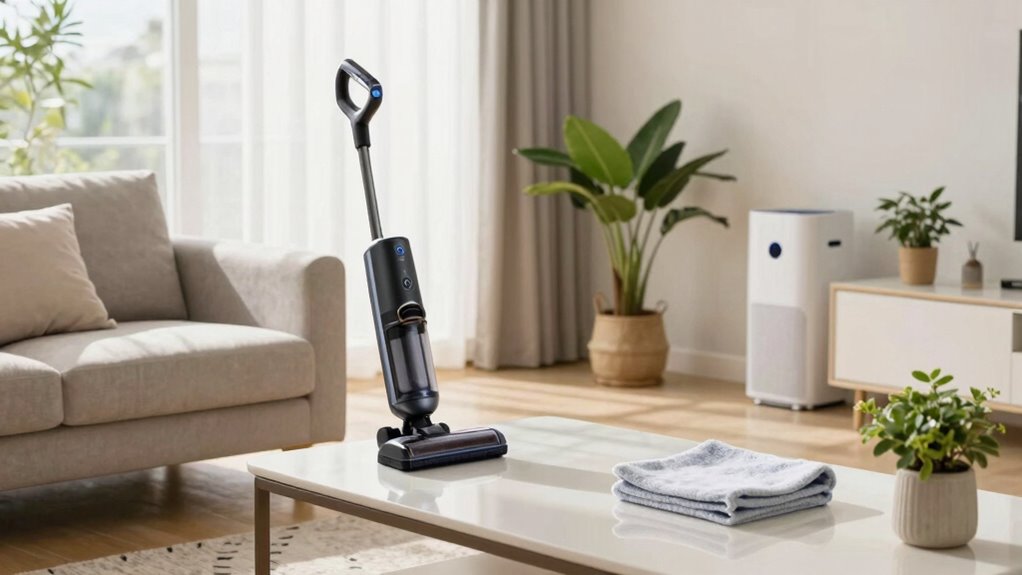
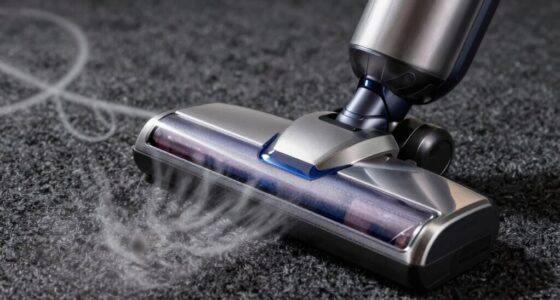
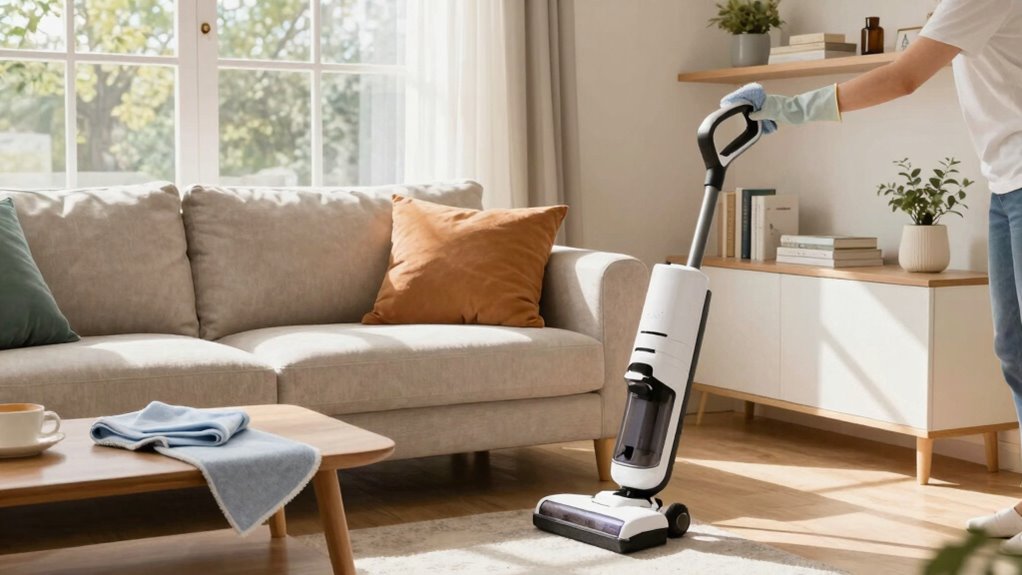
Are you tired of allergy symptoms flaring up every time you clean your home? If so, establishing a thoughtful cleaning schedule can make a huge difference. The key is to minimize dust, pet dander, mold, and other indoor allergens that trigger your symptoms. Start by focusing on the areas where allergens tend to accumulate most, like bedrooms, living rooms, and around pets. Regularly dust surfaces with a damp cloth to prevent stirring up particles into the air. Vacuum carpets and upholstery at least twice a week using a vacuum cleaner with a HEPA filter. Don’t forget to clean air vents and ceiling fans, since they circulate dust and allergens throughout your home.
Minimize dust and allergens by regular dusting, vacuuming with HEPA filters, and cleaning vents and fans.
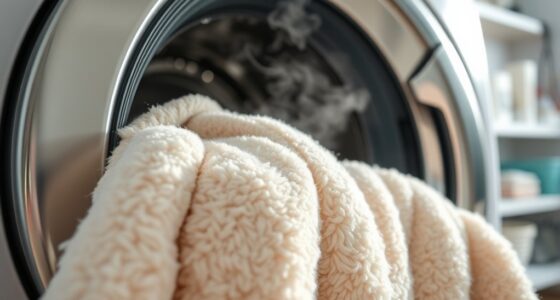
One of the most effective ways to improve indoor air quality is through air purifier maintenance. An air purifier equipped with a HEPA filter captures airborne allergens, making the air safer to breathe. Check and replace your filters as recommended by the manufacturer, usually every three to six months. This simple step keeps your purifier running efficiently and ensures it continues to reduce airborne allergens. Complement your air purifier with allergen proof bedding, which acts as a barrier against dust mites and pet dander. Using dust-mite-proof covers on your pillows, mattresses, and box springs can significantly decrease allergen exposure in your sleeping area. Wash bedding once a week in hot water to eliminate accumulated dust mites and other allergens. This routine not only keeps your bedding clean but also reduces the likelihood of allergy flare-ups during the night.
In addition to daily tasks, schedule deep cleaning sessions weekly to tackle hidden allergens. Mop hard floors to remove dust and debris, and clean bathroom surfaces to prevent mold growth. Pay special attention to areas prone to dampness, like bathrooms and basements, by using mold-resistant products and ensuring proper ventilation. Regularly wash curtains, throw rugs, and pet bedding to prevent allergen buildup. Also, consider replacing carpets with hard flooring if allergies are severe, as they tend to trap more allergens. Incorporating proper ventilation and air circulation practices can further help reduce indoor airborne allergens and promote a healthier environment. Properly managing humidity levels is also crucial, as it can influence mold growth and dust mite proliferation, making humidity control an important part of allergy management. Additionally, ensuring good indoor air quality by controlling humidity levels can also help inhibit mold growth and reduce dust mites. Maintaining proper humidity levels is especially important in preventing mold and dust mite proliferation.
Incorporate these routines into your weekly schedule and stick to them. Consistency is vital for managing allergies effectively. By maintaining your air purifier diligently, investing in allergen proof bedding, and adhering to a comprehensive cleaning routine, you’ll create a healthier home environment. This way, you can breathe easier and enjoy your space without the constant worry of allergy symptoms disrupting your day.
HEPA filter vacuum cleaner for allergies
As an affiliate, we earn on qualifying purchases.
As an affiliate, we earn on qualifying purchases.
Frequently Asked Questions
How Often Should I Replace Air Filters in an Allergy-Friendly Home?
You should replace your air filters every 30 to 60 days to maintain effective allergen removal techniques. Regular air filter maintenance guarantees dust, pollen, and pet dander don’t accumulate, reducing allergy symptoms. If you have pets or allergies are severe, consider changing filters every 30 days. This routine helps keep the air clean and supports a healthier, allergen-free environment in your home.
What Specific Cleaning Products Are Safest for Allergy Sufferers?
You should choose cleaning products like eco-friendly detergents and hypoallergenic sprays to minimize allergy triggers. Look for products labeled free from harsh chemicals, fragrances, and dyes, as these can worsen allergies. Always read labels carefully to guarantee they’re safe for allergy sufferers. Using natural, plant-based cleaning solutions helps reduce airborne allergens and irritants, creating a healthier environment in your home. Regular cleaning with these products keeps allergens at bay effectively.
Can Air Purifiers Reduce Allergy Symptoms Effectively?
Air purifiers can drastically reduce allergy symptoms if you maintain them properly. Regular air purifier maintenance guarantees they operate at peak efficiency, helping to eliminate pollen, pet dander, and dust mites. Good ventilation is equally essential, allowing fresh air to circulate and prevent indoor allergens from building up. When used together, air purifiers and proper ventilation can be your strongest allies, making allergy symptoms nearly vanish into thin air.
How Do I Prevent Mold Growth in Humid Areas?
To prevent mold growth in humid areas, you should use mold-resistant paints on walls and ceilings to inhibit mold development. Keep humidity levels low by maintaining your dehumidifier regularly—clean its filters and empty the water reservoir frequently. Ventilate rooms properly by opening windows and using exhaust fans. Additionally, fix leaks promptly and dry out any damp areas to prevent mold spores from thriving.
Are There Allergy-Friendly Cleaning Tools I Should Use?
You can’t judge a book by its cover, so start by choosing allergy-friendly cleaning tools that make a difference. Look for tools with HEPA filters or microfiber cloths, which trap allergens effectively. If traditional tools bother you, consider cleaning tool alternatives like steam cleaners or electrostatic dusters. These options help reduce airborne allergens and keep your home healthier, making your cleaning routine less of a hassle and more effective for allergy relief.
As an affiliate, we earn on qualifying purchases.
Conclusion
Sticking to a consistent cleaning schedule can considerably reduce allergens in your home, creating a healthier environment. Did you know that regular cleaning can cut dust mites and pet dander by up to 80%? By maintaining a routine, you not only breathe easier but also prevent allergy symptoms from worsening. So, commit to your cleaning plan—you’ll enjoy a fresher, allergy-friendly space and better overall well-being.
As an affiliate, we earn on qualifying purchases.
mold-resistant bathroom products
As an affiliate, we earn on qualifying purchases.
As an affiliate, we earn on qualifying purchases.
Halloween Picks
halloween
As an affiliate, we earn on qualifying purchases.