You might not realize how tiny fine dust particles, like PM2.5, can easily slip through standard filters and reach deep into your lungs and bloodstream, causing serious health issues. Upgrading to better filtration systems is essential because these microscopic particles increase your risk of respiratory problems and heart disease. Properly maintaining advanced filters guarantees you stay protected and breathe healthier air. Keep going to discover how improved filtration can make a real difference in your living environment.

Get cleaning gear delivered free with Prime
- Fast, free delivery on millions of items
- Prime Video, Amazon Music and more included
- Member-only deals all year
Key Takeaways
- Fine dust particles like PM2.5 can penetrate deep into lungs and bloodstream, causing serious health issues.
- Standard filters often fail to trap microscopic dust, requiring advanced filtration for effective removal.
- Improved filtration systems significantly reduce indoor pollutants, protecting respiratory and cardiovascular health.
- Regular filter maintenance ensures high-efficiency filtration, preventing system inefficiencies and health risks.
- Invisible airborne contaminants make it essential to upgrade filters beyond basic solutions for safer indoor air.
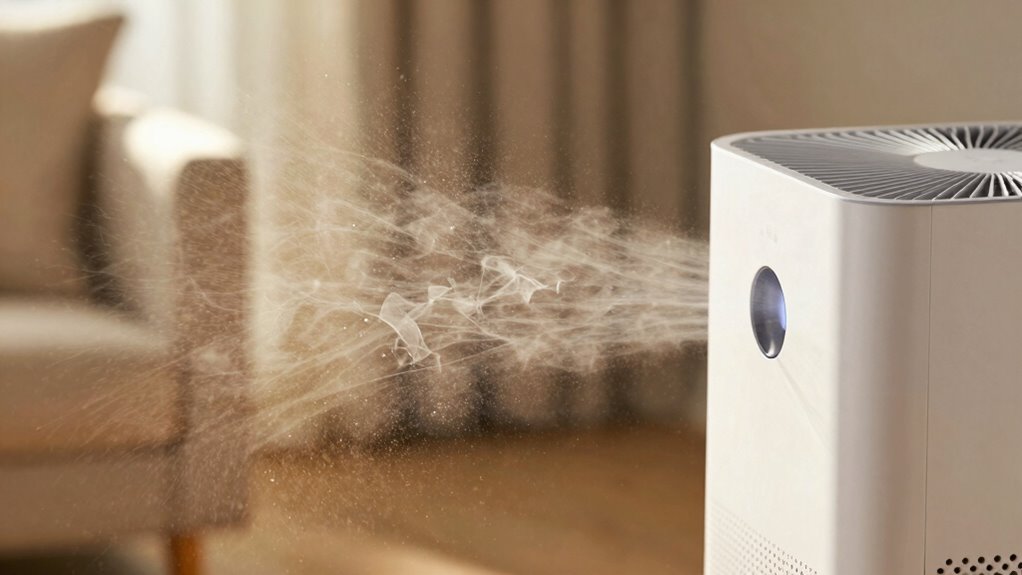
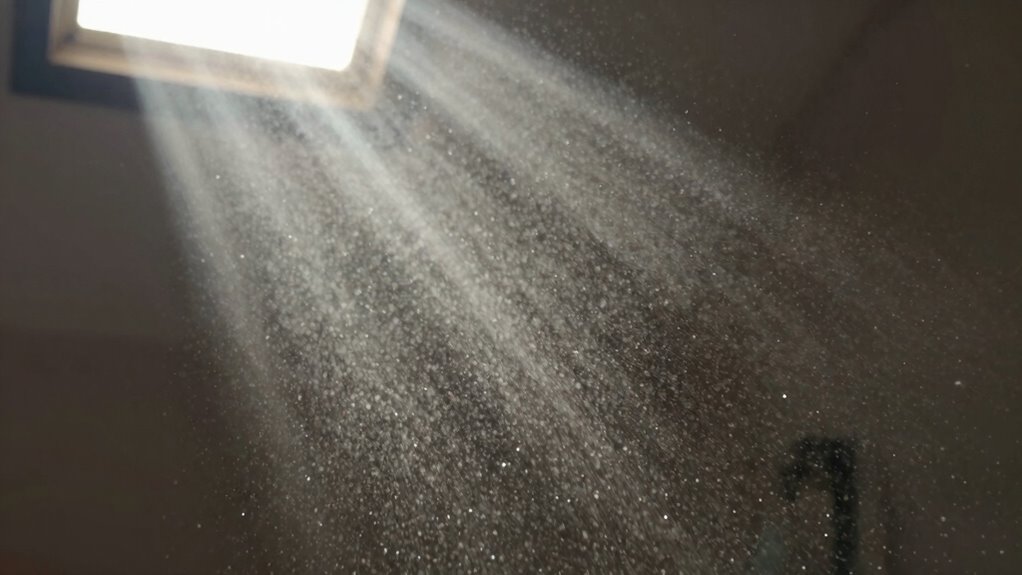
As concerns about air quality continue to grow, understanding the importance of fine dust filtration becomes essential. Fine dust particles, often invisible to the naked eye, can substantially impact your health and overall well-being. These tiny particles, which include pollutants like PM2.5, can penetrate deep into your lungs and even enter your bloodstream, increasing the risk of respiratory issues, heart disease, and other health problems. Recognizing the dangers of these airborne contaminants underscores why better filtration isn’t just a luxury; it’s a necessity for maintaining a safe indoor environment.
You might think that everyday air filters are enough to keep your indoor air clean, but standard filters often fall short when it comes to trapping the smallest dust particles. Fine dust filtration requires specialized filters that can effectively capture microscopic particles, preventing them from circulating in your space. Upgrading to high-efficiency particulate air (HEPA) filters or other advanced filtration systems can dramatically improve your air quality. These filters are designed to trap at least 99.97% of airborne particles as small as 0.3 microns, making them far more effective than traditional filters. Investing in better filtration means you’re actively reducing your exposure to harmful pollutants and creating a healthier environment for yourself and your loved ones.
Maintaining your filters properly is equally important. Regular filter maintenance guarantees your filtration system remains effective over time. Dirty or clogged filters not only diminish air quality but also force your HVAC system to work harder, increasing energy consumption and wear and tear. By scheduling routine inspections and replacing filters as recommended, you keep the system running efficiently and make sure that fine dust doesn’t slip through. Clean filters also prevent the growth of mold and bacteria, which can thrive in neglected systems and further compromise air quality. Additionally, understanding the role of air quality and the impact of airborne contaminants can motivate you to prioritize effective filtration. Proper filter maintenance is essential to sustain the benefits of advanced filtration systems and ensure continuous protection. Recognizing the importance of filter materials can help you choose the most effective options for your space.
You might overlook the significance of filter maintenance, but neglecting it can undo the benefits of your investment in better filtration. It’s vital to stay attentive to signs that your filters need changing, such as reduced airflow or increased dust settling around vents. Proper filter maintenance isn’t just about prolonging the lifespan of your HVAC system; it’s about actively protecting your health by ensuring the air you breathe remains as clean as possible. Remember, the battle against fine dust isn’t won with a single purchase—it’s an ongoing effort that involves regular upkeep and a commitment to better air quality. Regular filter replacement and system checks are fundamental to maintaining optimal performance and safeguarding your indoor environment.
As an affiliate, we earn on qualifying purchases.
Frequently Asked Questions
How Does Fine Dust Affect Indoor Air Quality Long-Term?
Fine dust gradually worsens indoor air quality over time, leading to increased indoor pollution that can harm your health. As dust accumulates, it triggers respiratory issues, allergies, and asthma symptoms. Without proper filtration, this dust stays airborne longer, making your environment less healthy. Regularly filtering fine dust reduces indoor pollution, minimizes dust buildup, and creates a cleaner, safer space for you and your family.
Are Standard Air Filters Sufficient for Fine Dust Removal?
Standard air filters are like a sieve with holes too big to catch fine dust particles. They often lack the filtration efficiency needed for tiny particles, making them insufficient for proper air quality. To truly protect your indoor air, you need filters with advanced air filter types designed for fine dust. Upgrading guarantees your space stays healthier, effectively capturing even the tiniest pollutants that standard filters tend to miss.
What Health Issues Are Caused by Tiny Dust Particles?
Tiny dust particles can cause serious health issues, including allergy triggers and respiratory risks. When you breathe them in, they can irritate your airways, worsen asthma, or lead to chronic respiratory conditions. These small particles easily penetrate deep into your lungs, making filtration essential. If you don’t filter fine dust effectively, you risk ongoing health problems that can affect your daily life and long-term well-being.
How Often Should Filtration Systems Be Replaced?
You should replace your filtration system every 3 to 6 months, depending on its filtration lifespan and usage. Regular replacement guarantees peak filtration efficiency, preventing tiny dust particles from accumulating and affecting your health. If you have allergies or pets, consider replacing filters more frequently. Checking manufacturer recommendations and monitoring filter condition helps you determine the right replacement frequency, maintaining cleaner air and better overall health.
Can Fine Dust Penetrate Common Household Filters?
Coincidentally, your household filter might not stop fine dust because typical air filter materials often struggle with tiny dust particle sizes. Fine dust can penetrate common filters, especially if they’re made with less dense materials or haven’t been replaced recently. To guarantee cleaner air, choose filters specifically designed for fine particles, like HEPA filters, which effectively trap the smallest dust particles, keeping your indoor air healthier and clearer.
high-efficiency particulate air (HEPA) filters
As an affiliate, we earn on qualifying purchases.
As an affiliate, we earn on qualifying purchases.
Conclusion
Did you know that fine dust particles can be up to 100 times smaller than a human hair? That means they can easily bypass regular filters and enter your lungs, causing health issues. Better filtration isn’t just a luxury—it’s a necessity for your safety. By upgrading your filters, you’re protecting yourself and those around you from invisible dangers lurking in the air. Don’t wait—invest in superior filtration today for cleaner, healthier air tomorrow.
air purifier with PM2.5 filtration
As an affiliate, we earn on qualifying purchases.
As an affiliate, we earn on qualifying purchases.
HVAC filter for microscopic dust
As an affiliate, we earn on qualifying purchases.
As an affiliate, we earn on qualifying purchases.
Halloween Picks
halloween
As an affiliate, we earn on qualifying purchases.