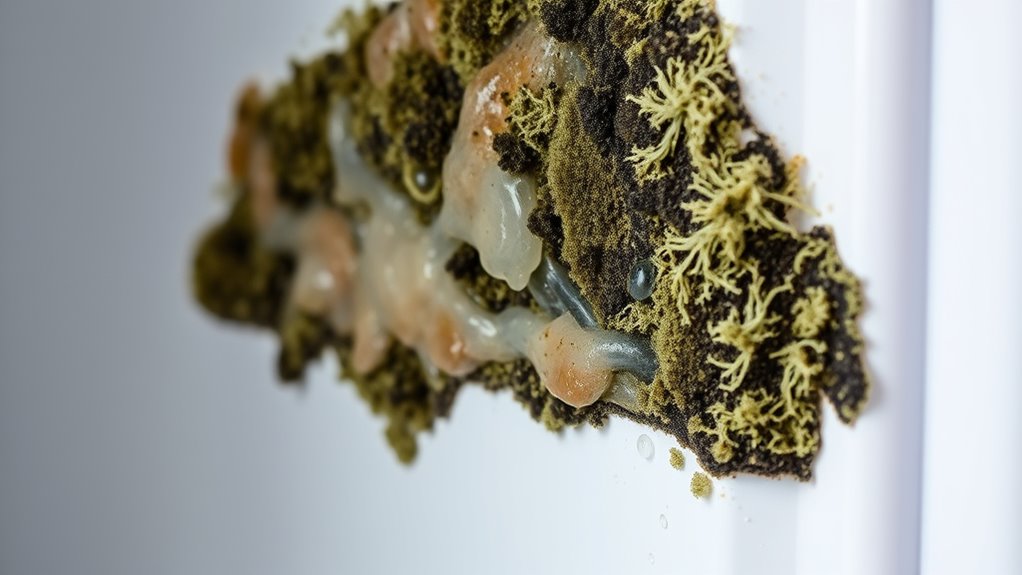

To clean and prevent slime on your fridge door gasket, gently remove the gasket and wash it with warm water mixed with mild soap or vinegar. Scrub folds and crevices thoroughly, then dry completely to prevent moisture buildup. Keep the gasket dry and clean regularly, maintain your fridge at below 40°F, and replace worn gaskets. Proper maintenance stops mold before it starts; follow these tips for longer-lasting, mold-free freshness. Keep going to discover more effective strategies.

Get cleaning gear delivered free — and shop member deals
- Fast, free delivery on millions of items
- Access to Prime Big Deal Days deals on October 6–7
- Prime Video, Amazon Music and more included
Key Takeaways
- Remove and thoroughly clean the gasket with warm soapy water, vinegar, or a diluted bleach solution to eliminate mold and slime.
- Dry the gasket completely after cleaning to prevent moisture buildup that promotes mold growth.
- Regularly inspect and replace cracked or worn gaskets to reduce mold-prone areas.
- Maintain proper fridge temperature below 40°F (4°C) and ensure good air circulation inside.
- Incorporate routine cleaning of the gasket and surrounding areas into weekly maintenance to prevent mold recurrence.
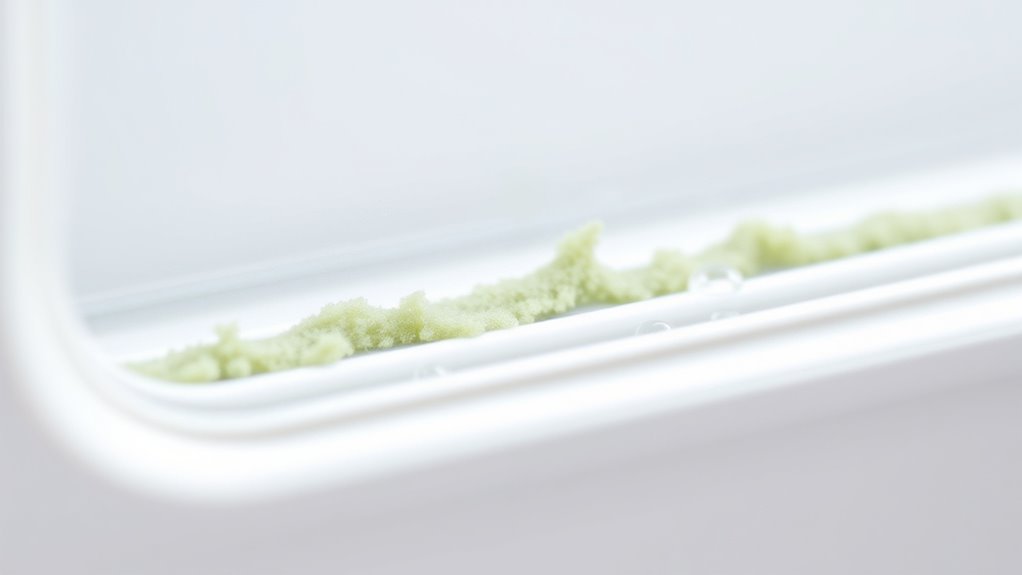
A moldy fridge door gasket can quickly become a health concern and a frustrating cleaning challenge. When you notice slimy or fuzzy spots around the gasket, it’s tempting to ignore it, but mold can spread and compromise the freshness of your food and your health. The key to handling this problem is understanding effective cleaning techniques and implementing mold prevention strategies that keep your fridge hygienic and mold-free over time.
Start by removing the gasket if possible. Many fridge gaskets are flexible and can be gently pulled away from the door frame. Once removed, you can give it a thorough cleaning. Mix a solution of warm water and mild dish soap or a gentle detergent. Using a soft cloth or sponge, wipe down the gasket carefully, paying attention to folds and crevices where mold spores tend to hide. For stubborn mold or slime, you might need to use a mixture of equal parts water and white vinegar, which acts as a natural disinfectant. Alternatively, a diluted bleach solution (one tablespoon of bleach per quart of water) can be effective, but make sure to rinse thoroughly afterward to avoid any residue.
Remove and clean the gasket with water, soap, vinegar, or diluted bleach to prevent mold buildup.
When cleaning, don’t forget to scrub the gasket’s surface gently but thoroughly. Mold spores cling to the rubber, and you want to remove every trace to prevent regrowth. Once cleaned, dry the gasket completely with a clean towel. Moisture promotes mold growth, so eliminating excess water is vital. After reattaching the gasket, consider wiping down the surrounding door area to remove any residual spores that might have been dislodged during cleaning. Regularly inspecting your gasket can also help catch mold early before it becomes a bigger problem.
To prevent mold from returning, keep the gasket dry and clean on a regular basis. Incorporate routine cleaning techniques into your weekly fridge maintenance schedule—wiping the gasket with a damp cloth and drying it thoroughly helps reduce moisture and mold buildup. Also, ensure your fridge maintains a consistent temperature (ideally below 40°F or 4°C) because warmth and humidity foster mold growth. Check and replace door gaskets periodically; cracked or worn gaskets are harder to clean and more prone to mold accumulation.
Finally, make sure your fridge isn’t overcrowded, which can restrict airflow and increase humidity inside. Proper air circulation prevents moisture from lingering around the gasket area. By staying vigilant with cleaning techniques and practicing mold prevention, you’ll keep your fridge door gasket clean, odor-free, and safe for your family. Regular maintenance doesn’t just extend the life of your appliance—it also promotes a healthier kitchen environment. Understanding the importance of appliance maintenance can help you avoid recurring issues and keep your home healthier.
fridge door gasket cleaning brush
As an affiliate, we earn on qualifying purchases.
As an affiliate, we earn on qualifying purchases.
Frequently Asked Questions
How Long Does It Take for Mold to Develop on a Gasket?
Mold growth on your gasket can develop within a few days to a week if moisture and debris accumulate. You might notice slime or discoloration quickly, which signals gasket deterioration. Regularly cleaning the gasket helps prevent mold from forming and prolongs its lifespan. If you see mold early, cleaning it promptly can stop further deterioration and keep your fridge fresh and hygienic.
Can Mold on the Gasket Cause Health Issues?
Yes, mold growth on your fridge gasket can cause health risks. Mold spores can trigger allergies, worsen asthma, and lead to respiratory issues. When you ignore mold, you risk spreading toxins and bacteria throughout your kitchen. Regularly cleaning and inspecting your gasket helps prevent mold, protecting your health and maintaining a safe environment. Stay vigilant, clean thoroughly, and prevent mold growth before it becomes a health hazard.
What Are Natural Remedies to Remove Mold From Gaskets?
You can use natural remedies like white vinegar or baking soda to remove mold from gaskets. Mix equal parts of vinegar and water, then spray onto the gasket and let it sit for a few minutes before scrubbing gently. For homemade solutions, make a paste of baking soda and water, apply it to moldy areas, and scrub with a soft brush. These natural remedies effectively clean and prevent future mold growth.
How Often Should I Inspect My Fridge Gasket for Mold?
You should inspect your fridge gasket weekly to catch mold early and prevent buildup. Look for any signs of slime or discoloration. Regular inspections help you decide if gasket replacement is necessary, especially if mold persists despite cleaning. Use mold prevention techniques like keeping the gasket dry and cleaning it with vinegar regularly. This routine maintenance keeps your fridge fresh and prevents mold from spreading, saving you from costly repairs later.
Is It Safe to Use Bleach on Fridge Gaskets?
Did you know that mold can grow within 48 hours in damp environments? Using bleach on your fridge gasket is generally safe, but you should be cautious. Bleach is a strong cleaning agent that can damage certain gasket materials if used excessively. Always dilute it properly and test a small area first. For best results, opt for milder cleaners that effectively clean without harming your gasket’s material.
refrigerator gasket mold remover
As an affiliate, we earn on qualifying purchases.
As an affiliate, we earn on qualifying purchases.
Conclusion
To keep your fridge door gasket mold-free, stay vigilant, clean regularly, and dry thoroughly. Prevent mold by inspecting often, wiping down surfaces, and maintaining good hygiene. Address spills quickly, remove excess moisture, and use natural cleaners to deter growth. By staying attentive, practicing consistency, and acting promptly, you’ll protect your fridge, prolong its life, and enjoy fresh, clean food every time. Keep mold at bay, keep your fridge pristine, and enjoy peace of mind.
As an affiliate, we earn on qualifying purchases.
fridge door gasket cleaning sponge
As an affiliate, we earn on qualifying purchases.
As an affiliate, we earn on qualifying purchases.
Fall Picks
fall essentials
As an affiliate, we earn on qualifying purchases.