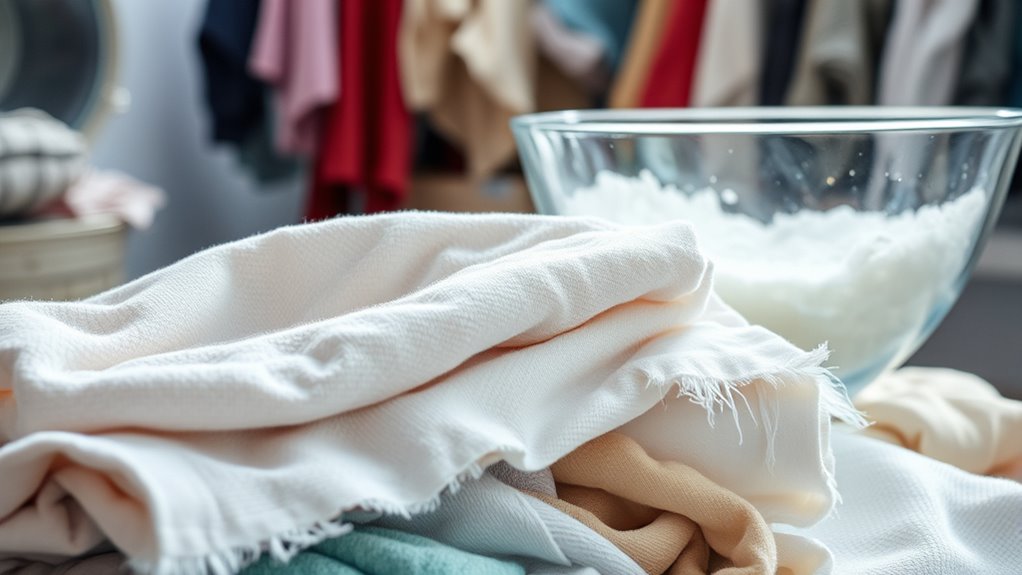

Laundry stripping works best when your clothes look dull, feel fragile, or have stubborn odors despite regular washing, signaling buildup of residues. However, it can ruin fabrics if they’re delicate, prone to fading, or feel frayed after stripping. Overdoing it can weaken fibers or cause colors to bleed. Knowing when to strip and when to stop helps keep your fabrics fresh without damage—if you stay aware, you’ll discover more tips to protect your clothes.

Get cleaning gear delivered free — and shop member deals
- Fast, free delivery on millions of items
- Access to Prime Big Deal Days deals on October 6–7
- Prime Video, Amazon Music and more included
Key Takeaways
- Laundry stripping can revive dull, faded fabrics and remove residue buildup when used appropriately.
- Overusing stripping or applying harsh chemicals risks weakening fibers, causing fraying or fabric damage.
- Sensitive or delicate fabrics are more prone to damage during stripping due to chemical reactions.
- Signs of damage include persistent odors, thinning fabric, or color bleeding after stripping.
- Proper monitoring and limited frequency help prevent stripping from ruining fabrics over time.
laundry stripping kit for clothes
As an affiliate, we earn on qualifying purchases.
As an affiliate, we earn on qualifying purchases.
Signs That Laundry Stripping Can Refresh Your Fabrics
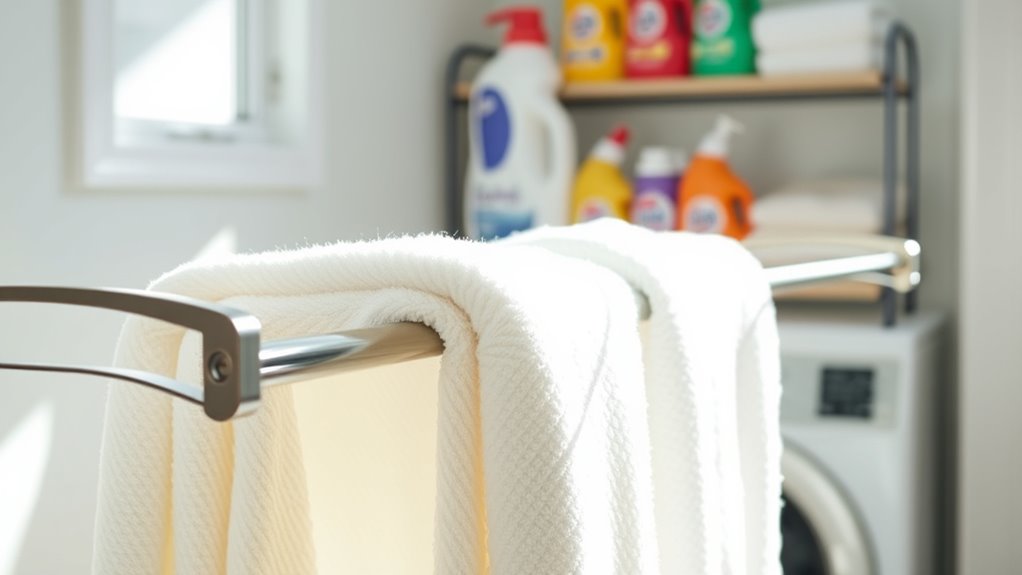
If your laundry no longer feels fresh or looks dull despite regular washing, it might be time to contemplate laundry stripping. One clear sign is persistent color fading, where your clothes lose their vibrancy faster than usual. If colors seem to wash out after just a few wears, stripping could help restore their brightness. Additionally, you might notice fabric weakening—clothes feel thinner or more fragile, and seams or fibers seem to break down easily. This indicates buildup of detergent, minerals, or residue that regular washing can’t remove. When these issues happen, stripping can remove stubborn deposits, revitalizing your fabrics. However, be cautious—overdoing it can damage delicate fibers and accelerate fabric weakening. Recognizing these signs early and understanding the importance of color accuracy can help you decide if stripping will truly refresh your clothes.
delicate fabric safe laundry cleaner
As an affiliate, we earn on qualifying purchases.
As an affiliate, we earn on qualifying purchases.
Indicators That Stripping Might Damage Your Items
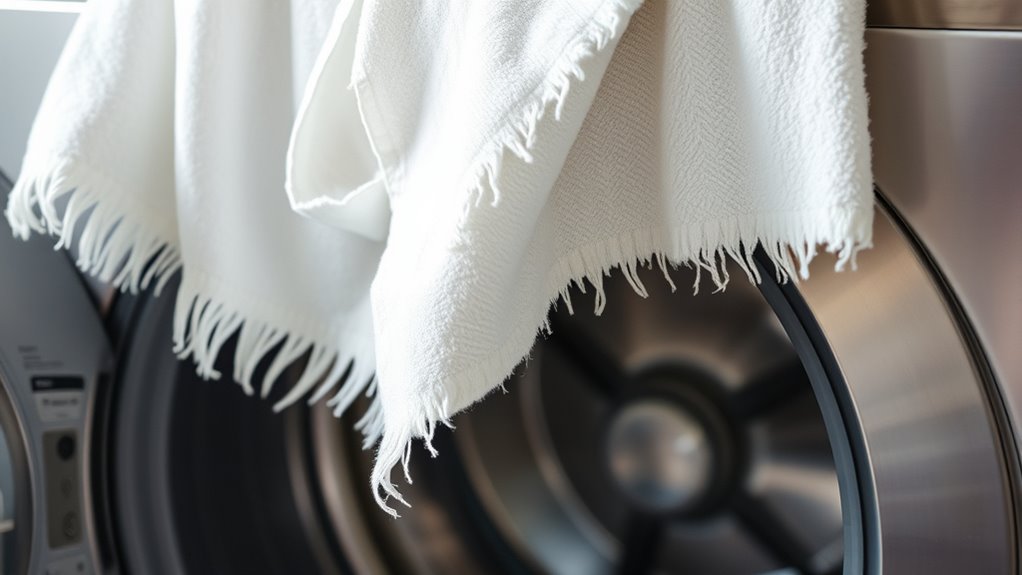
While laundry stripping can refresh your fabrics, it’s important to watch for signs that it might be harming your clothes. Damage often results from adverse chemical reactions or poor fabric compatibility. Here are key indicators:
- Color Fading or Bleeding: If colors start to fade or bleed, stripping may be disrupting the fabric’s dye, signaling harmful chemical reactions.
- Weak or Frayed Fabric: Feeling delicate or noticing fraying suggests the stripping process is weakening the fibers, especially if the fabric isn’t compatible with harsh cleaners.
- Persistent Odors: If odors remain after stripping, it could mean the chemical reactions are causing unseen damage to the fabric’s structure, reducing its durability.
- Decreased Fabric Integrity: Repeated stripping without proper care can lead to a loss of fabric strength and elasticity, especially in delicate textiles. HEPA filtration can help keep your laundry environment free of airborne pollutants that might further damage sensitive fabrics.
Monitoring these signs helps prevent damage and ensures your fabrics stay intact.
As an affiliate, we earn on qualifying purchases.
Frequently Asked Questions
How Often Should Laundry Stripping Be Performed for Optimal Fabric Care?
You should perform laundry stripping about once every three to six months, depending on your laundry habits and fabric type. Follow the frequency guidelines to avoid damaging your fabrics. Stick to a stripping schedule that fits your needs; if your linens start looking dingy or smell musty sooner, consider more frequent sessions. Always monitor your fabrics’ response to stripping, and don’t overdo it to prevent wear and tear.
Are There Specific Fabric Types That Should Never Undergo Stripping?
You should never strip delicate fabrics like silk, lace, or fragile textiles—they’re practically begging for destruction! Synthetic fibers, such as polyester or nylon, also can’t handle stripping because it can damage their structure, making them look dull or even disintegrate. If you love your fine fabrics and synthetic textiles, skip the stripping altogether or consult care labels—don’t risk turning your favorite pieces into a sad, shredded mess!
Can Laundry Stripping Be Used on Delicate or Vintage Garments Safely?
Laundry stripping isn’t safe for delicate or vintage garments because it can damage fabric fibers. Instead, opt for gentle cleaning methods to preserve your clothing’s integrity. These fabrics often require softer approaches to maintain their quality and color. Using harsh stripping agents may weaken or ruin vintage and delicate pieces. Always check care labels and choose gentle, fabric-preserving techniques to keep your garments looking their best without risking damage.
What Are Alternative Methods to Refresh Fabrics Without Stripping?
Imagine a gentle breeze restoring freshness to your fabrics. Instead of stripping, you can soften fabrics with fabric softening sprays or natural alternatives like vinegar, which also aid in stain removal. Regular washing with appropriate detergents keeps clothes vibrant and clean. For stubborn stains, pre-treat with spot cleaners or baking soda paste. These methods refresh your fabrics safely, preserving their texture and color without risking damage from harsh stripping processes.
How Can I Tell if My Laundry Stripping Process Was Effective?
You can tell your laundry stripping was effective if your fabrics look brighter, feel cleaner, and smell fresh without any lingering odor. Check for fabric residue, which can indicate over-stripping or soap buildup, and verify unpleasant odors are gone. If your clothes smell clean and fresh and there’s no greasy or filmy residue, your stripping process worked well. If residue persists or odors remain, you might need to adjust your technique.
fabric softener for fragile fabrics
As an affiliate, we earn on qualifying purchases.
As an affiliate, we earn on qualifying purchases.
Conclusion
Remember, laundry stripping can revive your fabrics, but it can also harm them. Know the signs that it’s working—fading odors, brighter colors, softer textures—and watch for the warning signs—discoloration, fiber damage, or stiffness. Use stripping wisely, with caution and care. Ultimately, it’s about balancing benefits and risks, knowing when to refresh and when to retreat. By staying attentive and gentle, you guarantee your fabrics stay fresh, vibrant, and intact.
Fall Picks
fall essentials
As an affiliate, we earn on qualifying purchases.