
TL;DR
Scratching sounds, persistent musty smells, damaged or compacted insulation, tunnels and ceiling marks can indicate pest activity or moisture in a loft. Experts quoted by Ideal Home advise identifying and addressing the pest before replacing contaminated insulation, and caution against disturbing it without protective equipment.
Scratching noises, persistent smells and disturbed insulation are among five warning signs that pests may have affected loft insulation, according to an Ideal Home report. The report says rodents, squirrels and birds can damage or contaminate insulation, potentially reducing its effectiveness and creating health concerns.

Get cleaning gear delivered free with Prime
- Fast, free delivery on millions of items
- Prime Video, Amazon Music and more included
- Member-only deals all year
The five signs highlighted are scurrying or scratching sounds, a persistent musty smell, shredded or compacted insulation, visible tunnels through the material, and gnaw marks or water marks on a ceiling. These are warning signs, not proof of a particular pest or of contamination: dampness, for example, can also affect insulation and its performance.
George Penny, identified in the report as a home energy expert at The Solar Co, said rodents and squirrels can compress insulation, reducing its effectiveness and creating cold spots. He also warned that droppings and urine may pose a health risk. The report names mice, rats, squirrels and birds as possible intruders.
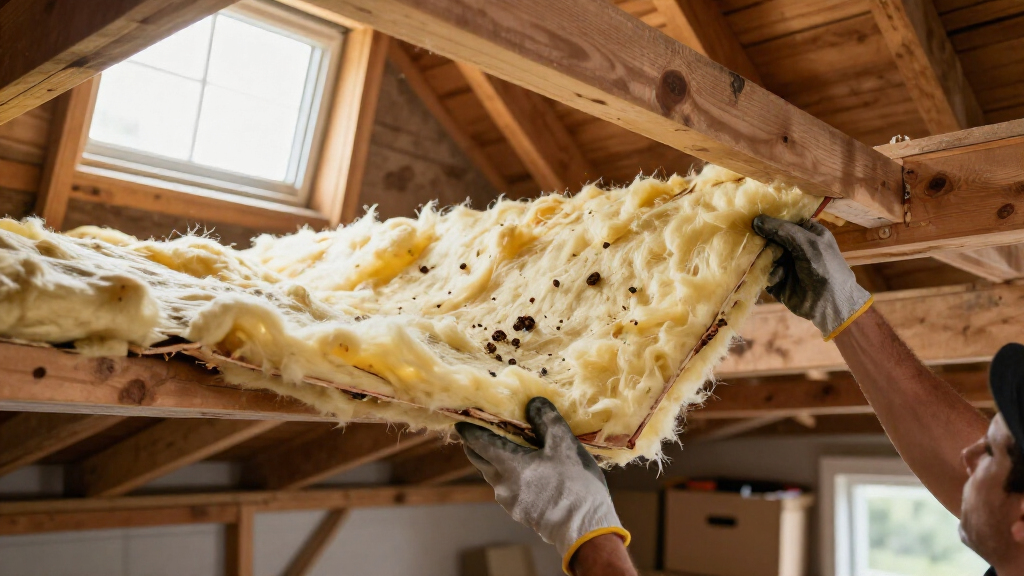
Mike Storey, founder and technical manager at UKFR Roofing & Insulation, said householders should look for droppings, urine smells, nesting material and insulation that appears damaged or disturbed. Penny said activity may be audible at night; on inspection, insulation may have been pulled aside, flattened along joists or shredded into nests near the eaves.
5 red flags for loft pests Know when to investigate
Sounds, smells and changes to insulation can signal pest activity or moisture. They are reasons to investigate, not proof of an infestation.
Five warning signs
Look for physical clues as well as sounds and smells.
Scratching at night
Scurrying or scratching may indicate activity in the loft.
Persistent mustiness
A lingering musty or urine smell is a reason to check further.
Shredded or compacted
Insulation may be flattened, disturbed or pulled into nesting material.
Tunnels through insulation
Visible paths through the material can point to movement.
Gnaw or water marks
Ceiling marks may signal gnawing or moisture that needs investigation.
What the signs can mean
Rodents, squirrels and birds may damage or contaminate insulation; dampness can also affect it.
- Compressed insulation can reduce effectiveness and create cold spots.
- Droppings or urine may pose a health risk.
- Dampness can reduce insulation performance.
- Water marks may point to a leak.
Respond safely
The report recommends dealing with the pest before replacing affected insulation.
Ask a professional to identify and address the suspected infestation.
Arrange professional advice on damaged or contaminated material.
Look for gaps around pipes, eaves and vents, then seal them after treatment.
Have the cause of water marks or damp material checked.
Avoid disturbing suspected contamination
Take care while deciding what to do next.
Why Damaged Insulation Matters
Pest activity can affect more than the appearance of a loft. Compressed or displaced insulation may leave cold spots and reduce how well it performs, while material contaminated by droppings or urine may require careful handling and replacement. Damp insulation can also lose effectiveness, and ceiling water marks may point to a leak that needs attention.
Those issues can be difficult to distinguish from ordinary winter changes in heating use. The report does not quantify possible energy losses or establish that a higher bill indicates pest damage. Instead, it advises checking for other signs before drawing conclusions. Finding and sealing an entry point may also help reduce the chance of pests returning after treatment.
Products Worth Considering

Roborock Qrevo S Pro Robot Vacuum and Mop with 18,500 Pa Suction

iRobot Roomba Plus 405 Combo Vacuum and Mop Robot with AutoWash Dock

Levoit Vital 200S-P Smart Air Purifier for Large Rooms (up to 1875 ft²)
As an affiliate, we earn on qualifying purchases.
Checking the Loft This Winter
The advice appears in a seasonal home-maintenance report focused on loft checks during winter. Its central point is that rising energy bills alone do not show whether insulation has been damaged: colder weather can also affect household energy use. Physical signs, sounds and smells may provide additional reasons to investigate, but they do not identify the cause with certainty.
The report recommends dealing with the pest before replacing insulation and finding how it entered. Possible access points it names include gaps around pipes, eaves and vents. It advises that a pest controller can identify and address an infestation, while a professional insulation service can assess and remove compromised material. The report gives no location-specific rules or cost estimate for that work.
“Rodents and squirrels compress the insulation, which reduces its effectiveness and creates cold spots, and they can contaminate it with droppings and urine, which may pose a health risk.”
— George Penny, home energy expert at The Solar Co
What the Warning Signs Cannot Prove
None of the five signs alone confirms an infestation or establishes which animal is responsible. The report does not provide diagnostic criteria, inspection results from particular homes or data on how often these symptoms are caused by pests rather than other problems.
Water marks may indicate a leak, but the report does not establish the cause or extent of any moisture damage. It also gives no fixed price for professional removal; the cost will depend on factors such as loft size, location and the level of contamination. Local disposal requirements may vary, so householders should check applicable council guidance.
Safe Steps After a Suspected Infestation
If several signs appear, the report advises contacting a professional pest controller to identify and deal with the animal, then arranging an assessment of any affected insulation. Once the pest has been addressed, entry points should be identified and sealed to help prevent a return. Where water marks or damp material are present, the cause of the moisture also needs investigation.
Householders should not sweep or vacuum suspected contaminated insulation. If handling cannot be avoided, Penny and Latifi advise protective equipment, including gloves and an appropriate mask; goggles are also listed in the report’s safety guidance. Removing old or contaminated insulation is described as work best left to a professional. Anyone considering doing it themselves should use suitable protection, contain the material to limit spread and check local disposal rules. The report does not specify a universal removal method or safety standard.
Source: rss
Key Questions
What are five signs pests may have affected loft insulation?
Warning signs include scratching or scurrying sounds, persistent musty smells, shredded or compacted insulation, tunnels through the material, and gnaw marks or water marks on a ceiling. These signs suggest a problem but do not confirm its cause.
Should I sweep or vacuum suspected contaminated insulation?
No. George Penny advises against sweeping or vacuuming because it may put hazardous particles into the air. Contact a professional for advice and avoid handling the material without appropriate protective equipment.
Should pest control happen before insulation is replaced?
The report recommends having a pest controller identify and deal with the infestation first. Afterward, arrange an assessment of damaged or soiled insulation and seal the entry points to reduce the risk of pests returning.
Can I remove contaminated loft insulation myself?
The report says professional removal is generally preferable, particularly after pest contamination. If you consider doing it yourself, use suitable protective equipment, contain the material and check local council guidance on disposal.
Source: idealhome.co.uk