TL;DR
A wall that feels much colder than others may be exposed to wind, poorly insulated, damp or affected by draughts and thermal bridging. Experts advise identifying and resolving moisture problems before adding insulation, and recommend a professional assessment when the cause is uncertain.
Property and construction experts say a single cold wall can result from its position, draughts, damp or inadequate insulation, and the right remedy depends on identifying which issue is responsible. The guidance matters as temperatures fall: treating damp as an insulation problem, for example, can trap moisture and worsen damage.

Get cleaning gear delivered free with Prime
- Fast, free delivery on millions of items
- Prime Video, Amazon Music and more included
- Member-only deals all year
External walls, especially those facing north or exposed to wind and rain, can lose more heat than interior walls. Elliot Anderson-Evans, an RICS surveyor at Cardiff property firm Elliot & Hill, says missing insulation or gaps in cavity-wall fill can also create cold areas. Other possible causes include thermal bridging, draughts around sockets, windows or skirting boards, and a wall backing onto an unheated garage or empty neighbouring property.
Moisture can make a wall feel colder, and signs to check for include mould, staining, flaking paint and a musty smell. Scott Godfrey, a construction trade consultant at Black Hammer, advises checking whether the wall is merely cold or also shows signs of damp before deciding on work. Furniture placement and a lack of nearby radiator may affect how cold a wall feels, without necessarily indicating an insulation fault.
Some first checks are simple: look for draughts around windows and sockets, and move furniture if it blocks warm air from circulating. If damp is present, address its cause before adding insulation. The appropriate repair depends on the source: condensation may call for better ventilation and moisture control, while rain entering through damaged pointing, cracked render or leaking gutters requires attention to the exterior. Any exterior paint or treatment should be suitable for the surface and breathable, so moisture vapour can escape.
Why one wall feels cold and how to investigate
A cold wall can point to exposure, draughts, damp or insulation gaps. Finding the cause first helps avoid repairs that miss the problem.
Possible causes
Several conditions can make one wall feel colder than the rest of a home.
External wall
North-facing walls or walls exposed to wind and rain can lose more heat.
Gaps or bridges
Missing cavity fill or a thermal bridge can carry cold through the wall.
Draughts or cold spaces
Air around sockets, windows or skirting boards—or an unheated space behind the wall—can add to heat loss.
Damp
Condensation or water entering through exterior defects can make a wall feel cold.
Check for moisture
A cold feel alone cannot confirm the cause or prove that a wall is damp.
Check for mould, staining, flaking paint and a musty smell.
Look for damaged pointing, cracked render or leaking gutters that could let rain in.
Look for draughts and move furniture that blocks warm air from circulating.
Match the response to the cause
- Address the source before adding insulation.
- Condensation may call for better ventilation and moisture control.
- Rain entry calls for attention to exterior defects.
- A surveyor or insulation specialist can assess the wall.
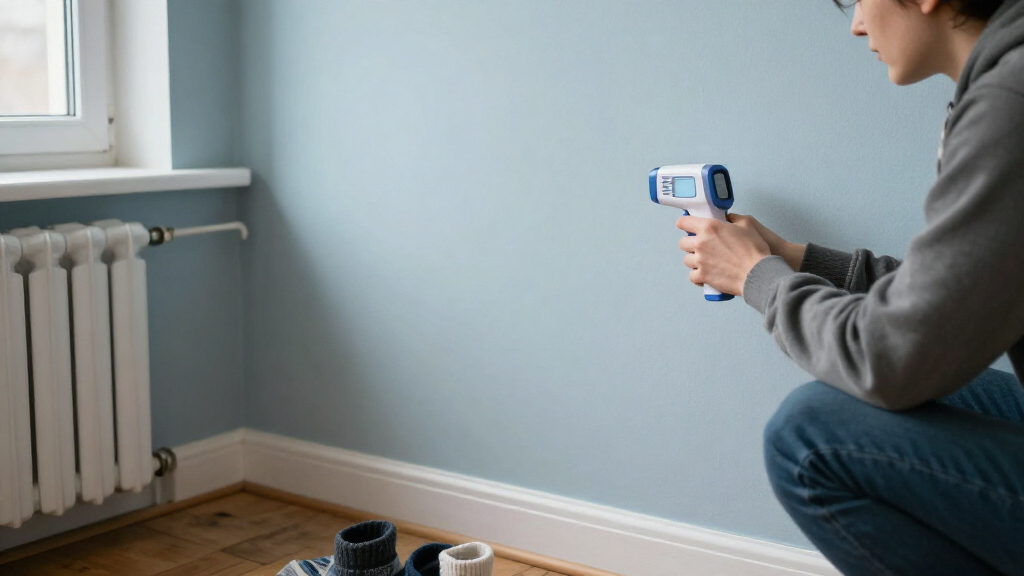
- Thermal imaging may help locate heat loss.
- Suitable insulation depends on whether the wall is cavity or solid.
What a cold wall cannot tell you
Why the Cause Changes the Repair
A cold wall can be a comfort problem, but it may also signal water ingress or failed insulation. Choosing a remedy before finding the source risks spending money on work that does not address the problem. More seriously, adding insulation over a damp wall can trap moisture and contribute to further damage, according to the guidance from Godfrey.
That makes diagnosis important before larger works. A draught may be relatively straightforward to address, while damp or insulation defects can call for repairs or specialist advice. The distinction also affects the options available: cavity-wall insulation is different from insulating a solid wall, which may require work on the interior or exterior.
Products Worth Considering

Samsung 65-Inch M70H Series 4K Mini LED Smart TV (2026)

Sonos Arc Ultra Soundbar with Dolby Atmos, Black

eufy C28 Robot Vacuum and Mop for Pet Hair, 15,000 Pa
As an affiliate, we earn on qualifying purchases.
Common Sources of Heat Loss
Anderson-Evans identifies exposure and wall position as common reasons a wall loses more heat than others, followed by insulation defects. A thermal bridge occurs when a solid element, such as a concrete lintel, carries cold through the wall. Draughts and unheated spaces on the other side can add to the effect.
Damp has several possible sources. Condensation involves excess moisture indoors; penetrating damp can occur when water gets through the outside fabric of a building, including damaged render or pointing. The source material also notes rising damp as a possibility, but does not provide a method for diagnosing it. Exterior defects such as cracked render and leaking gutters are among the checks recommended by Jack Reading of Emperor Paint.
Insulation choices depend partly on the type of wall. A professional assessment can establish whether a home has cavity or solid walls and help identify suitable options. The source guidance describes cavity-wall work as more straightforward than internal or external solid-wall insulation, which can be more complex.
“The most common cause is that it is an external wall, especially one facing north or exposed to wind and rain, so it loses more heat than the walls inside the house.”
— Elliot Anderson-Evans, RICS surveyor at Elliot & Hill
What a Cold Wall Cannot Confirm
A cold feel on its own does not establish whether a wall is damp, poorly insulated, exposed or affected by air movement. The source guidance offers possible causes and checks, but no test that can confirm a diagnosis for every home. Moisture signs and the wall’s construction may help narrow the possibilities, but concealed gaps or thermal bridges may need professional investigation.
The source material does not specify costs, repair times or which insulation method suits a particular property. It also does not give a universal threshold for when a wall is cold enough to require work. Exterior treatments vary by surface and condition, so product suitability should be checked rather than assumed.
Checks Before Choosing a Fix
Start by noting where the cold area is and checking for draughts, visible moisture, mould, peeling paint and defects outside, including damaged pointing, cracked render and leaking gutters. If there are signs of condensation, consider whether indoor moisture and ventilation could be contributing. Simple changes such as moving furniture can help air circulate, but they will not resolve damp or a structural insulation gap.
If the wall remains cold or the cause is uncertain, seek an assessment from a qualified surveyor or insulation specialist. Thermal imaging may help locate heat loss, while an assessment of wall construction can inform insulation choices. Resolve the source of damp first, then decide whether insulation or other repairs are appropriate. The source material does not identify a formal deadline or a specific next scheduled development; the next step depends on what inspection finds.
Key Questions
Why is just one wall cold?
Possible reasons include an exposed external position, missing or uneven insulation, damp, thermal bridging, draughts, or an unheated space behind the wall. Furniture placement and the lack of a nearby radiator can also affect how cold it feels.
How can I tell whether the cold wall is damp?
Look for mould, staining, flaking paint or a musty smell alongside the cold surface. These signs can suggest moisture, but they do not by themselves identify its source.
Should I insulate a cold wall straight away?
No. If the wall is damp, the moisture problem should be addressed first; adding insulation before that may trap moisture. An assessment can help distinguish a damp issue from an insulation defect.
Who can investigate heat loss?
A surveyor or insulation specialist can assess the wall and may use a thermal imaging camera to locate areas where heat is escaping. They can also help identify the wall type and suitable insulation options.
Source: idealhome.co.uk