
To care for your acrylic panels, use soft, non-abrasive cloths and gentle cleaners like distilled water or acrylic-safe products. For scratches, apply a specialized acrylic polish or scratch remover in circular motions with a soft cloth, repeatedly if needed. Keep panels protected from harsh chemicals, prolonged sun exposure, and rough handling to maintain clarity. Want to discover more effective techniques? Keep exploring for useful tips and tricks to keep your panels looking their best.
Key Takeaways
- Use a soft microfiber cloth and gentle circular motions for cleaning to prevent micro-scratches.
- Apply acrylic-specific polish or scratch remover carefully, following manufacturer instructions for best results.
- Avoid harsh chemicals like ammonia, bleach, or alcohol, which can degrade clarity and cause cloudiness.
- Regularly clean panels with distilled water and mild detergents to maintain transparency and reduce dirt buildup.
- Protect panels from UV exposure and handle with clean hands to prevent surface damage and prolong clarity.
Understanding Acrylic Panel Material and Its Properties

Acrylic panels are popular for their durability, clarity, and lightweight nature, making them ideal for various applications. You should know that acrylic, or PMMA, is a type of plastic known for its transparency and resistance to impact. Unlike glass, it’s less likely to shatter, but it can scratch more easily if not handled carefully. Acrylic panels are also resistant to UV rays, which helps maintain their clarity over time. They expand and contract with temperature changes, so proper installation is essential to prevent warping. Understanding these properties helps you care for your panels properly. You’ll want to avoid harsh chemicals that can damage the surface and use gentle cleaning methods. Knowing what your acrylic panel is made of helps you keep it looking clear and pristine longer. Additionally, lifestyle habits, such as regular maintenance and cautious handling, play a crucial role in preserving the panels’ appearance and longevity.
Identifying Common Causes of Scratches and Cloudiness

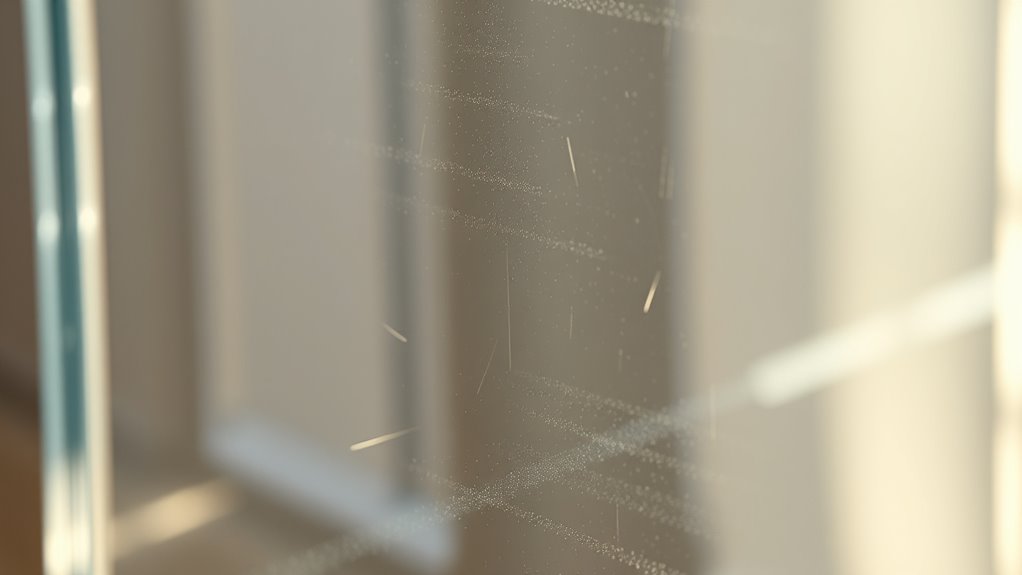
You might notice scratches or cloudiness on your acrylic panels after regular contact or improper handling. Environmental factors like dust, UV exposure, or harsh cleaners can also cause damage over time. Recognizing these common causes helps you prevent future issues and keep your panels looking clear. Additionally, exposure to automated cleaning tools or abrasive materials can accelerate surface deterioration.
Surface Contact and Handling
Many common handling practices can inadvertently cause scratches and cloudiness on acrylic panels. When you touch the surface with unclean or rough gloves, dirt and debris transfer, scratching the material. Using sharp or abrasive tools during cleaning or adjustments can leave marks. Sliding objects across the surface, like keys, tools, or jewelry, can cause micro-scratches over time. Holding panels with bare hands, especially if your skin has oils or dirt, can also contribute to cloudiness. Even improper storage—stacking panels without protection—leads to surface contact that damages the finish. To avoid these issues, always handle acrylic with clean gloves, use soft tools, and support panels properly during movement. Being mindful of contact points helps maintain clarity and prevents unnecessary surface damage. Additionally, proper handling techniques can significantly reduce the risk of surface damage and keep your panels looking clear longer.
Environmental Factors and Damage
Environmental factors play a significant role in causing scratches and cloudiness on acrylic panels. Exposure to certain conditions accelerates damage, making it essential to recognize common culprits. Dust and dirt particles settle on the surface, turning simple contact into scratches when wiped. UV rays from sunlight can degrade the acrylic, leading to cloudiness or yellowing over time. Humidity and moisture promote mold and mildew, which obscure clarity. Additionally, airborne pollutants like smoke or chemicals can cause surface etching or discoloration. To protect your panels, keep them covered or indoors, regularly clean with gentle products, and avoid placing them in direct sunlight or near corrosive substances. Being aware of these environmental threats helps prolong the clarity and integrity of your acrylic panels. Regular maintenance and understanding environmental impact are key to home improvement and ensuring long-lasting beauty.
Preparing Your Workspace and Tools for Safe Cleaning

Before beginning to clean your acrylic panels, it’s essential to prepare a safe and organized workspace. Clear the area of clutter to prevent accidental scratches or damage. Gather soft, non-abrasive cleaning tools like microfiber cloths, gentle sponges, and plastic scrapers if needed. Keep a spray bottle with a mild, acrylic-safe cleaner nearby, along with distilled water for rinsing. Avoid using harsh chemicals or abrasive pads that could scratch or cloud the surface. Ensure good lighting so you can see dust and dirt clearly. If working on a tabletop, lay down a soft towel or mat to cushion the acrylic. Double-check that your hands are clean and free of grease or residue to prevent smudges during cleaning. Proper preparation helps protect your acrylic and makes the cleaning safer and more effective. Additionally, understanding proper maintenance techniques can help preserve its clarity and prevent future scratches.
Gentle Cleaning Techniques to Maintain Clarity
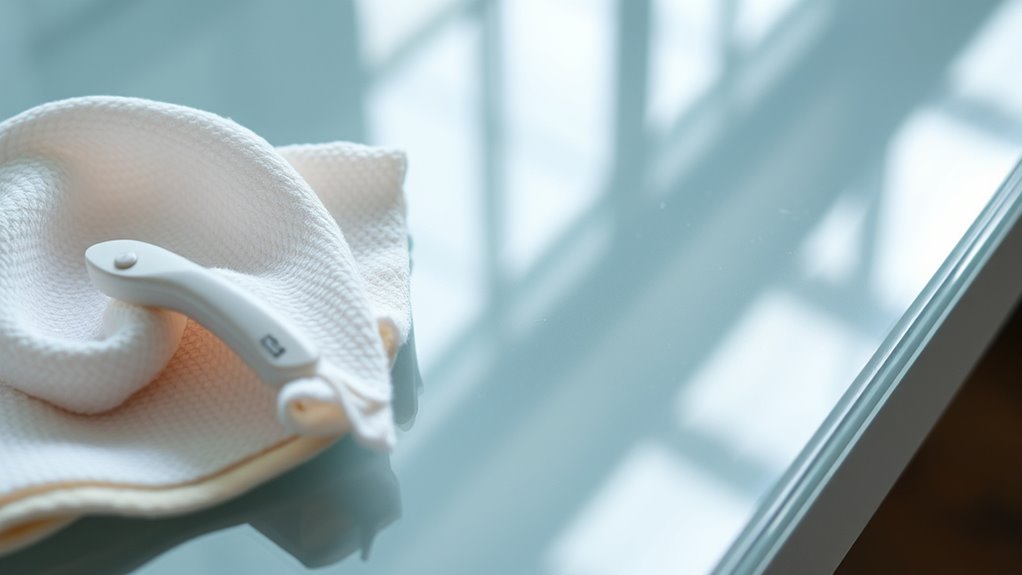
To keep your acrylic panels clear, always use a soft cloth for cleaning. Steer clear of harsh cleaners that can damage the surface. Instead, gently wipe in circular motions to preserve the panel’s clarity and shine.
Use Soft Cloths
Using soft cloths is essential for keeping acrylic panels clear and free from scratches. Hard or abrasive materials can mar the surface, reducing clarity and causing damage. When cleaning, opt for gentle, non-abrasive cloths like microfiber or soft cotton. These materials won’t scratch the acrylic and help lift dust and smudges effectively. To maximize their effectiveness: – Always use a clean cloth to prevent dirt transfer – Gently wipe in a circular motion – Avoid applying excessive pressure – Switch to a fresh section of the cloth if it becomes dirty. This careful approach maintains the panel’s transparency and prevents unwelcome scratches, ensuring your acrylic stays pristine and visually appealing. Additionally, understanding contrast ratio can help in assessing how well your panel displays different images and scenes.
Avoid Harsh Cleaners
Harsh cleaners can damage acrylic panels by causing cloudiness, scratches, or discoloration. Using strong chemicals like ammonia, bleach, or abrasive scrubbers can weaken the surface, making it dull and prone to damage. To keep your panels clear and intact, stick to gentle cleaning methods. Always choose mild, non-abrasive cleaners, and avoid anything with solvents that could break down the acrylic.
| Cleaner Type | Effect on Acrylic | Recommended Use |
|---|---|---|
| Ammonia | Causes cloudiness | Avoid |
| Bleach | Discolors surface | Avoid |
| Alcohol | May cause cracking | Use sparingly with caution |
| Soap & Water | Safe and effective | Ideal for regular cleaning |
| Commercial Acrylic Cleaners | Designed for acrylic | Use as directed |
Stay gentle to preserve clarity.
Gentle Circular Motions
When cleaning acrylic panels, applying gentle circular motions helps prevent scratches and maintain their clarity. This technique reduces the risk of creating micro-abrasions that can dull the surface over time. Use soft, non-abrasive cloths or microfiber towels to guarantee gentle contact. Keep in mind these tips:
- Avoid pressing too hard, let the cloth do the work
- Use a clean cloth for each pass to prevent dirt redistribution
- Work in small sections to control cleaning pressure
- Rinse the cloth frequently to remove debris that could cause scratches
- Be aware that support hours can affect the availability of assistance if issues arise during cleaning.
Effective Methods for Removing Surface Scratches

Surface scratches on acrylic panels can often be minimized or even removed with the right techniques. One effective method is using a mild abrasive, like car polish or a dedicated acrylic scratch remover. Start by cleaning the surface thoroughly to remove dirt and debris. Apply a small amount of the product to a soft, clean cloth and gently buff the scratch in a circular motion. Avoid excessive pressure to prevent worsening the damage. For deeper scratches, you might need to repeat the process a few times. Always test any product on a small, inconspicuous area first to ensure it doesn’t cause additional damage. Patience is key—slow, gentle polishing often yields the best results without compromising the panel’s clarity. Additionally, understanding the surface properties of acrylic can help you choose the most suitable repair method.
Using Commercial Products for Scratch Repair

Using commercial products designed specifically for acrylic scratch repair can be an effective way to restore clarity without professional help. These products are formulated to gently buff out scratches and improve transparency. When selecting a product, look for those labeled for acrylic or plastics, and follow the manufacturer’s instructions carefully. Many kits include a polishing compound, a applicator pad, and a cleaning cloth. Here are some benefits:
- Easy to use, even for beginners
- Quick results with minimal effort
- Often cost-effective compared to professional repair
- Safe when used as directed, reducing risk of further damage
Before applying, verify your panel is clean and free of debris. Using the right product can make a noticeable difference in clarity and appearance, saving you time and money. Proper maintenance and cleaning can also prevent future scratches and keep your acrylic panels looking their best.
Preventative Measures to Protect Acrylic Panels

Protecting your acrylic panels starts with implementing simple preventative measures that can substantially extend their lifespan. First, avoid placing panels in direct sunlight for prolonged periods, as UV exposure can cause discoloration and weakening. Use soft, non-abrasive cleaning tools and gentle cleaners specifically designed for acrylic to prevent scratches during cleaning. Handle panels carefully to prevent accidental drops or impacts, and install them in low-traffic areas when possible. Consider applying a protective film during installation, which can be removed later to reveal a scratch-free surface. Keep panels away from harsh chemicals and abrasive materials that can damage the surface. Regularly inspecting and maintaining your acrylic ensures it stays clear, durable, and visually appealing for years to come. Additionally, understanding the importance of environmental considerations can help you adopt practices that promote sustainability and protect the surrounding ecosystem.
Tips for Long-Term Maintenance and Shine Preservation
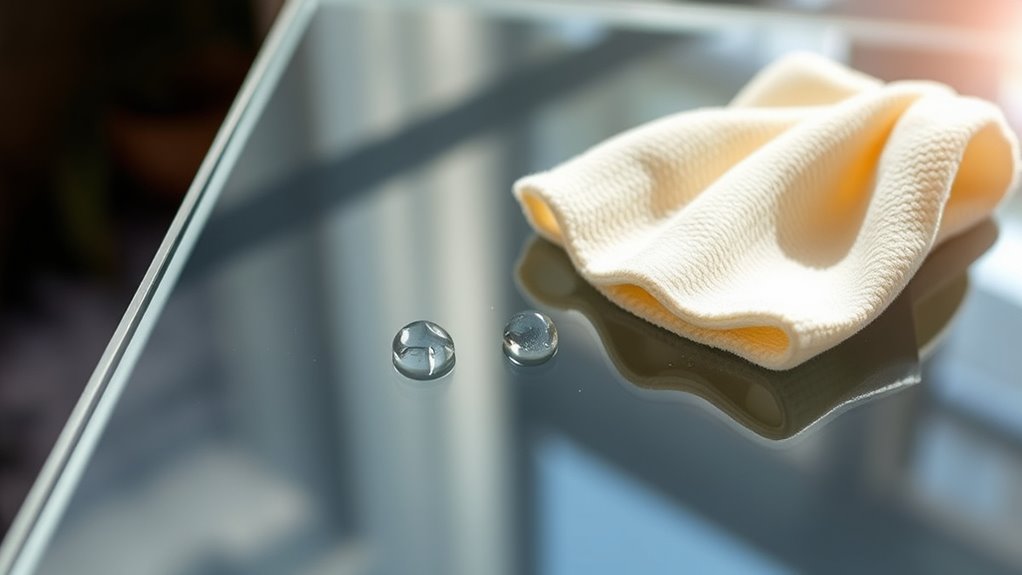
Maintaining the clarity and shine of your acrylic panels over time requires consistent care and attention. To keep them looking new, establish simple habits that protect their surface. Regularly clean with a soft, damp cloth to remove dust and dirt without scratching. Avoid harsh chemicals that can degrade the material’s clarity. Apply a specialized acrylic polish periodically to restore shine and provide a protective layer. Store panels away from direct sunlight to prevent UV damage. Be mindful of sharp objects or abrasive materials that can cause scratches. Consider using a microfiber cloth for delicate cleaning, and always handle panels with clean hands to prevent smudges. By following these tips, your acrylic panels will stay vibrant, clear, and well-maintained for years to come.
Frequently Asked Questions
How Often Should I Clean My Acrylic Panels to Prevent Scratches?
You should clean your acrylic panels regularly, ideally once a week, to prevent scratches and maintain clarity. Use a soft, non-abrasive cloth and a gentle cleaner specifically designed for acrylic surfaces. Avoid harsh chemicals or rough materials that can cause scratches. Regular cleaning removes dust, dirt, and debris that could scratch the surface over time. Consistent maintenance keeps your panels clear and in excellent condition, extending their lifespan.
Can I Use Household Cleaning Products on Acrylic Panels Safely?
Think of household cleaning products as the wolf in grandma’s story—tempting but risky. You can’t safely use them on acrylic panels, as they often contain harsh chemicals that cause damage over time. Instead, opt for mild soap and water or specially formulated acrylic cleaners. Gently wipe with a soft cloth, avoiding abrasive materials. This way, your panels stay clear, scratch-free, and beautifully transparent, just like a fairy tale ending.
Are There Environmentally Friendly Options for Scratch Removal?
Yes, there are eco-friendly options for scratch removal. You can try using a paste made from baking soda and water, gently rubbing it on the scratch with a soft cloth. Alternatively, applying a small amount of olive oil or mineral oil can help diminish the appearance of minor scratches. Always test these methods on a hidden area first to ensure they won’t damage your acrylic panel.
How Do Temperature Changes Affect Acrylic Panel Durability?
Temperature changes can considerably impact your acrylic panels’ durability. When exposed to extreme heat, the material may warp, soften, or become more prone to scratches and cracks. Cold temperatures can make acrylic brittle, increasing the risk of cracking if handled roughly. To protect your panels, avoid sudden temperature shifts, keep them away from direct sunlight or heat sources, and store them in stable environments to maintain their clarity and strength.
What Are the Signs That a Scratch Repair Has Been Successful?
You’ll know your scratch repair succeeded when the scratch disappears, the surface looks smooth, and clarity is restored. Check if the repaired area blends seamlessly with the surrounding acrylic, avoiding visible marks or unevenness. Feel for a consistent surface texture, ensuring no rough spots remain. Finally, observe the panel under proper lighting—if it shines and remains transparent without catching the eye, your repair has been effective.
Conclusion
With the right care, your acrylic panels can stay clear and scratch-free for years. Don’t worry if you notice a few marks—they’re fixable with gentle techniques or commercial products. Regular cleaning and preventative measures make all the difference, saving you money and hassle. Even if you’re concerned about damaging the surface, following these simple tips guarantees your panels remain pristine. Keep up with maintenance, and you’ll enjoy their clarity without stress or costly replacements.