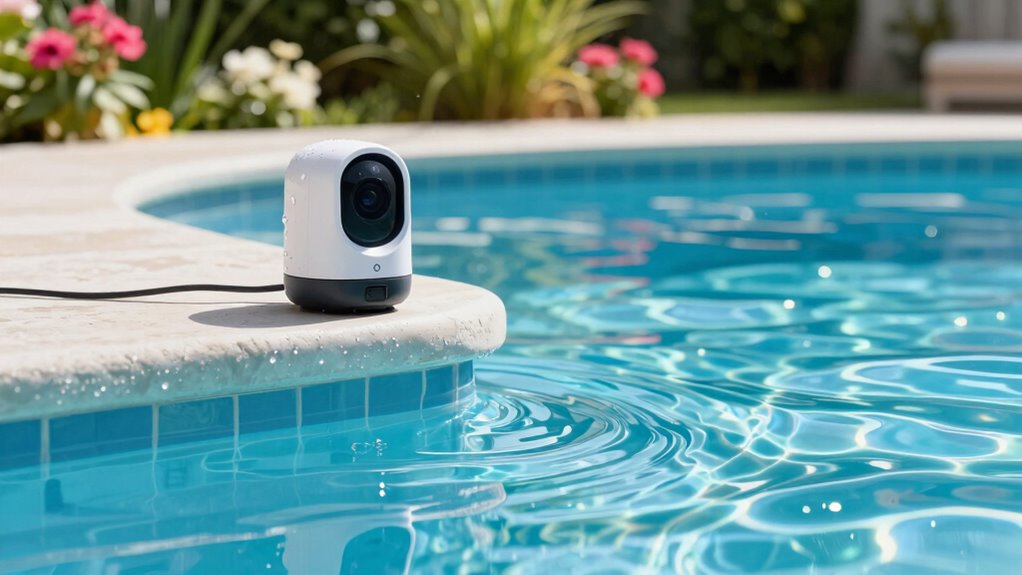
Automated pool monitoring is catching on because it saves you time and money by automatically managing water quality, temperature, and chemical levels. It uses sensors to track parameters in real time, helping you make quick adjustments and avoid wasteful practices. Plus, it controls equipment efficiently, reduces energy costs, and conserves water with smart scheduling. If you’re curious about how it can transform your pool care, you’ll discover more advantages as you explore further.

Get cleaning gear delivered free with Prime
- Fast, free delivery on millions of items
- Prime Video, Amazon Music and more included
- Member-only deals all year
Key Takeaways
- It offers real-time data for quick adjustments, ensuring safer and better-maintained pool water.
- Automated control reduces energy consumption and prolongs equipment lifespan through precise operation scheduling.
- It promotes water conservation by optimizing chemical use and suggesting efficient backwash times.
- Integration of smart technology allows for more accurate water chemistry management and sustainable practices.
- Increased convenience and cost savings make automated monitoring increasingly attractive to pool owners.
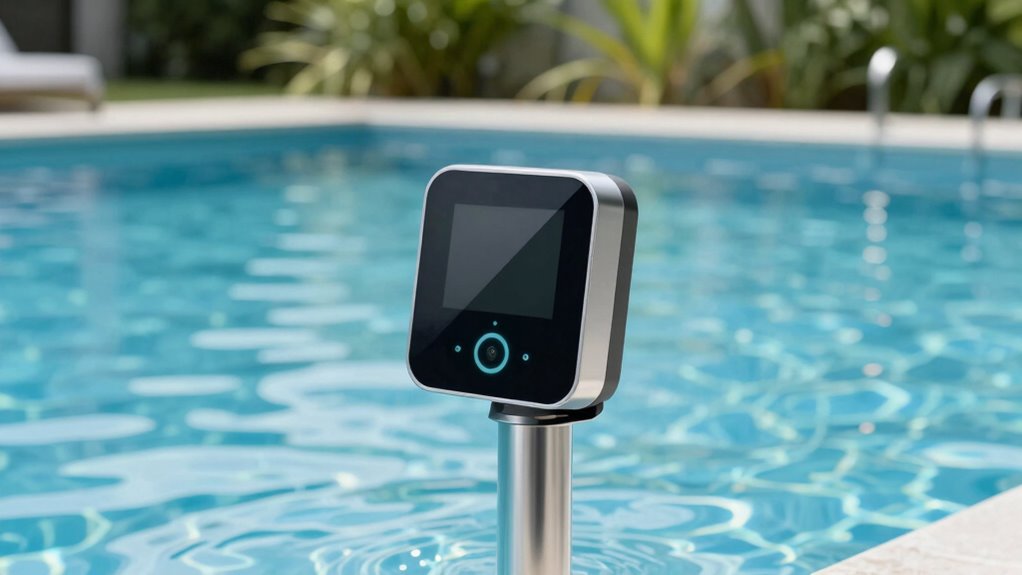
Automated pool monitoring systems are transforming how you maintain and enjoy your pool by providing real-time data on water quality, temperature, and chemical levels. This technology allows you to stay on top of your pool’s needs without constant manual checks, making your maintenance routine more efficient and less stressful. With sensors that track pH, chlorine, and other chemical levels, you can adjust treatments promptly, ensuring your water stays clean and safe. These systems also monitor water temperature, helping you optimize heating schedules and avoid unnecessary energy use. As a result, you save money on energy bills and reduce your environmental impact.
One of the biggest reasons these systems are catching on is their ability to promote energy efficiency. By precisely controlling pool equipment—like pumps and heaters—you avoid running them longer than necessary. For example, if your system detects that the water temperature is already at your desired level, it automatically turns off the heater, preventing wasteful energy consumption. This smart regulation not only cuts down on electricity costs but also extends the lifespan of your equipment. Additionally, automated controls help you schedule filtration and heating during off-peak hours, further reducing your energy footprint and making your pool operation more sustainable. Incorporating smart technology into pool maintenance is making these systems even more effective. Moreover, the integration of water chemistry data enhances your ability to maintain balanced water, reducing chemical waste and ensuring safer swimming conditions.
Water conservation is another key benefit driving the adoption of automated pool monitoring. Traditional methods often lead to over-application of chemicals or unnecessary backwashing, which wastes water. With real-time data, you can fine-tune chemical levels, avoiding excess use that could require frequent drainage and refilling. Some systems even suggest ideal backwash times, so you only use water when it’s truly needed. This precise approach minimizes water wastage and supports your efforts to be environmentally responsible. Furthermore, by maintaining proper water chemistry, you reduce the likelihood of water needing to be drained and replaced due to imbalance or algae growth, saving gallons of water over time. Incorporating automated monitoring also enhances your understanding of pool chemistry, enabling more accurate and responsible maintenance practices. Additionally, using this technology encourages a sustainable approach to pool care, aligning with eco-friendly living practices.
In essence, automated pool monitoring systems enable you to manage your pool more intelligently. They streamline maintenance, improve energy efficiency, and promote water conservation—all while giving you peace of mind. As more pool owners discover these advantages, it’s clear why this technology is quickly gaining popularity. It’s not just about keeping your pool clean; it’s about doing so in a way that’s smarter, more sustainable, and more cost-effective. With the right system, you turn pool maintenance from a chore into a simple, automated process that keeps your water perfect and your environment protected.
automated pool water chemistry monitor
As an affiliate, we earn on qualifying purchases.
As an affiliate, we earn on qualifying purchases.
Frequently Asked Questions
How Accurate Are Automated Pool Monitoring Systems?
Automated pool monitoring systems are quite accurate when properly calibrated, giving you reliable water data. Regular sensor calibration guarantees measurements stay precise, so you can trust the system’s readings. Plus, these systems prioritize data security, protecting your information from breaches. While no system is perfect, with proper maintenance and security measures, automated monitoring offers consistent, accurate insights to keep your pool safe and balanced.
What Is the Typical Installation Process?
Think of installing an automated pool monitor as planting a vigilant guardian in your backyard oasis. You’ll start by choosing a strategic spot, then connect sensors that keep an eye on water chemistry and pool safety. The process involves simple mounting and plugging in the device, turning it into a seamless part of your pool routine. Soon, you’ll enjoy a smarter, safer swim, with peace of mind as your constant companion.
Are There Any Ongoing Maintenance Requirements?
You’ll find that ongoing maintenance mostly involves monitoring chemical balancing and cleaning the filter regularly. Automated systems help you keep chemical levels steady, reducing manual testing, but you should still check and adjust as needed. Additionally, filter cleaning is essential to guarantee proper water flow and clarity. These tasks are straightforward, and automation makes them easier, helping you maintain a clean, safe, and inviting pool with minimal effort.
How Do These Systems Integrate With Existing Pool Equipment?
Think of your pool as a symphony, where each instrument must harmonize perfectly. Automated pool monitoring systems integrate seamlessly with your existing equipment, syncing with filters, pumps, and chemical feeders. They monitor water quality and enhance pool safety by providing real-time data, allowing you to act swiftly. This integration simplifies maintenance, guarantees consistent water clarity, and keeps your pool environment safe and inviting, like a well-conducted orchestra.
What Is the Cost Comparison With Manual Monitoring?
Automated pool monitoring systems often cost more upfront than manual methods, but they deliver significant cost efficiency over time. You save on labor because these systems continuously track water quality, reducing the need for frequent manual checks and chemical adjustments. The long-term savings in labor and the improved accuracy make automation a smarter investment, especially if you value consistent pool maintenance without the hassle of manual oversight.
smart pool temperature controller
As an affiliate, we earn on qualifying purchases.
As an affiliate, we earn on qualifying purchases.
Conclusion
You won’t believe how automated pool monitoring transforms your backyard into a paradise. With real-time alerts and effortless control, you’ll stay ahead of any water issues before they turn into disasters. It’s like having a personal pool expert at your fingertips—saving you time, money, and headaches. As the technology continues to evolve at lightning speed, embracing automation isn’t just smart; it’s essential for turning your pool into the ultimate oasis. Don’t get left behind—upgrade today!
automatic pool chemical dispenser
As an affiliate, we earn on qualifying purchases.
As an affiliate, we earn on qualifying purchases.
pool energy saving automation system
As an affiliate, we earn on qualifying purchases.
As an affiliate, we earn on qualifying purchases.
Fall Picks
fall essentials
As an affiliate, we earn on qualifying purchases.