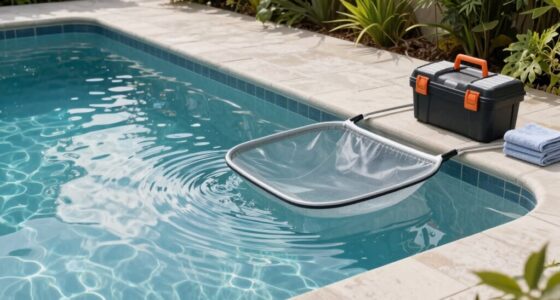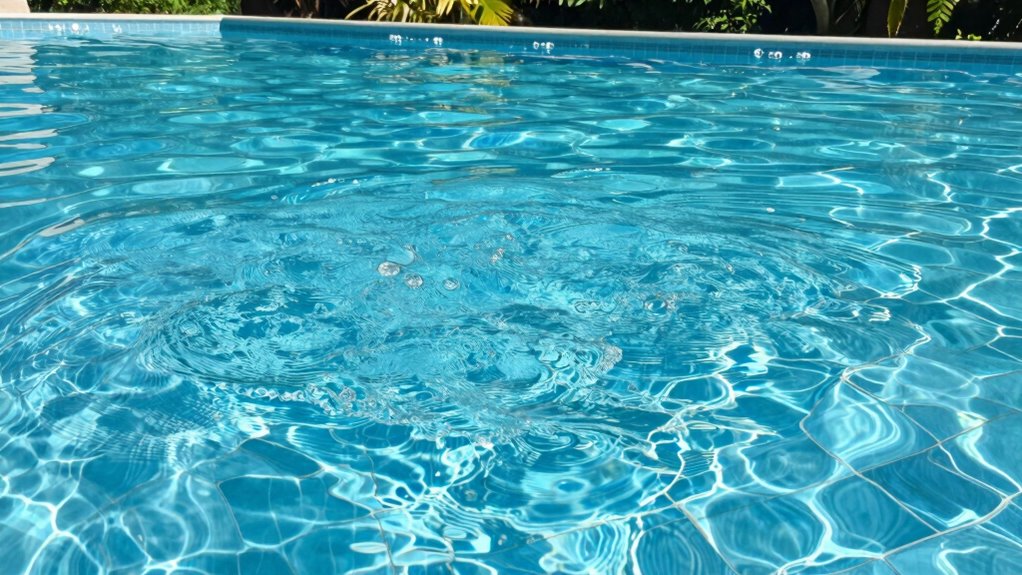

For your premium pool, better water movement is key to keeping water clear, healthy, and inviting. It guarantees debris is kept at bay, contaminants don’t settle, and chemicals distribute evenly. Efficient circulation also supports energy savings and reduces strain on your equipment, prolonging its lifespan. With improved flow, your pool stays pristine and well-maintained. To discover how advanced water movement techniques can transform your pool experience, explore further insights below.

Get cleaning gear delivered free with Prime
- Fast, free delivery on millions of items
- Prime Video, Amazon Music and more included
- Member-only deals all year
Key Takeaways
- Improved water movement enhances the aesthetic appeal by maintaining clear, inviting water and preventing debris buildup.
- Effective circulation ensures better filtration, reducing algae growth and improving overall water quality.
- Energy-efficient pumps promote uniform chemical and heat distribution, leading to healthier, more balanced water.
- Consistent water flow reduces strain on equipment, extending the lifespan of pumps and filters.
- Better circulation minimizes chemical use and environmental impact, supporting sustainable pool management.
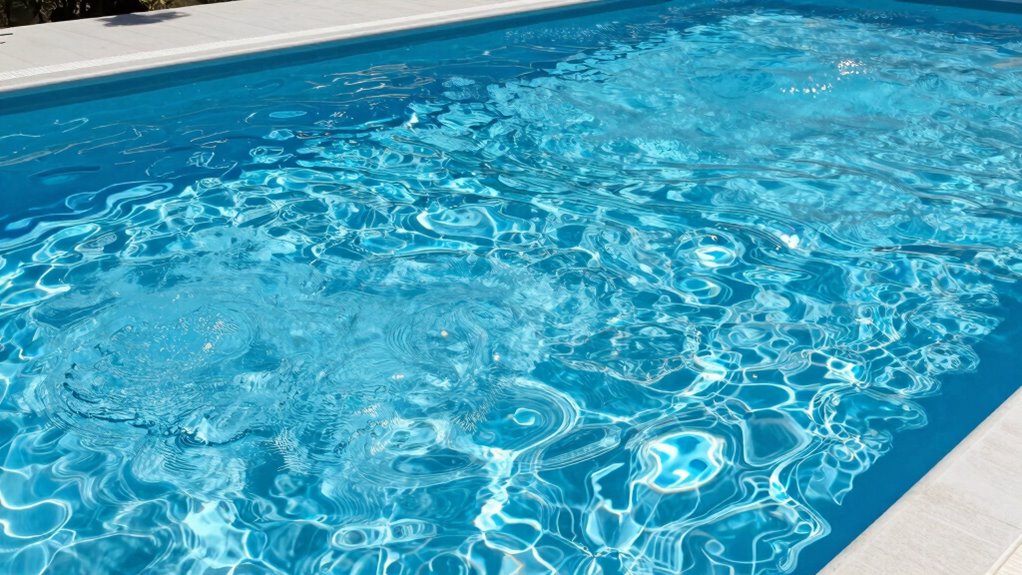
Premium pools stand out not just for their luxury features but also for their innovative water movement systems that enhance both aesthetics and functionality. When you invest in a high-end pool, you’re not just paying for beautiful design or upscale finishes—you’re also guaranteeing the water stays clean, clear, and inviting. Water movement plays a vital role here. It’s the engine behind effective water circulation, which keeps the pool constantly refreshed and prevents stagnation. Without proper water circulation, debris and contaminants settle at the bottom, making your pool look dull and increasing the risk of algae growth. That’s why premium pools come equipped with advanced circulation systems that distribute chemicals evenly and promote continuous movement.
Premium pools feature innovative water movement systems that keep water clean, clear, and beautifully circulated.
You’ll notice that enhanced water circulation isn’t just about looks; it directly impacts filtration efficiency. When water flows consistently and smoothly through the filtration system, it filters out dirt, bacteria, and other impurities more effectively. This means less maintenance on your part and better water quality overall. Premium pools often feature strategically placed inlets and outlets that maximize flow patterns, ensuring every corner of your pool gets adequate circulation. This design prevents dead spots—areas where water tends to stagnate—which are the breeding grounds for algae and bacteria. Proper water movement is essential for maintaining a healthy swimming environment. Additionally, the integration of energy-efficient pumps ensures that these systems operate sustainably, reducing ongoing costs. An understanding of water flow dynamics can help optimize your pool’s circulation setup for even better results.
Moreover, superior water movement systems utilize energy-efficient pumps that operate quietly while maintaining ideal flow rates. This not only conserves electricity but also ensures your pool remains operational without disruptive noise. When water moves properly, the filtration system can work at its best, removing particles before they settle or cause cloudiness. Proper circulation techniques can further enhance water quality by promoting uniform distribution of chemicals and heat, contributing to a more comfortable swimming experience. As a result, you enjoy clearer, cleaner water with less chemical use—saving you money and reducing your environmental footprint. Implementing advanced circulation technology can significantly improve overall water quality and system longevity.
In addition, better water movement contributes to the longevity of your pool equipment. Consistent circulation reduces strain on the pump and filters, preventing premature wear and tear. It also helps maintain the chemical balance, as evenly distributed chemicals work more efficiently, reducing the need for frequent adjustments. When you prioritize effective water movement, you’re investing in the durability of your entire pool system, ensuring it runs smoothly for years to come.
Products Worth Considering

Dyson V8 Cordless Vacuum

Roborock F25 BX Cordless Wet/Dry Vacuum Cleaner

Roborock F25 GT Gen 2 Cordless Wet-Dry Vacuum Mop
As an affiliate, we earn on qualifying purchases.
Frequently Asked Questions
How Does Water Movement Affect Chlorine Efficiency in Pools?
Water movement directly impacts chlorine efficiency by promoting even chemical distribution, preventing stagnant zones where algae can thrive. When your pool’s water circulates well, chlorine disperses uniformly, effectively disinfecting surfaces and controlling bacteria. Good circulation also enhances algae prevention, making it harder for algae to settle and grow. So, maintaining proper water movement guarantees your chlorine works effectively, keeping your pool clean, clear, and safe for swimmers.
What Types of Pumps Are Best for Premium Pools?
Imagine a trusty steed, ready to carry you through a quest—your pool pump should be just as reliable. For premium pools, variable speed pumps are your best bet; they’re energy-efficient and provide customizable flow. Regular pump maintenance keeps it running smoothly, while a compatible filter selection guarantees ideal water movement. This combo keeps your pool crystal clear, saving you money and effort while elevating your swimming experience.
How Often Should Water Be Circulated for Optimal Clarity?
You should circulate your pool water at least once every 8 hours for ideal clarity. Regular circulation helps maintain proper chemical balance and prevents stagnation. Keep an eye on water temperature, as warmer water may require more frequent circulation to avoid algae growth. Consistent movement ensures chemicals distribute evenly, improves filtration, and keeps your pool crystal clear. Adjust circulation schedules based on usage, weather, and water conditions for the best results.
Can Poor Water Movement Cause Equipment Damage?
Poor water movement can indeed cause equipment damage. Studies show that stagnant water increases the risk of chemical imbalance and algae growth, which strain your pool’s filtration and pump systems. When water isn’t circulating properly, debris and algae can clog equipment parts, leading to corrosion or breakdowns. Regular water movement guarantees balanced chemicals, prevents algae, and protects your pool equipment, saving you costly repairs and keeping your pool sparkling clean.
What Are Signs of Inadequate Water Flow in a Pool?
You notice algae growth on the pool walls or a smell of stagnant water, indicating inadequate water flow. If the water isn’t circulating properly, debris can settle, and algae can thrive. You might also see uneven water temperature or cloudiness. These signs point to poor circulation, which can lead to further issues. Ensuring good water movement keeps your pool clean, clear, and prevents algae buildup.
Conclusion
So, next time you marvel at your pristine, luxurious pool, remember that all that beauty depends on good water movement. It’s ironic how something as simple as circulation can make or break your experience—yet often gets overlooked. Without proper flow, your sparkling oasis becomes just an illusion of perfection. So, don’t let complacency turn your premium pool into a stagnant pond. Keep the water moving, and enjoy the true luxury it’s meant to deliver.