
Heat pumps are transforming how you heat your pool by offering a cost-effective, eco-friendly solution that pulls heat from the surrounding air. They use less energy than traditional heaters, saving you money while reducing your carbon footprint. Easy to install and maintain, they work well in warmer climates and smaller spaces. As technology advances, heat pumps become even more efficient and sustainable. If you want to understand how these innovations are shaping pool heating, keep exploring the possibilities.

Get cleaning gear delivered free — and shop member deals
- Fast, free delivery on millions of items
- Access to Prime Big Deal Days deals on October 6–7
- Prime Video, Amazon Music and more included
Key Takeaways
- Heat pumps offer energy-efficient, eco-friendly pool heating, reducing operational costs and environmental impact.
- Technological advancements improve efficiency, durability, and accessibility, transforming traditional pool heating methods.
- High initial investment is offset by long-term savings on energy bills.
- They require less space and maintenance, making them suitable for various pool sizes and settings.
- Growing environmental awareness drives adoption of sustainable, renewable-powered pool heating solutions.
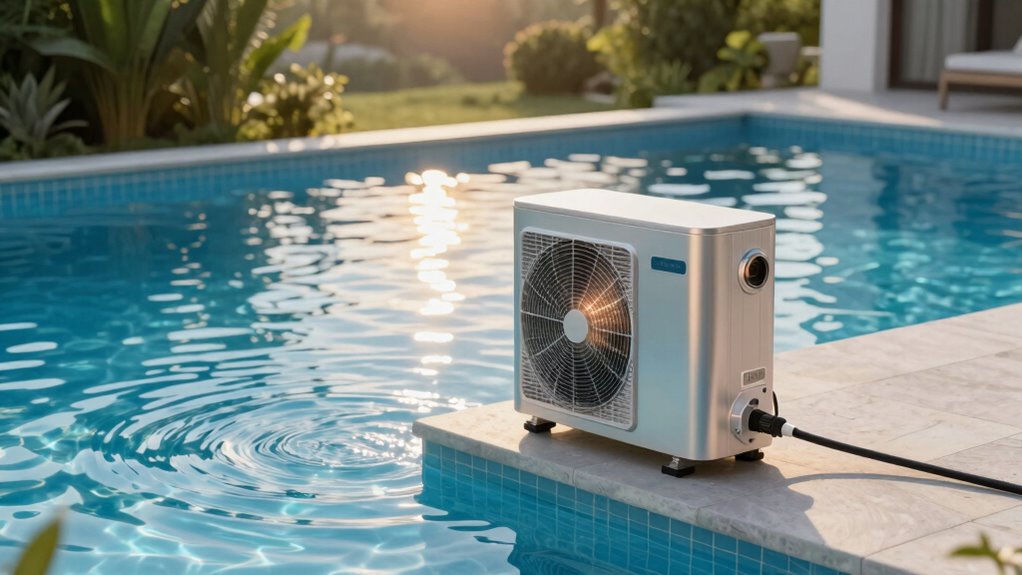
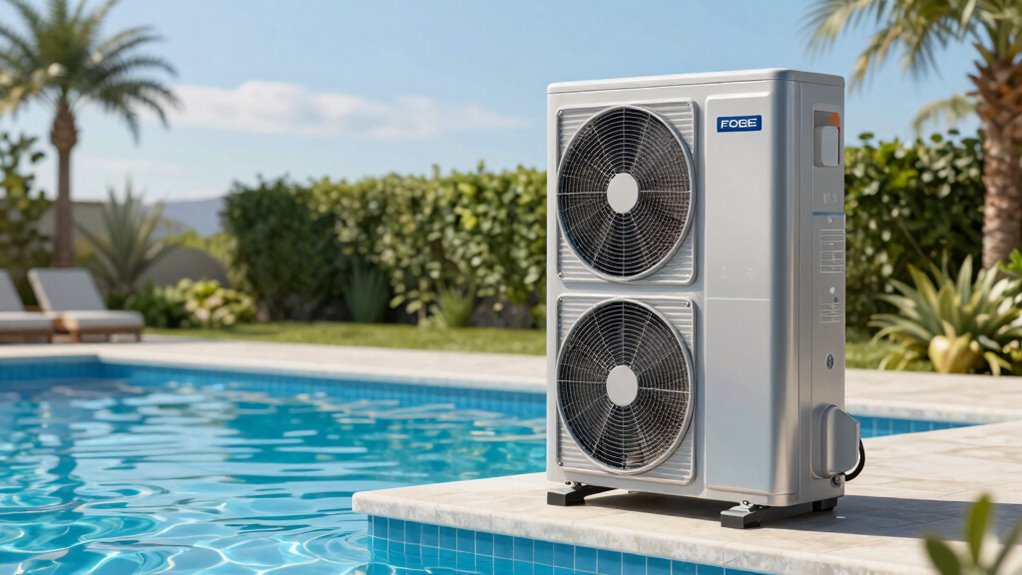
Heat pumps are revolutionizing the way you heat your pool by offering an energy-efficient and cost-effective alternative to traditional systems. Instead of relying on electric or gas heaters that burn fuel directly, heat pumps extract heat from the surrounding air and transfer it to your pool water. This process makes them much more energy-efficient, especially in moderate climates, because they use less power to generate the same amount of heat. As a result, you’ll notice lower electricity bills and a smaller carbon footprint, making heat pumps an attractive choice for environmentally conscious pool owners.
Heat pumps offer an energy-efficient, eco-friendly way to heat your pool, reducing costs and carbon footprint.
One of the main advantages of switching to a heat pump is its impressive energy efficiency. Unlike traditional pool heaters that consume large amounts of energy to produce heat directly, heat pumps leverage ambient air, which means they can provide the same warmth for a fraction of the cost. This efficiency becomes even more apparent during the warmer months when the air temperature is higher. You’ll find that your pool stays comfortably warm without the high energy costs that come with gas or electric resistance heaters. Over time, this efficiency translates into significant savings, especially if you keep your pool heated for extended periods.
When it comes to installation costs, heat pumps tend to have a higher upfront price than some traditional heaters. However, the initial investment often pays off quickly because of their lower operating expenses. Installing a heat pump involves setting up the unit outside near your pool, connected to your existing plumbing and electrical system. While the setup might seem complex, many professionals can complete the installation efficiently, and the process usually takes less time than installing traditional systems. It’s important to evaluate that the long-term savings on energy bills can offset the initial costs within just a few seasons. Additionally, heat pumps are considered a sustainable pool heating option because they utilize renewable energy sources from the environment. Being aware of climate considerations can help determine if a heat pump is the optimal choice for your location. Incorporating advances in technology further enhances their efficiency and durability, making them an increasingly popular choice.
Another factor to keep in mind is that heat pumps generally require less space than traditional heaters, making them suitable even for smaller pool areas. They are also typically easier to maintain because they have fewer moving parts and don’t rely on combustion processes. As you deliberate your options, remember that the overall cost-effectiveness of a heat pump depends on your climate, pool size, and how often you plan to heat your pool. But one thing is clear: heat pumps are quickly changing the pool heating conversation by making efficient, sustainable, and cost-effective heating more accessible for homeowners like you.
As an affiliate, we earn on qualifying purchases.
Frequently Asked Questions
How Do Heat Pumps Compare in Cost to Traditional Pool Heaters?
Heat pumps tend to be more cost-effective than traditional pool heaters over time because of their energy efficiency. While installation costs for heat pumps can be higher initially, they save you money on energy bills because they use less power. Traditional heaters may seem cheaper upfront, but their higher operating costs make heat pumps a smarter, more economical choice in the long run.
Are Heat Pumps Effective in Extremely Cold Climates?
Imagine your pool as a cozy oasis, even in winter’s grip—that’s what heat pumps can do, even in cold climates. While their energy efficiency drops in freezing temps, advances keep them working better than before. They’re eco-friendly, reducing environmental impact by consuming less power. Although not perfect for extreme cold, they still offer a reliable, greener way to enjoy your pool year-round, making winter swimming a real possibility.
What Is the Typical Lifespan of a Pool Heat Pump?
A typical pool heat pump lasts around 10 to 15 years, depending on maintenance and usage. With proper care, you’ll benefit from its energy efficiency, saving you money on power bills. Plus, heat pumps have a lower environmental impact compared to traditional heaters, making them an eco-friendly choice. Regular cleaning and seasonal checks guarantee you’ll enjoy consistent warmth and extend your heat pump’s lifespan.
Do Heat Pumps Require Special Maintenance or Repairs?
Like a well-oiled machine, your heat pump needs regular upkeep to stay efficient. You don’t need any fancy tools—just basic maintenance, such as cleaning filters and checking for leaks. Thanks to technological advancements, efficiency improvements mean fewer repairs. While occasional repairs might be necessary, they’re usually simple. Stay proactive with routine checks, and your heat pump will run smoothly, saving you money and extending its lifespan.
Can Heat Pumps Be Used for Both Indoor and Outdoor Pools?
Yes, you can use heat pumps for both indoor and outdoor pools. Their indoor installation makes them ideal for enclosed spaces, providing efficient heating without emissions. For outdoor pools, they offer great versatility, adapting to varying weather conditions. Their outdoor versatility allows you to extend your swimming season comfortably. Whether indoors or outdoors, heat pumps deliver energy-efficient, reliable heating, making them a smart choice for any pool setup.
As an affiliate, we earn on qualifying purchases.
Conclusion
As you embrace heat pumps, you’ll find pool heating transforming from a chore into a breeze. These devices are the game-changers, turning chilly dips into warm, inviting escapes with the ease of flipping a switch. Like a gentle tide, heat pumps bring a steady, reliable flow of comfort, making every swim season feel endless. So, jump in and let these innovative heaters turn your pool into your personal paradise—where warmth flows as effortlessly as your favorite song.
As an affiliate, we earn on qualifying purchases.
As an affiliate, we earn on qualifying purchases.
Fall Picks
fall essentials
As an affiliate, we earn on qualifying purchases.