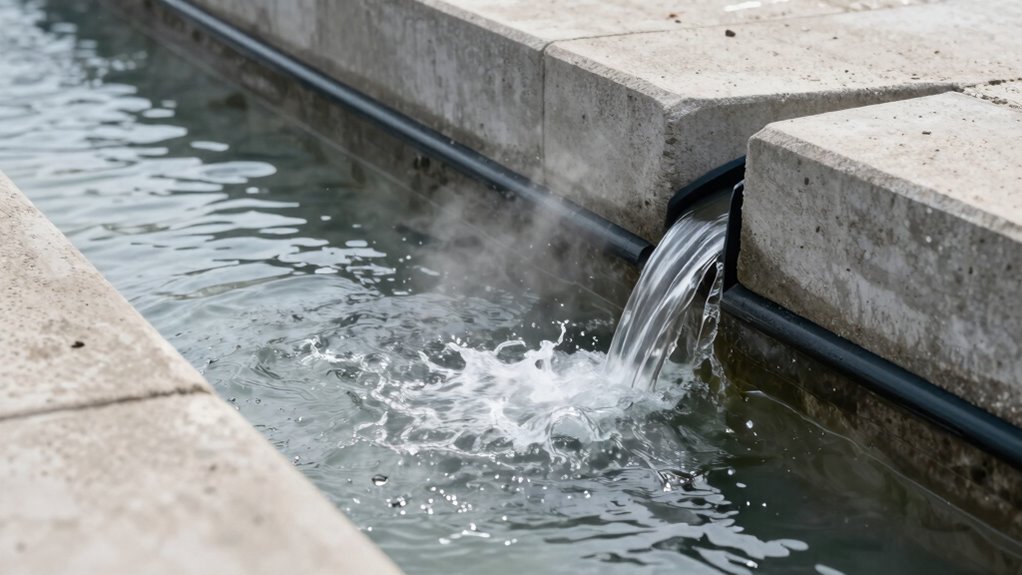
To reduce splash-out around edges and spillways, you should control water flow with adjustable valves and pump speed, ensuring it’s not too fast or slow. Use impact-absorbing materials like rubber or textured tiles to soften water impact. Slightly angle spillways downward and position them carefully to direct water smoothly. Regularly maintain your system, clear debris, and tweak flow rates as needed. Want to discover more effective techniques? Keep exploring for detailed tips.

Get cleaning gear delivered free with Prime
- Fast, free delivery on millions of items
- Prime Video, Amazon Music and more included
- Member-only deals all year
Key Takeaways
- Adjust water flow rates with valves and pumps to maintain steady, controlled flow and minimize turbulence.
- Use softer, textured, or impact-absorbing materials on edges and spillways to reduce splash impact.
- Slightly angle spillways downward and position them to direct water smoothly, reducing turbulence.
- Regularly inspect and maintain system components to ensure proper flow regulation and effective splash control.
- Incorporate buffers like gravel, sand, or spillway liners to break water momentum and absorb impact.
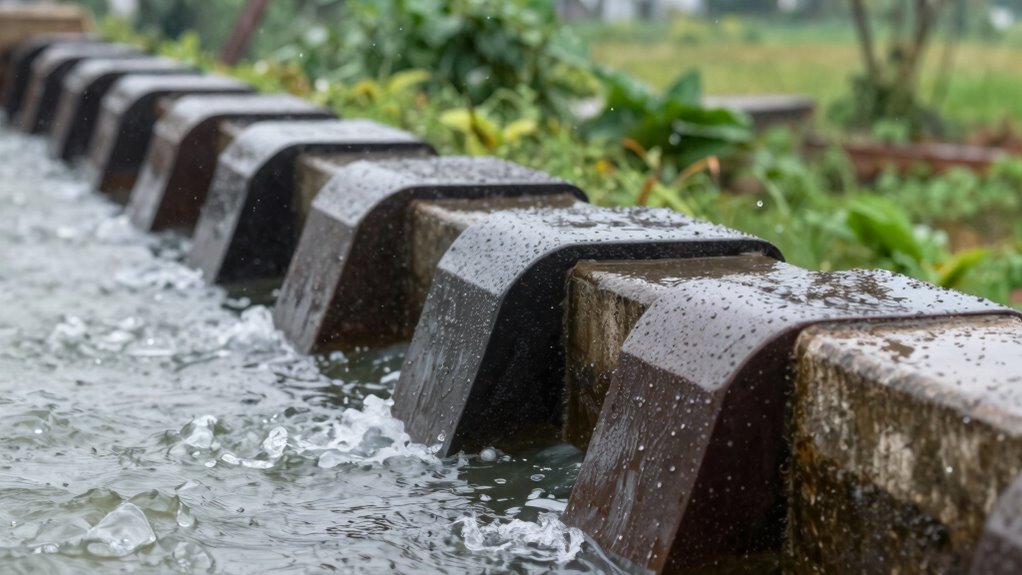
Splash-out can be frustrating, but there are simple ways to minimize it and keep your space tidy. When water spills over edges or spillways, it’s often due to poor water flow regulation or unsuitable edge surface materials. Understanding how to manage these elements can make a big difference.
Start by focusing on water flow regulation. If the water moves too quickly or unpredictably, it’s more likely to splash out. Installing adjustable flow valves or controlling the pump speed can help you maintain a steady, controlled flow. This not only reduces splashing but also prevents unnecessary water loss. When you regulate the flow properly, the water hits the spillway or edge surface at a gentler angle, decreasing the chances of it splashing out of bounds. It’s all about maintaining a balance—too fast, and you risk overspill; too slow, and the water might stagnate or cause other issues. Proper water flow regulation is essential for optimal splash control. Additionally, experimenting with different flow rates can help you find the most effective setting for your specific setup.
Regulate water flow with valves or pump speed for a controlled, splash-reducing stream.
Next, consider the edge surface materials. The surface where water flows or spills over plays an essential role in how splash-out occurs. Smooth, hard surfaces like glass or polished stone tend to cause more splashing because the water hits them with force and disperses in multiple directions. Instead, opt for softer, more absorbent materials such as rubber, textured tiles, or specially designed spillway liners. These surfaces absorb some of the impact, reducing the force of the water and minimizing splashes. For outdoor setups, gravel or sand can also act as effective buffers, breaking the water’s momentum and keeping splashes contained. Incorporating edge surface materials that absorb impact can significantly improve splash control.
Furthermore, the positioning of the spillway or edge can influence splash-out. If possible, angle the spillway slightly downward or incorporate a gradual slope. This change in design directs the water’s flow more smoothly, reducing turbulence and splash. Combining this with appropriate surface materials makes the water flow more controlled and less prone to splashing over the sides. Regular inspecting and maintaining these adjustments ensures they continue to perform effectively over time. It’s also helpful to keep an eye on the water flow dynamics to adapt your setup as needed.
Additionally, understanding water flow regulation and the impact of flow speed can help prevent splashes from occurring in the first place. Regular maintenance and adjustments are essential. Over time, debris can block or alter the flow, increasing splash risks. Keep your spillways clear and periodically check the water flow regulation system to guarantee it’s working effectively. Small tweaks in flow speed and surface materials can considerably reduce splash-out, keeping your space cleaner and more organized. With a little attention to detail, you’ll find that managing splash-out becomes easier, and your setup remains neat and functional.
adjustable inline water flow control valve for pond pump
As an affiliate, we earn on qualifying purchases.
As an affiliate, we earn on qualifying purchases.
Frequently Asked Questions
What Materials Are Best for Spillway Edge Protection?
You should choose durable materials like reinforced concrete or steel for spillway edge protection. These materials provide excellent material resilience and withstand harsh water forces. Using reinforced concrete with proper edge reinforcement ensures the spillway edges resist erosion and impact. Steel offers high strength and flexibility, ideal for reinforcing edges. Selecting these materials helps maintain spillway integrity, reduces splash-out, and prolongs the lifespan of your water control structures.
How Does Water Flow Rate Affect Splash-Out?
Imagine water rushing over the spillway like a wild horse, its flow velocity dictating the chaos. When the flow rate increases, water turbulence intensifies, causing more splash-out around edges. Faster flow creates high-energy impacts against the spillway surface, scattering droplets far and wide. To minimize splash-out, controlling flow velocity and reducing turbulence becomes essential, ensuring a smoother, safer discharge and less erosion around the spillway edges.
Can Landscaping Help Minimize Splash-Around Spillways?
Yes, landscaping can help minimize splash-around spillways. By enhancing landscaping aesthetics, you create natural barriers that absorb and slow water flow, reducing splash-out. Incorporating plants for erosion control stabilizes soil around spillways, preventing washouts and minimizing water displacement. Strategic placement of shrubs, ground covers, and rocks not only enhances visual appeal but also effectively manages water movement, lowering the risk of spillover and splash-out during heavy flows.
Are There Specific Design Features to Reduce Splash-Out?
A stitch in time saves nine, so focus on design features that minimize splash-out. You should incorporate erosion control measures like riprap or concrete aprons and guarantee structural reinforcement around spillways. These features help absorb energy and prevent water from splashing beyond the spillway edges. Properly designed weirs, boulders, or stepped spillways also distribute flow more evenly, reducing splash and erosion, and ultimately protecting your structure from damage.
How Often Should Spillway Seals Be Inspected or Replaced?
You should inspect spillway seals regularly, ideally every 6 to 12 months, depending on usage and environmental conditions. Maintenance schedules must include checking sealing techniques for signs of wear, cracking, or deterioration. Replace seals promptly if you notice leaks or damage to prevent water loss and structural issues. Proper inspection and timely replacement guarantee the spillway functions efficiently, reducing splash-out and maintaining overall dam safety.
variable speed controller for pond water pump
As an affiliate, we earn on qualifying purchases.
As an affiliate, we earn on qualifying purchases.
Conclusion
By implementing these splash-out reduction tips, you’ll create a safer, cleaner environment around spillways and edges. Some might think it’s too much effort, but the small adjustments make a big difference in preventing messes and water waste. Plus, it’s an easy way to protect your landscape and structures. So don’t hesitate—taking these simple steps now will save you time and hassle later. You’ll be glad you made the effort!
rubber spillway liner for pond waterfall splash control
As an affiliate, we earn on qualifying purchases.
As an affiliate, we earn on qualifying purchases.
textured pond waterfall spillway tiles
As an affiliate, we earn on qualifying purchases.
As an affiliate, we earn on qualifying purchases.
Halloween Picks
halloween
As an affiliate, we earn on qualifying purchases.