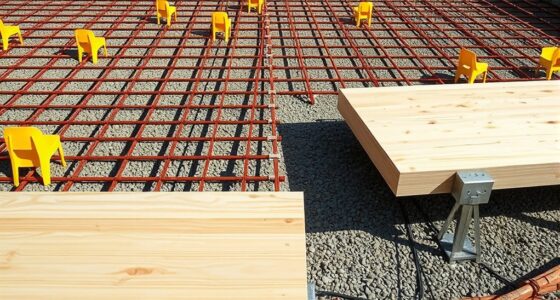
For moving water environments, epoxy grout is your best option because it’s highly resistant to water, chemicals, and stains, forming a durable, non-porous seal. Cement grout, on the other hand, is porous and prone to water damage, requiring frequent sealing and repairs. Epoxy also offers a sleek finish, but it’s more challenging to install. To learn how to choose the right grout for your project, keep exploring the details below.
Key Takeaways
- Epoxy grout offers superior water resistance and durability, making it ideal for areas with moving or flowing water.
- Cement grout is porous and prone to water infiltration, which can lead to staining, cracking, and deterioration over time.
- Epoxy provides a glossy, sleek finish that resists staining and chemical damage in wet environments.
- Cement grout typically requires sealing to improve water resistance but remains more susceptible to damage from constant moisture.
- For long-term performance in moving water applications, epoxy grout is generally the preferred, more reliable choice.
Understanding the Composition of Epoxy and Cement Grouts

To understand the differences between epoxy and cement grouts, it’s essential to examine their compositions. Epoxy grout consists of resin and a hardener, creating a chemical reaction that produces a strong, durable bond. Its resin base makes it resistant to stains, chemicals, and water, making it ideal for challenging environments. Cement grout, on the other hand, is made from a mixture of cement, water, and sometimes sand or additives. It’s a porous material that relies on the cement’s hydration process to harden. While cement grout is easier to work with and more affordable, it’s more susceptible to staining and water penetration. Knowing these fundamental differences helps you choose the right grout type based on your specific needs and the environment where it’ll be applied. Understanding grout types is crucial for ensuring long-lasting results in tile and grout applications.
Water Resistance and Durability in Moving Water Environments
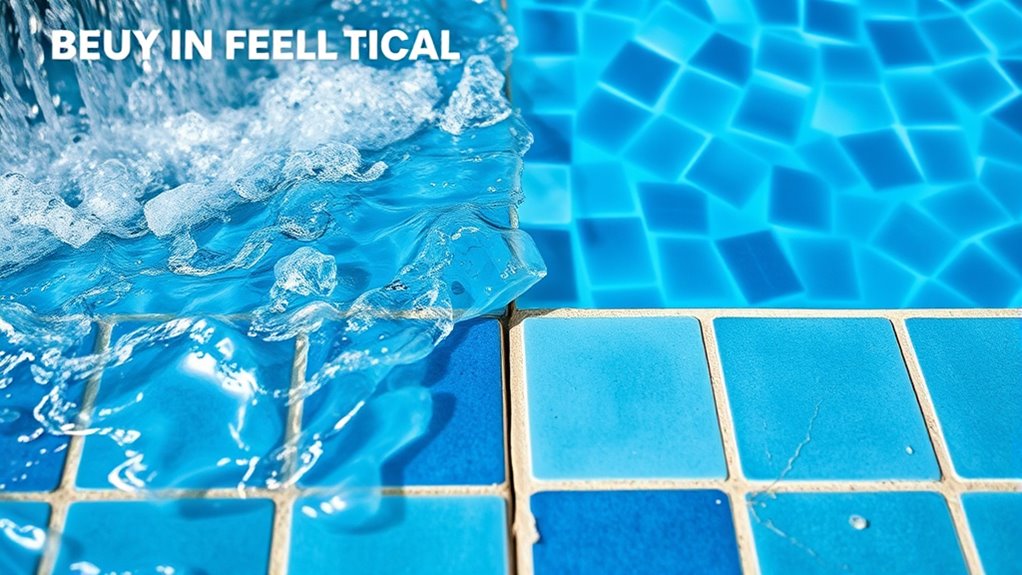
When it comes to moving water environments, choosing the right grout is essential for ensuring long-term durability and resistance to water damage. Epoxy grout offers superior water resistance because it’s impervious to moisture and chemicals, making it ideal for areas exposed to constant water flow. It resists cracking, staining, and mold growth, maintaining its integrity over time. Cement grout, on the other hand, is more porous, which can lead to water infiltration, staining, and deterioration if not properly sealed. Over time, moving water can cause cement grout to weaken, crack, or develop mold. Consequently, for environments with continuous water movement, epoxy grout provides greater durability, minimizing maintenance and ensuring your tiles stay protected and intact longer. Waterproofing is a crucial factor in preventing water-related damage in these settings.
Application Processes and Ease of Installation

Applying grout in moving water environments requires careful preparation and technique, but the process can be straightforward with the right approach. First, verify the surface is clean, dry, and free of debris to promote proper adhesion. When using cement grout, you’ll mix it to a workable consistency and apply it with a trowel, pressing it firmly into joints to prevent voids. Epoxy grout requires mixing components thoroughly before application; it’s more viscous but offers better water resistance. Use a rubber float to spread the grout evenly and remove excess material. For moving water, it’s essential to work quickly and efficiently, especially with epoxy, to prevent it from setting prematurely. Proper tools and a steady hand will make installation smoother, guaranteeing a durable, waterproof finish. Additionally, understanding the contrast ratio of your projector can help ensure the visual clarity needed to assess the quality of your grout work under different lighting conditions.
Chemical Resistance and Long-Term Performance

You need tile and grout that can withstand constant exposure to chemicals without degrading over time. Comparing their chemical durability helps you choose materials that won’t weaken or stain, ensuring longevity. Ultimately, understanding long-term structural integrity keeps your installation safe and durable for years to come. Considering trust issues with materials is also crucial for maintaining the overall reliability of your tiling system.
Chemical Durability Comparison
Chemical durability plays a crucial role in determining how well tile and grout can withstand exposure to water and cleaning agents over time. Epoxy tends to resist harsh chemicals better than cement, which can degrade or stain. When comparing the two, consider these points:
- Epoxy forms a nearly impermeable barrier, resisting acids, alkalis, and solvents.
- Cement grout absorbs stains and chemicals, leading to discoloration and breakdown.
- Epoxy’s chemical resistance ensures easier maintenance and longer-lasting appearance.
- Cement grout may require sealing to improve chemical durability but still remains more vulnerable over time.
Understanding these differences helps you choose the right material for moving water environments, ensuring your installation maintains its integrity and appearance longer.
Long-Term Structural Integrity
Long-term structural integrity depends heavily on a material’s ability to resist chemical degradation and maintain performance over time. Epoxy resists water, chemicals, and staining better than cement, helping your installation stay durable for years. Cement-based grout can crack or degrade under constant water exposure, especially if it isn’t sealed properly. Epoxy’s chemical resistance prevents deterioration caused by pool chemicals, salts, and cleaning agents, ensuring your tile system stays intact. Regular maintenance and proper sealing extend the lifespan of cement grout, but epoxy inherently offers superior long-term stability. Additionally, material composition influences how well each option withstands environmental stressors. Choosing epoxy means fewer repairs and less concern about chemical breakdown. Ultimately, your decision impacts the durability and safety of your water-moving surfaces over the years, making epoxy a smart choice for long-term performance.
Maintenance Needs and Repair Considerations
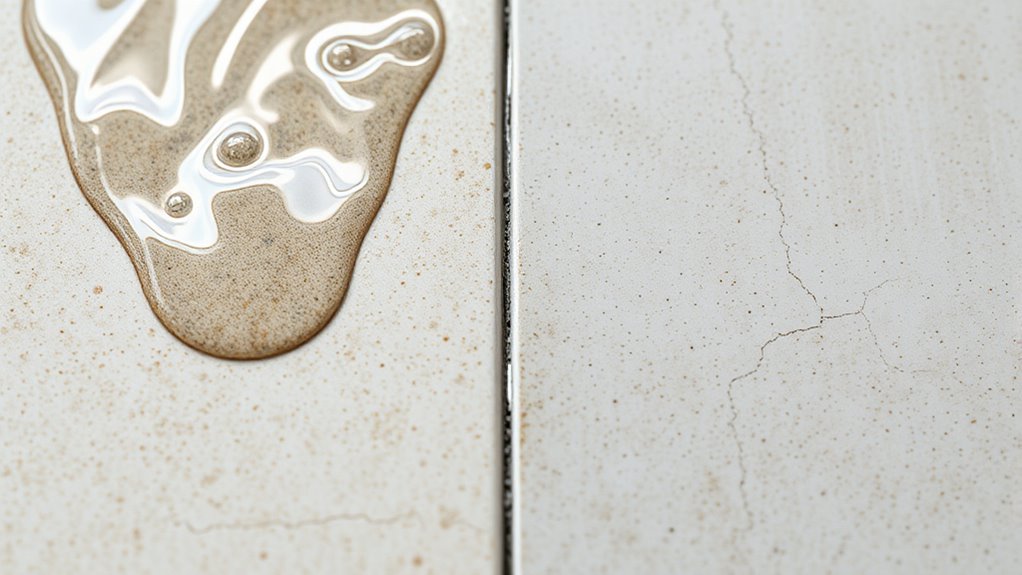
Maintaining tile and grout for moving water requires understanding their durability and how long they’ll last. You’ll also want to contemplate how often repairs might be needed and the costs involved. Finally, knowing easy maintenance methods can help you keep your surfaces in top shape with minimal effort.
Durability and Longevity
Because tile and grout are constantly exposed to moving water, they need to be durable and resistant to wear over time. Epoxy tends to resist cracking, staining, and water damage better than cement, making it ideal for high-traffic areas. Cement, while more affordable initially, can chip or crack more easily if not properly sealed and maintained. To picture their longevity:
- Imagine epoxy coating solidifying into a tough, seamless barrier that withstands constant movement.
- Envision cement grout gradually eroding without regular sealing, leading to potential leaks.
- Think of epoxy resisting harsh chemicals and moisture over years, maintaining its appearance.
- Visualize cement needing frequent repairs to keep its integrity intact.
- Understanding the properties of Bitcoin IRA can help inform the importance of choosing durable materials for long-term investments and assets.
Choosing the right material impacts how long your installation lasts and how much upkeep it requires over time.
Repair Frequency and Costs
When it comes to tile and grout in areas with moving water, regular maintenance is essential to keep them functioning properly. The repair frequency largely depends on the material you choose. Epoxy grout tends to last longer and resists stains better, reducing repair costs over time. Cement grout, however, may crack or stain more quickly, leading to more frequent repairs. Incorporating natural materials like stone can also impact durability and maintenance needs.
Maintenance Ease and Methods
Regular maintenance of tile and grout in areas with moving water is straightforward if you choose the right materials and follow proper methods. With epoxy, you’ll find cleaning easier because it resists stains and mold, requiring only regular wiping. Cement grout, however, demands more frequent attention to prevent mold buildup and staining, especially in high-moisture zones. To keep your surface in top shape, consider these methods:
- Regularly wipe down tiles with a soft cloth to remove soap scum and mineral deposits.
- Use gentle cleaning solutions like vinegar or specialized tile cleansers to avoid damaging the grout.
- Seal cement grout annually to prevent moisture penetration and staining.
- Inspect for cracks or damage and repair promptly to avoid water leaks and further deterioration.
- Choosing the right grout material—such as epoxy over cement—can significantly simplify maintenance needs and improve durability in moving water environments.
Cost Comparison and Budgeting for Projects
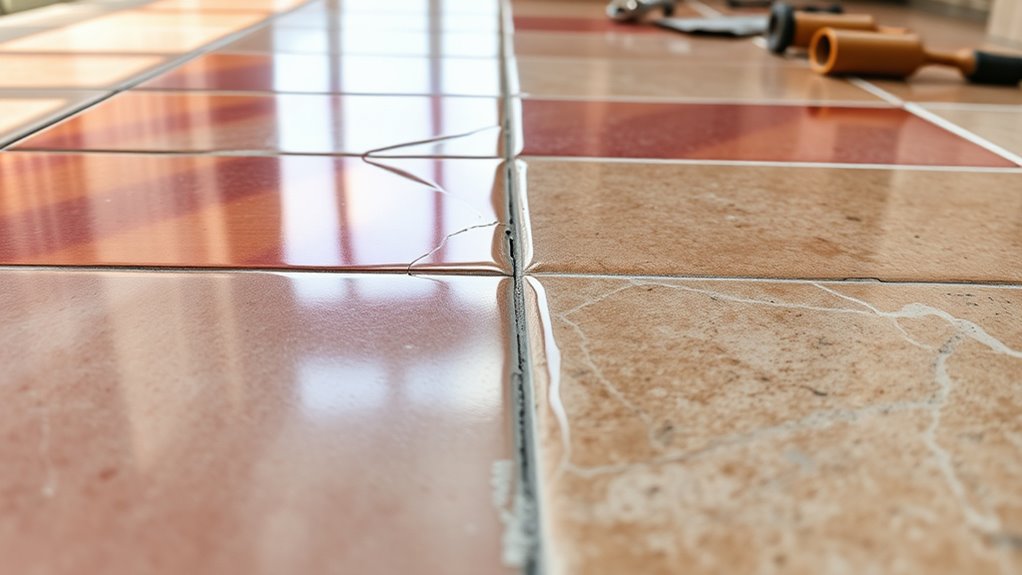
Are you trying to determine whether tile and grout work for moving water fits within your budget? Epoxy grout generally costs more upfront than cement grout, but it offers better durability and water resistance, potentially saving you money on repairs over time. Cement grout is less expensive initially but may require more frequent maintenance and sealing. When budgeting, consider the project size, material quality, and labor costs. Epoxy may increase your initial investment but can lower long-term expenses by reducing replacements and repairs. Cement grout, while cheaper initially, might lead to higher costs down the line due to its susceptibility to water damage. Additionally, evaluating the waterproofing qualities of each material helps ensure your project withstands moisture exposure and lasts longer. Balancing your budget with the project’s longevity and performance needs helps you choose the right option. Proper planning assures you allocate funds effectively and avoid unexpected expenses.
Aesthetic Appeal and Color Options
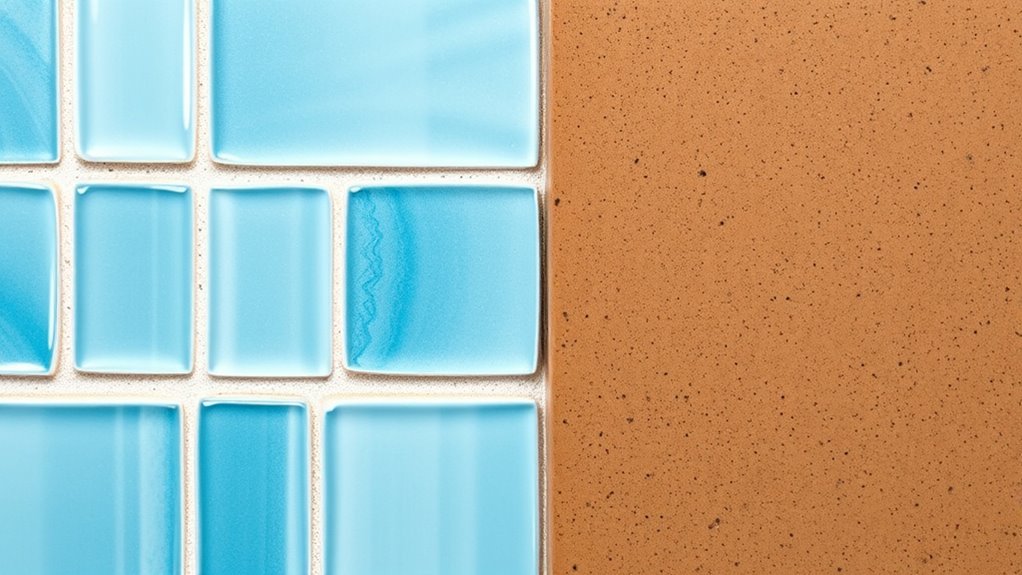
You have a wide variety of colors and styles to choose from, so you can match or complement your existing decor. The visual impact of bold or subtle hues can transform the look of your water feature. Plus, customization options let you create a unique style that truly reflects your taste.
Color Variety and Range
One of the most appealing aspects of tile and grout for moving water is the wide variety of colors available, allowing you to customize the look to match your aesthetic preferences. With countless shades and hues, you can create a striking or subtle effect that complements your environment. Imagine:
- Bright blues and aquas that evoke a lively, tropical vibe.
- Neutral beiges and grays for a sleek, modern appearance.
- Rich earth tones like terracotta and rust for a warm, natural feel.
- Bold reds or blacks to add dramatic contrast and visual interest.
This extensive color range guarantees you can tailor your water features to your style, making your design both functional and visually appealing. The choice of color can enhance the overall ambiance and mood of your space effortlessly, embracing sustainable choices that also support eco-friendly design principles.
Visual Impact and Style
The visual impact of tile and grout for moving water lies in their ability to transform your space with striking aesthetics and cohesive style. With the right choices, you can create a sleek, modern look or a rustic, natural vibe that complements your surroundings. Epoxy tiles often offer a glossy, polished finish, adding sophistication and a clean appearance. Cement tiles, on the other hand, can provide a textured, matte look with earthy tones that evoke warmth and charm. The color options available allow you to match or contrast your water feature with existing decor, enhancing its overall appeal. Whether you prefer bold patterns or subtle hues, your selection of tile and grout sets the tone, making your water feature a focal point that elevates your space’s style.
Customization Options
Customization options for tile and grout considerably enhance the aesthetic appeal of moving water features by offering a wide range of colors and styles. You can choose from vibrant blues that mimic ocean waves or earthy tones that blend seamlessly with natural surroundings. Imagine sleek, modern tiles with glossy finishes or rustic, textured options for a more organic look. Grout choices also vary in shades, from crisp whites to deep charcoals, allowing you to create contrast or harmony. Visualize these options:
- Bright, reflective tiles that catch the light and add sparkle
- Matte, textured surfaces for a natural, understated elegance
- Custom color blends to match your landscape or theme
- Glass tiles that create a shimmering, water-like effect
These choices empower you to craft a personalized, visually stunning water feature.
Environmental Impact and Safety Factors
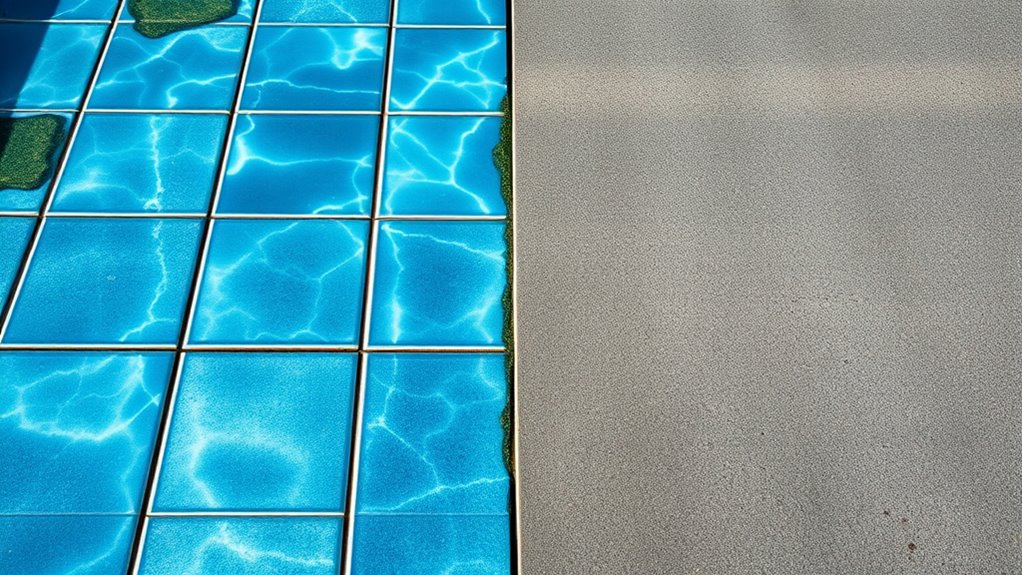
While tile and grout are popular choices for managing moving water, their environmental impact and safety factors are crucial considerations. Epoxy resins often contain volatile organic compounds (VOCs) that can emit harmful fumes during installation, impacting indoor air quality. Cement-based grout, on the other hand, is generally more environmentally friendly but releases dust and particles that may harm respiratory health if not handled properly. Both materials require proper sealing to prevent water seepage and mold growth, which can pose health risks over time. Additionally, disposal of epoxy can be problematic due to its chemical composition, potentially contaminating soil and water sources. Safety precautions, such as wearing protective gear and ensuring good ventilation, are essential to minimize health hazards during application and maintenance.
Suitable Use Cases and Project Examples

Are tile and grout the right choice for your specific project? Consider these scenarios.
- You’re installing a swimming pool, where water constantly flows and splashes, requiring durable, waterproof joints.
- You’re renovating a commercial kitchen, with high humidity and frequent cleaning demands, needing resistant grout.
- You’re creating a spa or hot tub area, where moisture and temperature fluctuations are common, demanding long-lasting materials.
- You’re designing an outdoor fountain or water feature, exposed to weather changes and constant water movement, needing strong, water-resistant options.
In these cases, epoxy grout provides superior water resistance and durability. Cement grout, while easier to work with, may not hold up as well under constant moisture. Choose based on your project’s water exposure level.
Making the Best Choice for Your Water-Related Tile Installations
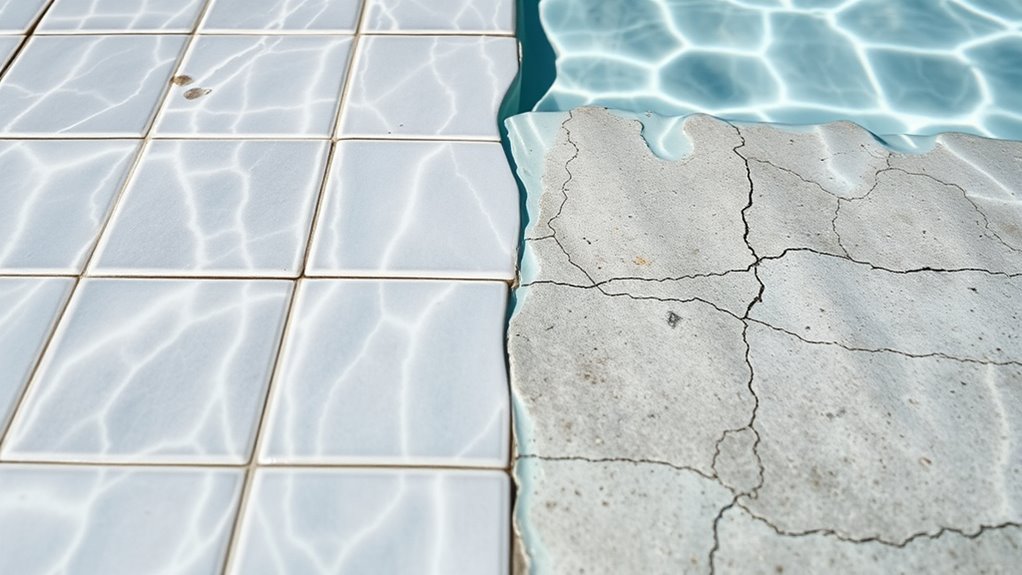
Choosing the right tile and grout for your water-related projects depends on understanding their specific benefits and limitations. If you need a durable, water-resistant solution, epoxy grout often outperforms cement due to its excellent adhesion and chemical resistance. It’s ideal for areas with constant water exposure, like pools or showers, but can be more challenging to work with and costlier. Cement grout, on the other hand, is easier to apply and more affordable, making it suitable for less demanding environments. However, it’s less resistant to water and staining over time. Consider your project’s exposure level, maintenance needs, and budget. Making an informed choice guarantees your installation remains resilient, attractive, and long-lasting in water-intensive settings.
Frequently Asked Questions
How Do Epoxy and Cement Grouts Perform in Extreme Weather Conditions?
In extreme weather conditions, epoxy grout outperforms cement grout because it resists cracking, shrinking, and water penetration better. You’ll find epoxy remains durable in freezing temperatures and intense heat, maintaining its integrity longer. Cement grout, on the other hand, can crack or erode with temperature fluctuations and moisture exposure. So, if you’re dealing with harsh weather, epoxy is your best choice for long-lasting, reliable tile installation.
Can Epoxy or Cement Grout Be Used in Saltwater Environments?
You can use epoxy grout in saltwater environments because it’s highly resistant to moisture, chemicals, and salt corrosion. It creates a waterproof seal that won’t deteriorate when exposed to saltwater. Cement grout, on the other hand, isn’t ideal as it absorbs water and can weaken over time with salt exposure. So, for durability in saltwater settings, epoxy grout’s the better choice to guarantee long-lasting, maintenance-free results.
Which Grout Type Is More Environmentally Sustainable?
Like the wise owl choosing its path, you’ll find cement grout tends to be more environmentally sustainable than epoxy. Cement is made from natural materials, produces less toxic waste, and often has lower embodied energy. Epoxy, while durable, contains petrochemicals and volatile organic compounds that harm the environment. So, if you’re aiming for eco-friendliness, cement grout’s your best bet, helping you minimize your ecological footprint while maintaining your project’s integrity.
How Does Each Grout Type Affect the Overall Tile Adhesion?
Epoxy grout creates a strong, durable bond with tiles, ensuring excellent adhesion, especially in areas exposed to water or movement. Cement grout also adheres well but can be more prone to cracking or shrinking over time, especially if not mixed or applied correctly. For high-moisture environments, epoxy offers better long-term adhesion, preventing tiles from loosening, while cement may require more maintenance to keep its bond intact.
Are There Specific Safety Precautions During Application of Epoxy or Cement Grout?
You should always wear gloves, goggles, and a mask when applying epoxy or cement grout to safeguard your skin, eyes, and lungs from harmful fumes and dust. Work in a well-ventilated area, and follow the manufacturer’s safety instructions carefully. Avoid inhaling dust or fumes, and wash your hands thoroughly afterward. Proper safety measures help prevent health issues and ensure a safe, successful installation.
Conclusion
Choosing between epoxy and cement grout depends on your project’s water exposure and durability needs. While epoxy offers superior water resistance and chemical durability, it might seem trickier to apply. But with proper technique, you’ll find it’s worth the effort for long-lasting, waterproof results. Don’t let installation concerns hold you back—investing in the right grout guarantees your tilework stays beautiful and functional, even in moving water environments.