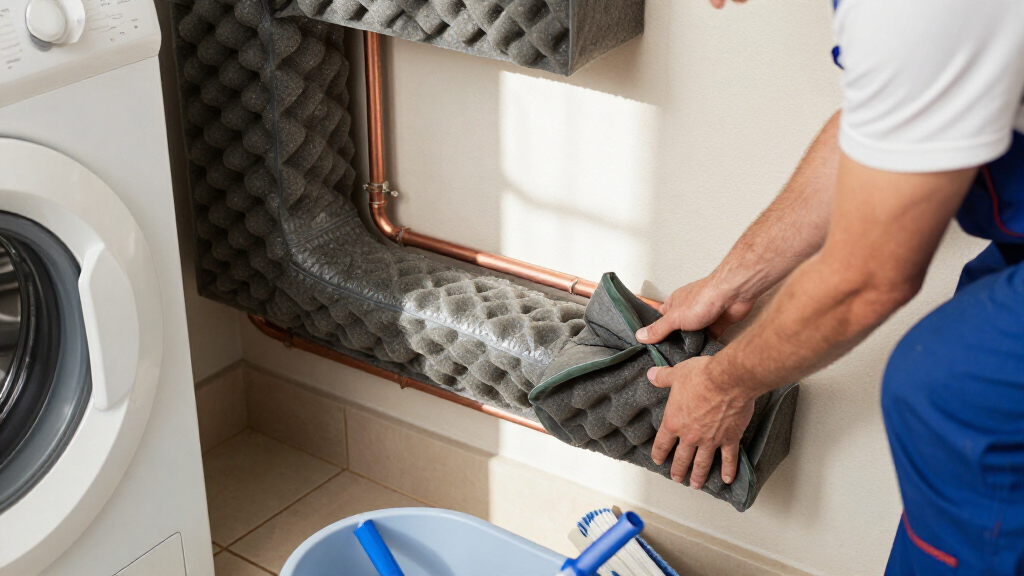
The best pipe insulation depends on pipe diameter, where the line runs, and whether you need a tube, wrap, or tape. I’d put the Wazitin Self-Adhesive Foam Pipe Insulation Tubes forward as the best overall starting point for straightforward pipe runs, while Frost King Foil-Backed Fiberglass Pipe Wrap is a distinct option for wrapping irregular sections and COVERTIFY’s 5-Layer HVAC Cover targets exposed HVAC lines. The main tradeoff is between a close-fitting tube for consistent coverage and flexible wraps or tapes that adapt to bends but can take more care to install. Matching the insulation’s inner diameter to the pipe matters as much as choosing its material or thickness. Read on for the full breakdown of all 14 options and a guide to choosing the right format for your job.

Get cleaning gear delivered free with Prime
- Fast, free delivery on millions of items
- Prime Video, Amazon Music and more included
- Member-only deals all year
Complete the kit


Key Takeaways
- Pipe fit separates the foam tube options: CARGEN offers several specified inner diameters, from 1/4-inch OD water-line coverage to 1-inch ID tubing, so matching the actual pipe is more precise than choosing by product name alone.
- Self-adhesive tubes trade speed for less flexibility: Wazitin and FUYITE are aimed at covering runs with less separate fastening, while tape formats are easier to adapt around awkward shapes and short repairs.
- HVAC covers have a different job from basic foam tubing: COVERTIFY and AXIFOUJ use multi-layer covers for line sets, making them more purpose-specific than the standard foam tubes in this lineup.
- Wrap length changes the type of project each product suits: Frost King’s 25-foot fiberglass wrap and QWORK’s 33-foot tape suit longer or varied runs better than six-foot tube sections, but flexible formats require careful, even coverage.
- Small-format choices are not interchangeable: Duck Brand’s short six-pack covers suit localized coverage, while the 15- to 16.5-foot tapes from XFasten and DEMEDO offer more continuous wrapping for repairs and irregular sections.
| Duck Brand Foam Pipe Covers, 0.75 in x 12 in, 6-Pack, Black |  | Best for Short, Simple Runs | Material: Foam | Compatible pipe size: 1/2 to 3/4 in | Stick length: 12 in | VIEW LATEST PRICE | See Our Full Breakdown |
| Wazitin Self-Adhesive Foam Pipe Insulation Tubes, 10-Pack |  | Best for Quick, Flexible Installation | Material: Neoprene rubber foam with fiberglass aluminum film | Quantity: 10 tubes | Length per tube: 1.31 ft | VIEW LATEST PRICE | See Our Full Breakdown |
| CARGEN Foam Pipe Insulation for 1/2-Inch Pipes, 3/8-Inch Wall, 6 Feet |  | Best for Precisely Sized Half-Inch Pipe | Material: Nitrile rubber | Fits pipe diameter: 1/2 in outside diameter | Wall thickness: 3/8 in | VIEW LATEST PRICE | See Our Full Breakdown |
| COVERTIFY 5-Layer HVAC Pipe Insulation Cover, 72 x 10.2 in |  | Best for Outdoor HVAC Pipe Bundles | Length: 72 in | Width: 10.2 in | Layers: 5 | VIEW LATEST PRICE | See Our Full Breakdown |
| CARGEN Foam Pipe Insulation, 1-Inch Inner Diameter, 3/8-Inch Wall, 6 Feet |  | Best for Larger Pipe Diameters | Material: Nitrile rubber | Inner diameter: 1 in | Wall thickness: 3/8 in | VIEW LATEST PRICE | See Our Full Breakdown |
| Lhazemu Pipe Insulation Tubing, 1.5-Inch ID, 0.35-Inch Thick, 6 Feet |  | Best for Large-Diameter Pipes | Inner diameter: 38 mm (1.5 in) | Wall thickness: 9 mm (0.35 in) | Listed length: 180 cm (6 ft); description also states 70.8 in | VIEW LATEST PRICE | See Our Full Breakdown |
| DEMEDO Self-Adhesive Foam Pipe Insulation Tape, 2 in x 16.5 ft, Black |  | Best for Bends and Irregular Runs | Material: Soft rubber foam | Length: 16.5 ft | Width: 2 in | VIEW LATEST PRICE | See Our Full Breakdown |
| FUYITE 4-Pack 6-Foot Self-Adhesive Pipe Insulation Foam Tubes |  | Best Multi-Tube Pack for Small Pipes | Quantity: 4 tubes | Length per tube: 6 ft | Total listed length: 24 ft | VIEW LATEST PRICE | See Our Full Breakdown |
| AXIFOUJ 5-Layer HVAC Line Insulation Cover, 78.7 in |  | Best Reusable Cover for Outdoor HVAC Lines | Length: 78.7 in | Width: 10 in | Compatible duct diameter: Under 3.25 in | VIEW LATEST PRICE | See Our Full Breakdown |
| Frost King Foil-Backed Fiberglass Pipe Wrap, 1 in x 3 in x 25 ft |  | Best for Long Hot- and Cold-Water Runs | Material: Fiberglass | Thickness: 1 in | Dimensions: 3 in x 25 ft | VIEW LATEST PRICE | See Our Full Breakdown |
| CARGEN Foam Pipe Insulation for 1/4-Inch OD Water Lines, 3/8-Inch Wall, 6 Feet |  | Best for Small Water Lines | Material: Nitrile rubber | Compatible pipe diameter: 1/4-inch outer diameter | Wall thickness: 3/8 inch | VIEW LATEST PRICE | See Our Full Breakdown |
| CARGEN Foam Pipe Insulation, 3/4-Inch ID, 3/8-Inch Wall, 6 Feet |  | Best for HVAC and Mixed-Line Use | Material: Nitrile rubber | Inner diameter: 3/4 inch | Wall thickness: 3/8 inch | VIEW LATEST PRICE | See Our Full Breakdown |
| QWORK Waterproof Foam Pipe Insulation Tape, 33 ft x 2 in x 1/8 in |  | Best for Light-Duty Wrapping | Material: Foam | Length: 33 feet | Width: 2 inches | VIEW LATEST PRICE | See Our Full Breakdown |
| XFasten Foam Pipe Insulation Tape, 2 in x 15 ft |  | Best Stretch-Wrap Option | Material: EVA foam | Width: 2 inches | Length: 15 feet | VIEW LATEST PRICE | See Our Full Breakdown |
| pipe insulation | Material | Length |
|---|---|---|
| Duck Brand Foam Pipe Covers | Foam | — |
| Wazitin Self-Adhesive Foam Pip | Neoprene rubber foam with fiberglass aluminum film | — |
| CARGEN Foam Pipe Insulation fo | Nitrile rubber | 6 ft |
| COVERTIFY 5-Layer HVAC Pipe In | — | 72 in |
| CARGEN Foam Pipe Insulation | Nitrile rubber | 6 ft |
| Lhazemu Pipe Insulation Tubing | Rubber and plastic | — |
| DEMEDO Self-Adhesive Foam Pipe | Soft rubber foam | 16.5 ft |
| FUYITE 4-Pack 6-Foot Self-Adhe | Neoprene listed; description also references polyethylene | — |
| AXIFOUJ 5-Layer HVAC Line Insu | — | 78.7 in |
| Frost King Foil-Backed Fibergl | Fiberglass | — |
| CARGEN Foam Pipe Insulation fo | Nitrile rubber | 6 feet |
| CARGEN Foam Pipe Insulation | Nitrile rubber | 6 feet |
| QWORK Waterproof Foam Pipe Ins | Foam | 33 feet |
| XFasten Foam Pipe Insulation T | EVA foam | 15 feet |
More Details on Our Top Picks
Duck Brand Foam Pipe Covers, 0.75 in x 12 in, 6-Pack, Black
I’d pick these pre-slit foam covers for a few short sections of standard residential pipe, especially where a straightforward fit matters more than minimizing seams. They fit 1/2- to 3/4-inch pipes, and the self-sealing edges make installation less fiddly than cutting and wrapping insulation tape. The six sticks total 6 feet, but each is only 12 inches, so a longer run means joining multiple pieces. Compared with the CARGEN 6-foot tubing, Duck’s shorter sections can be easier to handle around small areas but create more joints along a continuous line. The R-value of 3.6 and stated maximum temperature of 212°F suit a range of hot- and cold-water applications; still, buyers should measure first and plan for the extra seams.
Pros:- Pre-slit design and self-sealing edges simplify fitting.
- Compatible with 1/2- to 3/4-inch pipes.
- Rated R-3.6, with a stated maximum temperature of 212°F.
- Six sticks provide 6 feet of total coverage.
Cons:- Each stick is only 12 inches long, adding joints on longer runs.
- The stated pipe-size range excludes larger lines.
Best for: Homeowners insulating a handful of accessible 1/2- to 3/4-inch pipe sections who want pre-slit covers that are easy to fit.
Not ideal for: Anyone covering a long, uninterrupted pipe run or pipes larger than 3/4 inch; the short sticks add seams and the fit range is limited.
- Material:Foam
- Compatible pipe size:1/2 to 3/4 in
- Stick length:12 in
- Pack quantity:6 sticks
- Total coverage:6 ft
- R-value:3.6
- Maximum temperature:212°F
- Closure:Pre-slit with self-sealing edges
- Color:Black
Our verdict“Choose Duck Brand for short, standard-size pipe sections where easy fitting matters more than a seamless long run.”
Wazitin Self-Adhesive Foam Pipe Insulation Tubes, 10-Pack
Wazitin is the most convenient choice here for buyers who want self-adhesive closure and several short sections ready to cut. Its neoprene rubber foam tubes have an aluminum-film exterior, and the 10 pieces provide 13.1 feet of total length—more coverage than the six-foot CARGEN tubes, though split across shorter pieces. The adhesive closure avoids relying on a separate wrap to hold each slit shut, which can help when fitting accessible indoor or outdoor lines. The tradeoff is the narrow fit: the stated inside diameter is 0.85 inch, with pipe compatibility up to 0.8 inch. Compared with Duck Brand’s covers, Wazitin offers more total length and a reflective exterior, but still brings multiple joints and has a stricter diameter ceiling. Measure the pipe before choosing it.
Pros:- Self-adhesive closure holds the pre-slit tube around the pipe.
- Ten tubes provide 13.1 feet of total coverage.
- Aluminum-film exterior and foam construction are specified for indoor and outdoor use.
- Tubes can be cut to suit shorter sections.
Cons:- Fits pipes only up to 0.8 inch in diameter.
- Each tube is 1.31 feet long, so longer runs require multiple joints.
Best for: DIYers insulating several short indoor or outdoor lines up to 0.8 inch in diameter who want adhesive closures and cut-to-fit sections.
Not ideal for: Buyers with larger pipes or a long continuous run; the tubes have a firm size limit and come as 10 relatively short pieces.
- Material:Neoprene rubber foam with fiberglass aluminum film
- Quantity:10 tubes
- Length per tube:1.31 ft
- Total length:13.1 ft
- Inside diameter:0.85 in
- Foam thickness:0.39 in
- Suitable pipe size:Up to 0.8 in, including 3/4 in or smaller
- Closure:Pre-slit, self-adhesive
Our verdict“Pick Wazitin for multiple small-diameter sections when adhesive closure and higher total coverage matter more than uninterrupted length.”
CARGEN Foam Pipe Insulation for 1/2-Inch Pipes, 3/8-Inch Wall, 6 Feet
For a measured 1/2-inch outside-diameter pipe, this CARGEN tube is a more direct fit than the broader pipe-size range of Duck Brand’s covers. Its six-foot length comes as one piece that can be cut where needed, reducing the number of joints compared with Duck’s 12-inch sticks. The 3/8-inch nitrile rubber wall has a closed-cell, non-absorbent construction, useful where condensation and moisture exposure are concerns. It is listed for PEX, PE, copper, and water pipes, with a working range from -58°F to 230°F. The tradeoff is that the buyer must confirm the outside diameter: this is not the flexible, multi-size option that Wazitin aims to be. It also arrives without pre-cut sections, so careful measuring and cutting are part of the job.
Pros:- Sized specifically for 1/2-inch outside-diameter pipe.
- Six-foot tube can be cut to fit the run.
- Closed-cell nitrile rubber is non-absorbent.
- Listed for PEX, PE, copper, and water pipes.
Cons:- Pipe outside diameter must be confirmed before purchase.
- Supplied as a continuous tube rather than pre-cut sections.
- No self-adhesive closure is specified.
Best for: Homeowners or installers who have confirmed a 1/2-inch outside-diameter PEX, PE, copper, or water line and want a cut-to-length foam tube.
Not ideal for: Buyers unsure of pipe diameter, or those wanting pre-cut, self-sealing sections that need less measuring and cutting.
- Material:Nitrile rubber
- Fits pipe diameter:1/2 in outside diameter
- Wall thickness:3/8 in
- Length:6 ft
- Working temperature:-58°F to 230°F (-50°C to 110°C)
- Construction:Closed-cell, non-absorbent
- Compatible pipe materials:PEX, PE, and copper
Our verdict“Choose this CARGEN tube when your pipe measures 1/2 inch OD and you prefer one cut-to-length piece over Duck Brand’s shorter sticks.”
COVERTIFY 5-Layer HVAC Pipe Insulation Cover, 72 x 10.2 in
This is the lineup’s specialist pick for an exposed outdoor HVAC bundle, not a substitute for narrow foam tubing on individual water pipes. Its five-layer construction combines a waterproof 600D Oxford fabric exterior, pearl cotton, aluminum foil, and PU coating to help shield a covered bundle from weather and UV exposure. The 72-inch cover trims to length and closes with four adjustable buckles, so installation does not call for tools. Compared with the Duck Brand foam covers, COVERTIFY is aimed at a much larger grouped line and offers an exterior weather barrier; it is also bulkier and less suited to tight individual pipe fittings. Fit is the main limitation: it is specified for bundles 2.9–3.1 inches in outside diameter. Measure the whole bundle before buying.
Pros:- Five-layer build includes waterproof 600D Oxford fabric, pearl cotton, aluminum foil, and PU coating.
- Specified to help protect against heat, cold, water, and UV exposure.
- Four adjustable buckles allow tool-free installation.
- 72-inch cover can be trimmed to length.
Cons:- Fits only pipe bundles measuring 2.9–3.1 inches in outside diameter.
- May need trimming for runs shorter than 72 inches.
- Less suitable than individual foam tubes for narrow, separate pipes.
Best for: Homeowners protecting an exposed outdoor air-conditioning line bundle measuring 2.9–3.1 inches in outside diameter.
Not ideal for: Anyone insulating individual narrow plumbing pipes or a bundle outside the stated diameter range; the cover is designed for a specific grouped-line fit.
- Length:72 in
- Width:10.2 in
- Layers:5
- Outer material:Waterproof 600D Oxford fabric
- Insulation materials:Pearl cotton and aluminum foil
- Coating:PU
- Pipe bundle outside diameter:2.9–3.1 in
- Fasteners:4 adjustable buckles
Our verdict“Choose COVERTIFY for a correctly sized outdoor HVAC bundle that needs a weather-facing cover rather than individual pipe sleeves.”
CARGEN Foam Pipe Insulation, 1-Inch Inner Diameter, 3/8-Inch Wall, 6 Feet
This CARGEN option fills a different size slot from the half-inch model: its 1-inch inner diameter is intended for larger lines, while the same 3/8-inch wall and six-foot length keep it a simple cut-to-fit foam sleeve. The closed-cell, non-absorbent nitrile rubber is specified for water lines, PEX, PE, and HVAC pipes, helping address condensation as well as cold exposure. Compared with the 1/2-inch CARGEN tube, the larger bore suits a different pipe, not a more capable version of the same fit; choosing between them comes down to accurate measurement. Unlike Wazitin’s adhesive tubes, this product is supplied as one continuous piece, so it can reduce segment joints but takes more measuring and cutting. Confirm the inner-diameter match before ordering.
Pros:- 1-inch inner diameter serves larger lines than the 1/2-inch CARGEN option.
- Six-foot continuous tube can be cut to the required length.
- Closed-cell nitrile rubber is non-absorbent.
- Listed for water, PEX, PE, and HVAC pipes.
Cons:- Inner diameter must be matched to the pipe before purchase.
- Requires measuring and cutting to fit.
- No adhesive closure or pre-cut sections are specified.
Best for: DIYers with a measured pipe that matches a 1-inch inner diameter who want a six-foot nitrile foam sleeve they can cut to length.
Not ideal for: Anyone insulating smaller pipe or needing pre-slit, self-adhesive sections; the diameter must match and the tube is not listed as pre-cut.
- Material:Nitrile rubber
- Inner diameter:1 in
- Wall thickness:3/8 in
- Length:6 ft
- Working temperature:-58°F to 230°F (-50°C to 110°C)
- Construction:Closed-cell, non-absorbent
- Recommended uses:Water lines, PEX, PE, HVAC, freeze protection, and sharp-edge protection
- Package contents:One foam insulation tube
Our verdict“Choose this CARGEN model for a verified 1-inch pipe when you want a continuous cut-to-fit sleeve rather than Wazitin’s short adhesive tubes.”
Lhazemu Pipe Insulation Tubing, 1.5-Inch ID, 0.35-Inch Thick, 6 Feet
For a pipe that needs a larger opening, the 1.5-inch inner diameter gives this sleeve a different job from the FUYITE tubes, which are limited to pipes up to 0.79 inches. Its 0.35-inch wall provides a substantial layer of protection, while the stated temperature range covers applications from below freezing through warm operating conditions. The tubing slides over the surface, making it straightforward when an accessible pipe end is available; unlike DEMEDO tape, it is not designed to wrap around a complicated route or tight bends.
The tradeoff is quantity: the package contains one six-foot tube, so it suits a short section rather than a long run. The listing also gives conflicting length measurements, so I would verify the delivered length before planning a precise installation. Its moisture-resistant, flame-retardant description adds versatility, but the fit still depends on matching the pipe diameter.
Pros:- 1.5-inch inner diameter accommodates larger pipes than the FUYITE tubes.
- 0.35-inch wall adds a substantial insulating layer.
- Waterproof and moisture-resistant description suits damp locations.
- Slides over pipes and other compatible surfaces without wrapping.
Cons:- Only one tube is included, limiting total coverage.
- The listed length conflicts between six feet and 70.8 inches.
- Slide-on installation can be impractical when a pipe end is inaccessible.
Best for: Buyers insulating a short, accessible pipe or equipment handle close to 1.5 inches in diameter who want a thick slide-on sleeve.
Not ideal for: People covering long pipe runs, tight bends, or pipes without an accessible end; the single tube and slide-on installation limit those jobs.
- Inner diameter:38 mm (1.5 in)
- Wall thickness:9 mm (0.35 in)
- Listed length:180 cm (6 ft); description also states 70.8 in
- Material:Rubber and plastic
- Temperature range:-20°F to 176°F
- Color:Black
- Package contents:1 pipe insulation tube
Our verdict“Choose this for a short, accessible 1.5-inch pipe section, but pick flexible tape for bends or a multi-piece set for longer coverage.”
DEMEDO Self-Adhesive Foam Pipe Insulation Tape, 2 in x 16.5 ft, Black
Flexible, cut-to-length tape is the main reason to choose DEMEDO over rigid-length sleeves such as the Lhazemu tube. It can follow bends and varied pipe shapes, and its fabric adhesive backing sticks to metal and PVC without separate glue. That makes it a practical choice for patching exposed sections or wrapping a route where straight tubes would be awkward to fit.
The compromise is insulation depth: at just 1/8 inch thick, this tape offers a thinner layer than the FUYITE tubes’ 0.55-inch walls or the Frost King wrap’s one-inch thickness. Its weather resistance is useful for outdoor exposure, but I would not treat a single roll as a substitute for thicker insulation where stronger thermal protection is the priority. Coverage is also finite at 16.5 feet, so a long run may need more than one roll.
Pros:- Flexible tape conforms to bends and varied pipe shapes.
- Integrated fabric adhesive backing avoids separate glue.
- Can be cut to the length needed for a repair or wrap.
- Water-resistant construction is suited to weather-exposed pipes.
Cons:- The 1/8-inch thickness provides less insulating depth than thicker tubing or fiberglass wrap.
- One 16.5-foot roll may not cover a long pipe run.
- Adhesive-backed wrapping can take more care than fitting a straight pre-slit tube.
Best for: DIYers wrapping metal or PVC water and HVAC pipes with bends, short gaps, or irregular shapes who value easy cutting and adhesive application.
Not ideal for: Buyers seeking thick freeze protection or insulating a long, straight pipe run; the thin foam and single-roll length may fall short.
- Material:Soft rubber foam
- Length:16.5 ft
- Width:2 in
- Thickness:1/8 in
- Adhesive:Integrated fabric backing
- Water resistance:Water resistant
- Compatible pipe materials:Metal and PVC
- Package contents:1 roll
Our verdict“Pick DEMEDO for awkward shapes and quick wrapping, not when thick insulation or extensive pipe coverage matters most.”
FUYITE 4-Pack 6-Foot Self-Adhesive Pipe Insulation Foam Tubes
For several small-diameter lines, the four six-foot tubes provide 24 feet of coverage without relying on a single long piece. The 0.79-inch inner diameter sets a clear limit, but within that size this pack offers more total length than the Lhazemu tube and a thicker wall than DEMEDO’s 1/8-inch tape. A pre-slit seam with double-sided adhesive is meant to make fitting and securing the tubes less involved than wrapping tape around each line.
The narrow fit is also its biggest restriction: larger pipes need another option, such as Lhazemu for a 1.5-inch opening. I would also note the product description’s conflicting material references, which name both neoprene and polyethylene. That uncertainty makes material-sensitive buying less straightforward, even though the listed temperature range reaches -40°F. This pack makes more sense for repeated small-line coverage than for one oversized pipe or intricate routing.
Pros:- Four tubes provide 24 feet of total listed coverage.
- 0.55-inch wall is thicker than DEMEDO’s tape.
- Pre-slit seams and double-sided adhesive support installation without separate glue.
- Listed working range extends down to -40°F.
Cons:- Fits pipes only up to 0.79 inches in diameter.
- The description conflicts on whether the material is neoprene or polyethylene.
- Tubing can be less convenient than tape around tight bends and irregular fittings.
Best for: Homeowners insulating multiple small water or HVAC lines no larger than 0.79 inches who want cut-to-length tubes with adhesive seams.
Not ideal for: Buyers with larger pipes, complex bends, or a strict need to confirm the foam material before purchasing.
- Quantity:4 tubes
- Length per tube:6 ft
- Total listed length:24 ft
- Inner diameter:0.79 in
- Thickness:0.55 in
- Material:Neoprene listed; description also references polyethylene
- Installation:Pre-slit seam with double-sided adhesive
- Working temperature:-40°F to 176°F
Our verdict“Choose this pack for several small, mostly straight lines; use Lhazemu for larger pipe or flexible tape for complicated shapes.”
AXIFOUJ 5-Layer HVAC Line Insulation Cover, 78.7 in
Unlike the foam tubing and wrap in this group, the AXIFOUJ is a removable outer sleeve for exposed HVAC lines. Its hook-and-loop closure allows installation and removal without tools, a useful distinction from adhesive-backed DEMEDO tape when a line may need periodic access. The listed combination of Oxford cloth, pearl cotton, and aluminum foil is aimed at weather and impact protection as well as limiting heat transfer; its 78.7-inch length suits a contained section rather than a whole long route.
The fit is the deciding factor: this cover is specified for ducts under 3.25 inches in diameter, so it cannot serve larger assemblies. The listing also conflicts on whether the construction has five layers, which makes the advertised layer count less reliable as a comparison point. Compared with Frost King’s 25-foot fiberglass wrap, AXIFOUJ is easier to remove but covers far less length.
Pros:- Hook-and-loop closure supports tool-free fitting and removal.
- Listed materials include Oxford cloth, pearl cotton, and double-layer aluminum foil.
- Designed for weather, abrasion, and impact protection on exposed HVAC lines.
- Reusable cover can be opened for access to the line.
Cons:- Compatible only with ducts under 3.25 inches in diameter.
- At 78.7 inches long, it covers much less distance than Frost King’s 25-foot wrap.
- Description gives conflicting layer-count information.
Best for: Owners of outdoor air conditioners or heat pumps who need a removable weather-protection sleeve for a compatible HVAC line under 3.25 inches in diameter.
Not ideal for: Anyone insulating ordinary long water-pipe runs, covering ducts over 3.25 inches, or relying on a clearly specified layer count.
- Length:78.7 in
- Width:10 in
- Compatible duct diameter:Under 3.25 in
- Advertised construction:5-layer structure; description gives conflicting layer counts
- Outer material:600D Oxford cloth
- Middle material:Pearl cotton
- Inner material:Double-layer aluminum foil
- Closure:Velcro
- Item weight:8.96 oz
Our verdict“Choose AXIFOUJ for a removable outdoor HVAC-line cover that fits its diameter limit, not for long runs of standard pipe.”
Frost King Foil-Backed Fiberglass Pipe Wrap, 1 in x 3 in x 25 ft
Frost King earns its place through 25 feet of fiberglass wrap with a one-inch thickness and an included vapor barrier. The stated uses cover both sides of household pipe insulation: reducing heat loss from hot-water lines and helping limit condensation on cold pipes. Compared with the short AXIFOUJ HVAC sleeve, this is built for covering a much longer run; unlike FUYITE’s fitted tubes, wrap can suit pipe layouts that do not match one specific inner diameter.
The tradeoff is that fiberglass wrap is a different installation proposition from a pre-slit foam tube: it must be applied around the pipe, and the product data gives less detail about the exact pipe-size fit. It is also less suited to buyers looking for a removable outdoor cover like AXIFOUJ. For broad straight runs where vapor control and coverage matter, the listed one-step installation and long roll make it a practical alternative to buying multiple short sleeves.
Pros:- 25-foot roll provides substantially more coverage than the AXIFOUJ sleeve.
- One-inch fiberglass thickness adds a substantial insulation layer.
- Vapor barrier is included to help address condensation on cold pipes.
- Listed for reducing heat loss from hot-water pipes as well.
Cons:- Wrap installation is less direct than fitting a pre-slit foam tube.
- Product data does not specify a compatible pipe diameter.
- Not designed as a removable outer weather cover like AXIFOUJ.
Best for: Homeowners covering longer hot- or cold-water pipe runs who want fiberglass insulation with an included vapor barrier.
Not ideal for: Buyers who need a removable weatherproof HVAC sleeve, a precisely sized slide-on tube, or detailed pipe-diameter guidance before installation.
- Material:Fiberglass
- Thickness:1 in
- Dimensions:3 in x 25 ft
- Coverage:25 ft
- Vapor barrier:Included
- Recommended uses:Pipe insulation, reducing heat loss, and preventing condensation
- Model:SP42X/16
- Warranty:90 days
Our verdict“Pick Frost King for longer hot- or cold-water runs where fiberglass coverage and a vapor barrier matter more than a removable sleeve.”
CARGEN Foam Pipe Insulation for 1/4-Inch OD Water Lines, 3/8-Inch Wall, 6 Feet
For narrow connections that ordinary pipe sleeves may not fit, this 1/4-inch-line tubing is the most targeted choice in this group. Its 3/8-inch closed-cell nitrile foam helps limit condensation and cold exposure around ice maker, reverse-osmosis, copper, or PEX lines, while the flexible 6-foot length can be trimmed to suit the run. Compared with the 3/4-inch CARGEN tubing, this version is designed for much smaller lines, so matching the actual outside diameter matters before ordering. It also offers more substantial tubing coverage than QWORK’s thin adhesive tape, but takes more effort to fit around bends and connections. The tradeoff is that it arrives uncut and as a single length; buyers need to measure and make their own cuts.
Pros:- Sized for 1/4-inch OD ice maker, RO, copper, and PEX lines
- 3/8-inch closed-cell nitrile foam helps limit condensation and cold exposure
- Flexible tubing can be trimmed for the required run
- Non-absorbent construction
Cons:- The line’s outside diameter must be checked carefully for fit
- Supplied as uncut tubing, so installation requires measuring and trimming
- One 6-foot length may not cover longer runs
Best for: Homeowners insulating a narrow ice-maker or reverse-osmosis water line who can confirm the line measures 1/4 inch outside diameter.
Not ideal for: People covering standard-size plumbing runs or wanting pre-cut sleeves; this tubing is sized for small lines and must be cut to length.
- Material:Nitrile rubber
- Compatible pipe diameter:1/4-inch outer diameter
- Wall thickness:3/8 inch
- Length:6 feet
- Working temperature:-58°F to 230°F (-50°C to 110°C)
- Structure:Closed-cell foam
- Flame retardancy:Class B
- Pack count:1
Our verdict“Choose this CARGEN tubing for a measured, narrow water line where a fitted foam sleeve is preferable to wrapping tape.”
CARGEN Foam Pipe Insulation, 3/4-Inch ID, 3/8-Inch Wall, 6 Feet
This is the more versatile of the two CARGEN sleeves in this batch: its 3/4-inch inner diameter is intended for HVAC refrigerant, ACR copper, PE, and water lines, while the closed-cell nitrile foam helps resist moisture absorption around cold runs. The 3/8-inch wall gives it a substantial sleeve format compared with QWORK’s 1/8-inch tape, though tape is easier to wind around awkward fittings. Its six-foot length can be cut to fit, making it practical for a short, measured run rather than a full installation supplied in multiple sections. The key tradeoff is sizing: the product specifies inner diameter, so buyers should check the pipe’s outside diameter and the sleeve’s fit rather than relying on nominal plumbing labels. It is a better match for broader lines than the 1/4-inch CARGEN model.
Pros:- Works with HVAC refrigerant, ACR copper, PE, and water lines
- 3/8-inch closed-cell nitrile foam is non-absorbent and elastic
- Six-foot tubing can be cut to match a short run
- Rated working range spans -58°F to 230°F
Cons:- Correct fit depends on confirming the line’s actual outside diameter
- Uncut tubing takes more work around fittings than adhesive tape
- Single six-foot length can be limiting for larger projects
Best for: DIYers or HVAC maintainers insulating a confirmed 3/4-inch line who want a cut-to-fit sleeve for refrigerant, copper, PE, or water pipe.
Not ideal for: Buyers insulating tiny appliance lines, complex fittings, or long pipe runs; the diameter is larger, the tubing needs trimming, and one section is only six feet.
- Material:Nitrile rubber
- Inner diameter:3/4 inch
- Wall thickness:3/8 inch
- Length:6 feet
- Working temperature:-58°F to 230°F (-50°C to 110°C)
- Compatible lines:HVAC refrigerant, ACR copper, PE, and water lines
- Structure:Closed-cell
- Flame retardancy:Class B
Our verdict“Pick this CARGEN sleeve for a measured 3/4-inch line needing thicker tubing coverage, and choose tape instead for irregular fittings.”
QWORK Waterproof Foam Pipe Insulation Tape, 33 ft x 2 in x 1/8 in
QWORK’s main advantage is its 33-foot adhesive tape format: it bends around pipe routes and can be cut as needed, without requiring a sleeve diameter to match the pipe. That makes it more adaptable around corners and short sections than either CARGEN foam tube, especially where a continuous sleeve would be awkward to fit. The tradeoff is insulation thickness. At about 1/8 inch, it is a lighter-duty wrap than the CARGEN tubes’ 3/8-inch walls, so I would favor it for modest condensation and surface protection rather than assuming it offers equivalent freeze protection. QWORK says the tape can be installed and removed with minimal effort, but provides no temperature range or insulation-performance rating. Compared with XFasten’s stretch-focused EVA tape, its appeal is the longer stated roll length, not a documented performance advantage.
Pros:- Long 33-foot roll can cover multiple short sections
- Flexible tape can be cut and bent around awkward pipe shapes
- Adhesive format is designed for straightforward installation and removal
- Intended to help guard against moisture, condensation, and surface damage
Cons:- About 1/8-inch thickness is substantially thinner than the CARGEN tube walls
- No working-temperature range or insulation-performance rating is provided
- Tape wrapping requires care to maintain consistent coverage
Best for: DIYers wrapping irregular pipe sections or fittings who want flexible, cut-to-size tape for light condensation and surface protection.
Not ideal for: Buyers seeking thicker freeze-protection coverage or a specified operating range; QWORK is only about 1/8 inch thick and provides no performance rating.
- Material:Foam
- Length:33 feet
- Width:2 inches
- Thickness:0.13 inch
- Coverage:66 sq in
- Item weight:114 g
- Recommended use:Insulating hot and cold pipes
- Model number:WD4298
Our verdict“Choose QWORK for flexible, light-duty wrapping around irregular sections, not as a substitute for thicker pipe sleeves where stronger insulation is needed.”
XFasten Foam Pipe Insulation Tape, 2 in x 15 ft
XFasten is the pick for buyers who value a stretchable wrap that can follow varied pipe shapes: the EVA foam tape is stated to stretch up to six times, and its adhesive format avoids the diameter-matching required by CARGEN’s sleeves. The product is also described as resistant to frost, humidity, corrosion, UV exposure, and high temperatures, giving it a more outdoor-oriented pitch than QWORK’s tape. But the headline coverage of up to 180 square feet depends on stretching the tape to its maximum, so I would not treat that figure as ordinary, unstrained coverage. Its listed 2-inch thickness is also unusual for tape and should be verified against the intended use; the provided information does not include independent insulation results or a temperature range. Compared with QWORK’s longer roll, XFasten prioritizes stretch and stated weather resistance over length.
Pros:- EVA foam stretches up to six times to follow varied line shapes
- Adhesive tape format can be applied without matching a sleeve diameter
- Designed to resist frost, humidity, corrosion, UV exposure, and high temperatures
- Intended to help reduce energy loss and prevent frosting
Cons:- Maximum stated coverage requires stretching the tape to its limit
- No independent insulation-performance details or working-temperature range are supplied
- The listed 2-inch thickness is unusual for tape and may need clarification before purchase
Best for: DIYers wrapping outdoor HVAC or water lines with bends and changing shapes who want stretchable EVA tape and can apply it consistently.
Not ideal for: Buyers who need a clearly documented insulation rating, predictable unstretched coverage, or a preformed sleeve with a verified fit.
- Material:EVA foam
- Width:2 inches
- Length:15 feet
- Thickness:2 inches
- Maximum stated coverage:Up to 180 square feet when stretched to maximum
- Tensile strength:100 lbs/inch
- Thermal conductivity:0.11 BTU
- Stretch:Up to 6x
- Model number:XF-PIT-2x15ft
Our verdict“Choose XFasten when stretch and stated outdoor resistance matter more than a defined insulation rating or reliable unstretched coverage.”
How We Picked
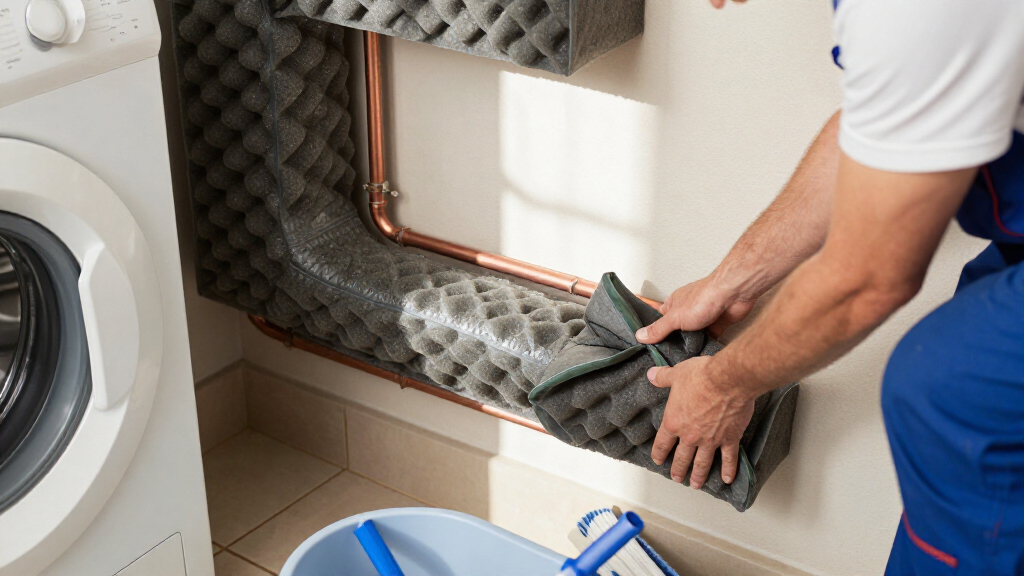
I ranked these options by how clearly their format and stated dimensions match a buyer’s likely job: insulating a straight plumbing run, covering an HVAC line set, or wrapping short, irregular sections. Fit comes first, so inner diameter, stated pipe size, wall thickness, and length matter more than broad claims about insulation. I also compared installation demands, coverage per package, and whether the product’s form is practical for its intended use. A tube that fits a known pipe size can be simpler to apply, while tape and wrap can work across bends but call for more careful overlap and coverage.
The ranking favors products with a clear, useful role and enough stated specifications to guide selection. The Wazitin tubes lead as a general-purpose starting point because self-adhesive tube format suits direct runs; specialized HVAC covers and long wraps rank for narrower jobs rather than universal use. I do not treat different materials or formats as interchangeable, and I avoid claiming performance levels that the supplied product details do not establish. Before buying, verify pipe measurements and the manufacturer’s guidance for the location and temperature conditions.
Factors to Consider When Choosing Best Pipe Insulation
Choosing pipe insulation is less about picking the thickest-looking option and more about matching the product to the line, location, and installation. I’d work through these factors before deciding between a tube, tape, or wrap.
Measure the Pipe, Not Just the Label
Measure the pipe’s outside diameter, then compare it with the insulation’s stated inner diameter or supported pipe size. Those figures describe different things: a product listed for a 1/2-inch pipe may not have a 1/2-inch inner diameter. A loose fit can leave gaps, while a tube that is too tight can be difficult to close or may not sit correctly. For nonstandard plumbing, check whether fittings and valves are wider than the straight pipe and plan separate coverage for them. When the product gives only a general size, verify the manufacturer’s sizing guidance before ordering.
Choose a Format That Matches the Route
Preformed tubes make the most sense on long, relatively straight runs where a close-fitting sleeve can be placed along the pipe. Tape or flexible wrap is easier to shape around bends, junctions, and short repair areas, though consistent overlap takes attention. Multi-layer HVAC covers serve exposed line sets rather than acting as a universal replacement for plumbing tube. A common mistake is choosing tape for a long, simple run when a correctly sized tube would reduce application work. Conversely, forcing a rigid or preformed tube around a crowded bend can leave openings that defeat the purpose of coverage.
Match Thickness to the Conditions
Wall thickness is one factor in insulation, but it does not tell the whole story about suitability. Consider whether the pipe is indoors, in a drafty area, or exposed to outdoor conditions, and check the product’s stated temperature and environmental limits. A thicker product can be harder to fit into a narrow gap, around closely spaced pipes, or beneath existing covers. Do not assume a foam tube is suitable for every hot-water line or exterior application just because its dimensions fit. Follow the product instructions and local plumbing guidance for the actual installation conditions.
Plan Coverage Around Fittings and Gaps
Insulation often leaves its weakest spots at elbows, tees, valves, and places where separate pieces meet. Before choosing a package, estimate the full route and count those interruptions rather than measuring only the straight pipe length. Flexible tape can help cover unusual shapes, but it needs steady overlap without crushing or stretching the material excessively. Tube sections are quicker on straight lengths, yet they may need additional cuts or compatible material around fittings. A tidy, continuous installation generally matters more than buying a larger quantity of a format that cannot reach the difficult areas.
Compare Package Length With the Job
Short multi-packs can be a sensible fit for localized repairs or a few separate pipe sections, while long rolls and wraps can reduce interruptions on extended routes. Calculate the run length and allow for bends, overlaps, and cuts before deciding how much coverage you need. Package length alone does not show how much pipe will be covered, since tape width and application overlap affect the finished result. Avoid assuming that two products with similar stated lengths offer equivalent coverage. If the route includes several pipe sizes, a mix of correctly sized tubes and flexible material may be more practical than one oversized purchase.
Check Adhesives, Materials, and Installation Limits
Self-adhesive products can speed installation, but adhesion depends on a clean, dry surface and suitable conditions. Dust, moisture, oily residue, or cold application surfaces can interfere with sticking, so follow the product’s surface-preparation instructions. Also check whether the material is intended for the pipe’s location and operating conditions; water resistance or multiple layers should not be read as proof of suitability for every outdoor or HVAC use. If the line needs future inspection or maintenance, think about how easily the insulation can be opened and replaced. Paying more for a purpose-specific cover may make sense on an exposed HVAC line, while a straightforward indoor run may not need that added specialization.
Frequently Asked Questions
How do I choose the right pipe insulation size?
Measure the pipe’s outside diameter with a ruler or caliper, then match it to the product’s supported pipe size or inner diameter as specified by the manufacturer. Do not assume those two measurements are the same; listings may state either one. Check the fit at joints and fittings as well, since these can be wider than the straight pipe. If your pipe falls between listed sizes, ask the manufacturer rather than forcing an undersized tube into place. A correctly fitting product is more useful than choosing extra thickness that does not fit the line.
Should I buy foam tubes or insulation tape?
For a straight run with a known pipe diameter, a preformed foam tube is usually easier to place consistently. Tape is more adaptable around bends, unusual fittings, and small repair areas, but careful overlap takes time and affects how much of the roll you use. Long flexible wraps can suit mixed or irregular routes, while tubes reduce the need to shape insulation along simple lengths. Many projects need both formats for different parts of the same run. Choose based on the route and obstacles, not only on which product has a longer package length.
Can I use regular foam pipe insulation on an HVAC line set?
Not every foam tube is intended for an HVAC line set, so check the product’s stated application and the HVAC equipment maker’s guidance. This roundup includes dedicated multi-layer line covers from COVERTIFY and AXIFOUJ, which have a different stated purpose from general plumbing tubes. Consider the line’s location, exposure, and operating conditions before choosing a material. A product’s layered construction alone does not establish that it suits every climate or system. When requirements are unclear, use insulation specified for that HVAC application or consult a qualified technician.
Is self-adhesive insulation easier to install?
It can reduce the need for separate fastening, especially on accessible, straight sections, but it is not automatically easier in every situation. The surface needs to meet the product’s preparation instructions, and adhesive closures may be awkward around tight bends or cramped spaces. Tape can follow irregular shapes but calls for controlled overlap along the route. For a beginner covering a simple run, a self-adhesive tube may be a convenient format; for multiple obstacles, flexible tape may offer more control. Dry-fit the pieces first so cuts and joints line up before pressing adhesive surfaces together.
Can one insulation product cover an entire pipe run?
Sometimes, but it depends on whether the run has consistent pipe sizing, straight sections, and fittings that the product can cover. A tube may handle the main length neatly while leaving valves, elbows, or transitions uncovered. Flexible tape or wrap can fill those gaps, but using it across every section may take longer than combining formats. This lineup includes short foam covers, six-foot tubes, and longer rolls, so package length and route shape both affect the choice. Map the route and measure each pipe size before ordering; that helps prevent leftover material in one size and uncovered sections in another.
Conclusion
For a general straight-run project, I’d choose Wazitin Self-Adhesive Foam Pipe Insulation Tubes as the best overall starting point; its tube format and self-adhesive design suit a direct installation, provided the size matches. Best value depends on the job: CARGEN’s size-specific six-foot tubes are a practical choice when you need a known diameter, while the longer QWORK tape may better suit a route with varied shapes. For a best premium or purpose-specific pick, consider the COVERTIFY 5-Layer HVAC Cover for an HVAC line set rather than paying for a specialized cover on ordinary plumbing. Beginners with a simple run should look at self-adhesive tubes, while buyers covering short, irregular sections may prefer DEMEDO or XFasten tape. For longer flexible coverage, compare the Frost King fiberglass wrap and QWORK tape against the route and installation instructions; the right pick is the one that fits the pipe and conditions, not simply the longest or thickest option.
Evergreen bestsellers Picks
bestsellers
As an affiliate, we earn on qualifying purchases.