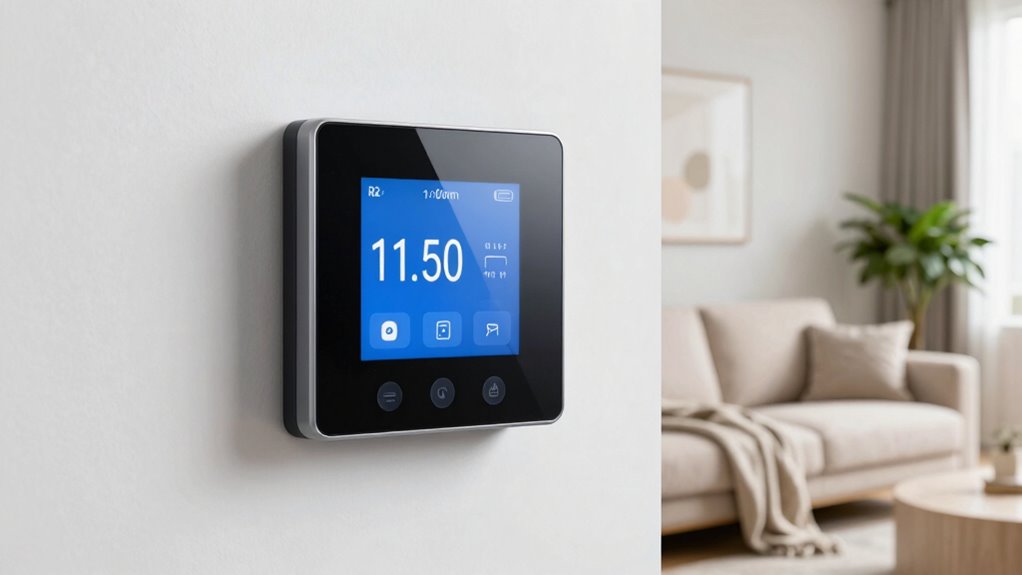

In daily life, the most important smart thermostat features include automatic learning of your habits to optimize comfort and save energy, remote control through your smartphone, and voice command support for convenience. It also provides alerts for system issues and air filter needs, helping you maintain your HVAC system effortlessly. With easy installation and compatibility with your home setup, these features make managing your home’s temperature smarter and simpler—keep going to discover more ways these tools can improve your home experience.

Get cleaning gear delivered free — and shop member deals
- Fast, free delivery on millions of items
- Access to Prime Big Deal Days deals on October 6–7
- Prime Video, Amazon Music and more included
Key Takeaways
- Adaptive learning adjusts temperature based on user habits for comfort and energy savings.
- Remote control via smartphone allows convenient temperature adjustments anytime, anywhere.
- Automatic system alerts help maintain HVAC efficiency and prevent costly repairs.
- Easy installation ensures proper communication with existing HVAC systems for optimal performance.
- Energy-saving tips and seasonal adjustments promote efficient energy consumption daily.
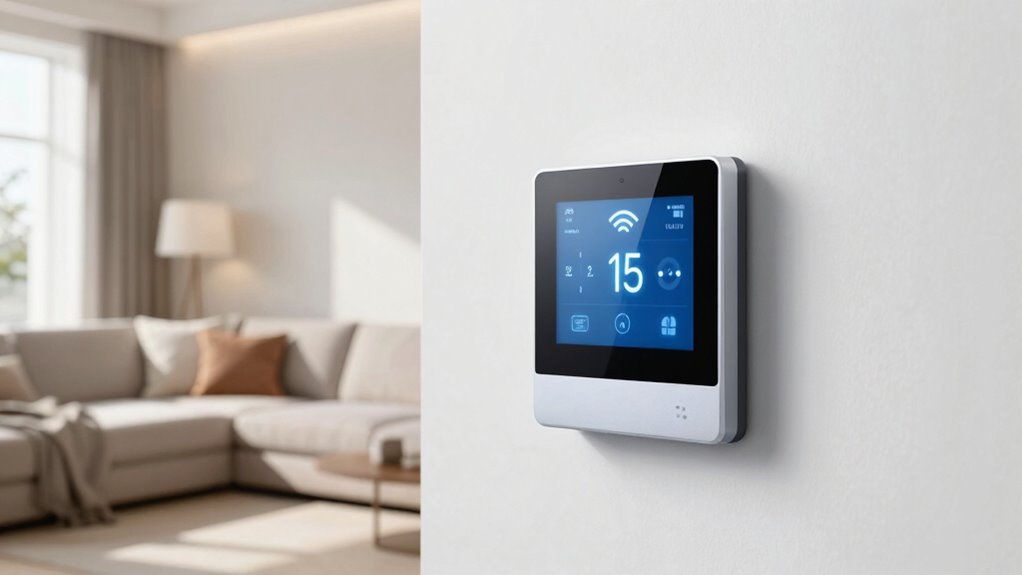
Are you wondering what makes smart thermostats stand out from traditional models? It’s their ability to learn your habits, enhance comfort, and save energy that truly sets them apart. These devices are packed with features designed to make your daily life easier while helping you cut down on energy bills. One of the most valuable aspects is their capacity to adapt to your schedule, automatically adjusting temperature settings when you’re home, away, or asleep. This means you don’t have to manually change the thermostat constantly, leading to more efficient energy use and lower costs.
Smart thermostats also come equipped with energy saving tips built into their systems. They analyze your heating and cooling patterns, providing insights and suggestions to further reduce unnecessary energy consumption. For example, they might recommend lowering the temperature during the day when you’re at work or adjusting the settings for maximum efficiency during different seasons. These tips empower you to make smarter choices without sacrificing comfort, ultimately saving you money in the long run.
Smart thermostats analyze your habits, offering tips to save energy and money without sacrificing comfort.
Another key feature is their user-friendly interface, which allows you to control your thermostat remotely via smartphone apps. Whether you’re at work, on vacation, or just lounging in bed, you can easily tweak your home’s temperature with a few taps. This remote access not only enhances convenience but also ensures you’re not wasting energy heating or cooling an unoccupied house. Plus, many models support voice commands through smart home assistants, making adjustments even more seamless.
Installation guidelines are straightforward for most smart thermostats, but adhering to them guarantees maximum performance. Typically, you’ll need to ensure your existing wiring is compatible and follow the manufacturer’s instructions carefully. Many devices come with step-by-step installation guides, and some even offer professional setup options if you prefer expert help. Proper installation guarantees that the thermostat communicates effectively with your heating and cooling systems, maximizing energy efficiency and reliability. Additionally, installation instructions can vary depending on your specific home setup, so reviewing these details beforehand can prevent issues later.
In addition to energy savings, these thermostats often feature alerts to notify you of issues like system malfunctions or air filter replacements. Such proactive notifications help you maintain your HVAC system’s health, preventing costly repairs down the line. Incorporating indoor air quality monitoring features, some models can also track air quality levels and suggest improvements, further enhancing your home’s health. Overall, the combination of intelligent programming, remote control, and maintenance alerts makes smart thermostats a practical upgrade for any home. By leveraging these features and following simple installation guidelines, you enjoy a more comfortable, energy-efficient living space with less effort.
smart thermostat with remote control
As an affiliate, we earn on qualifying purchases.
As an affiliate, we earn on qualifying purchases.
Frequently Asked Questions
Can Smart Thermostats Reduce My Energy Bills Significantly?
Yes, smart thermostats can considerably reduce your energy bills through energy savings and cost reduction. They learn your schedule, adjust temperatures automatically, and optimize heating and cooling to use less energy when you’re not home. With features like remote control and usage insights, you can fine-tune your settings for maximum efficiency. Over time, these smart adjustments lead to noticeable savings, making your home more energy-efficient and lowering your monthly expenses.
Are Smart Thermostats Compatible With All HVAC Systems?
You might find it surprising, but smart thermostats aren’t compatible with all HVAC systems. Installation compatibility varies depending on your system’s age and type. Before buying, check if your system supports system integration with smart thermostats. Some models work seamlessly with modern systems, while others need additional components or upgrades. Always verify compatibility first, so you can enjoy the smart features without any hassle or unexpected surprises.
How Secure Is My Data With Smart Thermostat Apps?
Your data security with smart thermostat apps depends on the manufacturer’s measures. Many use data encryption to protect your information from hackers, but privacy concerns remain if companies collect more data than necessary. To stay safe, choose brands with strong security protocols and transparent privacy policies. Regularly update the app and your device to guarantee you benefit from the latest security improvements, reducing risks associated with data breaches.
Do Smart Thermostats Work During Power Outages?
About 80% of smart thermostats lose functionality during power outages, so they often don’t work without backup power. You can’t rely solely on them when the power’s out, but many models include manual control options, allowing you to adjust your temperature directly on the device. To guarantee continuous comfort, consider installing a backup power source or a thermostat with integrated battery backup.
Can I Control My Smart Thermostat Remotely Without Wi-Fi?
You can’t control your smart thermostat remotely without Wi-Fi because remote access relies on an internet connection. Offline operation allows manual adjustments directly on the thermostat itself, but it won’t enable you to change settings remotely. If you want to manage your thermostat when Wi-Fi is down, verify it has a local interface, like a touchscreen or physical controls, so you can still make necessary adjustments without relying on remote access.
voice-controlled smart thermostat
As an affiliate, we earn on qualifying purchases.
As an affiliate, we earn on qualifying purchases.
Conclusion
In the world of smart thermostats, these features are your trusty compass and guiding star, steering you toward comfort and savings with every tap and tweak. Think of them as the silent maestros conducting your home’s symphony of temperature, ensuring every room feels just right. Embrace these smart tools, and you’ll navigate your daily life with the ease of a seasoned sailor, effortlessly balancing coziness and energy efficiency—your home’s perfect duet.
As an affiliate, we earn on qualifying purchases.
smart thermostat with energy saving tips
As an affiliate, we earn on qualifying purchases.
As an affiliate, we earn on qualifying purchases.
Fall Picks
fall essentials
As an affiliate, we earn on qualifying purchases.