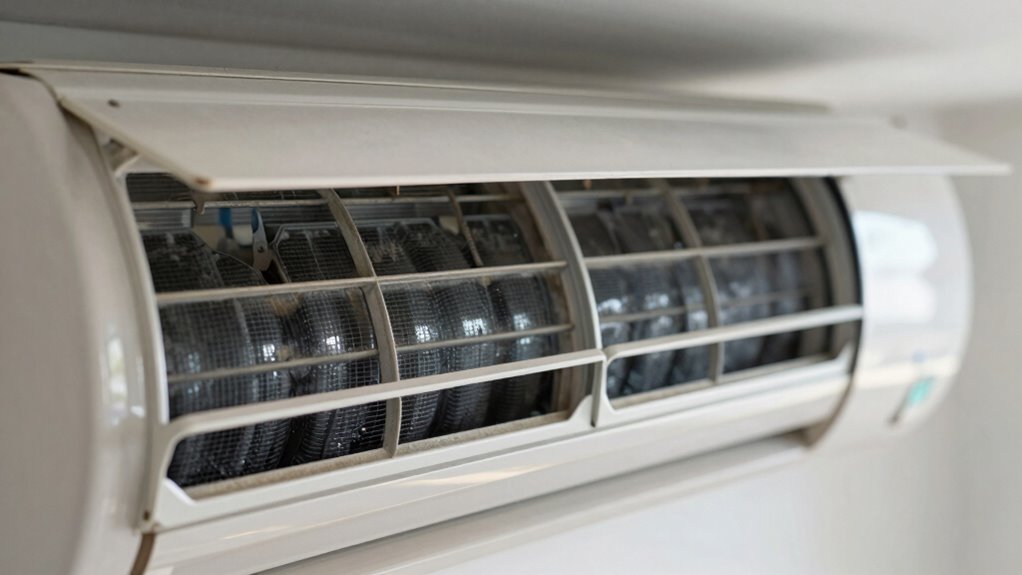

Air conditioner short cycling happens when your system turns on and off too quickly, often because of refrigerant leaks or thermostat problems. Refrigerant leaks reduce heat absorption, causing the AC to shut down prematurely, while faulty or misplaced thermostats send false signals, making the system cycle often. These issues strain your AC and waste energy. If you want to uncover more about what causes this problem and how to fix it, keep exploring.

Get cleaning gear delivered free — and shop member deals
- Fast, free delivery on millions of items
- Access to Prime Big Deal Days deals on October 6–7
- Prime Video, Amazon Music and more included
Key Takeaways
- Refrigerant leaks reduce cooling efficiency, causing the system to frequently turn on and off.
- Faulty or miscalibrated thermostats send incorrect signals, triggering short cycling.
- Incorrect thermostat placement in sunlight or drafts leads to inaccurate temperature readings.
- Overworking the system due to dirty filters or blocked vents causes rapid on/off cycling.
- System components like compressors or pressure switches malfunction, prompting frequent shutdowns.
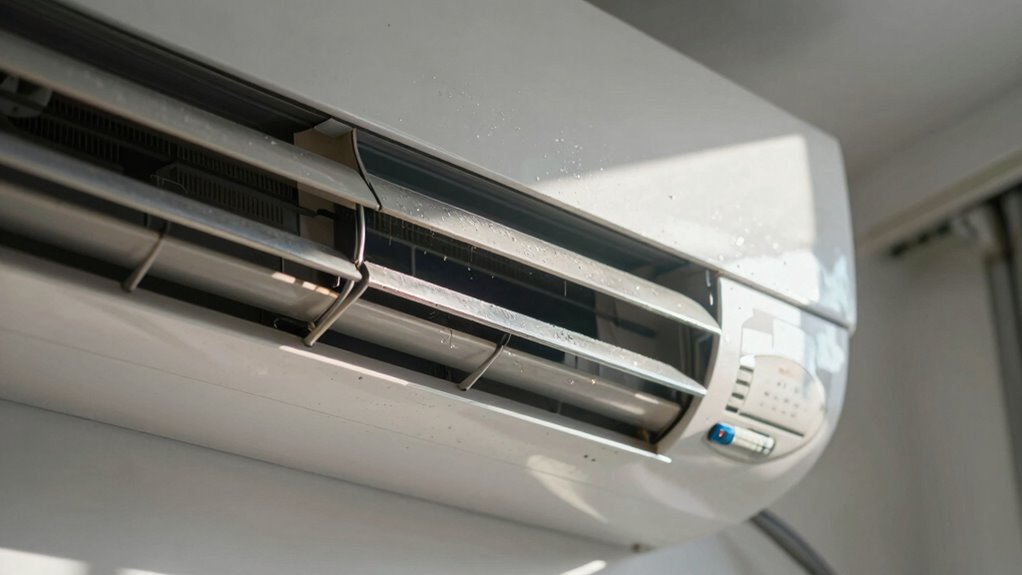
If your air conditioner keeps turning on and off frequently, you’re experiencing short cycling, a common issue that can strain your system and reduce its efficiency. Short cycling happens when your AC reaches the desired temperature quickly and then shuts off, only to turn back on shortly after. This cycle repeats constantly, wasting energy and potentially damaging your unit over time. Several factors can cause this problem, but two of the most common culprits are refrigerant leaks and thermostat issues.
Refrigerant leaks are a major cause of short cycling. When your system loses refrigerant, it can’t absorb heat effectively, which means your AC struggles to cool your space properly. As a result, the system might shut off prematurely to protect itself from overheating or overworking. You might notice ice forming on the coils or a hissing sound, indicating a leak. If left unchecked, refrigerant leaks not only cause short cycling but also lead to more significant damage and costly repairs. Fixing this often involves locating and sealing the leak and refilling the refrigerant to the appropriate level. Proper refrigerant management is essential for maintaining system efficiency and preventing issues like short cycling. A refrigerant leak can also cause your compressor to work harder, increasing the risk of overheating and failure over time. Additionally, low refrigerant levels can cause the system to run inefficiently, increasing energy consumption and wear on components.
Thermostat issues are another common cause. If your thermostat is malfunctioning or inaccurately calibrated, it can send incorrect signals to your AC, causing it to turn on and off too frequently. For instance, a dirty or faulty thermostat might think the room is cooler than it actually is, prompting the system to shut off prematurely. Alternatively, a thermostat placed in a location with direct sunlight or drafts can give false readings, leading to erratic cycling. Ensuring your thermostat is correctly calibrated, clean, and placed in an ideal spot can help eliminate this problem. Sometimes, upgrading to a modern, programmable thermostat can provide more precise readings and better control over your cooling system. Regularly checking your refrigerant levels and inspecting your thermostat can help prevent short cycling and improve overall system performance. Proper thermostat placement also plays a vital role in accurate temperature readings and system efficiency. Remember, a well-maintained thermostat is crucial for consistent cooling and avoiding unnecessary cycling.
refrigerant leak detection kit for AC
As an affiliate, we earn on qualifying purchases.
As an affiliate, we earn on qualifying purchases.
Frequently Asked Questions
Can a Dirty Filter Cause Short Cycling?
Yes, a dirty filter can cause short cycling. When your air filter isn’t maintained properly, it restricts indoor airflow, making your AC work harder to cool your space. This strain can trigger the system to turn on and off frequently. Regular air filter maintenance guarantees smooth airflow, helping your AC run efficiently and preventing short cycling. Keep your filter clean to improve performance and extend your system’s lifespan.
How Does Refrigerant Level Affect Short Cycling?
Low refrigerant levels can cause your AC to short cycle because of refrigerant leakage or pressure imbalance. When refrigerant leaks, the system struggles to maintain proper pressure, making the compressor turn on and off frequently. This rapid cycling prevents effective cooling and puts stress on your unit. To fix this, you’ll need a professional to locate the leak, recharge the refrigerant, and restore proper pressure balance for smooth operation.
Is Short Cycling Harmful to My AC Unit?
Short cycling isn’t harmful to your AC unit directly, but it can reduce its energy efficiency and increase noise levels. When your system turns on and off rapidly, it works harder to reach the desired temperature, wasting energy and causing wear on components. Over time, this can lead to more frequent repairs. To maintain the best performance, address the root causes of short cycling and keep your unit running smoothly.
Can Improper Thermostat Placement Cause Short Cycling?
Yes, improper thermostat placement can cause short cycling. If your thermostat isn’t accurately positioned or calibrated, it may misinterpret temperature signals, causing your AC to turn on and off frequently. For peak performance, guarantee your thermostat is placed away from direct sunlight, drafts, or heat sources, and check that it’s calibrated correctly. Proper placement accuracy helps your system run efficiently, reducing short cycling issues and preventing unnecessary wear.
How Often Should I Have My AC Serviced to Prevent Short Cycling?
Think of your AC like a car engine—regular check-ups keep it running smoothly. You should have your system serviced at least once a year, ideally before peak cooling season. Regular maintenance boosts energy efficiency and extends system longevity, reducing the chances of short cycling. Neglecting this can cause strain, leading to costly repairs and higher energy bills. Stay proactive to keep your AC efficient and reliable year-round.
programmable thermostat for air conditioner
As an affiliate, we earn on qualifying purchases.
As an affiliate, we earn on qualifying purchases.
Conclusion
Understanding why your air conditioner short cycles helps you catch issues early. For example, if your unit turns on and off repeatedly, it might be overworked or dirty filters are blocking airflow. Addressing these problems promptly can save you money and extend your AC’s lifespan. Regular maintenance, like cleaning filters and checking refrigerant levels, guarantees your system runs smoothly. By staying vigilant, you keep your home comfortable and avoid costly repairs down the road.
As an affiliate, we earn on qualifying purchases.
As an affiliate, we earn on qualifying purchases.
Fall Picks
fall essentials
As an affiliate, we earn on qualifying purchases.