If dry indoor air causes your nosebleeds, using a humidifier can help hydrate your nasal passages without overdoing it. Set it to maintain humidity levels between 30% and 50%, and monitor regularly with a hygrometer. Make sure to keep your humidifier clean to prevent mold and bacteria. Combining this with saline sprays and staying well-hydrated can protect your nose from cracking. Keep going to discover more tips for a cozy, healthier environment.

Get cleaning gear delivered free — and shop member deals
- Fast, free delivery on millions of items
- Access to Prime Big Deal Days deals on October 6–7
- Prime Video, Amazon Music and more included
Key Takeaways
- Use a hygrometer to keep humidity levels between 30% and 50% for optimal nasal moisture.
- Regularly clean your humidifier to prevent mold, bacteria, and ensure safe, effective humidification.
- Incorporate saline nasal sprays or rinses to directly hydrate nasal passages without excess moisture.
- Drink plenty of water daily to maintain overall hydration and support healthy nasal tissues.
- Avoid over-humidifying your environment to prevent mold and dust mites, which can worsen respiratory issues.

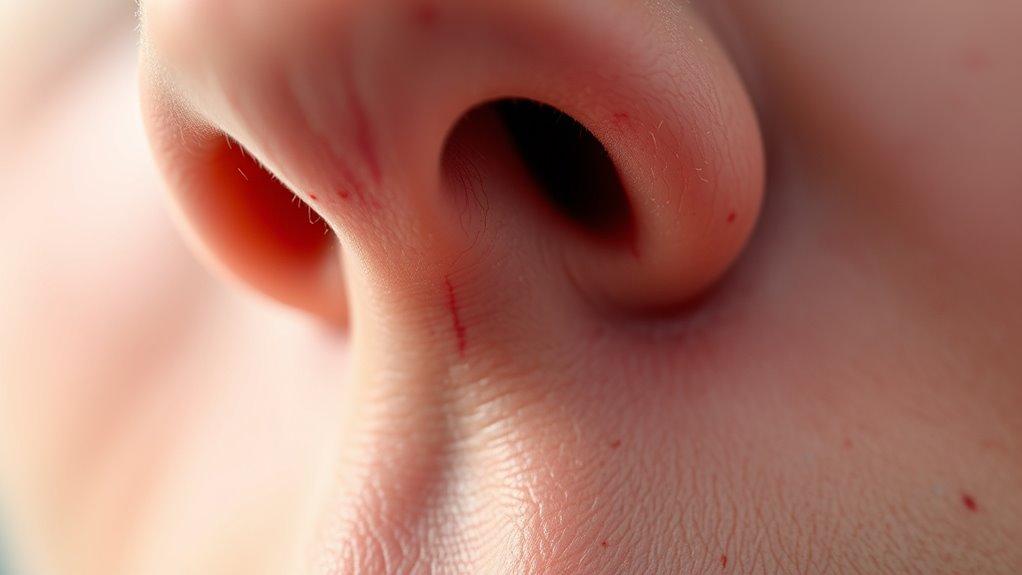
Dry air is a common cause of nosebleeds, especially during winter months or in arid environments. When the air lacks moisture, the delicate lining inside your nose becomes dry and cracked, making it more prone to bleeding. To combat this, many people turn to humidifiers for relief. These devices add moisture to the air, offering significant humidifier benefits that can help prevent nosebleeds caused by dryness. By increasing the humidity in your environment, a humidifier helps maintain nasal hydration, which is essential for the health of your nasal tissues. Proper nasal hydration keeps the mucous membranes moist, reducing the likelihood of cracks and bleeding. Additionally, understanding the importance of sound design principles can help you create a calming environment that promotes nasal comfort and overall well-being.
Using a humidifier isn’t complicated, but it’s important to use it correctly. You want to keep the humidity level in your home or office between 30% and 50%. Too much moisture can encourage mold growth or dust mites, which could worsen respiratory issues. To achieve the right balance, consider using a hygrometer—a device that measures humidity—so you can monitor and adjust as needed. Regularly cleaning your humidifier is also crucial because mold and bacteria can grow inside, potentially causing infections or worsening dryness. When maintained properly, a humidifier becomes a reliable tool to promote nasal hydration and reduce nosebleeds caused by dry air.
In addition to using a humidifier, other measures can support nasal health. Saline nasal sprays or rinses are simple, effective options for keeping your nasal passages moist. They work by directly hydrating the mucous membranes, especially helpful if you’re in an environment where humidity can’t be easily controlled. Drinking plenty of water also plays a vital role in nasal hydration, ensuring your body maintains overall moisture levels. Avoiding irritants like cigarette smoke, strong fumes, and pollutants further helps protect your nasal lining from becoming overly dry and prone to bleeding.
As an affiliate, we earn on qualifying purchases.
Frequently Asked Questions
Can Allergies Cause Dry Air Nosebleeds?
Yes, allergies can cause dry air nosebleeds. When you’re exposed to allergy triggers, they lead to nasal inflammation, making your nasal passages more prone to cracking and bleeding. This inflammation dries out your nasal tissues, increasing the risk of nosebleeds. To help, avoid allergens and keep your nasal passages moist with saline sprays. Staying hydrated also supports nasal health, but don’t overdo it—balance is key.
Are Nosebleeds More Common in Winter?
Nosebleeds tend to spike in winter, like a snowball rolling downhill. Cold air and indoor heating dry out your nasal passages, making them prone to cracks and bleeding. When you’re exposed to chilly air, your nose struggles to stay moist. To protect yourself, use a humidifier and keep nasal passages hydrated. This helps prevent those pesky nosebleeds, turning winter’s icy grip into a safer season.
How Does Humidity Affect Nasal Health?
Humidity plays a essential role in your nasal health by maintaining nasal moisture, which helps prevent dryness and irritation. Using a humidifier offers benefits by adding moisture to the air, reducing your risk of nosebleeds caused by dry nasal passages. When the air is adequately humidified, your nasal tissues stay moist and healthy, making it easier to breathe comfortably and less prone to bleeding or irritation.
When Should I See a Doctor for Nosebleeds?
When nosebleeds become a recurring storm, it’s time to see a doctor. If they’re heavy, last longer than 20 minutes, or follow a head injury, don’t wait for calmer waters. Also, seek help if nosebleeds are linked to cosmetic procedures or nasal infections, as these can signal underlying issues. Prompt care guarantees your nasal health remains steady, preventing minor leaks from turning into major floods.
Can Dehydration Worsen Nosebleeds?
Dehydration effects can definitely worsen nosebleeds by drying out your nasal passages, making them more prone to bleeding. When you’re dehydrated, your body struggles to maintain proper nasal moisture, increasing the risk of cracks and irritation. To help prevent nosebleeds, stay well-hydrated and support nasal moisture. Drinking enough water keeps your nasal tissues supple and less susceptible to bleeding caused by dryness.
As an affiliate, we earn on qualifying purchases.
Conclusion
To keep nosebleeds caused by dry air at bay, think of humidifying your space like watering a delicate plant—it keeps everything healthy and thriving. Don’t overdo it; too much moisture can cause other issues. Instead, aim for balanced humidity, stay hydrated, and use simple remedies like saline sprays. By taking these steps, you’ll create a comfortable environment that’s as soothing as a gentle breeze, helping you breathe easier and avoid those pesky nosebleeds.
As an affiliate, we earn on qualifying purchases.
air humidifier with adjustable humidity
As an affiliate, we earn on qualifying purchases.
As an affiliate, we earn on qualifying purchases.
Evergreen bestsellers Picks
bestsellers
As an affiliate, we earn on qualifying purchases.