
If your home feels stuffy, has lingering odors, or shows signs of excess moisture like condensation or mold, you likely need better ventilation. You might notice dust buildup, drafts, uneven temperatures, or allergies worsening. Poor air circulation can cause headaches, fatigue, or respiratory issues too. Upgrading exhaust fans, adding air purifiers, or improving air exchange can boost air quality. Keep exploring to understand more ways to create a healthier indoor environment.

Get cleaning gear delivered free with Prime
- Fast, free delivery on millions of items
- Prime Video, Amazon Music and more included
- Member-only deals all year
Key Takeaways
- You notice persistent odors or a feeling of stuffiness in your home.
- There are signs of excess moisture, condensation, or mold growth on surfaces.
- Some rooms feel drafty, uneven in temperature, or have stagnant air pockets.
- Increased dust, allergy symptoms, or lingering airborne irritants indicate poor airflow.
- You experience headaches, fatigue, or respiratory issues that improve with better ventilation.
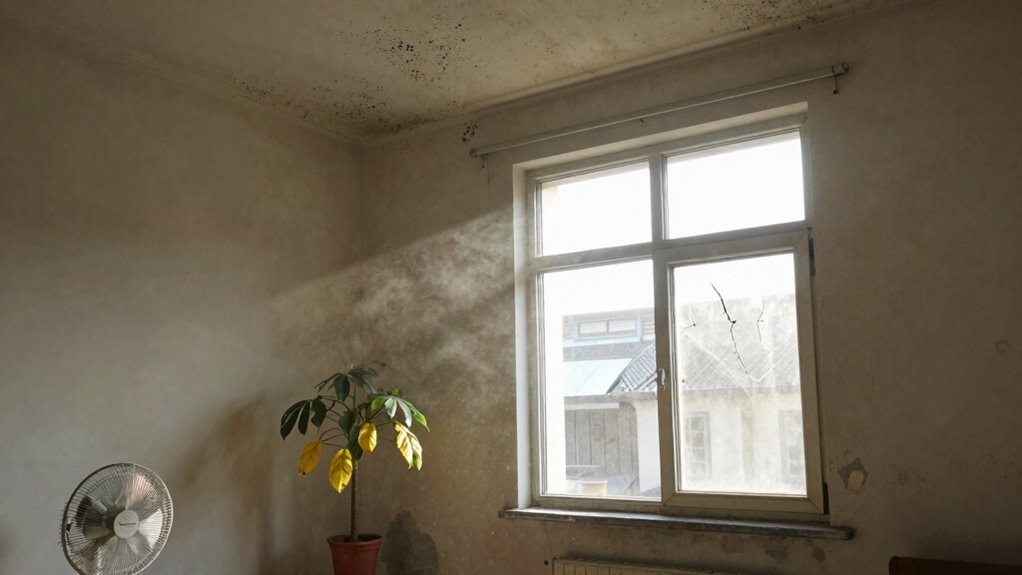
Good ventilation is essential for maintaining a healthy and comfortable home, but how can you tell if yours needs improvement? One of the clearest signs is your indoor air quality. If your home feels stuffy, or if you notice lingering odors, it’s a sign that your current ventilation systems might not be doing enough. Poor indoor air quality can lead to health issues like allergies, asthma, or respiratory infections, especially if pollutants and allergens build up over time. If you frequently experience headaches or fatigue, or if your home has a persistent smell of mold or dampness, it’s time to evaluate your ventilation.
Indoor air quality issues like stuffiness and lingering odors signal the need to improve your home’s ventilation.
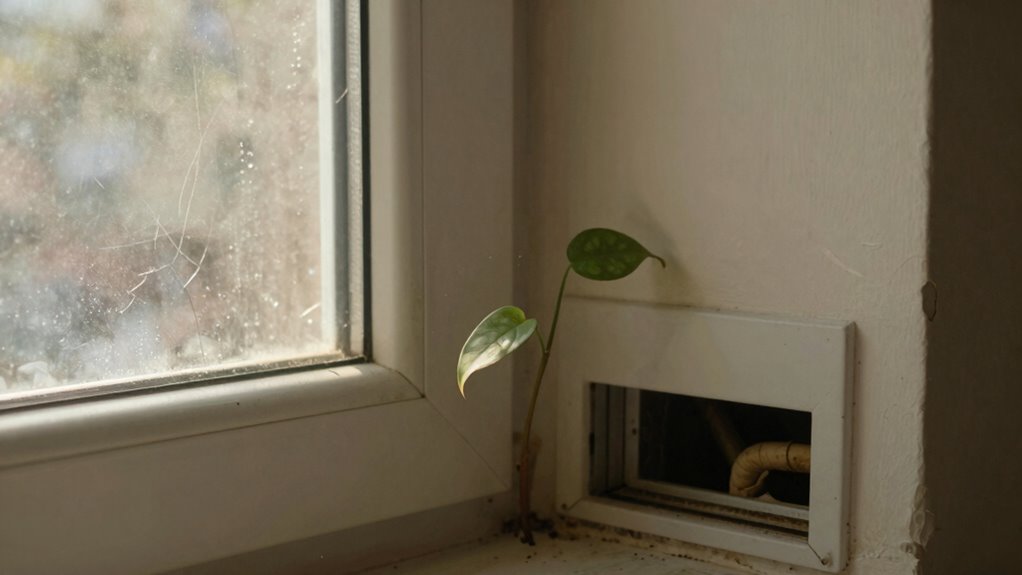
Another way to gauge whether your home needs better ventilation is to pay attention to condensation and moisture levels. Excess humidity can cause condensation on windows, walls, or ceilings, which creates an environment conducive to mold growth. Mold not only damages your property but also impacts your indoor air quality, releasing spores that can worsen respiratory problems. If you notice mold growth in bathrooms, kitchens, or basements, it’s a clear indication that your ventilation isn’t effectively removing excess moisture. Ensuring proper ventilation can help control humidity levels and prevent mold development. Additionally, maintaining proper airflow can reduce the buildup of airborne pollutants and improve overall indoor air quality.
You should also consider the presence of drafts and uneven temperatures throughout your house. If some rooms are noticeably colder or hotter than others, it suggests that your ventilation isn’t distributing air efficiently. This inefficiency can result in stale air pockets that trap pollutants, allergens, and humidity. Properly functioning ventilation systems should promote a steady flow of fresh air into your home and exhaust stale, contaminated air out. When this flow is disrupted, indoor air quality suffers. Properly balanced ventilation can also reduce energy costs by improving temperature regulation.
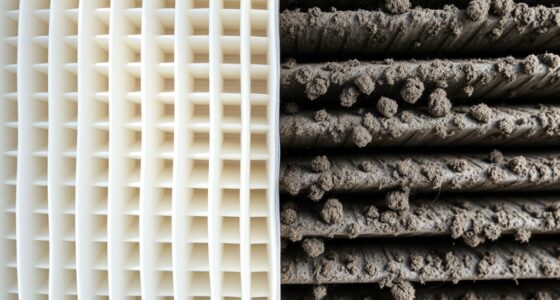
Lastly, take note of any visible dust buildup or increased allergy symptoms among your household members. If dust seems to settle quickly or if you notice increased sneezing and congestion, it indicates that your home’s air isn’t circulating well enough to remove airborne particles. Good ventilation helps filter out dust, pollen, pet dander, and other irritants, maintaining a healthier indoor environment. Regular cleaning combined with effective ventilation is key to minimizing airborne particles and improving overall comfort.
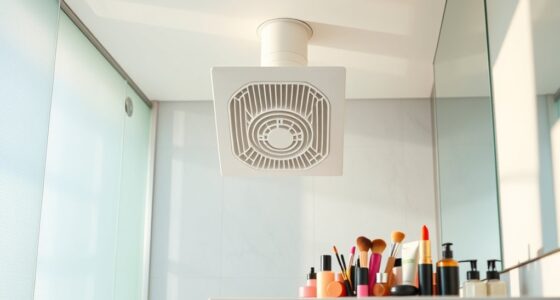
If you recognize these signs—poor indoor air quality, excess moisture, uneven temperatures, or increased dust—you’ll want to assess your current ventilation systems. Upgrading or adding ventilation solutions like exhaust fans, air purifiers, or even a whole-house ventilation system can considerably improve your indoor air quality. Proper ventilation isn’t just about comfort; it’s about safeguarding your health and creating a space where you can breathe easily.
As an affiliate, we earn on qualifying purchases.
Frequently Asked Questions
Can Poor Ventilation Cause Long-Term Health Issues?
Yes, poor ventilation can cause long-term health issues. When your home doesn’t have good airflow, indoor air quality drops, trapping pollutants, mold, and allergens. This can lead to respiratory health problems like asthma, allergies, or chronic bronchitis. Over time, these issues might worsen, affecting your overall well-being. Ensuring proper ventilation keeps the air fresh, helps maintain indoor air quality, and protects your respiratory health long-term.
How Often Should I Inspect My Home’s Ventilation System?
You should inspect your home’s ventilation system at least twice a year, especially during seasonal changes. This helps maintain air quality and prevents moisture buildup, which can lead to mold and structural issues. Coincidentally, noticing musty odors or increased condensation signals it’s time for a check. Regular inspections guarantee your ventilation system functions properly, keeping the air clean and avoiding long-term problems caused by poor airflow.
Are There Specific Signs of Mold Due to Inadequate Airflow?
Yes, you can spot mold growth as a sign of poor airflow. If you notice black or green patches on walls, ceilings, or around windows, it’s often due to inadequate air circulation. Mold thrives in damp, stagnant air, so persistent musty odors or visible mold indicate your home might need better ventilation. Improving airflow helps reduce moisture buildup, preventing mold from taking hold and protecting your indoor air quality.
What Are the Best Ventilation Solutions for Small Homes?
Think of your small home as a breathing creature—proper airflow patterns keep it healthy. To improve ventilation, consider simple upgrades like exhaust fans in kitchens and bathrooms, or installing a compact HRV system. These ventilation upgrades enhance airflow, reduce humidity, and prevent mold. Keep windows open when possible, and use air purifiers to circulate fresh air. Small changes can make a big difference in your home’s comfort and air quality.
Does Ventilation Impact Energy Efficiency and Utility Bills?
Ventilation greatly impacts your energy efficiency and utility bills. Proper ventilation improves indoor air quality by removing pollutants and excess humidity, which helps your HVAC system work more effectively. Regular ventilation maintenance ensures your system functions at its best, reducing energy waste. When your home is well-ventilated, you’ll notice lower utility costs and healthier indoor air, making it a smart move for both your comfort and your budget.
air purifiers for indoor air quality
As an affiliate, we earn on qualifying purchases.
As an affiliate, we earn on qualifying purchases.
Conclusion
Think of your home as a breathing friend—you want it to have invigorating air flowing freely, not suffocating in stagnant layers. If you notice lingering odors, condensation, or stuffiness, your home’s lungs might be struggling. Improving ventilation is like opening a window to a breezy paradise, inviting in clarity and comfort. Don’t let your sanctuary become a closed chamber—give it the fresh air it deserves, and watch it flourish with energy.
dehumidifiers for mold prevention
As an affiliate, we earn on qualifying purchases.
As an affiliate, we earn on qualifying purchases.
As an affiliate, we earn on qualifying purchases.
Halloween Picks
halloween
As an affiliate, we earn on qualifying purchases.