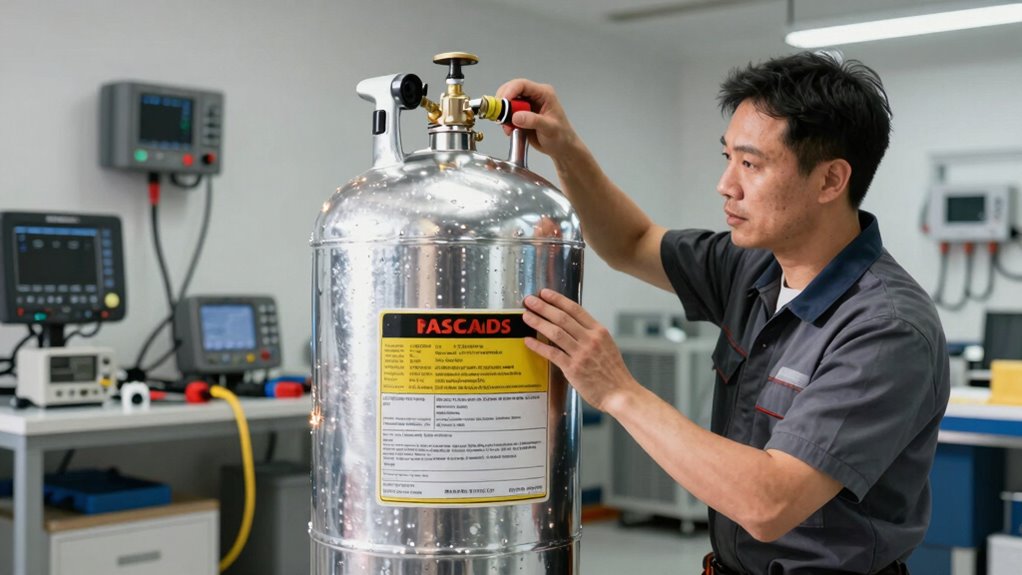

You need to include refrigerant safety in new HVAC content because it safeguards health and the environment. Proper management prevents leaks, reduces greenhouse gases, and helps comply with laws. It also promotes responsible handling, which minimizes accidents and environmental harm. Staying informed about safety protocols and regulations guarantees you act responsibly. If you keep exploring, you’ll discover how integrating refrigerant safety strengthens your skills and benefits everyone involved in HVAC work.
Prime for Young Adults — start your free trial
Fast free delivery, streaming and member deals for eligible 18–24 year olds.
As an affiliate, we earn on qualifying purchases.
Key Takeaways
- To ensure compliance with legal regulations and avoid penalties related to refrigerant handling and disposal.
- To promote environmental sustainability by preventing leaks and reducing greenhouse gas emissions.
- To protect technician and public health through proper safety protocols and PPE usage.
- To foster industry best practices that minimize environmental impact and prevent refrigerant leaks.
- To maintain professional credibility by demonstrating commitment to safety, legality, and environmental responsibility.

Refrigerant safety is a crucial aspect of HVAC work that often gets overlooked but can have serious health and environmental consequences if not handled properly. As someone involved in creating or updating HVAC content, you need to emphasize the importance of proper refrigerant management. When refrigerants leak or are improperly disposed of, they can contribute substantially to environmental harm, especially when they contain chemicals that deplete the ozone layer or trap heat in the atmosphere. Highlighting these risks helps guarantee technicians understand their role in protecting the environment, emphasizing the need to follow best practices for refrigerant handling and disposal.
Proper refrigerant management protects health and environment by preventing leaks and ensuring responsible disposal.
Regulatory compliance is another critical factor that your content must address. Different regions have strict laws governing the use, maintenance, and disposal of refrigerants. Failing to adhere to these regulations can lead to hefty fines, legal repercussions, and damage to your reputation. You should stress that staying updated with current regulations isn’t just about avoiding penalties—it’s about fostering a responsible approach to refrigerant management that prioritizes safety and environmental sustainability. Incorporating guidelines from agencies like the EPA or local environmental bodies can help technicians understand their legal obligations and the importance of documentation, leak inspections, and proper recovery procedures.
In your content, make it clear that refrigerant safety isn’t just about avoiding accidents but also about fostering a culture of environmental responsibility. Encourage technicians to use proper equipment and techniques to minimize leaks and ensure safe recovery and recycling of refrigerants. Stress that wearing appropriate personal protective equipment and following safety protocols reduces health risks. By doing so, you’re not only protecting individual technicians but also reducing the potential for refrigerant releases that harm the environment. Additionally, understanding refrigerant safety protocols can significantly reduce the risk of accidents and environmental damage. Staying informed about regulations and best practices is essential to ensure compliance and safety. It’s vital for HVAC professionals to recognize that environmental impact is directly linked to their handling procedures and choices. Developing a thorough understanding of refrigerant management practices can help ensure a safer work environment and better environmental outcomes.
Furthermore, explain that ongoing education and training are essential. The HVAC industry continuously evolves, with new refrigerants and regulations introduced regularly. Your content should motivate professionals to stay informed through certifications and training programs. This proactive approach helps guarantee they’re equipped with the latest knowledge on refrigerant safety, environmental impact, and regulatory compliance. It’s also important to recognize that regulatory updates can influence best practices, making continuous learning crucial. Ultimately, integrating these critical aspects into your HVAC content underscores that refrigerant safety isn’t just a technical necessity; it’s a fundamental responsibility that safeguards health, complies with laws, and protects the planet.
As an affiliate, we earn on qualifying purchases.
Frequently Asked Questions
How Do Refrigerants Impact Indoor Air Quality?
Refrigerants impact indoor air by potentially releasing chemicals that can compromise air quality. When leaks occur, you might experience chemical exposure, leading to health issues like headaches or respiratory problems. Proper maintenance and safety measures help prevent refrigerant leaks, ensuring that indoor air remains safe. Staying informed about refrigerant safety is essential, so you can protect yourself and others from harmful chemical exposure and maintain a healthy indoor environment.
Are There Eco-Friendly Refrigerant Alternatives Available?
Yes, eco-friendly alternatives to traditional refrigerants are available. You should consider refrigerants with low global warming potential (GWP) and ozone depletion potential (ODP), like R-32 or hydrofluoroolefins (HFOs). Remember, proper refrigerant disposal is vital to prevent environmental harm. Switching to eco-friendly refrigerants helps reduce your carbon footprint and promotes sustainability, aligning your HVAC practices with current environmental standards and ensuring safety for both the planet and your clients.
What Are the Signs of Refrigerant Leaks?
Think of refrigerant leaks as silent whispers in your system’s symphony. You’ll notice signs like a hissing sound, a sudden drop in cooling efficiency, or ice forming on coils. Use refrigerant detection tools to identify leaks early. Regular maintenance and leak prevention techniques are essential, as ignoring these signs can lead to costly repairs and environmental harm. Stay vigilant, and keep your system running smoothly and safely.
How Often Should Refrigerant Systems Be Inspected?
You should inspect refrigerant systems at least once a year to guarantee safety and efficiency. Regular refrigerant maintenance involves thorough leak detection techniques, such as using electronic leak detectors or soap bubbles, to catch leaks early. Frequent inspections help you identify issues before they escalate, reducing environmental risks and repair costs. Staying proactive with refrigerant safety not only protects your equipment but also keeps your system running smoothly all year round.
What Training Is Required for Safe Refrigerant Handling?
Did you know that improper refrigerant handling causes over 15,000 reported incidents annually? To stay compliant with refrigerant regulations, you need proper training on handling procedures. You should complete EPA-approved courses that cover safety protocols, leak detection, and recovery techniques. This training guarantees you’re aware of legal requirements and safety practices, reducing risks of leaks or accidents, and maintaining safe, effective refrigerant management in your HVAC work.
As an affiliate, we earn on qualifying purchases.
Conclusion
Incorporating refrigerant safety into your HVAC content isn’t just important—it’s absolutely essential. Think of it as the shield that protects your clients from potential hazards, turning what could be a minor oversight into a major disaster. By staying informed and emphasizing safety, you’re not only safeguarding lives but also solidifying your reputation as a trusted professional. Don’t let a small detail become the biggest mistake—cover refrigerant safety thoroughly and keep everyone safe as houses!
personal protective equipment for HVAC technicians
As an affiliate, we earn on qualifying purchases.
As an affiliate, we earn on qualifying purchases.
As an affiliate, we earn on qualifying purchases.
Fall yard work Picks
leaf blowers
As an affiliate, we earn on qualifying purchases.