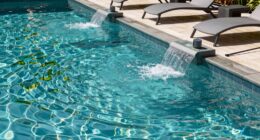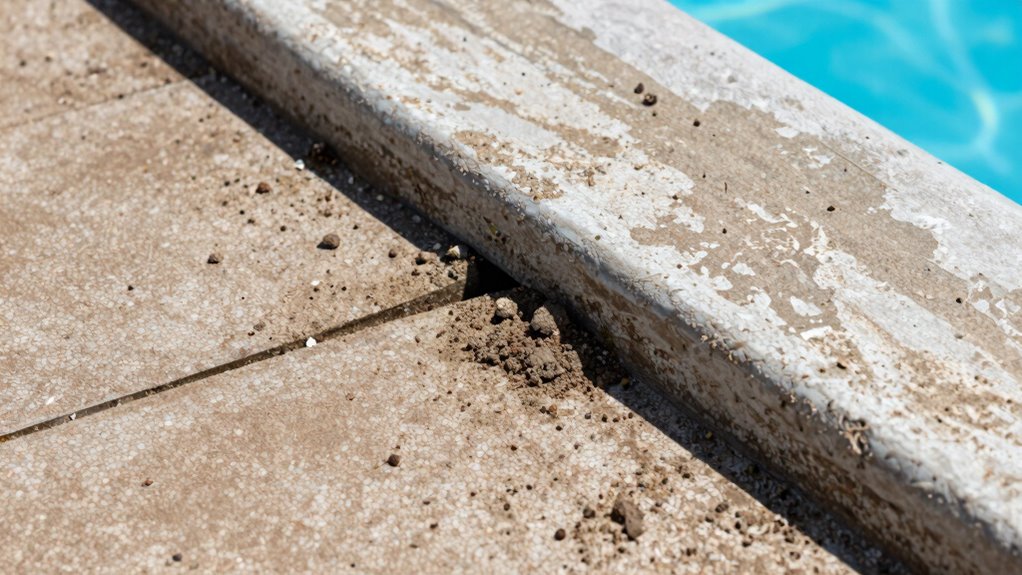

You might overlook hidden dirt traps around your pool deck, like the gaps beneath outdoor furniture and the cracks between pavers or concrete slabs. Debris, leaves, and dirt easily settle into these narrow spaces, making cleaning a challenge. Overgrown plants near edges and around utility fixtures also trap grime over time. Regularly inspecting and cleaning these overlooked areas can keep your pool area spotless. Keep going to discover more hidden spots that could be complicating your cleanup efforts.

Get cleaning gear delivered free with Prime
- Fast, free delivery on millions of items
- Prime Video, Amazon Music and more included
- Member-only deals all year
Key Takeaways
- Hidden gaps beneath outdoor furniture accumulate dirt and leaves, often overlooked during regular cleaning.
- Cracks and joints in deck surfaces trap debris, promoting mold growth if not thoroughly cleaned.
- Edges and corners of the pool area collect organic matter and debris from nearby plants.
- Drainage zones and utility fixtures tend to gather dirt, algae, and mold in damp conditions.
- Regular inspection of overlooked dirt traps ensures comprehensive maintenance and prevents debris buildup.
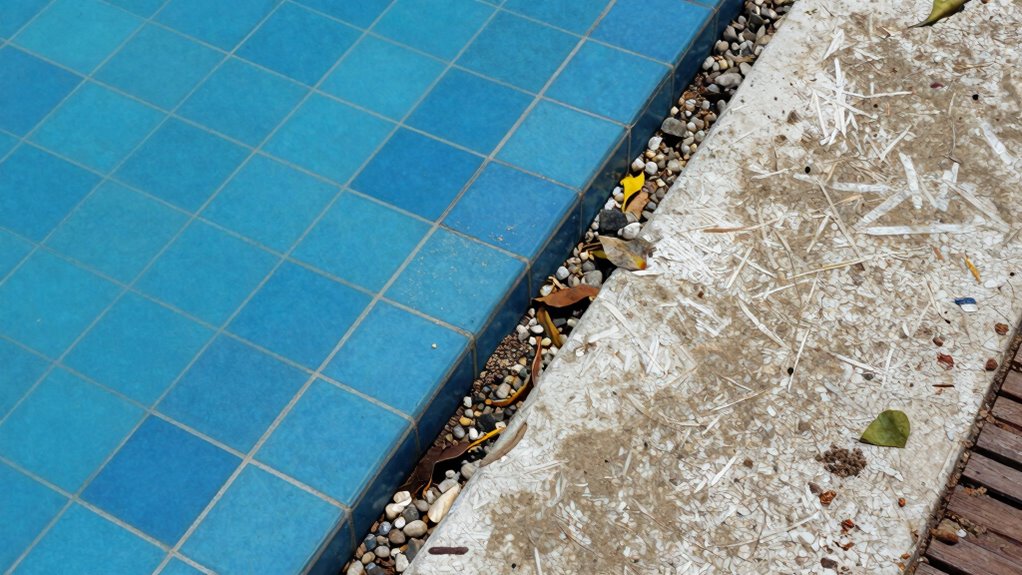
A common problem around pool decks is the accumulation of dirt and debris in certain areas, which can make your outdoor space look untidy and require frequent cleaning. While you might focus on visible spots like the main deck surface or around the pool edge, some dirt traps often go unnoticed, contributing to ongoing mess and complicating your pool deck maintenance. Recognizing these overlooked areas is key to developing effective outdoor cleaning strategies that keep your space pristine with less effort.
One frequently missed dirt trap is the space beneath or behind outdoor furniture. Chairs, loungers, and tables often sit on uneven ground or have gaps underneath, where dirt, leaves, and sand can settle undisturbed. Because these spots aren’t always visible or accessible, dirt accumulates over time, making cleaning more cumbersome. If you neglect these hidden areas, debris can also be tracked onto your clean deck when you move furniture around. Regularly lifting or moving furniture to sweep underneath helps prevent buildup and simplifies your overall outdoor cleaning strategies.
Cleaning beneath outdoor furniture prevents dirt buildup and makes outdoor maintenance easier.
Another overlooked dirt trap is the cracks and joints in your deck surface. Over time, dirt and grime settle into these narrow spaces, especially if the deck is made of concrete or pavers. Leaves and small debris can wedge into the crevices, creating a breeding ground for mold or mildew if moisture persists. These tiny spaces often require targeted cleaning with brushes or compressed air to remove debris thoroughly. Ignoring them can lead to staining or damaging the decking material, complicating your pool deck maintenance. Proper ventilation and drainage around these areas can also help prevent moisture buildup that encourages dirt accumulation. Additionally, understanding the importance of proper drainage can help you implement effective solutions to minimize debris buildup in these spots. Regular inspection and maintenance of drainage systems can further reduce the likelihood of debris accumulation and water pooling, promoting a cleaner and safer environment. Recognizing that moisture management plays a significant role in preventing debris buildup, and implementing measures like proper slope and drainage, can make a noticeable difference.
Edges and corners of your pool area are also prime dirt traps that many people forget. These spots tend to gather leaves, dirt, and organic matter because they’re less accessible and harder to reach during routine cleaning. Overgrown plants or shrubs near the edges can add to the mess, dropping leaves and debris onto the deck. Regular trimming and focused sweeping along edges will help keep these areas clean and prevent dirt from spreading inward.
Finally, don’t overlook the drainage areas or around utility fixtures like pool pumps or lighting. Water runoff and spills tend to settle in these low spots, creating damp conditions that attract dirt, algae, or mold. Cleaning these zones regularly with appropriate outdoor cleaning strategies ensures water flows properly and prevents the buildup of grime that can be both unsightly and damaging.
Products Worth Considering

Roborock F25 GT Set Cordless Wet Dry Vacuum Cleaner and Mop with 2 Brushes

Shark Navigator Lift-Away Upright Vacuum Cleaner, NV356E

Dyson V8 Cordless Vacuum
As an affiliate, we earn on qualifying purchases.
Frequently Asked Questions
How Often Should Dirt Traps Be Cleaned?
You should clean dirt traps around your pool deck weekly to maintain pool safety and prevent debris buildup. Regular cleaning helps avoid slipping hazards and keeps your landscaping integrated seamlessly with the pool area. If you notice more dirt or leaves, clean them more often. This routine guarantees your pool remains safe, inviting, and easy to maintain, while also protecting your landscaping from potential damage caused by accumulated debris.
What Materials Are Best for Dirt Traps?
Ever wonder which materials work best for dirt traps? You should choose durable, slip-resistant materials like textured concrete, brick, or stone that match your pool’s design. These materials withstand weather and foot traffic, making cleaning easier. When considering installation tips, guarantee the dirt trap is slightly recessed and properly sealed to prevent debris from bypassing. Picking the right material enhances both functionality and aesthetics around your pool deck.
Can Dirt Traps Prevent Pool Debris Effectively?
Yes, dirt traps can effectively prevent pool debris accumulation when properly installed and maintained. They catch dirt, leaves, and other debris before they reach your pool, making pool maintenance easier and less frequent. By creating a barrier around the deck, dirt traps help keep the pool cleaner, reduce filtering strain, and save you time. Regularly checking and cleaning these traps guarantees they continue to work efficiently, enhancing overall pool cleanliness.
Are Dirt Traps Suitable for All Pool Types?
Did you know that 80% of pool accidents are related to slips and falls? Dirt traps are generally suitable for most pool types, but your choice should prioritize pool safety and maintenance ease. They help keep debris out of the water, reducing cleaning time. Follow maintenance tips like regular cleaning and inspection to make sure dirt traps work effectively. Always select a trap compatible with your pool’s design for maximum safety and cleanliness.
How Much Do Dirt Traps Typically Cost?
Dirt traps usually cost between $50 and $200, depending on size and features. When doing your pool maintenance, consider their cost comparison to see if they fit your budget. Investing in a dirt trap can save you time and money by reducing debris buildup and keeping your pool cleaner longer. Overall, they’re an affordable addition that helps maintain your pool’s appearance and functionality efficiently.
Conclusion
So, next time you’re lounging by your pool, don’t forget those hidden dirt traps. It’s amusing how something so small can cause such a mess, yet we often overlook them. Ironically, ignoring these tiny troublemakers can turn your pristine deck into a dirt magnet faster than you’d think. Keep an eye on those overlooked spots—they’re the real culprits behind your cleaning headaches. After all, a spotless pool deck starts with spotting the sneakiest dirt traps first.