
TL;DR

Get cleaning gear delivered free — and shop member deals
- Fast, free delivery on millions of items
- Access to Prime Big Deal Days deals on October 6–7
- Prime Video, Amazon Music and more included
The Federal Communications Commission (FCC) has implemented a ban on importing specific foreign-made robots, including popular robotic vacuum cleaners. This development could affect availability and supply chains for consumers and manufacturers.
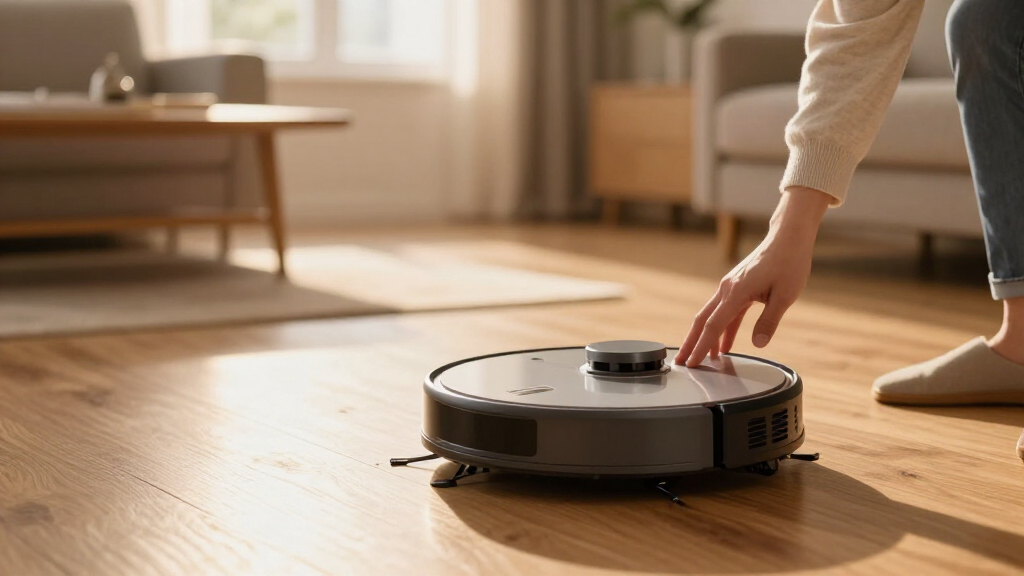
The Federal Communications Commission (FCC) has announced a ban on importing certain foreign-made robots, including popular robotic vacuum cleaners, effective immediately. This move aims to address security and safety concerns related to foreign technology, impacting consumers, manufacturers, and importers nationwide.
According to the FCC, the new regulation prohibits the importation of specific robotic devices that do not meet U.S. security standards. The ban specifically targets robots manufactured outside the United States that utilize certain wireless communication modules, which the FCC claims pose risks of unauthorized surveillance or cybersecurity vulnerabilities.
Major brands, including some of the leading robo vacuum manufacturers, have been affected by this decision. The FCC states that the ban is based on recent investigations into foreign technology products that could potentially be exploited for malicious purposes. The regulation is immediate, with a transition period for existing stockpiles and shipments.
Manufacturers and importers have expressed concern over supply chain disruptions and the potential for increased prices. Consumer advocacy groups warn that this could limit access to affordable robotic cleaning devices, which are among the most popular smart home appliances in the U.S.
Implications for Consumers and Industry Stakeholders
This ban could significantly impact the availability of robotic vacuum cleaners and other home robots in the U.S. market, potentially leading to shortages or higher prices. It also marks a shift in U.S. policy towards stricter controls on foreign technology imports, especially devices connected via wireless communications. For consumers, this may mean fewer options and increased costs for smart home devices. For manufacturers, especially those reliant on foreign components, it could necessitate supply chain adjustments and increased compliance costs.
Additionally, this move underscores ongoing concerns about cybersecurity and foreign technology security. It may influence future regulations and trade policies related to smart devices and IoT products in the U.S.
robot vacuum cleaner wireless communication modules
As an affiliate, we earn on qualifying purchases.
As an affiliate, we earn on qualifying purchases.
Background on FCC’s Security Concerns and Past Actions
The FCC has previously taken steps to regulate foreign technology products, citing national security risks. In 2022, the agency imposed restrictions on certain Chinese-made telecommunications equipment, citing espionage concerns. The current ban on foreign-made robots builds on this approach, focusing on devices that connect via wireless networks, which could be exploited for unauthorized data collection or surveillance.
The decision follows investigations into the security vulnerabilities of smart home devices, especially those manufactured outside the U.S. and its allies. It also reflects broader U.S. government efforts to limit foreign influence and potential espionage through connected devices. The regulation aligns with recent legislation aimed at tightening import controls on sensitive technology.
While the specifics of the FCC’s technical criteria remain classified, the agency has emphasized that the ban targets devices that do not meet the agency’s security standards.
“This measure is designed to protect Americans from potential security threats posed by foreign-made robotic devices that do not meet our safety and security standards.”
— FCC spokesperson
As an affiliate, we earn on qualifying purchases.
Unresolved Questions About Scope and Enforcement
It remains unclear which specific models or manufacturers are affected, as the FCC has not publicly disclosed detailed technical criteria or a comprehensive list of banned devices. The long-term enforcement measures and how existing inventories will be handled are also still being clarified.
Additionally, the potential for legal challenges or exemptions remains uncertain, as some industry groups may contest the regulation’s scope or basis.
foreign-made robot vacuum alternatives
As an affiliate, we earn on qualifying purchases.
As an affiliate, we earn on qualifying purchases.
Next Steps for Manufacturers and Consumers
Manufacturers will need to review their supply chains and possibly seek alternative, compliant components or suppliers. The FCC is expected to release further guidance on compliance procedures and affected devices in the coming weeks.
Consumers should monitor updates from retailers and manufacturers regarding product availability. Policy developments and potential legal challenges could influence the regulation’s implementation and scope.
Regulatory agencies and industry groups may also engage in discussions to clarify the technical standards and explore possible exemptions or modifications to the ban.
smart home robot security compliant
As an affiliate, we earn on qualifying purchases.
As an affiliate, we earn on qualifying purchases.
Key Questions
Which robots are affected by the FCC ban?
The FCC has not disclosed specific models or manufacturers but states that the regulation targets foreign-made robots that utilize certain wireless communication modules and do not meet U.S. security standards.
Will existing stockpiles of robotic vacuums be affected?
The FCC has indicated a transition period for existing inventories, but details about how current stock will be handled are still pending.
Could this regulation lead to higher prices for robotic vacuums?
Yes, industry analysts warn that supply chain disruptions and limited import options could increase prices for consumers.
Are all foreign-made robots banned or only specific types?
The ban applies to certain devices that do not meet the FCC’s security standards, especially those with wireless communication modules from specific foreign sources. Exact details are still being clarified.
Source: rss
Fall Picks
fall essentials
As an affiliate, we earn on qualifying purchases.