To clean crayon marks from your walls without removing paint, gently mix a solution of mild dish soap and warm water, then wipe the area with a soft cloth. For stubborn stains, try a baking soda paste or a damp magic eraser, but test first on a small spot to avoid damage. Using patience and gentle motions, you can effectively remove the crayon while keeping your walls intact—more tips await to help you succeed.

Get cleaning gear delivered free — and shop member deals
- Fast, free delivery on millions of items
- Access to Prime Big Deal Days deals on October 6–7
- Prime Video, Amazon Music and more included
Key Takeaways
- Use a mild dish soap and warm water solution to gently wipe crayon marks without damaging the paint.
- Apply a baking soda paste or diluted vinegar for stubborn stains, testing on a small area first.
- Lightly scrub with a damp magic eraser to lift crayon marks without stripping the paint.
- Avoid harsh chemicals; stick to eco-friendly options and test cleaning methods on inconspicuous spots.
- Rinse the area with a clean, damp cloth and dry thoroughly to remove residue and preserve wall integrity.
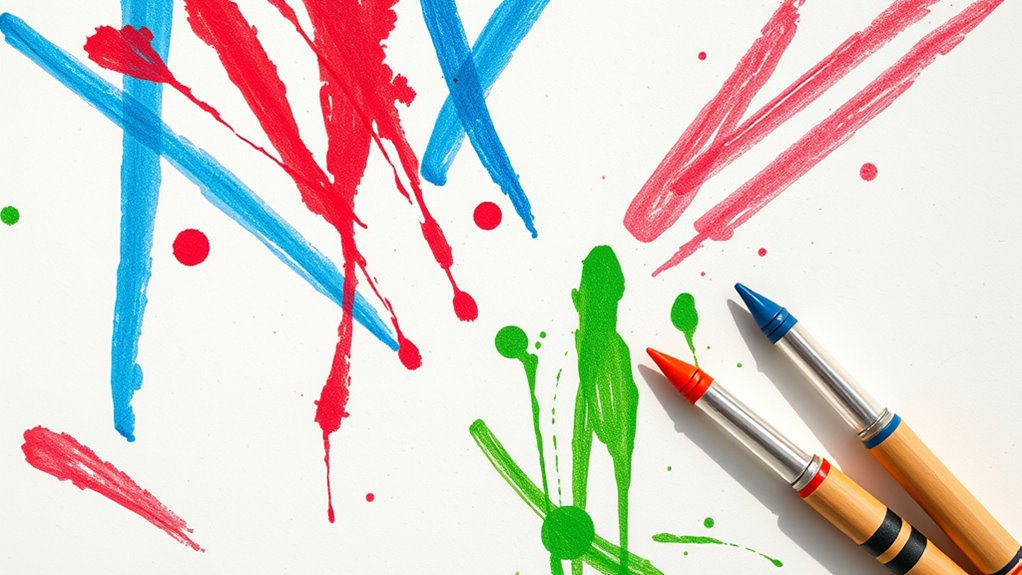
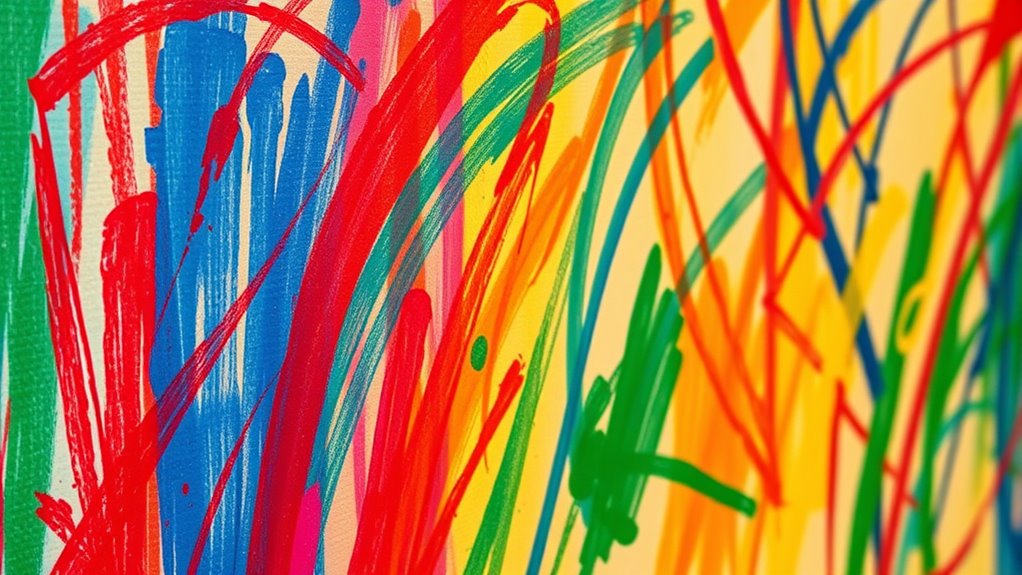
Kids love to express their creativity, but when crayons end up on walls instead of paper, it can be frustrating for parents. You want to encourage their artistic spirit, but you also want to keep your walls looking fresh. Luckily, there are effective ways to remove crayon marks without damaging your paint. The key is knowing the right art removal techniques and using wall safe cleaners that won’t strip or discolor your walls.
Removing crayon marks safely preserves your walls and encourages your child’s creativity.
Start by gathering some basic supplies: gentle cleaning agents, soft cloths or sponges, and possibly some baking soda or vinegar. When tackling crayon smudges, it’s essential to be gentle to avoid peeling paint or leaving streaks. Many parents find success with simple household items, but for tougher stains, specialized art removal techniques can make all the difference.
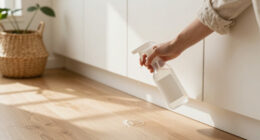
One of the most effective methods involves using wall safe cleaners like a mixture of mild dish soap and warm water. Dip a soft cloth into the solution, wring it out well, and gently wipe the crayon marks. For more stubborn stains, you can try a paste made from baking soda and water. Apply it gently with a damp cloth and let it sit for a minute or two before wiping clean. Vinegar diluted with water can also serve as a natural, eco-friendly alternative that breaks down crayon wax without harming your paint.
If these options don’t fully remove the marks, consider using a magic eraser. These sponges are excellent for art removal techniques because they’re gentle yet effective at lifting stains. Just dampen the magic eraser and lightly scrub the crayon marks. Be cautious not to scrub too hard, especially on older or delicate paint. Always test a small, inconspicuous area first to ensure your method won’t cause any damage.
In some cases, you might need to repeat the cleaning process a few times. Patience is key. Remember, the goal is to remove the crayon without harming your wall’s surface. When finished, wipe the area with a clean, damp cloth to remove any residue, then dry it with a soft towel. Additionally, understanding toilet flushing mechanisms can help you manage household water use efficiently, which is beneficial for your home’s overall maintenance. With these techniques, you can keep your walls looking great while still supporting your child’s creative expression. Using the right art removal techniques and wall safe cleaners helps you maintain your home’s appearance without sacrificing your little artist’s enthusiasm.
wall safe magic eraser for crayon removal
As an affiliate, we earn on qualifying purchases.
As an affiliate, we earn on qualifying purchases.
Frequently Asked Questions
Will These Cleaning Methods Damage Wallpaper or Textured Walls?
These cleaning methods are safe for wallpaper and textured walls if you’re gentle. Use a soft cloth or sponge with mild soap and water, avoiding harsh chemicals that could damage wallpaper security or textured wall care. Test in a small, hidden area first to ensure no discoloration or damage. Stay gentle, and you’ll effectively remove crayon marks without harming your walls or textures.
Are There Natural or Eco-Friendly Options for Removing Crayon?
Did you know that using natural solutions can be just as effective as chemical cleaners? For eco-friendly options, try mixing baking soda with a little water to form a paste, then gently scrub the crayon marks. You can also use white vinegar or lemon juice for their natural stain-lifting properties. These natural solutions are safe for walls and the environment, making them a smart choice for cleaning crayon from walls.
How Can I Prevent My Child From Coloring on Walls Again?
To prevent your child from coloring on walls again, implement child proofing strategies like installing washable wall coverings or using painter’s tape for boundaries. Encourage creative outlets such as drawing on a chalkboard or whiteboard. Use wall protection tips like applying peel-and-stick wallpaper or clear wall protectors. Consistently supervise your child and praise their good behavior. These steps help keep walls clean while nurturing their creativity responsibly.
What Should I Do if the Crayon Stain Is Old and Set?
Old, set crayon stains can feel impossible, but don’t despair. You can try a gentle approach with a baking soda paste or a magic eraser, which often works on stubborn marks. While it’s frustrating to see years-old damage, patience and careful cleaning can minimize the stain without harming your paint. Remember, even long-set crayon cleanup is possible with a little effort and the right tools.
Can These Cleaning Techniques Be Used on Painted or Drywall Surfaces?
Yes, these wall-safe solutions and paint-friendly techniques work well on painted or drywall surfaces. You should be gentle, using a soft cloth or sponge with mild soap and water, or a gentle baking soda paste for stubborn stains. Avoid harsh chemicals or abrasive scrubbers that could damage the paint. Always test a small hidden area first to verify your method won’t cause discoloration or peeling.
eco-friendly wall cleaner for kids' crayon marks
As an affiliate, we earn on qualifying purchases.
As an affiliate, we earn on qualifying purchases.
Conclusion
So, next time your little artist turns your walls into a canvas, remember there’s a way to clean it without damaging the paint. But be warned—some stains might resist even your best efforts. Will your chosen method be enough to restore your walls to their original beauty? Keep this secret in your back pocket and find out. After all, every masterpiece can be erased… or can it? The choice is yours—are you ready to discover the magic?
baking soda paste for wall stains
As an affiliate, we earn on qualifying purchases.
As an affiliate, we earn on qualifying purchases.
mild dish soap for wall cleaning
As an affiliate, we earn on qualifying purchases.
As an affiliate, we earn on qualifying purchases.
Fall Picks
fall essentials
As an affiliate, we earn on qualifying purchases.