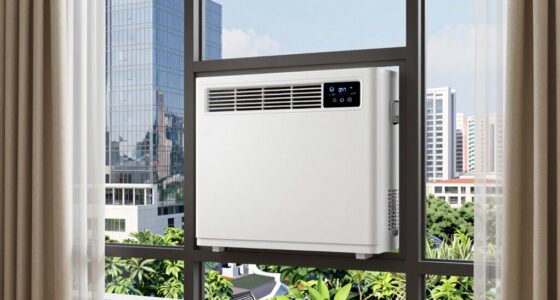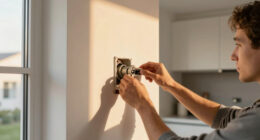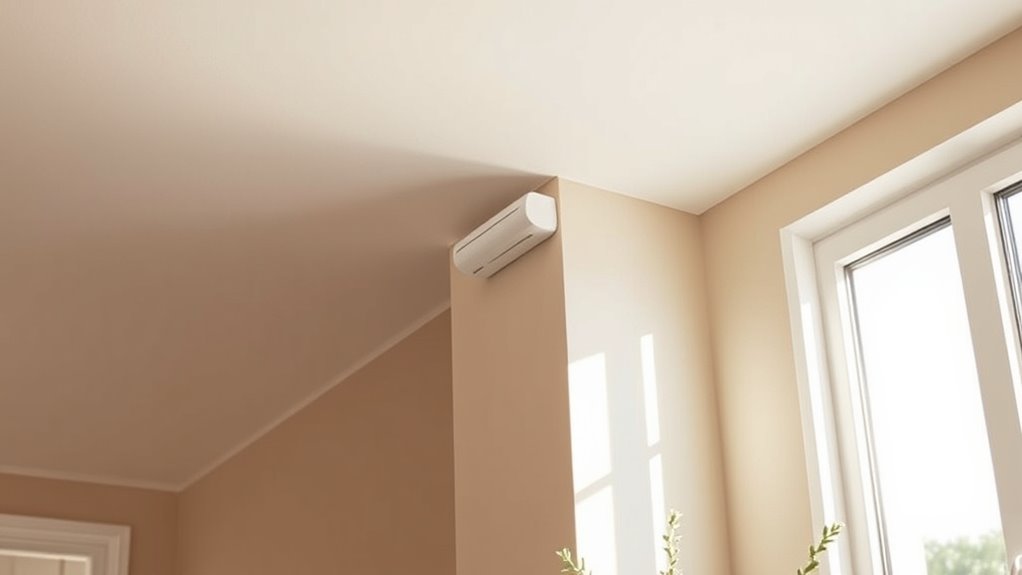

To guarantee your carbon monoxide alarm works properly, install it at head height or slightly above on each floor and near sleeping areas. Keep it away from fuel-burning appliances by at least 15 feet and avoid humid places like bathrooms. Position alarms where airflow allows detection without drafts, and avoid corners or dead air zones. Proper placement makes a big difference—stay tuned to learn the exact strategies for maximum safety.

Get cleaning gear delivered free — and shop member deals
- Fast, free delivery on millions of items
- Access to Prime Big Deal Days deals on October 6–7
- Prime Video, Amazon Music and more included
Key Takeaways
- Install alarms at head height or slightly above on each floor, especially near sleeping areas, for optimal detection.
- Avoid placing alarms directly above or near fuel-burning appliances to prevent false alarms.
- Mount alarms on walls or ceilings in areas with good airflow, avoiding corners and dead zones.
- Test alarms monthly and replace batteries yearly to ensure reliable performance.
- Replace entire units every 5-7 years and ensure easy access for maintenance and testing.
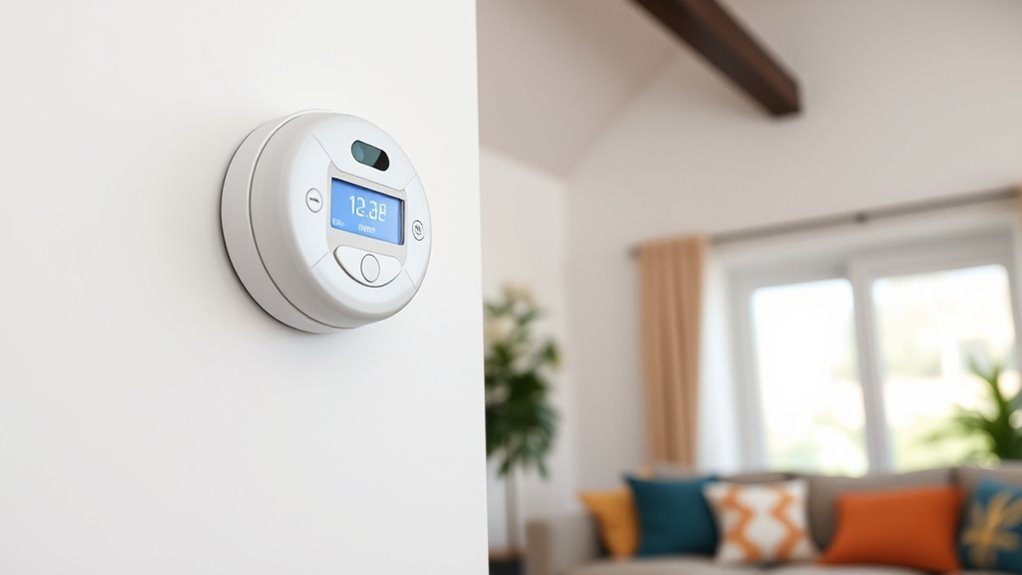
Proper placement of carbon monoxide alarms is vital for guaranteeing your safety in case of CO leaks. When you install alarms correctly, you can detect dangerous levels of carbon monoxide early and respond swiftly. To make sure your alarms work effectively, you need to contemplate ventilation strategies, as good airflow can influence how CO disperses and how quickly alarms respond. Ventilation helps prevent the buildup of CO in enclosed spaces, but it also means you need to position alarms where they can detect rising levels without being hindered by drafts or airflow patterns. For example, installing alarms on each floor and near sleeping areas is a smart ventilation strategy because it guarantees early warning regardless of where CO might accumulate. Additionally, understanding the environmental acoustics of your space can help optimize alarm placement for clearer sound detection. Alarm maintenance tips are equally important in keeping your safety measures reliable. Regularly testing your alarms monthly is a simple step that guarantees they’re functioning properly. Most alarms have a test button—press it to confirm the alarm sounds clearly. You should also replace the batteries annually or as recommended by the manufacturer, especially if the alarm starts chirping, indicating low power. Even if your alarm is wired into your home’s electrical system, having backup batteries is vital, as power outages can disable the device. Additionally, replace the entire alarm unit every five to seven years, since sensors can degrade over time, reducing their effectiveness. When choosing the right spot for your carbon monoxide alarm, avoid placing it in areas prone to false alarms, such as directly above a fuel-burning appliance or in humid spaces like bathrooms. Instead, install alarms at least 15 feet away from fuel-burning appliances to prevent false triggers, but still close enough to detect leaks early. Keep alarms at head height or slightly above—carbon monoxide mixes with air and tends to rise, so placing alarms too high or too low might delay detection. Ensure they’re mounted on the wall or ceiling, avoiding corners or dead air zones where airflow might be restricted.
carbon monoxide alarm with digital display
As an affiliate, we earn on qualifying purchases.
As an affiliate, we earn on qualifying purchases.
Frequently Asked Questions
How Often Should I Test My Carbon Monoxide Alarm?
You should test your carbon monoxide alarm at least once a month to guarantee proper alarm maintenance and functioning. Regular testing helps catch any issues early, keeping you safe. Press and hold the test button until you hear the alarm sound. Remember, consistent testing frequency is key to reliable protection. Additionally, replace batteries annually and replace the alarm itself every five to seven years for maximum safety.
Can I Place a CO Alarm Outside or in a Garage?
Ever wonder if you should place a CO alarm outside or in a garage? It’s best to avoid outdoor placement because CO alarms aren’t weatherproof. Instead, install a garage placement alarm near the entry to your home or in the garage itself, ensuring outdoor safety. This helps detect leaks early, protecting you and your loved ones from carbon monoxide dangers. Proper placement is key for effective early warning.
Are There Different Placement Rules for Multi-Story Homes?
Yes, there are different placement rules for multi-story homes to guarantee proper multi-story safety. You should install CO alarms on each level, especially outside sleeping areas and near garages or appliances that produce CO. Place alarms on the wall about 5 feet above the floor, avoiding vents, windows, or drafts. This ensures effective alarm placement, giving you early warning across all stories and maximizing your home’s safety.
What Is the Ideal Height for Installing a CO Alarm?
Think of alarm positioning as balancing safety and practicality. You should install your CO alarm on a wall about 5 feet above the floor or on the ceiling, following placement guidelines that prevent false alarms and guarantee early detection. Avoid placing it near vents or windows. Proper height is essential because carbon monoxide rises with warm air, so placing it correctly helps you catch leaks early and stay safe.
Do I Need Multiple CO Alarms if I Have a Small Apartment?
Yes, you should have multiple CO alarms in your small apartment to guarantee safety. Placing alarms in key co alarm zones, like bedrooms, near the furnace, and living areas, helps detect carbon monoxide early. Even in a small space, different zones can have varying risks. Multiple alarms give you better coverage, ensuring your apartment stays safe from CO buildup and providing peace of mind for your household.
hardwired carbon monoxide detector with battery backup
As an affiliate, we earn on qualifying purchases.
As an affiliate, we earn on qualifying purchases.
Conclusion
Now that you know where to place your carbon monoxide alarm, you can breathe easy knowing you’re taking the right steps to protect your loved ones. Remember, a stitch in time saves nine—it’s better to be safe than sorry. Don’t wait until it’s too late; proper placement is your best defense against unseen danger. Stay vigilant, stay safe, and make sure those alarms are always in the right spot where they can do their job.
As an affiliate, we earn on qualifying purchases.
carbon monoxide alarm mounting kit
As an affiliate, we earn on qualifying purchases.
As an affiliate, we earn on qualifying purchases.
Fall Picks
fall essentials
As an affiliate, we earn on qualifying purchases.