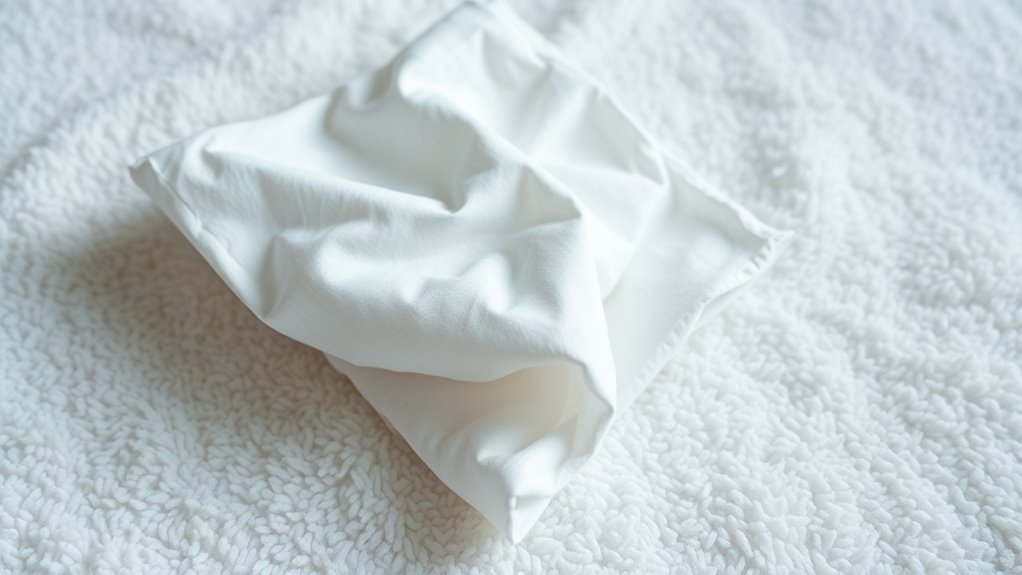

Using dryer sheets regularly can harm towel and fabric absorbency because they leave behind residues that coat fibers, making them less porous. This buildup reduces the towel’s ability to soak up water and can even slow down drying times. Over time, your clothes and towels may feel less plush and effective. If you’re curious about more ways dryer sheets impact your laundry and how to avoid them, keep exploring the details.

Get cleaning gear delivered free — and shop member deals
- Fast, free delivery on millions of items
- Access to Prime Big Deal Days deals on October 6–7
- Prime Video, Amazon Music and more included
Key Takeaways
- Dryer sheets leave residue that coats towel fibers, reducing their porosity and water absorption capability.
- Fabric softener residues from dryer sheets create a slick coating, diminishing towels’ natural absorbency.
- Buildup on towels and fabrics can cause them to feel less plush and more slick over time.
- Residues on towels impair drying efficiency, making them less effective at absorbing water.
- Continuous use of dryer sheets can damage towel fibers, shortening their lifespan and effectiveness.
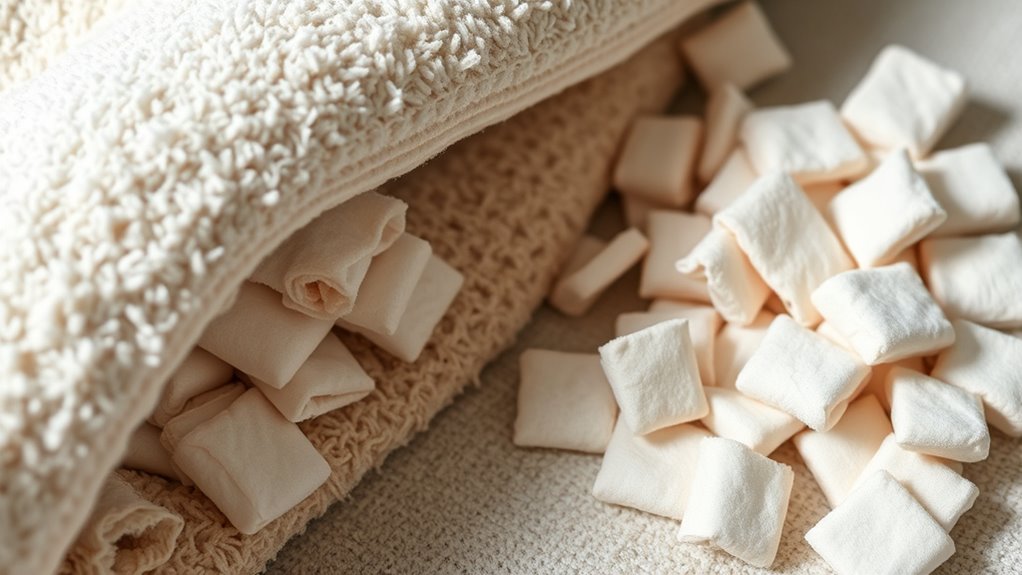
When it comes to keeping your laundry fresh and soft, many people wonder whether to use dryer sheets or towels. Dryer sheets are popular because they make clothes smell nice and feel softer, thanks to the fabric softeners embedded in them. However, while they seem helpful, they can actually cause issues over time. One major problem is lint buildup. Dryer sheets tend to leave a waxy residue on your dryer’s lint trap and on your clothes. This residue collects lint, reducing airflow and making your dryer less efficient. Over time, this buildup can even lead to longer drying times and increased energy bills. Plus, that same residue can cling to your fabrics, making your clothes feel less absorbent and softer.
Dryer sheets can cause lint buildup and reduce your dryer’s efficiency over time.
Fabric softeners from dryer sheets don’t just coat your clothes—they also coat the lint trap and the drum of your dryer. This coating prevents fabrics from absorbing water as effectively during washing and dries. As a result, clothes lose their natural ability to absorb moisture, making towels less effective at drying you off. The more you use dryer sheets, the thicker this coating can become, further diminishing your towels’ absorbency. If you notice that your towels aren’t drying you as well as they used to, dryer sheet buildup might be the culprit. This is especially true if you see lint sticking to your towels or if they feel less plush and more slick after drying.
Some people overlook how these softening agents impact fabric fibers. Over time, they can cause fibers to become coated and less porous, which means water and moisture don’t penetrate as easily. This isn’t just about towels; it affects all your laundry, making clothes feel less fresh and reducing their longevity. To keep your fabrics in top shape, it’s best to avoid excessive use of dryer sheets and opt for natural alternatives like wool dryer balls. These help soften clothes without leaving residues that can cause lint buildup or compromise absorbency.
In addition to damaging fabrics, frequent use of dryer sheets can also impact the efficiency of your dryer’s ventilation system, leading to higher energy consumption and potential safety hazards. In essence, while dryer sheets might seem like a quick fix for softer clothes and better scent, they can damage your laundry’s performance in the long run. They interfere with fabric absorbency, cause lint buildup, and can make your dryer work harder. If you want clean, soft, and highly absorbent laundry, it’s smarter to skip the dryer sheets and focus on natural solutions that protect your fabrics and your dryer’s efficiency.
As an affiliate, we earn on qualifying purchases.
Frequently Asked Questions
Do Dryer Sheets Affect All Types of Fabrics Equally?
Dryer sheets can affect different fabric textures differently, but generally, they may reduce drying efficiency across all types. They leave a thin coating on fabrics, which can block the fibers’ ability to absorb moisture. For delicate or highly textured fabrics, this coating can be more noticeable, making them less absorbent. So, if you want your clothes to dry efficiently, it’s best to skip dryer sheets, especially on sensitive or textured fabrics.
Can Using Dryer Sheets Cause Allergies or Skin Irritation?
Yes, using dryer sheets can cause allergies or skin irritation, especially if you have skin sensitivities. The fragrances and chemicals in dryer sheets may trigger allergy risks, leading to redness, itching, or rashes. To protect yourself, opt for fragrance-free or hypoallergenic alternatives. Always check labels and consider skipping dryer sheets altogether if you notice any skin discomfort after laundry.
Are There Eco-Friendly Alternatives to Traditional Dryer Sheets?
Think of nature’s gentle touch—yes, there are eco-friendly alternatives to traditional dryer sheets. You can use natural softeners like white vinegar, which acts like a magic potion, or dryer balls made from wool that soften fabrics and reduce static without chemicals. These options are better for your skin, your clothes, and the environment. Embrace these eco-friendly alternatives and enjoy fresh, soft laundry with less impact on the planet.
How Do Towels Regain Their Absorbency After Using Dryer Sheets?
To help your towels regain their absorbency after using dryer sheets, wash them with a cup of white vinegar and a small amount of baking soda. This combo breaks down fabric softening residues that hinder moisture retention. Avoid fabric softeners and dryer sheets in future washes to maintain their natural absorbency. Regularly cleaning your towels with vinegar restores their fabric softening and moisture retention, keeping them fluffy and highly absorbent.
What Are the Long-Term Effects of Dryer Sheets on Washing Machines?
Using dryer sheets regularly can lead to long-term effects like dryer machine buildup and detergent residue buildup. These deposits clog vents and lint filters, reducing efficiency and increasing energy use. Over time, they may cause your dryer to work harder, potentially shortening its lifespan. To prevent this, consider switching to natural alternatives and cleaning your dryer’s components periodically to maintain ideal performance.
dryer sheet alternative wool dryer balls
As an affiliate, we earn on qualifying purchases.
As an affiliate, we earn on qualifying purchases.
Conclusion
Think of your towels as sponges soaking up water—and dryer sheets as tiny shields that block their absorbency. When you use dryer sheets, you’re coating your towels with a layer that repels moisture, turning them into less effective sponges. To keep your towels at their best, skip the dryer sheets and embrace the natural absorbency of towels. After all, your towels deserve to be true water warriors, not dampening imposters.
As an affiliate, we earn on qualifying purchases.
eco-friendly fabric softener alternatives
As an affiliate, we earn on qualifying purchases.
As an affiliate, we earn on qualifying purchases.
Fall Picks
fall essentials
As an affiliate, we earn on qualifying purchases.