When choosing a UV sanitizer for your home, focus on safety features like automatic shut-offs, enclosures, and motion sensors to protect yourself and loved ones. Consider maintenance needs such as replaceable bulbs and easy-to-clean parts to guarantee long-term effectiveness. Size and design should match your space and the items you want to sanitize, while verifying it emits UV-C light (~254 nm) for maximum germ-killing. Exploring further will help you find the best fit for your needs.

Get cleaning gear delivered free — and shop member deals
- Fast, free delivery on millions of items
- Access to Prime Big Deal Days deals on October 6–7
- Prime Video, Amazon Music and more included
Key Takeaways
- Prioritize models with safety features like automatic shut-off and protective enclosures to prevent UV exposure hazards.
- Choose devices compatible with the items you want to sanitize, ensuring proper UV exposure and effectiveness.
- Consider maintenance requirements, such as replaceable bulbs or washable components, for long-term reliability.
- Opt for reputable brands with positive reviews to ensure safety, durability, and germ-killing performance.
- Evaluate additional features like size, portability, and user instructions to enhance ease of use and safety at home.
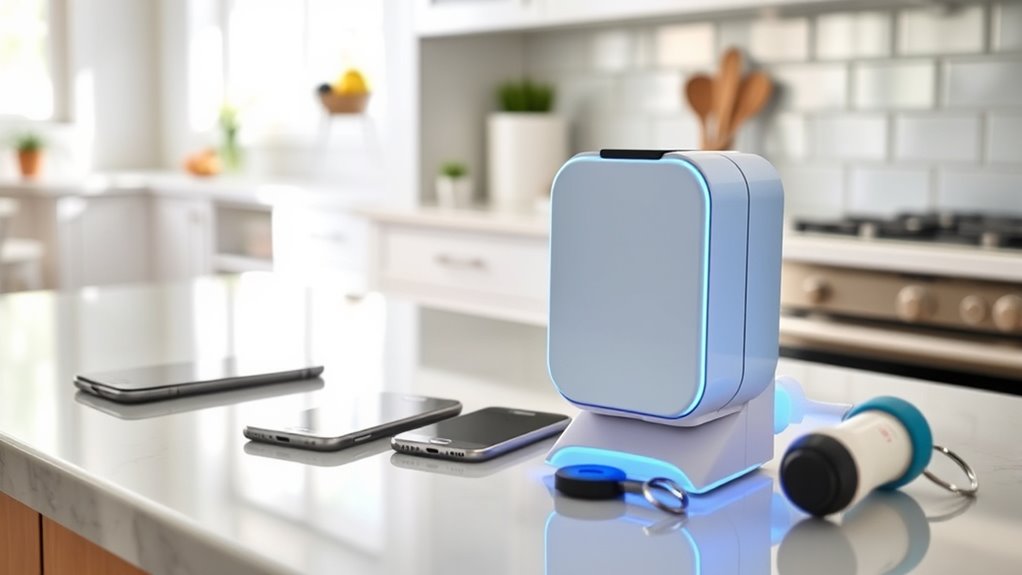
With so many UV sanitizers available, choosing the right one can feel overwhelming. You’re likely wondering which features matter most and how to guarantee safe, effective use. One of the first considerations should be UV light safety. UV light, especially UV-C, is effective at killing germs, but it can also harm your skin and eyes if you’re exposed directly. When selecting a sanitizer, look for models with safety features like automatic shut-off when the device is opened, protective enclosures, or motion sensors that turn the light off if someone enters the room. These safeguards help you avoid accidental exposure, giving you peace of mind while maintaining cleanliness.
Sanitizer maintenance is another critical aspect. Not all UV sanitizers require the same level of upkeep, so it’s crucial to understand how easy it is to clean and maintain your device. Many models have replaceable bulbs or LEDs, which need periodic replacement to keep the sanitizer functioning effectively. Check the manufacturer’s instructions for bulb lifespan and replacement procedures, so you’re prepared to keep your device performing at its best over time. Additionally, some sanitizers have removable, washable components or surfaces that can be wiped down easily, helping you maintain hygiene without hassle. Proper maintenance not only prolongs the life of your sanitizer but also ensures it continues to deliver the germ-killing power you expect.
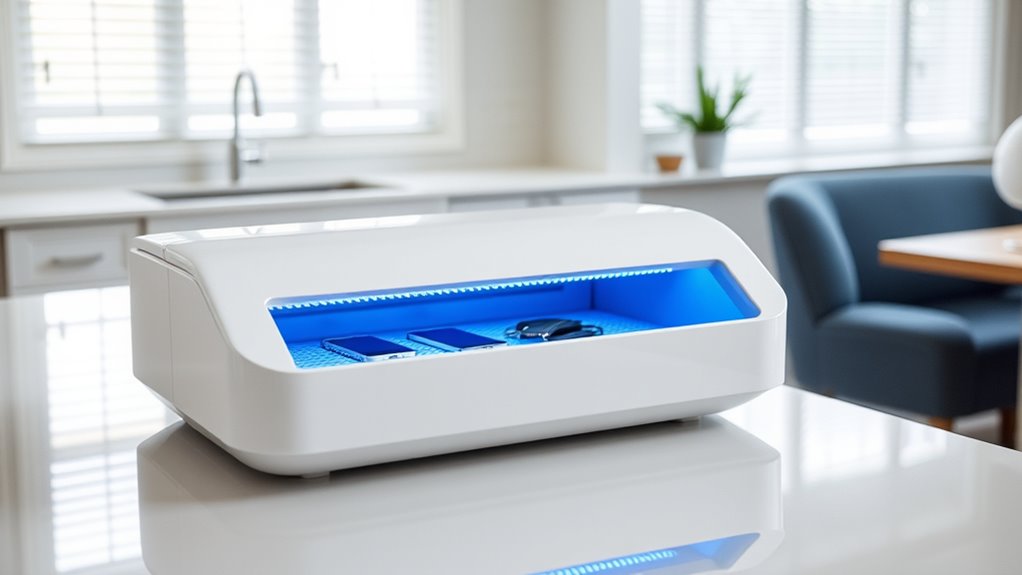
Beyond safety and maintenance, consider the size and design of the UV sanitizer to match your space and usage needs. Smaller, portable units are perfect for personal items like phones, keys, or glasses, while larger models can sanitize entire surfaces or rooms. Make sure the device’s design allows for proper exposure of items to UV light, ensuring thorough sanitization. Also, check whether the sanitizer emits a sufficient UV-C wavelength—around 254 nanometers—for germicidal effectiveness, as not all UV lights are equally potent.
A further consideration is the best airless paint sprayers, which can be a valuable tool for efficient home improvement projects, especially when painting large areas or surfaces that require a smooth finish. Reliable UV sanitizers often incorporate features that enhance ease of use and safety, similar to the advantages seen with top airless paint sprayers.
Finally, evaluate the overall quality and reviews of the UV sanitizer. Reliable brands often incorporate safety features and have clear instructions for maintenance, making your purchase more dependable. By prioritizing UV light safety and understanding the maintenance requirements, you’ll choose a device that’s both effective and safe to use daily. This way, you can confidently rely on your UV sanitizer to keep your home clean without risking your health or compromising its longevity.
UV-C sanitizer with automatic shut-off
As an affiliate, we earn on qualifying purchases.
As an affiliate, we earn on qualifying purchases.
Frequently Asked Questions
Can UV Sanitizers Eliminate All Types of Germs Effectively?
UV sanitizers can effectively reduce many germs, but they might not eliminate all types completely. Their germ eradication depends on proper usage, exposure time, and surface compatibility. You should verify the sanitizer is suitable for the surfaces you’re treating, as some materials may block UV light. While UV sanitizers are excellent for disinfecting, combining them with other cleaning methods ensures thorough germ eradication across different surfaces.
Are UV Sanitizers Safe to Use Around Children and Pets?
Think of UV sanitizers as a powerful shield, but one that needs careful handling around children and pets. While many models are designed with child safety and pet protection in mind, you should always follow manufacturer instructions. Keep the device out of reach, avoid direct exposure to eyes and skin, and make sure kids and animals are away during operation. With proper precautions, you can safely use UV sanitizers to protect your home.
How Long Does It Take for a UV Sanitizer to Disinfect?
A UV sanitizer typically takes between 10 to 30 minutes to disinfect surfaces, but disinfection speed can vary based on the device’s power and the surface’s material. You should expect some effectiveness variability depending on factors like exposure time and distance from the UV light. For maximum results, follow the manufacturer’s instructions closely and guarantee the UV light adequately covers the target area for thorough disinfection.
Do UV Sanitizers Require Regular Maintenance or Bulb Replacements?
Yes, UV sanitizers require regular maintenance and bulb replacements. You should monitor the UV bulb lifespan, which typically lasts between 9 to 12 months, depending on usage and manufacturer. Follow a maintenance schedule to replace bulbs timely and guarantee maximum disinfection. Regular cleaning of the device also helps maintain its effectiveness. Staying on top of these steps guarantees your UV sanitizer continues to work safely and efficiently.
Can UV Sanitizers Be Used on All Household Surfaces Safely?
UV sanitizers are generally safe for household surfaces when used properly, but you should verify surface compatibility first. Some materials, like plastics or fabrics, may not tolerate UV light well, so always read the manufacturer’s instructions. To guarantee household safety, avoid direct exposure to skin and eyes, and keep the device away from children. Use the sanitizer only on approved surfaces to prevent damage and maximize effectiveness.
portable UV sterilizer for phones and keys
As an affiliate, we earn on qualifying purchases.
As an affiliate, we earn on qualifying purchases.
Conclusion
Now that you know what features to look for, aren’t you excited to pick the perfect UV sanitizer for your home? With the right device, you’ll confidently eliminate germs and keep your loved ones safe. Remember, investing in quality and safety features means peace of mind every day. So, why settle for less when you can choose a UV sanitizer that truly meets your needs and keeps your space healthier?
UV room sanitizer with motion sensor
As an affiliate, we earn on qualifying purchases.
As an affiliate, we earn on qualifying purchases.
UV sterilizer with replaceable bulbs
As an affiliate, we earn on qualifying purchases.
As an affiliate, we earn on qualifying purchases.
Fall Picks
fall essentials
As an affiliate, we earn on qualifying purchases.