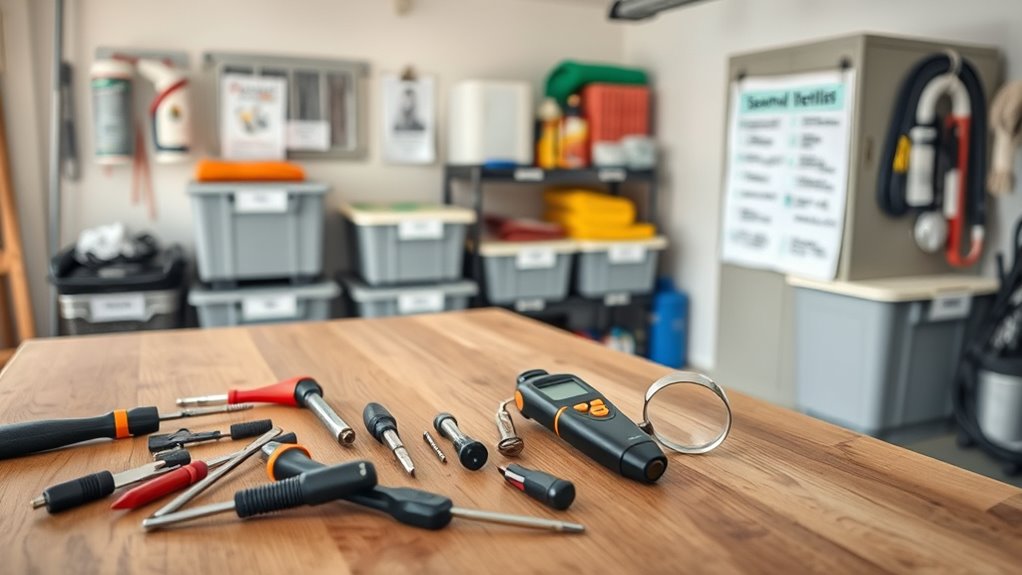
To keep your HVAC system running smoothly year-round, follow a seasonal maintenance checklist. In spring, clear outdoor debris, replace filters, and check for damage. Summer tasks include cleaning AC units, inspecting refrigerant levels, and clearing condenser debris. Fall involves scheduling professional tune-ups, changing filters, and sealing duct leaks for the colder months. Winter focus on replacing filters, checking thermostats, and ensuring safe operation. Keep your system efficient—more tips await if you continue exploring this guide.

Get cleaning gear delivered free — and shop member deals
- Fast, free delivery on millions of items
- Access to Prime Big Deal Days deals on October 6–7
- Prime Video, Amazon Music and more included
Key Takeaways
- Perform outdoor unit cleanup and remove debris before spring and summer to ensure optimal airflow.
- Change or clean filters seasonally to maintain indoor air quality and system efficiency.
- Inspect ductwork and seal leaks during fall and winter to enhance energy efficiency and indoor comfort.
- Schedule professional inspections for heating systems in fall and air conditioning in spring for peak performance.
- Prepare systems for seasonal temperature changes by checking refrigerant levels, thermostat calibration, and system safety.
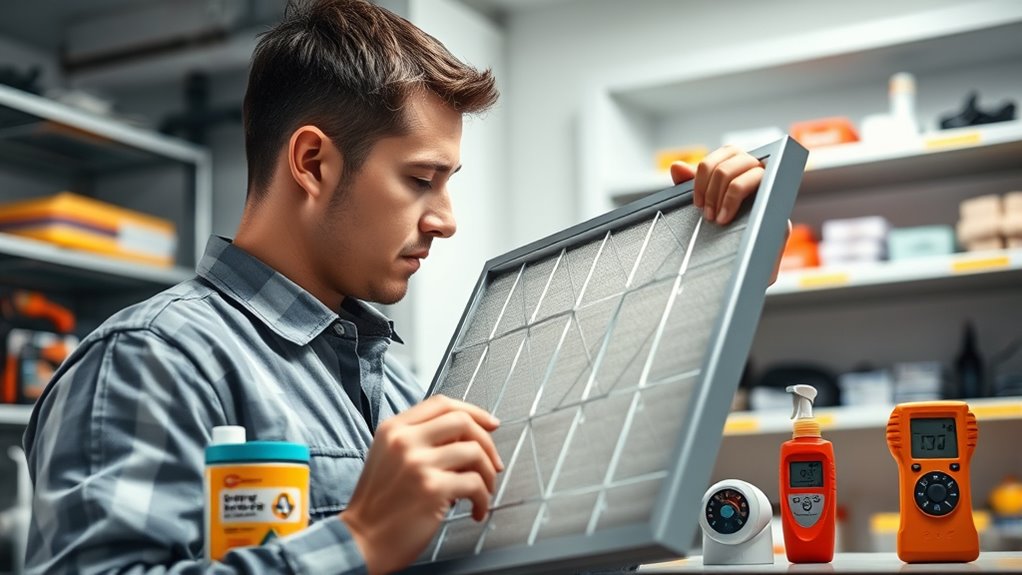
Regular HVAC maintenance is essential to keep your system running efficiently and prevent costly breakdowns. When you stay on top of seasonal maintenance tasks, you ensure your system operates at peak energy efficiency, saving you money on utility bills. Plus, it helps maintain a healthier indoor air quality by removing dust, mold, and other pollutants that can accumulate over time. Proper upkeep means your HVAC system doesn’t have to work harder than necessary, which reduces wear and tear and prolongs its lifespan.
Regular HVAC maintenance boosts efficiency, extends lifespan, and improves indoor air quality.
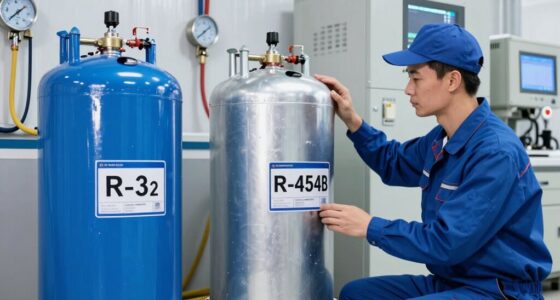
As seasons change, so do the specific maintenance tasks needed. Before summer, focus on cleaning and inspecting your air conditioning unit. Clear away debris from around the outdoor condenser, check refrigerant levels, and replace or clean filters. Dirty filters restrict airflow, lowering energy efficiency and reducing indoor air quality. When filters are clean, your system doesn’t have to work as hard, which cuts down on energy consumption and keeps the air in your home cleaner. During this time, also check for any leaks or damage to ductwork, as leaks can lead to energy waste and poor air circulation. Contrast ratio plays a role in how well your system renders detailed images, especially in home cinema setups, which can influence your overall comfort and satisfaction.
In fall, your priority shifts to preparing your heating system. Schedule a professional inspection and tune-up to ensure your furnace or heat pump is operating safely and efficiently. Change filters to improve indoor air quality and reduce allergens circulating through your home. A well-maintained furnace uses less energy because it runs smoothly, which helps keep your energy bills in check. Additionally, inspect vents and ducts for blockages or damage. Sealing leaks in ductwork enhances energy efficiency and ensures warm air reaches every room, improving comfort and air quality.
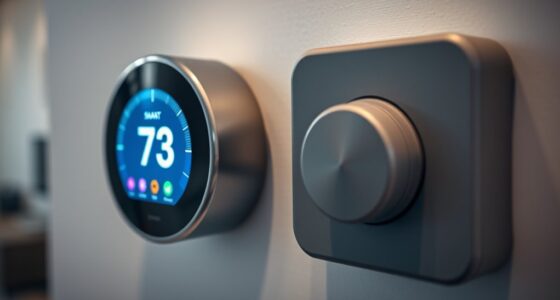
Winter brings its own set of maintenance needs. Keep an eye on filters and replace them if they’re dirty or clogged. This simple step keeps your indoor air quality high by trapping airborne particles and allergens. Also, check your thermostat to make sure it’s functioning correctly and accurately reflecting the indoor temperature. Proper calibration ensures your system runs only as much as needed, making it more energy-efficient. If you notice strange noises or inconsistent temperatures, have a professional examine your system to prevent further issues.
Finally, come spring, it’s time for a thorough cleaning and inspection. Remove debris from outdoor units, clean or replace filters, and check for any damage or corrosion. This prepares your HVAC system for the upcoming warmer months and ensures it operates with peak energy efficiency. Regular maintenance not only reduces energy costs but also improves indoor air quality, creating a healthier, more comfortable living environment year-round. Staying proactive with these seasonal tasks guarantees your HVAC system remains reliable and efficient, no matter the weather outside.
As an affiliate, we earn on qualifying purchases.
Frequently Asked Questions
How Often Should I Replace My HVAC Filters?
You should replace your air filter every 1 to 3 months, depending on its air filter lifespan and your household needs. Regular filter replacement schedule helps maintain indoor air quality and HVAC efficiency. If you have pets or allergies, consider changing filters more frequently. Always check the manufacturer’s guidelines and inspect your filter monthly to make sure it’s clean and functioning properly. This keeps your system running smoothly year-round.
What Signs Indicate My HVAC System Needs Repairs?
Think of your HVAC system as a trusted friend. When it starts making strange noises, like banging or squealing, it’s a sign of trouble. If airflow decreases or your energy bills spike unexpectedly, these are clear repair indicators. During HVAC troubleshooting, these signs point to issues needing repair. Don’t ignore persistent odors or uneven heating and cooling—they’re your system’s way of signaling it needs professional attention.
Can I Perform Maintenance Tasks Myself Safely?
Yes, you can perform some DIY safety HVAC maintenance tasks yourself, like changing filters or cleaning vents, but always follow safety guidelines and turn off power first. However, for complex issues or if you’re unsure, it’s best to seek professional assistance. This guarantees safety and proper repairs, preventing further damage or hazards. Knowing your limits helps keep your system running smoothly without risking injury or costly mistakes.
How Does Outdoor Weather Affect HVAC Efficiency?
Outdoor weather acts like a relentless tide, shaping your HVAC’s efficiency. When outdoor temperature rises or drops sharply, your system works harder, battling the elements. Seasonal humidity can turn your home into a swamp or a desert, straining your unit further. To keep things sailing smoothly, guarantee your HVAC adapts to these changing conditions, maintaining comfort despite the weather’s whims. Proper maintenance helps your system weather any storm with ease.
When Is the Best Time to Upgrade My HVAC System?
You should upgrade your HVAC system when it’s nearing the end of its lifespan, typically around 10-15 years, or if repairs become frequent and costly. Conduct a cost-benefit analysis to compare ongoing maintenance expenses with replacement costs. Upgrading early guarantees improved efficiency, lower energy bills, and better comfort. Don’t wait until system failure; proactive replacement maximizes savings and keeps your home comfortable year-round.
air conditioner filter replacement
As an affiliate, we earn on qualifying purchases.
As an affiliate, we earn on qualifying purchases.
Conclusion
Stay savvy and schedule seasonal HVAC checkups to keep your comfort constant. Regular repairs and routine reviews really reduce repair costs and restore reliability. By simply staying proactive and performing these preventative practices, you’ll avoid unexpected upheavals and ensure your system runs smoothly all year long. So, stay savvy, stay safe, and stay snug—seasonal servicing is your secret to a stress-free, super-efficient home!
As an affiliate, we earn on qualifying purchases.
As an affiliate, we earn on qualifying purchases.
Fall Picks
fall essentials
As an affiliate, we earn on qualifying purchases.